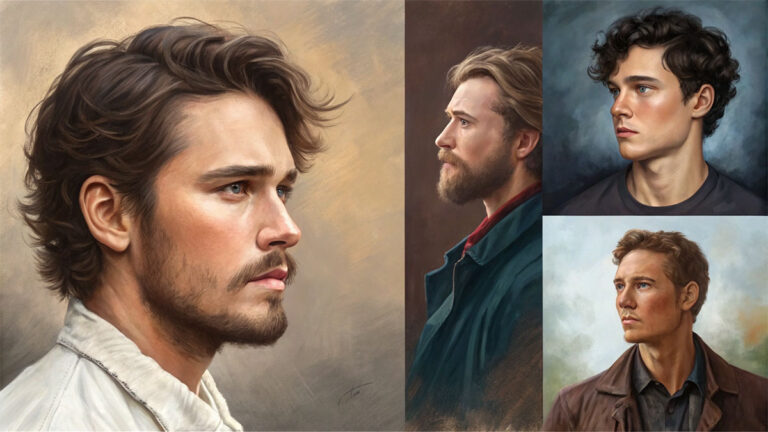
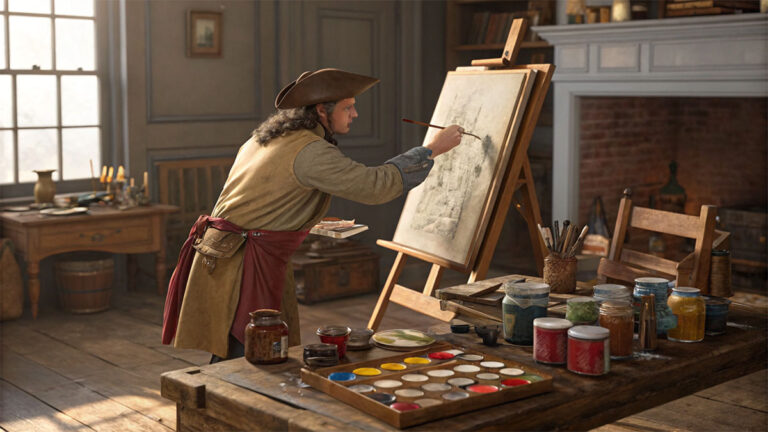
That flat, lifeless painting staring back at you from the easel needs something more. Learning how to create texture in painting transforms ordinary brush strokes into surfaces you can almost feel.
Surface texture separates amateur work from professional paintings that command attention.
Whether you’re working with oil painting techniques or exploring acrylic painting methods, mastering textural applications adds depth and visual interest.
Professional artists understand that texture creates focal points, guides viewer attention, and suggests real-world materials convincingly.
This guide covers everything from basic tool selection to advanced layering techniques. You’ll discover brush methods, palette knife applications, and creative mark-making approaches that bring paintings to life.
By the end, you’ll confidently build surface variations that transform flat canvases into compelling visual experiences.
Basic Tools for Creating Texture

Creating compelling surface textures starts with selecting the right tools. Your choice affects how paint flows, builds up, and interacts with the canvas surface.
Traditional Brushes and Their Effects
Flat brushes push paint in bold, directional strokes that create linear texture patterns. They work especially well for architectural elements and geometric surface variations.
Round brushes offer more versatility in mark making. Their pointed tips create fine details while the belly holds enough paint for broader textural applications.
Fan brushes excel at natural textures like foliage, grass, and weathered surfaces. The spread bristles create organic, broken color effects that suggest complex surface qualities.
Stiff bristle brushes from hog hair produce rough, aggressive marks. These tools push paint around rather than flowing it smoothly, building up textural ridges and valleys.
Alternative Mark-Making Tools
Palette knives create entirely different textural possibilities than brushes. Their flat metal blades spread paint in smooth layers or scrape it into sharp, linear marks.
Natural sponges produce organic, cellular patterns perfect for stone textures, clouds, or aged surfaces. Each dab creates slightly different impressions.
Combs, rakes, and even credit cards can drag through wet paint to create parallel lines and systematic patterns. Found objects like bubble wrap or textured paper add unique surface qualities.
Paint Mediums That Affect Texture
Heavy body acrylic painting maintains brush marks and builds substantial surface texture. The thick consistency holds peaks and ridges that catch light dramatically.
Fluid acrylics flow smoothly but offer less textural buildup. They work better for glazing over existing textures than creating new surface variations.
Oil painting mediums range from buttery consistency to flowing glazes. Their extended working time allows for extensive texture manipulation while wet.
Texture gels and modeling paste transform ordinary paint into sculptural medium. These additives create surfaces you can actually feel, building up layers that project from the canvas.
Sand, pumice, and other granular additives mixed directly into paint create rough, gritty textures. Start with small amounts since these materials dramatically change paint behavior.
Brush Techniques for Texture Creation
Different brushing methods produce distinct surface qualities. Mastering these approaches gives you control over how textures develop across your painting.
Dry Brush Methods
Loading minimal paint onto your brush creates broken, scratchy textures. The dry bristles skip across the canvas surface, leaving intermittent marks that suggest rough materials.
Cross-hatching builds texture through overlapping directional strokes. Layer these marks at different angles to create complex surface patterns that suggest form and volume.
Scumbling involves scrubbing semi-dry paint in circular or random motions. This technique produces weathered, aged effects perfect for old walls, tree bark, or worn surfaces.
Dragging stiff brushes across textured surfaces picks up the high points while leaving paint in the recesses. This selective application creates realistic surface variations.
Wet-on-Wet Texture Techniques

Blending colors while both layers remain workable produces soft, atmospheric textures. The paints merge organically, creating gradual transitions between surface qualities.
Pulling and pushing wet paint with brush tips creates directional movement. These gestural marks suggest wind, water flow, or fabric draping.
Soft atmospheric textures emerge when you work into wet paint layers. The colors blend naturally without harsh edges, perfect for sky effects or distant landscape elements.
Impasto and Heavy Paint Application
Building up thick paint layers creates sculptural surface quality. Each brush mark remains visible, adding physical dimension to your painting surface.
Heavy painting mediums hold their shape when applied thickly. You can literally sculpt with paint, creating raised areas that cast actual shadows.
Directional brushstrokes in impasto work guide the viewer’s eye while adding textural interest. Follow the form you’re painting to enhance its three-dimensional quality.
Varying paint thickness across surfaces creates contrast between smooth and rough areas. This variation adds visual hierarchy and prevents monotonous surface treatment.
Non-Brush Texture Methods
Exploring beyond traditional brushes opens up entirely new textural possibilities. These alternative approaches often produce effects impossible to achieve with bristles alone.
Palette Knife Techniques

Spreading paint with a palette knife creates smooth, even surfaces or sharp linear marks depending on your approach. The metal blade produces clean edges that brushes cannot match.
Scraping motions remove paint selectively, revealing underlayers or creating linear patterns. This subtractive approach adds another dimension to texture creation.
Sharp knife edges cut precise lines through wet paint. These marks create strong directional elements and can suggest architectural details or geometric patterns.
Mixing colors directly on canvas with palette knives produces broken color effects. The partial blending creates optical mixing that suggests complex surface variations.
Sgraffito and Scratching Methods
Removing wet paint to reveal underlayers creates linear textures and pattern work. This ancient technique adds graphic elements to painterly surfaces.
Sharp tools like palette knife tips or pencil ends scratch through top paint layers. The revealed underlayers create contrasting linear patterns against solid color areas.
Timing proves critical for sgraffito work. Paint must remain wet enough to remove easily but stable enough that surrounding areas don’t disturb.
Combining scratched areas with painted sections creates interesting textural conversations. The linear quality contrasts with brushed areas while maintaining visual unity.
Stamping and Pressing Techniques
Natural objects like leaves, bark, or stones pressed into wet paint create organic texture impressions. Each natural stamp produces slightly different results.
Manufactured items such as screen material, textured rollers, or carved stamps create regular patterns. These systematic textures work well for architectural elements or decorative surfaces.
Creating custom stamps from cardboard, foam, or carved materials gives you unique textural signatures. These personalized tools become part of your artistic vocabulary.
Varying pressure and paint amounts when stamping produces different textural intensities. Light pressure creates subtle impressions while heavy pressure produces bold, raised textures.
The key lies in understanding how different color theory principles interact with textural surfaces. Light colors on textured areas appear more prominent while dark values recede into surface depressions.
Creating Specific Surface Textures

Different materials require distinct approaches to convincingly represent their surface qualities. Understanding how various textures behave under light helps you choose the right technique.
Natural Surface Textures
Tree Bark and Wood Grain Effects
Vertical dragging motions with a dry brush create realistic wood grain patterns. Vary the pressure to suggest different wood densities and age.
For bark textures, use a palette knife to scrape irregular vertical lines through wet paint. Add darker value accents in the deepest crevices.
Cross-hatching with earth tones builds up complex bark surfaces. Layer burnt umber, raw sienna, and touches of yellow ochre for authentic coloration.
Stone and Rock Surface Variations
Sponge application creates the granular quality of weathered stone. Dab multiple earth tones wet-on-wet for natural color variations.
Sharp palette knife edges scrape highlights across raised stone surfaces. This technique mimics how light catches the irregular bumps and ridges.
For marble effects, blend white and gray paint while wet, then drag a dry brush perpendicular to create veining patterns. The subtle gradations suggest polished stone surfaces.
Water Movement and Reflections
Horizontal brush strokes establish the basic water plane. Keep these marks smooth and flowing to suggest liquid movement.
Broken reflections require vertical strokes that interrupt horizontal ones. Use slightly darker values than the reflected objects to maintain realistic depth.
Stippling technique with a stiff brush creates water surface tension effects. Light touches suggest ripples catching overhead light.
Cloud Formations and Sky Textures
Soft blending with clean, damp brushes produces realistic cloud edges. Work while paint remains workable for smooth atmospheric transitions.
Cotton swabs create wispy cloud textures when dabbed into wet sky areas. The absorbent material lifts paint selectively.
Scumbling light colors over darker sky tones suggests distant cloud layers. Keep these applications thin and translucent.
Fabric and Textile Textures
Smooth Silk and Satin Surfaces
Silk textures require minimal surface variation but careful attention to light reflection. Use smooth brush strokes that follow the fabric’s draping direction.
Glazing techniques build up the luminous quality of silk fabrics. Apply thin, transparent layers that maintain underlying form while adding surface sheen.
Highlight placement becomes critical with smooth fabrics. Sharp, bright accents suggest the reflective quality of polished surfaces.
Rough Canvas and Burlap Weaves
Cross-hatching at regular intervals mimics woven fabric structure. Maintain consistent spacing to suggest systematic textile construction.
Dry brush work over a textured underpainting creates convincing burlap effects. The broken color suggests individual fiber strands.
Earth tone palettes work best for rough fabric textures. Raw umber, burnt sienna, and yellow ochre create authentic material colors.
Knitted and Woven Patterns
Systematic mark making produces regular textile patterns. Use consistent brush sizes and spacing for believable fabric construction.
Interlocking brushstrokes suggest the over-under pattern of woven materials. Alternate light and dark values to show depth between threads.
Worn and Aged Fabric Effects
Selective paint removal creates worn areas on fabric surfaces. Scrape away paint in spots that would naturally show wear patterns.
Glazing darker tones into recessed areas suggests accumulated dirt and age. Keep these applications subtle for realistic effects.
Metal and Hard Surface Textures

Polished Metal Reflections
Smooth paint application with minimal texture creates polished metal surfaces. Focus on accurate reflection patterns rather than surface variation.
Sharp value contrasts define metal edges and reflective highlights. Use clean brush work to maintain crisp transitions.
Color temperature shifts in metal reflections add realism. Cool reflected light contrasts with warm direct illumination.
Rust and Corrosion Effects
Sponge texturing with orange, red, and brown creates convincing rust patterns. Layer these colors while wet for natural blending.
Stippling darker accents into rust areas suggests deep corrosion pitting. Use burnt umber and Payne’s gray for these shadow accents.
Hammered and Textured Metal
Regular stippling patterns create hammered metal textures. Maintain consistent mark spacing for believable surface treatment.
Directional highlighting follows the metal’s surface undulations. Paint bright accents where light would naturally catch raised areas.
Glass and Transparent Surfaces
Glass requires careful observation of reflection and refraction patterns. The texture comes from what shows through rather than surface variation.
Crisp edges define glass shapes while soft gradations suggest curved surfaces. Maintain sharp contrast between reflection and transparency areas.
Layering and Building Complex Textures

Complex surface textures develop through systematic layering approaches. Each stage builds upon previous applications while maintaining overall visual coherence.
Underpainting for Texture Foundation
Rough initial texture layers establish the basic surface character. Don’t worry about details at this stage, focus on major surface variations.
Broken color application in the underpainting creates visual interest that shows through subsequent layers. This foundation adds depth to final textures.
Planning your texture hierarchy prevents overworking later stages. Identify which areas need aggressive texture and which should remain relatively smooth.
Glazing Over Textured Surfaces
Transparent layers follow the contours of existing textures, settling into valleys while skipping raised areas. This selective application adds depth without destroying surface variation.
Color temperature shifts in glazed recesses create realistic shadow effects. Cool glazes in depressions contrast with warm highlights on raised surfaces.
Multiple glaze layers build luminosity while preserving underlying texture. Each application should be thin enough to maintain transparency.
Combining Multiple Texture Techniques
Overlapping different textural methods creates rich, complex surfaces. Combine brush work with palette knife applications for varied mark quality.
Transitional areas between different textures require careful attention. Blend techniques gradually to maintain visual unity across surface changes.
Maintaining coherence becomes challenging with multiple texture types. Consistent color theory and lighting direction help unify diverse surface treatments.
Color and Texture Relationships

Color and texture work together to create convincing surface illusions. Understanding this relationship improves your textural effects significantly.
How Texture Affects Color Perception
Broken color in textured areas appears more vibrant than smooth applications. The varied surface catches light differently, creating optical mixing effects.
Shadow and highlight color shifts occur naturally in textured surfaces. Raised areas tend toward warm highlights while recessed areas show cooler shadow tones.
Temperature changes across surface variations add realism to textural effects. Warm and cool color placement suggests three-dimensional form.
Using Color to Suggest Texture
Strategic color placement can suggest texture without actual surface variation. Complementary colors create visual vibration that implies surface activity.
Value contrasts define surface character even in smooth paint applications. Strong light-dark patterns suggest rough textures while gradual transitions imply smooth surfaces.
Color intensity variations across painted surfaces suggest different material qualities. Saturated colors appear to project forward while muted tones recede.
Monochromatic Texture Studies
Working in single hue families focuses attention purely on surface quality. These studies help you understand texture without color distraction.
Value relationships become paramount in monochromatic work. Light and shadow patterns must carry all the textural information.
Building texture without color distraction teaches you to see surface quality more clearly. These exercises improve your ability to create convincing textures in full color work.
Different painting styles approach texture differently. Impressionism uses broken brushwork to suggest surface qualities, while realism demands more precise textural accuracy.
Abstract approaches often emphasize texture as a primary visual element rather than simply representing material surfaces.
Problem-Solving in Textured Paintings
Even experienced artists encounter textural challenges during the creative process. Knowing how to fix common issues saves paintings and builds confidence in experimental techniques.
Fixing Overworked Textures
Scraping Back Excessive Paint Buildup

Heavy body acrylics can accumulate into muddy, overworked areas that lose their intended effect. Use a clean palette knife to carefully remove excess material while paint remains workable.
Timing matters when scraping back paint layers. Work while the surface stays wet enough to remove cleanly without disturbing surrounding areas.
Selective removal allows you to preserve successful textural areas while correcting problematic sections. Focus on the most overworked spots first.
Softening Harsh Texture Contrasts
Aggressive textures sometimes dominate compositions when they should play supporting roles. Gentle scumbling with a soft brush can tone down overly prominent surface variations.
Glazing over harsh textures reduces their visual impact without completely eliminating surface interest. Use transparent mixtures that settle into texture valleys.
Blending edges between textured and smooth areas creates more natural transitions. Work these boundaries while both areas remain slightly damp.
Reestablishing Focal Areas
Overworked textures can flatten your composition by competing for attention. Identify your intended focal point and adjust surrounding textures accordingly.
Reducing texture intensity in secondary areas helps direct viewer attention. Simplify these sections through selective glazing or careful paint removal.
Strategic texture placement guides eye movement through your painting. Keep the strongest textural activity near your primary focal areas.
Adding Texture to Flat Areas
Working into Dried Paint Layers
Dried acrylic paint accepts new textural applications when properly prepared. Light sanding creates tooth for new paint adhesion.
Gel mediums mixed with fresh paint help bind new texture layers to existing surfaces. These additives improve paint flexibility and adhesion.
Oil painting allows easier texture addition over dried layers. The extended working time lets you blend new textures into existing paint films.
Building Up Gradually
Rush jobs rarely produce convincing textures. Build surface variations in multiple stages, allowing each layer to develop its own character.
Incremental applications prevent overworking while maintaining control over the final effect. Each session should add specific textural elements.
Monitor your progress frequently to avoid going too far. It’s easier to add more texture than to remove excess buildup.
Matching Existing Paint Consistency
New textural additions must match the surrounding paint thickness for seamless integration. Mix your paint to similar consistency as the original application.
Consistency matching becomes critical when working wet-into-wet. Disparate paint thicknesses create unwanted blending effects.
Color temperature matching helps new textures blend visually with existing areas. Warm additions advance while cool textures appear to recede.
Balancing Texture Throughout Composition

Creating Texture Hierarchies
Not all areas deserve equal textural treatment. Establish primary, secondary, and tertiary texture zones based on compositional importance.
Visual hierarchy principles apply to texture distribution. The most important areas receive the strongest textural development.
Background textures should support rather than compete with foreground elements. Keep distant textural activity subtle and atmospheric.
Rest Areas Between Active Textures
Smooth passages provide visual relief from heavily textured sections. These quiet areas prevent compositional chaos and guide viewer focus.
Alternating textured and smooth areas creates rhythm across your painting surface. This variation maintains viewer interest without overwhelming.
Strategic placement of calm areas allows textured sections to have maximum impact. Think of these as breathing spaces in your composition.
Leading the Eye Through Texture Placement
Directional textures can guide viewer attention along planned pathways. Align textural marks with your intended eye movement patterns.
Contrasting texture types create natural stopping points in compositions. Use these transitions to control viewing pace and focus.
Repetition of similar textures across different areas creates visual connections. This technique unifies compositions while maintaining surface interest.
Advanced Problem-Solving Techniques
Rescuing Muddy Color Areas
Overworked paint often becomes muddy gray regardless of original color intentions. Selective color glazing can restore vibrancy to these dead areas.
Remove muddied paint while still wet, then reapply with cleaner color mixtures. Work in smaller sections to maintain better color control.
Primary colors mixed directly on the painting surface stay cleaner than pre-mixed neutrals.
Correcting Scale Issues in Texture
Textures that appear too large or small for their painted subjects create unconvincing effects. Scaling adjustments require careful observation of real-world proportions.
Add finer detail textures over broad applications to reduce apparent scale. Small marks reading as individual elements help establish proper proportional relationships.
Study reference materials to understand actual texture scale relationships. A photograph reveals details invisible to casual observation.
Maintaining Unity Across Varied Textures
Different textural approaches can fragment compositions without careful planning. Consistent light source direction helps unify diverse surface treatments.
Color linking connects varied textural areas through repeated hue relationships. Echo similar colors across different textured zones.
Balance textural weight distribution to prevent visual tilting. Heavy textures need counterbalancing elements elsewhere in the composition.
FAQ on How To Create Texture In Painting
What tools create the best texture effects in painting?
Palette knives, fan brushes, and natural sponges produce distinct textural qualities. Heavy body acrylics and modeling paste build dimensional surfaces. Stiff bristle brushes create aggressive marks while soft brushes blend smoothly.
How do I add texture without making paint too thick?
Mix texture gel or pumice medium into your paint for surface variation without excessive buildup. Dry brush techniques create broken texture effects using minimal paint. Sponge applications add interest while maintaining workable paint consistency.
What’s the difference between visual and physical texture?
Physical texture has actual surface variation you can feel. Visual texture creates the illusion of surface quality through brushwork and color placement. Both approaches convince viewers of material surfaces.
Which painting medium works best for texture creation?
Oil painting offers extended working time for texture development. Heavy body acrylic painting holds texture marks permanently. Texture mediums transform any paint into sculptural material.
How do I prevent textured areas from looking overworked?
Build texture gradually in multiple layers rather than attempting final effects immediately. Plan texture hierarchy before starting. Allow each application to dry completely before adding more surface variation.
Can I add texture to an already finished painting?
Yes, dried acrylic accepts new texture applications when lightly sanded first. Gel mediums help bind new layers to existing surfaces. Oil paint allows easier texture addition over completely dry underlayers.
What colors work best for creating convincing textures?
Earth tones like raw umber, burnt sienna, and yellow ochre create natural material colors. Color temperature shifts between warm highlights and cool shadows enhance textural realism.
How do I balance texture across my composition?
Create primary, secondary, and tertiary texture zones based on importance. Reserve strongest textures for focal areas. Alternate textured sections with smooth passages for visual relief and balance.
What’s the best way to practice texture techniques?
Start with monochromatic studies focusing purely on surface quality without color distraction. Practice individual techniques separately before combining multiple approaches. Study real materials under different lighting conditions.
How do I fix textures that went wrong?
Scrape excess paint while wet using a clean palette knife. Glazing over harsh textures reduces their visual impact. Selective sanding of dried areas allows fresh texture applications for corrections.
Conclusion
Mastering how to create texture in painting requires practice with multiple techniques and materials. Each method offers unique surface qualities that serve different artistic purposes.
The key lies in understanding when to apply specific textural approaches. Impasto techniques work beautifully for expressionism while subtle glazing suits atmospheric perspective effects.
Professional results come from combining brush work, palette knife applications, and alternative mark-making tools strategically. Layer these techniques gradually rather than attempting complex textures immediately.
Remember that texture serves your overall composition, not the reverse. Plan textural hierarchy before starting to maintain visual unity across your painting.
Start with simple exercises in watercolor painting or acrylics before advancing to complex mixed-media approaches. Consistent practice with different painting mediums builds your textural vocabulary.
Surface variation transforms flat paintings into compelling visual experiences that engage viewers physically and emotionally.