
Every stroke you make depends on the brush in your hand. The choice between natural vs synthetic paintbrushes affects everything from color theory application to final artwork quality.
Natural sable and synthetic polymer fibers each offer distinct advantages. Professional artists debate this choice constantly at art supply stores like Dick Blick and Jerry’s Artarama.
This guide examines how brush materials impact your painting across different mediums. You’ll discover which brushes work best for watercolor, oils, and acrylics based on actual performance testing.
Key comparisons include:
- Paint retention and release characteristics
- Durability and maintenance requirements
- Cost analysis over time
- Environmental considerations
By the end, you’ll know exactly which brush type suits your artistic goals and budget constraints.
Performance Characteristics by Medium
Watercolor Applications
Water Retention Capabilities
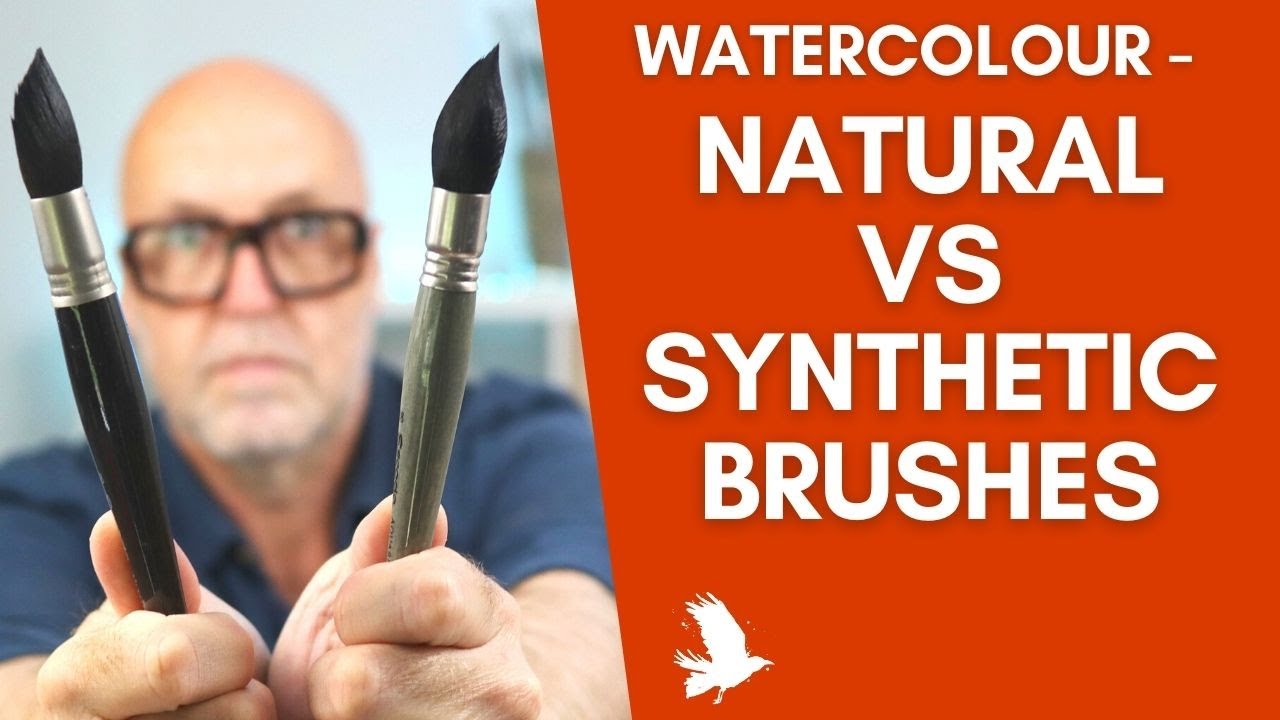
Natural sable brushes excel at holding water. Kolinsky sable maintains moisture longer than any synthetic alternative. The hair’s natural structure creates tiny pockets that trap liquid effectively.
Synthetic taklon fibers struggle with water retention. They release moisture too quickly for smooth watercolor painting techniques. Princeton and Silver Brush Limited have improved their synthetic formulations recently.
Color Release and Blending
Natural hair brushes provide superior paint release control. The organic bristles create seamless color transitions. You get that perfect gradient from dark to light without harsh lines.
Synthetic fibers tend to dump pigment all at once. This makes subtle blending tricky. However, newer polymer formulations from Winsor & Newton show promise for controlled application.
Point Retention and Precision
Sable brushes keep their pointed tips longer. The natural spring in animal hair helps bristles return to shape. Detail work becomes effortless with quality natural brushes.
Modern synthetic brushes lose their points faster. The nylon fibers don’t bounce back like natural hair. But they’re getting better – da Vinci’s new synthetic lines hold points reasonably well.
Oil Painting Performance
Paint Loading Capacity
Natural hog bristles handle thick oil painting applications beautifully. The coarse texture grips paint firmly. Brush loading becomes second nature with natural bristles.
Synthetic brushes for oils need stiffer construction. Rosemary & Co creates excellent synthetic oil brushes. Their polymer fibers mimic natural bristle behavior convincingly.
Brushstroke Textures
Natural bristles create varied texture naturally. Each stroke shows subtle variations that add life to paintings. The irregular surface catches light differently across the canvas.
Synthetic oil brushes produce more uniform marks. Some artists prefer this consistency. Others miss the organic variation that natural bristles provide.
Solvent Resistance
Natural hair withstands turpentine better than expected. Proper cleaning maintains brush integrity for years. Quality natural brushes from Escoda last decades with care.
High-end synthetic brushes resist solvents excellently. They don’t absorb chemicals like natural hair does. This makes cleanup easier and extends brush lifespan.
Acrylic Paint Compatibility
Stiffness Requirements
Acrylic painting demands specific brush stiffness. Synthetic fibers work better here than natural alternatives. The paint’s consistency requires firm bristles that maintain shape.
Natural sable becomes too soft for thick acrylics. The delicate hair can’t push heavy paint effectively. Save your expensive sables for watercolors instead.
Cleanup and Maintenance
Acrylics destroy natural brushes quickly without proper care. The plastic polymers bond permanently to organic fibers. Dick Blick recommends synthetic brushes for acrylic work specifically.
Synthetic brush cleaning becomes straightforward with acrylics. The non-porous fibers release dried paint more easily. Royal & Langnickel synthetics clean up beautifully every time.
Quick-Drying Medium Challenges
Acrylics dry fast on natural hair. This creates permanent damage if you’re not careful. Synthetic fibers give you more working time before paint sets.
Professional artists often use both types strategically. Natural brushes for initial washes, synthetic for final details. Jackson’s Art Supplies stocks both types for this reason.
Mixed Media and Specialty Uses
Gouache and Tempera Applications
These opaque painting mediums work well with either brush type. Natural hair provides smoother application. Synthetic brushes offer better durability for student use.
Cheap Joe’s recommends synthetic brushes for classroom settings. Natural brushes cost too much for frequent replacement in schools.
Texture and Impasto Techniques
Thick paint applications favor synthetic brushes. The sturdy construction handles heavy paint better. Fan brushes work especially well for texture work regardless of material.
Natural bristles can create unique textures too. Their irregular surface adds subtle variation to impasto techniques. Blick Art Materials carries specialty texture brushes in both materials.
Durability and Maintenance Requirements
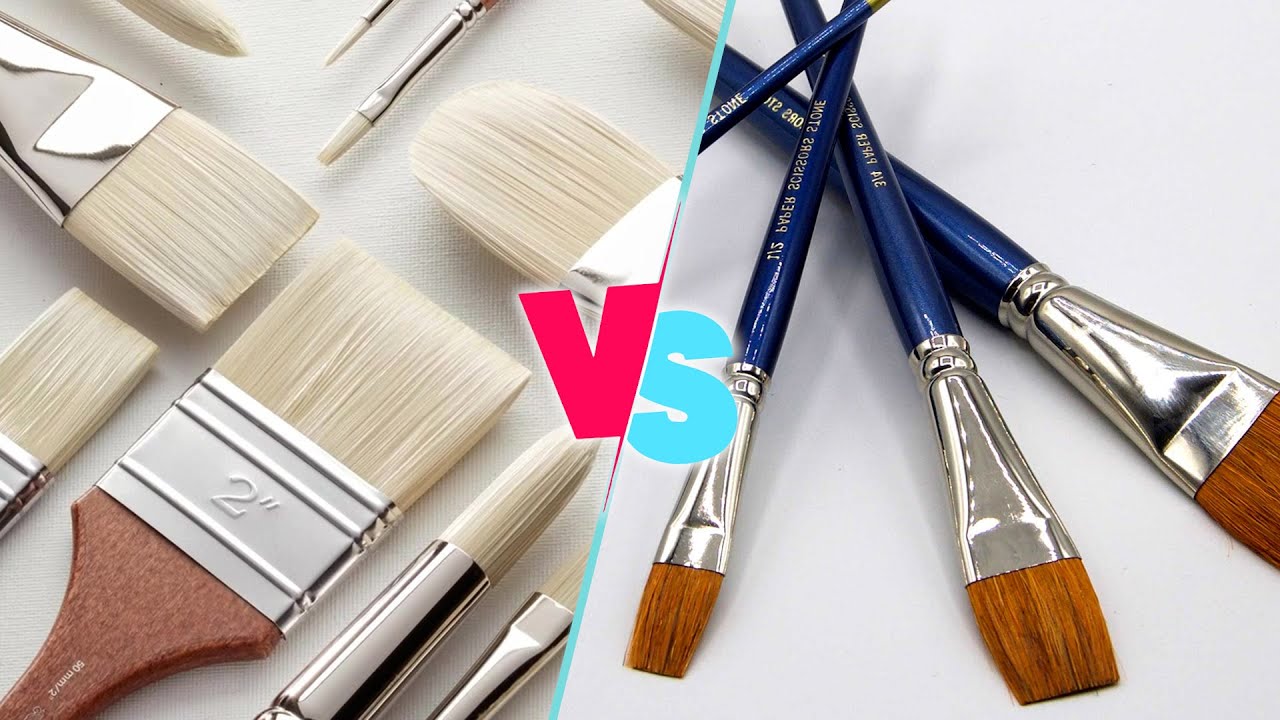
Lifespan Expectations
Natural Brush Longevity Factors
Quality sable brushes last decades with proper care. Isabey brushes from the 1980s still perform beautifully today. The natural hair develops character over time rather than just wearing out.
Cheaper natural brushes fail within months. Animal hair quality varies dramatically between manufacturers. Jerry’s Artarama tests brush quality before stocking new brands.
Synthetic Brush Wear Patterns
Modern synthetic brushes last 2-5 years typically. The polymer fibers gradually lose spring and develop split ends. Brush performance degrades slowly rather than failing suddenly.
Early synthetic brushes lasted only months. New polymer technology extends lifespan significantly. Princeton’s newest synthetic lines match natural brush durability.
Usage Frequency Impact
Daily painting wears down any brush faster. Professional artists replace brushes more frequently than hobbyists. Brush rotation extends overall collection lifespan effectively.
Heavy paint applications stress bristles more. Thick oils and acrylics damage brushes faster than watercolors. Adjust replacement schedules based on your preferred medium.
Cleaning and Care Protocols
Immediate Post-Painting Care
Never leave paint in brushes overnight. This rule applies to both natural and synthetic types. Proper brush care starts immediately after each painting session.
Rinse brushes gently in appropriate solvents. Water for acrylics and watercolors, turpentine for oils. Artist & Craftsman Supply sells proper cleaning products for each medium.
Deep Cleaning Techniques
Natural brushes need gentle soap specifically designed for animal hair. Harsh detergents strip natural oils and damage the cuticle structure. Brush conditioning maintains flexibility and spring.
Synthetic brushes tolerate stronger cleaning agents. You can use regular dish soap safely. The polymer fibers don’t absorb chemicals like natural hair does.
Storage Best Practices
Store brushes horizontally or tip-up only. Hanging tip-down damages the ferrule connection permanently. Brush storage systems protect your investment long-term.
Moths love natural hair brushes. Store them in sealed containers with cedar blocks. Synthetic brushes don’t attract insects but still need protection from dust.
Common Damage Types
Split Ends and Fraying
Natural hair develops split ends like human hair. This happens naturally over time with use. Quality brush maintenance minimizes but can’t prevent this entirely.
Synthetic fibers fray differently than natural hair. The polymer strands break rather than split. Replace synthetic brushes when fraying becomes excessive.
Ferrule Loosening
The metal band holding bristles loosens with temperature changes. Natural expansion and contraction affects both brush types equally. Ferrule maintenance requires occasional tightening.
Cheap brushes use inferior adhesives that fail quickly. Quality manufacturers like Raphael use better bonding agents. The ferrule connection determines overall brush lifespan.
Handle Deterioration
Wooden handles crack and split over time. Moisture from cleaning causes expansion and contraction. Handle quality varies dramatically between manufacturers.
Plastic handles last longer but feel less comfortable. Many artists prefer the natural feel of wood despite durability issues. Curry’s Art Store stocks both handle types.
Cost Analysis and Value Considerations
Initial Purchase Prices
Entry-Level Brush Costs
Student-grade synthetic brushes start around $3-8 each. Brands like Royal & Langnickel offer affordable starter sets. Budget synthetic brushes work fine for beginners learning basic techniques.
Natural hair entry options cost $15-30 per brush. Even cheaper sable brushes outperform expensive synthetics in watercolor work. Dick Blick stocks decent natural brushes for students.
Professional-Grade Pricing
Quality synthetic brushes range from $20-60 each. Princeton and da Vinci command premium prices for advanced polymer technology. Professional synthetic brushes rival natural performance in many applications.
Premium natural brushes cost $50-300+ per brush. Kolinsky sable from Raphael or Winsor & Newton represents serious investment. Top-tier natural brushes can exceed $500 for large sizes.
Specialty Brush Premiums
Specialty shapes add 20-40% to base prices. Fan brushes and liner brushes cost more regardless of material. Brush shapes complexity affects manufacturing costs significantly.
Limited edition or artisan-made brushes command extreme premiums. Escoda’s handmade kolinsky brushes cost double standard versions. Some collectors pay thousands for vintage brushes.
Long-Term Investment Value
Replacement Frequency Calculations
Quality natural brushes last 10-20 years with proper care. Cheap synthetics need replacement every 6-12 months. Brush lifespan calculations favor expensive natural options long-term.
Professional artists replace brushes based on performance degradation. Hobby painters often use brushes until complete failure. Usage patterns dramatically affect replacement schedules.
Performance Degradation Rates
Natural brushes maintain performance longer than synthetics. Sable hair actually improves with use initially. Brush performance peaks after 6-12 months of regular use.
Synthetic brushes lose spring gradually over time. Polymer fibers don’t regenerate like natural hair. Performance decline becomes noticeable after 18-24 months of use.
Cost Per Painting Session
Expensive natural brushes cost less per use over time. A $200 sable brush used 500 times costs $0.40 per session. Cost analysis favors quality brushes for frequent painters.
Cheap brushes create false economy for serious artists. Poor performance wastes paint and time. Jerry’s Artarama recommends investing in quality tools from the start.
Budget Planning Strategies
Starter Kit Recommendations
Begin with 3-4 essential synthetic brushes:
- Round size 6-8 for general work
- Flat size 10-12 for washes
- Small detail brush size 2-4
- One specialty brush for your preferred medium
Add natural brushes gradually as skills develop. Blick Art Materials offers curated starter sets for different mediums.
Gradual Collection Building
Buy one quality brush monthly instead of cheap sets. Focus on sizes you use most frequently. Brush investment strategy builds better collections over time.
Replace your most-used brush first with quality version. Notice the immediate performance improvement. This motivates continued upgrades to natural options.
Priority Brush Selections
Watercolor artists prioritize round sable brushes first. Oil painters need quality flats and filberts. Medium-specific needs determine purchase priorities effectively.
Detail work demands natural hair brushes more than wash techniques. Allocate budget based on your painting style preferences. Artist & Craftsman Supply helps match brushes to techniques.
Environmental and Ethical Factors
Animal Welfare Concerns
Hair Sourcing Practices
Kolinsky sable comes from wild weasels in Siberia. Traditional harvesting methods raise ethical questions about animal treatment. Ethical sourcing information varies widely between manufacturers.
Some companies now use farm-raised animals for brush hair. This provides better quality control and welfare standards. Rosemary & Co documents their sourcing practices transparently.
Ethical Alternatives
Several manufacturers develop cruelty-free natural alternatives. Modified plant fibers show promise for brush applications. Cruelty-free options appeal to environmentally conscious artists.
Hybrid brushes combine synthetic cores with minimal natural hair. This reduces animal product usage while maintaining performance. Princeton leads development in ethical brush technology.
Cruelty-Free Certifications
Look for PETA-approved or Leaping Bunny certifications on brush packaging. These verify no animal testing in product development. Ethical certifications help conscious consumers make informed choices.
Some traditional brush makers resist certification processes. They argue centuries-old methods don’t require modern validation. This creates confusion for ethically-minded artists.
Environmental Impact
Natural Resource Consumption
Natural brush production requires minimal processing energy. Animal hair is essentially a waste product from fur industries. Resource efficiency favors natural materials in production phase.
High-quality natural brushes last decades longer than synthetics. This reduces overall resource consumption despite higher initial costs. Longevity calculations favor natural options environmentally.
Synthetic Material Disposal
Polymer brush fibers don’t biodegrade in landfills. Synthetic brushes create permanent waste when discarded. Environmental disposal concerns grow as synthetic brush usage increases.
Recycling programs for synthetic brushes remain limited. Most end up in general waste streams. Jackson’s Art Supplies explores brush recycling options for customers.
Manufacturing Carbon Footprints
Natural brush assembly requires minimal energy input. Traditional hand-assembly methods use little electricity. Carbon footprint studies favor natural brush production significantly.
Synthetic fiber production involves petroleum-based chemicals and high-temperature processing. This creates substantial carbon emissions per brush. Modern factories work to reduce energy consumption.
Sustainable Options
Recycled Synthetic Materials
Some manufacturers now use recycled plastic bottles for brush handles. Silver Brush Limited leads this sustainability initiative. Recycled materials reduce virgin resource consumption in brush production.
Recycled polymer fibers show promise for brush bristles. Performance currently lags behind virgin materials. Technology improvements may close this gap soon.
Responsibly Sourced Natural Hair
Certified sustainable fur farms provide traceable natural hair. Animals receive proper veterinary care and humane treatment. Sustainable sourcing addresses ethical concerns about natural brushes.
Partnership with fur coat manufacturers provides waste hair streams. This creates value from otherwise discarded materials. Cheap Joe’s works with suppliers using waste streams.
Biodegradable Components
Wooden handles from certified sustainable forests reduce environmental impact. FSC certification ensures responsible forest management. Biodegradable handles decompose naturally when brushes wear out.
Natural bristle portions biodegrade completely in compost. Only metal ferrules require special disposal consideration. Curry’s Art Store promotes biodegradable brush options.
Research continues into plant-based synthetic alternatives. Corn-based polymers show potential for brush applications. Bio-based synthetics could revolutionize sustainable brush manufacturing.
Brand Comparisons and Quality Indicators

Established Natural Hair Manufacturers
Traditional European Brands
Winsor & Newton dominates the professional natural brush market. Their Series 7 kolinsky sables remain the gold standard for watercolorists worldwide. Quality control stays consistent across decades of production.
Raphael from France produces exceptional natural brushes since 1793. Their kolinsky and red sable lines compete directly with Winsor & Newton. Traditional craftsmanship shows in every brush detail.
Escoda from Spain specializes in handmade natural brushes. Each brush receives individual attention during assembly. Their Versatil and Reserva lines offer excellent value for natural hair quality.
Quality Grading Systems
Natural brush grades vary by hair source and processing:
- Kolinsky sable: Premium grade from Siberian weasel tails
- Red sable: High quality from various weasel species
- Ox hair: Durable natural option for larger brushes
- Squirrel hair: Soft natural hair for delicate washes
Isabey uses numbered quality grades for their natural brushes. Higher numbers indicate better hair selection and processing. This system helps artists choose appropriate quality levels.
Artisan Brush Makers
Small specialty makers create custom natural brushes. Handmade brushes offer personalization impossible with mass production. Rosemary & Co builds brushes to individual artist specifications.
These artisan brushes cost significantly more than factory versions. Wait times often extend 6-12 months for custom orders. The personal attention justifies premium pricing for serious professionals.
Leading Synthetic Brush Producers
Innovation Leaders
Princeton leads synthetic brush innovation consistently. Their Velvetouch and Catalyst lines push synthetic performance boundaries. Research partnerships with polymer companies drive continuous improvement.
da Vinci develops advanced synthetic formulations in Germany. Their Nova and Cosmotop lines rival natural brush performance. German engineering shows in precise manufacturing tolerances.
Silver Brush Limited focuses entirely on synthetic brush development. Their Golden Natural and Ruby Satin lines offer specialized synthetic options. This focus creates deep expertise in polymer technology.
Artist Endorsements
Professional artist endorsements validate synthetic brush quality. Pablo Picasso used synthetic brushes later in his career (though early versions). Modern artists increasingly embrace high-quality synthetics.
Winsor & Newton sponsors workshops demonstrating synthetic brush techniques. Artist feedback drives product development decisions. Customer input shapes new product introductions regularly.
Technology Advancements
Modern synthetic fibers mimic natural hair characteristics:
- Flagged tips: Split ends like natural hair
- Variable diameter: Tapered fibers for better paint holding
- Blend ratios: Multiple fiber types in single brushes
- Surface treatments: Chemical modifications for paint adhesion
Royal & Langnickel invests heavily in fiber research. Their Zen and Soft-Grip lines showcase latest developments. Technology improvements appear annually in new product lines.
Quality Assessment Criteria

Bristle Consistency
Quality brushes maintain uniform bristle characteristics throughout. Bristle sorting removes defective hairs during manufacturing. Cheap brushes skip this expensive quality control step.
Natural hair quality varies within single animals. Premium manufacturers select only the finest sections. This selection process significantly increases material costs.
Ferrule Construction
Seamless ferrules indicate quality construction methods. Crimped or soldered joints create weak points that fail over time. Nickel-plated brass resists corrosion better than cheaper metals.
Proper ferrule sizing prevents bristle shedding during use. Loose ferrules allow paint to penetrate and weaken adhesive bonds. Quality control testing catches defective ferrule assembly.
Handle Balance and Comfort
Well-balanced brushes reduce hand fatigue during extended painting sessions. Ergonomic handles distribute weight evenly between ferrule and end. Cheap brushes often feel top-heavy or awkward.
Handle wood selection affects durability and comfort. Birch and beech provide good strength-to-weight ratios. Cheap pine handles split easily under normal use stress.
Practical Selection Guidelines
Beginner Artist Recommendations

Starter Brush Essentials
New artists need versatile brushes that perform multiple functions:
- Round synthetic size 6-8: General painting and detail work
- Flat synthetic size 10-12: Washes and broad strokes
- Small round size 2-4: Fine details and line work
- Filbert size 8-10: Blending and soft edges
Dick Blick offers curated starter sets matching these specifications. Their house brand provides good quality at reasonable prices.
Learning Curve Considerations
Beginners benefit more from forgiving synthetic brushes initially. Natural brushes require technique development to use effectively. Synthetics maintain consistent performance despite improper handling.
Start with acrylic painting using synthetic brushes. This medium forgives mistakes better than oils or watercolors. Progress to other mediums as confidence builds.
Skill Development Priorities
Focus on brush control before investing in expensive natural brushes. Learn proper loading, pressure, and cleaning techniques first. These skills transfer between brush types effectively.
Practice basic techniques with affordable synthetics:
- Flat wash applications
- Graduated color transitions
- Dry brush texturing
- Detail control exercises
Artist & Craftsman Supply provides technique guides with brush purchases.
Professional Artist Needs
Medium-Specific Requirements
Oil painting professionals need brushes that handle thick paint:
- Hog bristle flats: Traditional choice for oils
- Synthetic alternatives: Modern polymer options
- Specialty shapes: Fans, liners, and palette knives
Watercolor professionals require superior water retention:
- Kolinsky sable rounds: Industry standard choice
- Squirrel hair mops: Large wash applications
- Synthetic alternatives: Modern high-performance options
Production Workflow Demands
Professional artists need brushes that maintain performance under heavy use. Brush reliability directly affects income generation. Backup brushes prevent work interruptions.
Multiple brush sets allow continuous work while others dry or get cleaned. Jerry’s Artarama recommends 3x redundancy for essential brush sizes. This prevents production delays.
Client Work Standards
Client expectations demand consistent professional quality results. Brush performance affects final artwork appearance. Investment in quality tools shows in finished pieces.
Documentation of brush types helps recreate specific effects. Brush selection records assist with commission work consistency. Cheap Joe’s provides brush tracking systems for professionals.
Teaching and Educational Settings
Classroom Durability Needs
Educational environments demand abuse-resistant brushes. Students often neglect proper cleaning and storage protocols. Synthetic brushes survive classroom conditions better than natural alternatives.
Replacement costs matter in educational budgets. Durable synthetic brushes cost less to replace than damaged natural brushes. Schools need sustainable brush programs.
Student Skill Levels
Beginning students can’t appreciate natural brush subtleties yet. Synthetic brush consistency helps students learn basic techniques. Advanced students graduate to natural brushes naturally.
Age-appropriate brush sizes prevent frustration:
- Elementary: Larger sizes only (size 8-12)
- Middle school: Medium range (size 4-10)
- High school: Full size range (size 1-14)
Budget Constraints
Educational budgets limit brush quality options. Bulk synthetic purchases provide better value than mixed natural/synthetic sets. Michaels and Hobby Lobby offer educational discounts.
Grant funding sometimes allows natural brush purchases. Apply for arts education grants specifically. Educational funding can upgrade classroom brush quality significantly.
Opus Art Supplies works with schools on budget-friendly solutions. Their educational consultants help match brushes to curriculum needs. Volume discounts make quality brushes more affordable.
FAQ on Natural Vs Synthetic Paintbrushes
Which brush type is better for watercolor painting?
Natural kolinsky sable brushes excel at watercolor work. They hold more water and release paint smoothly for blending.
Winsor & Newton Series 7 remains the professional standard. Synthetic alternatives from Princeton work well for beginners but lack the superior water retention of natural hair.
Do synthetic brushes last longer than natural ones?
Quality natural brushes last decades with proper care. Synthetic brushes typically last 2-5 years before losing spring.
However, synthetics resist damage from harsh cleaning and heavy paint better. Royal & Langnickel synthetics offer good durability for student use and classroom environments.
Are natural brushes worth the extra cost?
For serious artists, yes. Natural brush performance justifies higher prices through superior paint handling and longevity.
A $200 Raphael sable used regularly costs less per painting session than replacing cheap synthetics. Beginners can start with quality synthetics from da Vinci.
What’s the best brush for oil painting?
Natural hog bristles traditionally dominate oil painting. They grip thick paint well and create varied textures.
Modern synthetic alternatives from Escoda and Silver Brush Limited now match natural performance. Choose based on personal preference and budget rather than strict material rules.
Can you use the same brush for different paint types?
Dedicated brushes work better than switching between mediums. Acrylic paint permanently damages natural hair if not cleaned immediately. Dick Blick recommends separate brush sets for oils, acrylics, and watercolors to maximize brush lifespan and performance.
How do you clean natural vs synthetic brushes?
Natural brushes need gentle soap designed for animal hair. Synthetic brushes tolerate regular dish soap and stronger cleaners.
Proper brush cleaning immediately after painting prevents permanent damage. Jerry’s Artarama stocks appropriate cleaners for both brush types and different paint mediums.
Are there ethical concerns with natural brushes?
Traditional kolinsky sable comes from wild animals, raising welfare questions. Some manufacturers now use farm-raised animals or waste fur from other industries.
Rosemary & Co documents their ethical sourcing practices. Many artists choose synthetics for environmental and ethical reasons.
Which brush type is better for beginners?
Synthetic brushes forgive beginner mistakes better than natural alternatives. They maintain consistent performance despite improper handling or cleaning.
Blick Art Materials offers affordable synthetic starter sets. Beginners can upgrade to natural brushes as skills and technique develop over time.
Do professional artists prefer natural or synthetic brushes?
Most professionals use both types strategically. Natural brushes for techniques requiring superior paint handling, synthetics for durability and specific applications.
Artist & Craftsman Supply reports mixed purchases among professional customers. Personal preference and painting style determine individual choices more than material type.
How can you tell a quality brush from a cheap one?
Check bristle consistency, ferrule construction, and handle balance. Quality brushes maintain uniform hair characteristics and seamless metal ferrules.
Cheap brushes shed excessively and feel unbalanced. Isabey and Princeton offer quality examples in both natural and synthetic categories for comparison.
Conclusion
The natural vs synthetic paintbrushes debate ultimately comes down to your specific needs and artistic goals. Both options serve important roles in modern painting practice.
Natural brushes excel in watercolor applications and detailed work requiring superior paint retention. Brands like Escoda and Isabey continue perfecting traditional craftsmanship.
However, synthetic alternatives from Princeton and Silver Brush Limited now challenge natural brush supremacy in many applications.
Budget considerations favor synthetics for beginners and educational settings. Professional artists often maintain collections of both types, choosing brushes based on specific techniques rather than material preference alone.
Environmental consciousness drives many toward synthetic options.
Cruelty-free alternatives address ethical concerns while delivering improved performance each year through polymer technology advances.
Your painting medium matters most. Acrylics work better with synthetics, while watercolors benefit from natural hair characteristics.
Artist & Craftsman Supply and Cheap Joe’s stock both types because professional demand supports this diversity.
Choose based on your artistic priorities, not marketing claims.