Every artist faces this choice: cotton canvas vs linen canvas. The decision affects everything from paint application to long-term durability.
Both materials offer distinct advantages that matter for different artistic goals. Cotton provides affordability and consistent texture, while linen delivers superior strength and professional characteristics.
Understanding these differences helps you make informed choices for your art practice. Canvas selection impacts paint behavior, surface preparation requirements, and final artwork longevity.
This guide examines the key differences between cotton and linen canvases. You’ll learn about physical properties, artistic performance, cost considerations, and project-specific recommendations.
By the end, you’ll know exactly which canvas type suits your:
- Artistic techniques and painting mediums
- Budget and project requirements
- Long-term preservation goals
Physical Properties Comparison
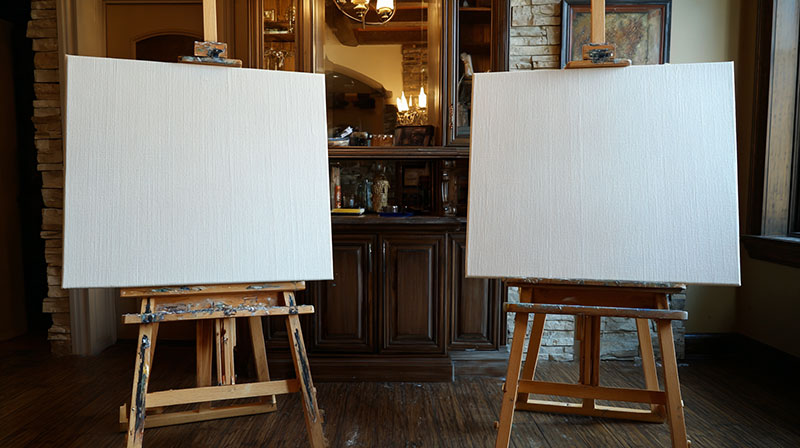
When choosing between cotton and linen canvases, understanding their physical differences helps artists make informed decisions. These materials behave differently under various conditions and affect your painting experience in distinct ways.
Texture and Weave Patterns
Cotton’s Uniform Surface
Cotton canvas offers a smooth, consistent texture that many artists appreciate. The fiber length creates even weave patterns across the entire surface.
This uniformity makes cotton ideal for detailed work. You won’t fight against irregular bumps or texture variations while painting.
Linen’s Character-Rich Finish
Linen presents a more textured, irregular surface due to flax fiber characteristics. The natural variations create visual interest even before you apply paint.
Many professional artists prefer this texture for oil painting techniques. The surface tooth grabs paint effectively and adds organic character to brushstrokes.
Weave Impact on Paint Application
Thread count affects how paint sits on canvas. Cotton typically has more uniform thread spacing, while linen shows natural variations.
These differences influence how your brush moves across the surface. Cotton glides smoothly, linen provides more resistance and feedback.
Durability and Strength
Tensile Strength Comparison
Linen canvas demonstrates superior tensile strength compared to cotton alternatives. Flax fibers are naturally stronger and more resilient to stress.
This strength translates to better dimensional stability over time. Your paintings maintain their shape without sagging or warping.
Resistance to Environmental Factors
Cotton canvas handles humidity changes reasonably well. However, it’s more susceptible to expansion and contraction than linen.
Linen excels in climate resistance. It maintains stability across temperature and humidity fluctuations, making it ideal for archival work.
Long-term Stability on Frames
Stretched linen canvas stays tighter longer. The fiber strength prevents the gradual loosening that cotton sometimes experiences.
Cotton may require re-stretching sooner, especially in varying environmental conditions. This affects maintenance costs over time.
Absorbency and Priming Requirements
Natural Absorption Rates
Unprimed cotton absorbs paint quickly. This can be problematic for oils, which may sink into fibers and cause adhesion issues.
Linen has moderate absorption that works well with proper priming. The fiber structure holds primer effectively without over-absorption.
Ground Preparation Needs
Both materials require priming, but their needs differ slightly. Cotton benefits from multiple gesso coats due to its absorbent nature.
Linen typically needs fewer primer coats. Its surface characteristics work well with standard preparation methods.
Paint Adhesion Characteristics
Properly primed surfaces ensure good paint adhesion regardless of fiber type. However, the underlying material affects how paint layers interact.
Cotton provides excellent adhesion when correctly prepared. Linen offers superior mechanical grip due to its textured surface.
Artistic Performance

The canvas you choose directly impacts your painting process and final results. Different materials respond uniquely to various techniques and mediums.
Paint Application Behavior
Oil Paint Interactions
Linen canvas works exceptionally well with oil painting techniques. The surface texture helps control paint flow and blending.
Cotton handles oils adequately but requires more careful preparation. Proper priming prevents oil absorption that could compromise paint adhesion.
The surface tooth affects brush control. Linen provides more resistance, giving you better feedback during detailed work.
Acrylic Paint Performance
Acrylic painting works well on both surfaces. Cotton’s smooth texture suits precision work and clean edges.
Linen adds character to acrylic applications. The texture shows through thin paint layers, creating interesting visual effects.
Drying times vary slightly between materials. Cotton’s absorption can speed initial drying, while linen maintains working time longer.
Blending and Texture Creation
Surface texture dramatically affects blending capabilities. Cotton allows smooth color transitions without interference from canvas texture.
Linen’s irregular surface adds natural variation to blends. This can enhance atmospheric effects and organic textures.
For impasto techniques, linen provides better support. The stronger fibers handle thick paint applications without distortion.
Color Appearance and Vibrancy
Surface Tone Effects
Canvas color influences paint appearance. Cotton typically appears brighter white, while linen has a natural cream tone.
This underlying color affects how your paint colors appear. Cool blues may look different on warm-toned linen versus neutral cotton.
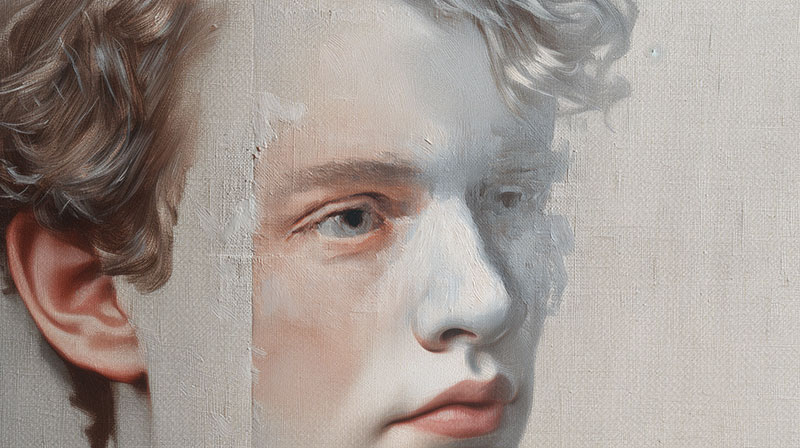
Many artists prefer linen’s warmth for portrait work. The subtle tone complements skin colors naturally.
Light Reflection Properties
Surface texture affects light reflection. Cotton’s smooth surface creates even light distribution across painted areas.
Linen’s irregular texture creates micro-shadows and highlights. This adds depth and richness to painted surfaces even with flat color applications.
The texture becomes part of your artistic toolkit, contributing to the overall visual effect.
Opacity and Transparency Considerations
Paint opacity behaves differently on each surface. Cotton’s uniform texture shows transparent glazes evenly.
Linen’s texture can break up transparent layers slightly. This creates interesting optical effects but may not suit all techniques.
Opaque paint coverage works well on both surfaces. The choice depends more on your desired surface character than coverage ability.
Working Time and Techniques
Drying Time Variations
Canvas type affects paint drying in subtle ways. Cotton’s initial absorption can speed surface drying of acrylics.
Linen maintains moisture longer in some cases. This extends working time for blending and wet-on-wet techniques.
Environmental factors matter more than canvas type for overall drying times. Humidity and temperature have greater impact.
Suitable Painting Methods
Cotton canvas suits precision techniques and detailed work. The smooth surface doesn’t interfere with fine brushwork.
Linen excels with traditional methods like chiaroscuro and sfumato. The surface texture enhances these classical approaches.
Impressionism techniques benefit from linen’s texture. The irregular surface adds energy to loose brushwork.
Correction and Reworking Possibilities
Both materials handle corrections well when properly primed. Cotton’s smooth surface makes scraping easier during wet paint stages.
Linen’s texture complicates scraping slightly but provides better mechanical grip for overpainting. Paint layers bond more securely.
For extensive reworking, consider the surface texture’s impact on your correction methods. Smooth surfaces show corrections less obviously.
Practical Considerations
Understanding the practical aspects of canvas selection helps you make smart purchasing decisions. Cost, availability, and maintenance requirements all impact your art practice.
Cost Analysis
Price Differences Between Materials
Cotton canvas costs significantly less than linen alternatives. The price gap can be substantial, especially for larger sizes.
Budget-conscious artists often start with cotton. Professional-grade cotton still delivers good results at reasonable prices.
Value for Money Assessments
Linen’s higher cost reflects superior durability and performance. You’re paying for archival quality and professional characteristics.
Cost per square foot varies dramatically between grades. Student-grade cotton might cost $2-4 per square foot, while premium linen reaches $15-25.
Consider your project’s importance when evaluating cost. Practice work doesn’t require premium materials.
Budget-Friendly Options
Cotton canvas offers excellent value for learning and experimentation. The savings allow you to practice more frequently.
Canvas boards provide cheapest entry points for both materials. They work well for studies and color experiments.
Buying canvas rolls saves money on larger works. You can stretch your own at significant cost savings.
Availability and Sizing Options
Standard Sizes and Custom Orders
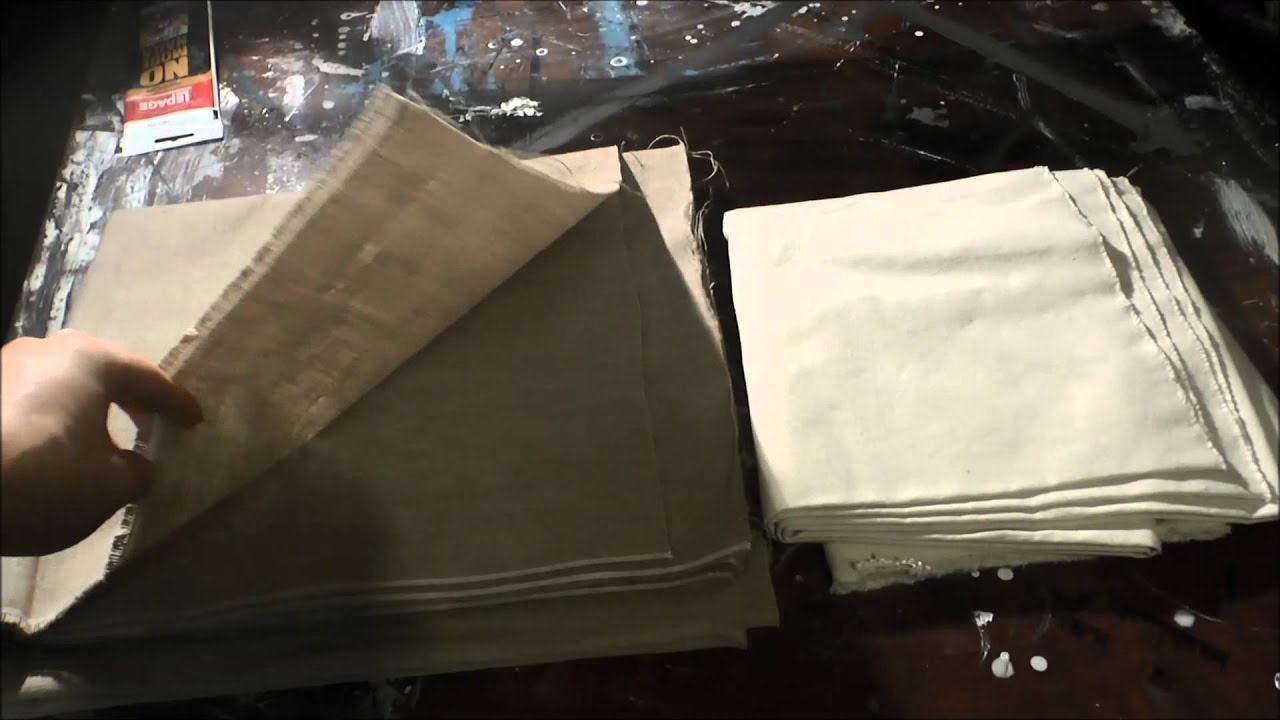
Cotton canvas comes in more standard sizes than linen. Most art suppliers stock common cotton dimensions regularly.
Linen availability varies by region. Specialty suppliers may require advance orders for specific sizes.
Custom stretching services work with both materials. Lead times for linen custom orders typically run longer.
Pre-stretched vs Roll Canvas
Pre-stretched cotton canvases offer convenience but cost more. The stretching quality varies between manufacturers.
Canvas rolls provide flexibility and better value. You control the stretching process and can create any size needed.
Professional artists often prefer rolls for large-scale work. The shipping costs stay reasonable regardless of finished size.
Where to Source Quality Materials
Art supply stores carry both materials in various grades. Online retailers often offer better selection and pricing.
Specialty canvas suppliers provide highest quality options. They often sell directly to artists at wholesale prices.
Local framing shops sometimes sell canvas by the yard. This works well for small quantities and custom sizes.
Storage and Handling
Climate Sensitivity Differences
Cotton canvas responds more dramatically to humidity changes. High moisture levels can cause noticeable expansion.
Linen maintains better dimensional stability across weather conditions. This makes it ideal for varying climates.
Both materials benefit from consistent storage conditions. Avoid extreme temperature and humidity fluctuations.
Proper Storage Methods
Store rolled canvas with the painted side out to prevent cracking. Use acid-free tubes for long-term storage.
Flat storage works best for finished pieces. Keep them separated with glassine or acid-free tissue paper.
Avoid basement or attic storage where conditions fluctuate. Climate-controlled spaces protect your investment.
Transportation Considerations
Stretched canvases require careful handling during transport. Cotton stretches forgive minor bumps better than tight linen.
Rolling finished work risks permanent damage to paint layers. Plan transportation needs before starting large pieces.
Professional shipping services understand art handling requirements. They provide proper protection for valuable works.
Project-Specific Recommendations

Choosing the right canvas depends on your specific artistic goals. Different projects benefit from different material characteristics.
Best Uses for Cotton Canvas
Beginning Artist Projects
Cotton canvas provides forgiving characteristics for learning. Mistakes cost less and corrections work easily on the smooth surface.
Practice sessions benefit from cotton’s affordability. You can experiment freely without worrying about material costs.
The uniform texture doesn’t interfere with skill development. Focus stays on technique rather than fighting canvas irregularities.
Studies and Practice Work
Color studies work excellently on cotton surfaces. The neutral tone doesn’t bias color relationships during learning.
Compositional sketches develop well on small cotton boards. Quick studies help plan larger, more important works.
Value studies benefit from cotton’s even surface. Value gradations appear smooth and predictable.
Specific Techniques That Benefit From Cotton
Photorealism techniques require smooth surfaces for precise detail work. Cotton’s uniform texture supports this demanding style.
Hard-edge painting benefits from cotton’s consistency. Clean lines develop easier without texture interference.
Minimalism often requires perfect surface uniformity. Cotton provides the neutral background these works demand.
When to Choose Linen Canvas
Professional and Archival Work
Museum-quality pieces demand linen’s superior longevity. The material’s archival properties protect artistic investments.
Commission work justifies linen’s cost. Clients expect professional materials for permanent installations.
Gallery exhibitions often require archival standards. Linen canvas meets these professional expectations consistently.
Large-Scale Paintings
Linen’s strength prevents sagging in large formats. The material maintains tension better than cotton alternatives.
Dimensional stability becomes critical as size increases. Linen handles structural stress without distorting composition.
Shipping large works requires durable support. Linen withstands handling stress that might damage cotton pieces.
Traditional Oil Painting Techniques
Classical oil painting methods evolved with linen canvas. The material supports traditional approaches perfectly.
Realism and baroque styles benefit from linen’s organic texture. The surface enhances brushwork character naturally.
Impressionism techniques gain energy from linen’s irregular surface. Broken color applications look more dynamic.
Mixed Media and Alternative Applications
Collage and Mixed Media Compatibility
Both canvas types accept mixed media applications well when properly prepared. Surface texture affects adhesion differently.
Cotton’s smooth surface suits precise collage placement. Elements lay flat without texture interference.
Linen adds character to mixed media pieces. The texture becomes part of the artistic vocabulary.
Printmaking Applications
Canvas accepts various printmaking techniques. Intaglio and relief printing work on both materials.
Surface preparation requirements vary between printing methods. Smooth cotton often works better for fine detail printing.
Monotype techniques benefit from either surface depending on desired effects. Experiment to find your preference.
Digital Art Printing Considerations
Cotton canvas accepts digital prints well with proper coating. The smooth surface shows fine details clearly.
Linen canvas printing requires specialized equipment and techniques. The texture can interfere with print quality.
Archival inkjet printing works on both surfaces. Choose based on final display requirements and longevity needs.
Preparation and Maintenance

Proper canvas preparation determines your painting’s longevity and performance. Both cotton and linen require specific steps for optimal results.
Priming Different Canvas Types
Gesso Application Techniques
Gesso serves as the foundation for all painting surfaces. Apply thin, even coats with a wide brush or roller.
Cotton absorbs primer quickly and typically needs 2-3 coats. Allow each layer to dry completely before applying the next.
Cross-hatching brush strokes between coats creates better coverage. The first coat goes horizontally, the second vertically.
Multiple Coat Requirements
Linen usually requires fewer primer coats than cotton. Two quality coats often provide adequate coverage and tooth.
Heavy-weight canvases need more attention at the edges. Extra primer prevents paint from seeping into unprotected fibers.
Sand lightly between coats with fine-grit sandpaper. This removes brush marks and creates smooth transitions.
Specialized Primers for Each Material
Oil-based primers work excellently on linen canvas. They penetrate the fibers deeply and create strong bonds.
Acrylic primers suit both materials but cotton benefits more from multiple applications. The quick-drying formula speeds preparation time.
Lead white primer provides traditional results for classical techniques. Use proper ventilation and safety equipment when applying.
Stretching and Mounting
Proper Stretching Techniques
Start stretching from the center of each side. Work outward systematically to maintain even tension.
Linen requires more careful handling during stretching. The irregular fibers can tear if pulled too aggressively.
Use canvas pliers for consistent tension. Hand-stretching rarely achieves professional results, especially with linen.
Frame Considerations
Choose kiln-dried wood for stretcher bars. Green wood warps and distorts canvas over time.
Cross-braces become necessary on canvases larger than 24×30 inches. They prevent frame flexing that loosens canvas.
Beveled stretcher edges prevent ridges from showing through paint layers. The angled edge creates space between canvas and wood.
Avoiding Common Mistakes
Never stretch damp canvas. Wet fibers shrink dramatically as they dry, often causing tears.
Over-tightening causes problems with both materials. Canvas should feel firm but not drum-tight.
Staple placement affects canvas life. Position staples on the back edge of stretchers, not the sides.
Long-term Care

Cleaning Methods for Finished Works
Dust removal requires gentle techniques. Use soft brushes or museum-quality vacuum attachments.
Never use water or solvents on finished paintings without professional guidance. These can damage paint layers permanently.
Professional conservation cleaning costs less than restoration. Regular maintenance prevents major problems.
Environmental Protection
Temperature fluctuations stress canvas fibers. Maintain consistent conditions between 65-70°F when possible.
Humidity control prevents dimensional changes. Keep relative humidity between 45-55% for optimal stability.
Direct sunlight fades colors and weakens fibers. Position artwork away from windows or use UV-filtering glass.
Restoration Considerations
Linen canvas typically accepts restoration better than cotton. The stronger fibers handle conservation treatments more successfully.
Document condition changes with photographs. Early intervention prevents minor issues from becoming major problems.
Choose conservators experienced with your canvas type. Different materials require specialized knowledge and techniques.
FAQ on Cotton Canvas Vs Linen Canvas
Which canvas is better for beginners?
Cotton canvas works better for beginners due to its affordable price and forgiving surface. The smooth texture doesn’t interfere with learning basic techniques, and mistakes cost less to make. Cotton allows frequent practice without budget strain.
Is linen canvas worth the extra cost?
Linen justifies higher costs for professional work and archival pieces. Superior durability, dimensional stability, and surface character make it ideal for important paintings. For practice work, cotton provides better value.
Which canvas type absorbs paint more?
Cotton absorbs paint faster than linen, requiring more careful priming. Linen has moderate absorption that works well with proper ground preparation. Both need adequate primer coats to prevent oil penetration into fibers.
How do texture differences affect painting?
Cotton offers uniform, smooth texture ideal for detailed work and photorealistic techniques. Linen provides irregular surface character that enhances brushwork and adds organic quality to paint applications, especially in expressionism styles.
Which canvas lasts longer?
Linen demonstrates superior longevity due to stronger flax fibers and better dimensional stability. Cotton canvas degrades faster over time, especially in varying environmental conditions. Museum-quality work typically uses linen for archival properties.
Can you use acrylic paint on both canvas types?
Both canvases accept acrylic painting excellently when properly primed. Cotton works well for precision acrylic techniques, while linen adds texture character. Proper gesso preparation ensures good paint adhesion on either surface.
Which canvas stretches tighter?
Linen maintains tension better than cotton due to stronger fiber structure. Cotton may loosen over time, especially in humid conditions. Linen’s dimensional stability keeps paintings properly stretched longer without requiring adjustments.
How do storage requirements differ?
Both materials need climate-controlled storage to prevent damage. Cotton responds more dramatically to humidity changes, while linen maintains better stability. Proper storage conditions matter more than canvas type for long-term preservation.
Which surface works better for oil painting?
Linen excels for traditional oil painting techniques due to its texture and absorbency characteristics. Cotton works adequately for oils with proper preparation but lacks linen’s professional surface qualities and historical precedent.
Should canvas weight influence material choice?
Canvas weight affects both materials equally. Heavy-weight versions provide better stability and durability regardless of fiber type. Choose weight based on painting size and technique requirements rather than cotton versus linen considerations.
Conclusion
The cotton canvas vs linen canvas decision ultimately depends on your artistic goals and budget. Both materials offer distinct advantages for different painting applications and skill levels.
Cotton provides excellent value for practice work, studies, and budget-conscious artists. Its smooth surface supports detailed techniques like hyperrealism and precision work requiring minimal texture interference.
Linen justifies higher costs through superior durability and professional characteristics.
The material’s strength and dimensional stability make it ideal for commissioned work, gallery pieces, and archival paintings meant to last generations.
Consider your painting style when choosing materials. Impressionism and abstract techniques benefit from linen’s organic texture, while photorealism often requires cotton’s uniformity.
Surface preparation matters more than canvas type for paint adhesion and longevity. Proper priming ensures good results regardless of your material choice, though each requires slightly different approaches for optimal performance.