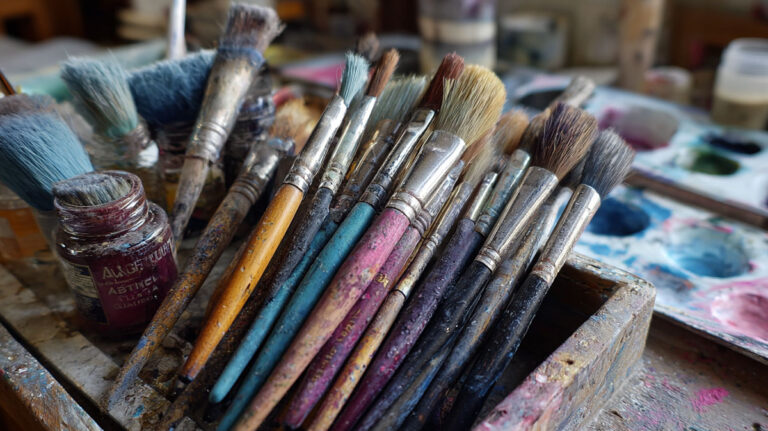
Picture a master painter creating intricate details on a portrait, their hand impossibly steady despite working for hours.
The secret behind this precision lies in a simple yet essential tool that has supported artists for centuries.
What is a mahl stick exactly? This traditional artist support tool serves as a bridge between your hand and canvas, providing the stability needed for detailed brushwork.
Professional painters and hobbyists alike rely on this painting aid to prevent smudging and reduce hand fatigue.
Whether you’re struggling with shaky lines or want to improve your painting technique, understanding mahl stick fundamentals can transform your artistic practice.
This guide covers everything from basic construction and proper usage to selection criteria and maintenance tips.
You’ll discover why fine art equipment like mahl sticks remains relevant in modern studios and how to choose the right version for your specific painting needs.
Physical Components and Design

Construction Materials
Traditional artist support tools combine simplicity with functionality. Most mahl sticks feature wooden handles made from lightweight materials like bamboo or hardwood.
The choice of handle material affects the tool’s balance and comfort during extended painting sessions. Bamboo offers excellent weight distribution. Hardwood provides durability for professional studio use.
Handle Variations
- Wood: Classic choice used in art education for centuries
- Bamboo: Lightweight option preferred by many contemporary artists
- Aluminum: Modern telescoping versions for portable painting setups
Tip Design Features
The business end of this painting precision tool determines its effectiveness. Traditional leather balls remain the most common tip material.
Cork tips offer a middle ground between softness and durability. Rubber alternatives work well for artists using acrylic painting techniques.
Tip Material Comparison
- Leather balls: Traditional choice, gentle on wet paint
- Cork: Balanced firmness for various painting mediums
- Rubber: Easy to clean, works with modern paint formulations
Weight Distribution and Balance
Professional artist equipment requires careful engineering. The stick’s weight should feel natural in your non-painting hand.
Balance points typically fall about one-third from the handle end. This distribution reduces fatigue during detailed brushwork sessions.
Poor balance creates hand strain. Quality mahl sticks distribute weight evenly across their length.
Ergonomic Considerations
Length affects both reach and leverage. Shorter sticks suit tabletop work. Longer versions accommodate easel painting.
The grip area should feel comfortable without being too thick. Most artists prefer a diameter similar to a standard paintbrush handle.
Design Specifications
Standard lengths range from 24 to 36 inches. Art studio equipment manufacturers offer adjustable options.
Fixed-length sticks cost less but limit versatility. Telescoping models accommodate different canvas sizes and working distances.
Professional artists often own multiple lengths. Different painting scales require different stick dimensions.
Types of Mahl Sticks

Traditional Wooden Sticks
Classic painting tools follow designs unchanged for centuries. Master artists during the Renaissance period used similar constructions.
Traditional sticks feature solid wood construction with leather-wrapped tips. These remain popular in formal art instruction settings.
Handmade Versus Commercial Options
Artist-made versions allow customization for specific needs. Commercial products offer consistency and reliability.
Many painters create their own sticks using dowels and fabric scraps. This approach costs less than purchasing professional tools.
Modern Alternatives
Contemporary artist studio equipment includes innovative designs. Telescoping metal versions solve storage problems.
Aluminum construction reduces weight while maintaining strength. These work particularly well for watercolor painting outdoors.
Bridge-Style Supports
Some artists prefer bridge designs over traditional stick formats. These rest directly on the canvas or easel ledge.
Bridge supports provide more stability for detailed work. They work best with smaller canvas sizes.
Specialized Ergonomic Designs
Modern manufacturers address repetitive strain issues. Padded grips reduce hand fatigue.
Curved handles follow natural hand positions. These innovations help artists with arthritis or joint problems.
DIY and Improvised Options
Creative artist tool solutions exist everywhere. Dowel rods from hardware stores work perfectly.
Many art students start with improvised versions. A yardstick with cloth wrapped around one end serves the same purpose.
Common Household Alternatives
- Wooden rulers with padding
- Garden stakes with fabric tips
- Craft dowels wrapped in felt
- Pool cues (though usually too heavy)
Artist-Made Solutions
Professional painting tools don’t always require professional manufacturing. Experienced artists often prefer their custom versions.
Personal modifications address individual needs. Height, painting style, and preferred painting mediums influence design choices.
Specialized Applications
Different art styles require different support approaches. Oil painting typically uses longer sticks due to wet paint concerns.
Fine art equipment varies by medium and technique. Portrait painters often prefer shorter, more maneuverable options.
Landscape artists working en plein air need portable, lightweight versions. Studio artists can choose heavier, more stable designs.
Medium-Specific Considerations
Oil painters require maximum wet paint protection. Watercolorists need lighter tools that won’t disturb delicate washes.
Traditional painting methods influence tool selection. Modern acrylics dry quickly, reducing smudging concerns.
Each painting approach benefits from matched equipment choices. The right mahl stick becomes an extension of the artist’s natural movements.
Proper Usage Techniques

Basic Positioning
Hand stabilizer placement determines effectiveness. Hold the mahl stick with your non-dominant hand at the midpoint or grip end.
Rest the padded tip against a dry area of your canvas or easel edge. Never place it on wet paint areas.
Correct Hand Placement
Your grip should feel natural and relaxed. Avoid squeezing too tightly, which creates tension up your arm.
Position fingers around the stick like holding a large pencil. This allows micro-adjustments during detailed work.
Canvas Contact Points
- Dry paint areas only
- Canvas edges or stretcher bars
- Easel ledge or support arms
- Palette edge (for tabletop work)
Movement and Control
Brush control improves dramatically with proper mahl stick technique. The stick acts as a fulcrum for precise movements.
Move the stick frequently as you paint different areas. Don’t try to reach too far from your support point.
Maintaining Steady Support
Keep light pressure against the canvas. Too much force can damage wet paint or shift your easel.
The stick should glide smoothly as you reposition. Practice moving it without looking away from your work.
Coordinating Both Hands
Your support hand works independently from your painting hand. This coordination takes practice to master.
Start with simple exercises. Draw straight lines while maintaining mahl stick contact.
Angle and Pressure Considerations
Painting precision tool effectiveness depends on proper angles. Hold the stick roughly parallel to your canvas surface.
Steep angles reduce stability. Shallow angles can interfere with brush movements.
Optimal Positioning Angles
The stick should create a bridge between your hand and canvas. Aim for 15-30 degree angles from horizontal.
Adjust based on your working distance. Closer work requires steeper angles.
Medium-Specific Applications
Different painting mediums require adapted techniques. Oil painting demands extra caution around wet areas.
Watercolor painting allows lighter contact since washes dry quickly. Acrylic painting falls between these extremes.
Oil Painting Techniques
Wet paint stays workable for hours or days. Constantly check for safe contact points.
Use longer sticks to maintain distance from your work. This prevents accidental smudging.
Watercolor Adaptations
Paper surfaces handle mahl stick contact better than canvas. Still avoid wet wash areas.
Lighter pressure works best with delicate watercolor papers. Heavy-handed approaches can create indentations.
Benefits for Artists

Hand and Arm Stability
Artist support tool usage reduces natural hand tremors. Even slight shakes become noticeable in detailed work.
The mahl stick creates a steady reference point. Your painting hand can make precise movements against this stable base.
Reducing Tremors and Shakes
Coffee, stress, and fatigue all increase hand tremors. A mahl stick compensates for these issues.
Professional portrait painters rely on this stability for facial details. Eye highlights and lip contour require absolute precision.
Precision in Detailed Work
Fine detail work becomes significantly easier with proper support. Miniature paintings and botanical illustrations benefit most.
The stick allows controlled pressure variations. You can create delicate line work without worry.
Fatigue Reduction
Extended painting sessions stress your arm and shoulder muscles. The mahl stick distributes this load.
Your non-painting arm shares the stabilization work. This prevents the cramping common in long studio sessions.
Long Session Comfort
Art studio equipment should reduce physical strain. Professional artists often paint for 6-8 hours daily.
Proper mahl stick use prevents the shoulder tension that develops from unsupported arm positions. Your painting posture improves automatically.
Paint Protection
Wet paint protection ranks among the top mahl stick benefits. Accidental sleeve contact ruins hours of work.
Oil painters face the greatest smudging risks. Fresh paint stays workable, making it vulnerable to contact damage.
Preventing Smudging
Your clothing and arms stay clear of the painting surface. This prevents both paint damage and clothing stains.
Traditional painting methods emphasized this protection. Master artists never risked destroying detailed work through careless contact.
Maintaining Clean Work Surfaces
Clean palette areas stay organized longer. You’re less likely to drag your sleeve through paint mixtures.
Studio cleanup becomes easier when paint stays where intended. Less waste means better material economy.
Improved Technique
Brush stroke accuracy improves measurably with mahl stick support. Every movement becomes more intentional.
The stick enables value control through consistent pressure. Smooth gradations become achievable.
Better Line Control
Precision painting tool use shows immediate results in line quality. Curved lines flow more smoothly.
Directional lines in composition require steady execution. The mahl stick makes this control possible.
Consistent Brush Pressure
Pressure variations create uneven paint application. The stick provides reference feedback for consistent touch.
Professional painting tools help maintain standards across large works. Consistency becomes easier to achieve.
Enhanced Detail Capability
Facial features, architectural elements, and botanical details demand steady hands. The mahl stick enables work at higher magnification levels.
Fine art equipment separates amateur from professional results. Details make or break realistic paintings.
Professional Advantages
Artist technique mastery includes proper tool usage. Art schools teach mahl stick fundamentals for good reason.
Gallery-quality work requires consistent execution. Every mark should appear intentional and controlled.
Portfolio Quality Improvement
Professional portfolios demand technical excellence. Shaky lines and smudged details reveal amateur status.
Traditional art education emphasized these supporting tools. Modern artists rediscover their importance through trial and error.
When to Use a Mahl Stick

Specific Painting Situations
Detailed portrait work demands absolute precision. Facial features require steady hands for realistic results.
Eye details, lip curves, and skin texture show every tremor. Professional portrait artists consider mahl sticks essential equipment.
Fine Line Creation
Precision painting tool use becomes critical for architectural subjects. Building edges and mechanical elements need perfect straightness.
Botanical illustrations require delicate line work. Leaf veins and flower details benefit from supported brush control.
Intricate Pattern Painting
Decorative work and ornamental designs challenge even experienced artists. Repeated motifs must maintain consistency.
Traditional painting methods often featured complex patterns. Historical accuracy depends on precise execution.
Physical Considerations
Hand tremor management represents the primary medical application. Age-related shakiness affects many senior artists.
Essential tremor conditions make unsupported painting nearly impossible. The mahl stick provides necessary stability.
Arthritis and Joint Pain Relief
Arthritic hands struggle with extended brush control. Artist support tool usage reduces joint stress.
Rheumatoid arthritis particularly benefits from external support. The stick bears weight your joints cannot handle.
Age-Related Stability Issues
Natural aging affects fine motor control. What once felt effortless becomes challenging.
Professional painting tools help maintain artistic careers longer. Many artists discover mahl sticks later in life.
Painting Scale and Format
Large canvas work creates distance challenges. Your arm extends beyond comfortable reach zones.
Mural painters and large-scale artists rely on extended support. The stick bridges awkward working distances.
Vertical Surface Painting
Wall murals and standing easel work strain shoulder muscles. Gravity pulls your arm downward during extended sessions.
Art studio equipment should counteract these forces. Proper support prevents fatigue-related mistakes.
Easel Positioning Factors
High easel positions require upward arm angles. This creates instability without additional support.
Studio painting gear adapts to various working heights. Adjustable sticks accommodate different setups.
Selecting the Right Mahl Stick

Size and Length Considerations
Artist height directly affects optimal stick length. Taller painters need longer reaches.
Standard 24-inch sticks suit most tabletop work. Easel painting typically requires 30-36 inch lengths.
Artist Reach and Canvas Distance
Your natural arm extension determines minimum stick length. Add 6-8 inches for comfortable positioning.
Painting workspace layout influences size choices. Cramped studios may limit stick options.
Typical Canvas Sizes
- Small works (8×10 to 16×20): 24-inch sticks
- Medium paintings (18×24 to 24×36): 30-inch sticks
- Large canvases (30×40+): 36-inch or adjustable sticks
Material Preferences
Weight considerations affect comfort during long sessions. Heavier sticks provide more stability but increase fatigue.
Aluminum offers the best strength-to-weight ratio. Traditional wood provides familiar feel and balance.
Durability Requirements
Professional artists need tools that withstand daily use. Art supply essential items should last years.
Student-grade options cost less but may require frequent replacement. Investment in quality pays long-term dividends.
Budget Constraints
- Economy: DIY options under $10
- Mid-range: Commercial wooden sticks $15-30
- Premium: Adjustable aluminum models $40-80
Feature Priorities
Adjustability needs vary by painting style. Versatile artists benefit from telescoping designs.
Single-medium painters often prefer fixed-length simplicity. Less complexity means fewer failure points.
Portability Requirements
En plein air painting demands compact, lightweight equipment. Telescoping sticks solve transport challenges.
Studio painting gear can prioritize stability over portability. Heavier, longer sticks work fine in fixed locations.
Maintenance Considerations
Simple wooden sticks require minimal upkeep. Clean the tip periodically and store properly.
Professional painting tools with moving parts need regular attention. Telescoping mechanisms can jam without care.
Specialized Requirements
Different painting styles create unique support needs. Impressionism techniques require different tools than photorealism.
Abstract painters may need minimal support. Realistic artists often require maximum stability.
Medium-Specific Features
Oil painters need tips that won’t absorb solvents. Watercolorists prefer lightweight, non-absorbent materials.
Traditional art education teaches medium-appropriate tool selection. Each technique benefits from matched equipment.
Testing and Trial
Artist tool selection often requires hands-on testing. Art supply stores usually allow handling before purchase.
Try different weights and lengths in painting position. What feels comfortable standing may differ from sitting work.
Comfort Assessment
Grip diameter should match your hand size. Too thick creates cramping; too thin lacks control.
Painting comfort device effectiveness shows immediately during use. Trust your initial comfort impressions.
Long-Term Suitability
Consider your painting goals and physical changes. Young artists may develop different needs over time.
Art technique mastery evolves with experience. Your stick requirements may change as skills develop.
Care and Maintenance

Cleaning Methods
Paint removal from mahl stick tips requires gentle techniques. Dried paint damages leather and cork surfaces permanently.
Clean immediately after each painting session. Fresh paint removes easily with appropriate solvents.
Paint Removal Techniques
- Oil paint: Mineral spirits or turpentine on cloth
- Acrylic paint: Warm water while still wet
- Watercolor: Damp cloth, gentle pressure only
Tip Replacement Procedures
Worn tips compromise artist support tool effectiveness. Most commercial sticks allow easy tip replacement.
Remove old adhesive completely before installing new tips. Poor attachment creates instability during use.
Handle Care and Protection
Traditional painting aid handles require regular inspection. Wood can crack from temperature changes and humidity.
Oil wooden handles annually to prevent splitting. Light furniture oil works perfectly for this purpose.
Wood Treatment Options
- Linseed oil: Matches traditional oil painting materials
- Tung oil: Provides durable, water-resistant finish
- Beeswax: Creates smooth, grippy surface texture
Storage Solutions
Art studio equipment organization extends tool life significantly. Improper storage causes warping and damage.
Store sticks horizontally in dedicated racks. Vertical storage can bend lighter materials over time.
Proper Storage Positioning
Wall-mounted clips work well for frequently used sticks. Drawer storage protects tips from workshop debris.
Studio organization should prioritize easy access. Daily-use tools need convenient placement.
Travel Considerations
Telescoping sticks solve transport challenges for en plein air painting. Protective tubes prevent damage during transport.
Portable painting equipment requires careful packing. Tips are particularly vulnerable to crushing.
Replacement and Repair
Professional painting tools justify repair costs over replacement. Simple fixes extend usable life significantly.
Loose tips can be re-glued with appropriate adhesives. Handle cracks often accept wood glue repairs.
When to Replace Components
- Tips: When hardened, cracked, or lost
- Handles: When bent beyond repair
- Telescoping mechanisms: When they won’t hold position
Simple Repair Techniques
Electrical tape temporarily fixes minor handle cracks. This buys time for proper wood glue repairs.
Artist tool maintenance prevents expensive replacements. Regular inspection catches problems early.
Common Mistakes and Solutions
Usage Errors
Incorrect positioning creates more problems than solutions. Many beginners hold sticks too close to the tip.
Proper grip placement provides better leverage and control. Practice finding your optimal hand position.
Incorrect Positioning Problems
Too much pressure against canvas damages wet paint layers. Light contact provides adequate support.
Brush control suffers when stick placement fights natural hand movements. Adjust position frequently during work.
Excessive Pressure Issues
Heavy-handed stick use can shift easels or damage canvas. The tool should float lightly against surfaces.
Painting precision tool effectiveness comes from stability, not force. Gentle contact works better than firm pressure.
Poor Coordination Habits
Fighting between your two hands creates tension and fatigue. Hand stabilizer use should feel natural.
Practice simple exercises before attempting complex paintings. Muscle memory develops through repetition.
Selection Mistakes
Wrong size choices frustrate artists and discourage proper technique development. Match stick length to working distance.
Beginners often choose sticks too short for their setup. This forces awkward working positions.
Inappropriate Materials
Heavy sticks cause arm fatigue during extended sessions. Artist equipment should reduce strain, not increase it.
Ultra-cheap options often fail during critical painting moments. Quality matters for dependable tools.
Feature Mismatches
Telescoping sticks add complexity some artists don’t need. Traditional art tool simplicity often works best.
Fixed-length options cost less and offer fewer failure points. Match features to actual usage patterns.
Maintenance Oversights
Neglected cleaning ruins expensive stick tips permanently. Paint buildup makes tools unusable.
Weekly cleaning prevents major problems. Art supply essential maintenance takes minimal time.
Improper Storage
Garage storage exposes tools to temperature extremes. Studio painting gear needs stable conditions.
Basement humidity warps wooden handles. Climate-controlled storage preserves tool investments.
Delayed Replacements
Worn tips compromise painting accuracy. Replace components before they affect work quality.
False economy in repairs costs more long-term. Professional artist tool maintenance prevents bigger problems.
Learning Curve Solutions
Art instruction rarely covers mahl stick technique thoroughly. Self-taught artists miss important basics.
Online tutorials help fill knowledge gaps. Practice basic positioning before attempting complex work.
Technique Development
Start with simple exercises using the stick. Fine art equipment mastery requires dedicated practice.
Coordination improves gradually over weeks of use. Don’t expect immediate comfort with new tools.
Building Confidence
Artist technique development includes tool familiarity. Confidence grows through successful experiences.
Begin with less critical painting areas. Save important details until stick use becomes automatic.
Professional Artist Perspectives
Traditional Techniques
Classical training methods emphasize mahl stick fundamentals from early instruction. Academic art schools taught proper tool usage alongside basic drawing skills.
Master artists during the Renaissance period relied heavily on hand support tools. Their detailed works would be impossible without steady positioning aids.
Master Artist Approaches
Leonardo da Vinci documented mahl stick techniques in his studio notes. Rembrandt van Rijn used extended support for his intricate portrait details.
Traditional painting methods passed down through apprenticeship systems. Students learned tool usage through direct observation and practice.
Academic Instruction Standards
Formal art education included mandatory mahl stick training. Art instruction emphasized proper positioning before advanced technique development.
Students practiced basic exercises with support tools. Coordination skills developed through structured practice sessions.
Contemporary Applications
Modern artist adaptations include ergonomic improvements and material innovations. Today’s artists benefit from centuries of tool refinement.
Professional painters still rely on fundamental mahl stick principles. Technology hasn’t replaced the need for steady hand support.
Digital Art Crossover Uses
Tablet artists adapt mahl stick concepts for digital painting. Artist support tool principles transfer to stylus control.
Graphics tablets benefit from physical hand stabilization. Some digital artists use modified sticks for precision work.
Mixed Media Integration
Contemporary fine art equipment accommodates various painting mediums simultaneously. Artists working across multiple techniques need versatile support tools.
Mixed media approaches require adaptable positioning aids. Traditional sticks work with experimental materials and surfaces.
Teaching and Learning
Art school instruction varies widely in mahl stick coverage. Some programs emphasize traditional techniques while others skip tool instruction entirely.
Many students discover stick benefits accidentally during advanced projects. Professional painting tools aren’t always introduced systematically.
Workshop Demonstrations
Master class instructors often demonstrate proper mahl stick technique. Traditional art education benefits from hands-on learning approaches.
Professional artists share real-world application methods. Workshop settings allow individual instruction and correction.
Self-Taught Considerations
Independent artists miss formal tool training opportunities. Artist technique mastery requires deliberate practice without structured guidance.
Online resources fill some educational gaps. Video tutorials demonstrate proper positioning and common mistakes.
Industry Professional Insights
Portrait painting precision demands consistent mahl stick usage among working artists. Professional portraitists consider support tools absolutely essential.
Gallery artists producing detailed works rely on stability aids. Fine art creation at professional levels requires technical excellence.
Commercial Art Applications
Illustration work often requires extreme detail accuracy. Professional artist tool usage extends beyond fine art into commercial applications.
Book illustration and technical drawing benefit from mahl stick support. Precision requirements match fine art standards.
Studio Practice Reality
Working artists adapt mahl stick techniques to production schedules. Studio painting gear must support efficient workflow demands.
Professional painters often own multiple sticks for different applications. Tool selection matches specific project requirements.
Generational Differences
Older artists learned mahl stick techniques through traditional apprenticeships. Classical painting methods emphasized proper tool usage from the beginning.
Younger artists often discover sticks later in their development. Art technique education has shifted away from traditional tool instruction.
Traditional Knowledge Transfer
Master artists passing down centuries-old techniques. Traditional painting aid knowledge transfers through direct mentorship.
Established artists often mentor younger painters in proper tool usage. This preserves classical technique knowledge.
Modern Training Gaps
Contemporary art education sometimes overlooks basic tool instruction. Professional painting tools receive less emphasis in modern curricula.
Students may graduate without experiencing mahl stick benefits. Self-discovery becomes necessary for proper technique development.
Career Impact
Artist career development often correlates with proper tool usage adoption. Professional success requires technical consistency.
Gallery representation frequently depends on work quality precision. Fine detail work separates amateur from professional standards.
Quality Standards
Professional art markets demand flawless execution. Painting accuracy directly affects commercial success potential.
Collectors expect perfect technique in expensive works. Mahl stick usage contributes to required quality levels.
Productivity Benefits
Efficient artists complete more work with fewer corrections. Studio efficiency improves through proper tool utilization.
Professional painters value time-saving techniques. Mahl sticks reduce rework from accidental smudging or shaky lines.
FAQ on What Is A Mahl Stick
How long should a mahl stick be?
Standard mahl sticks range from 24-36 inches. Choose 24 inches for tabletop work, 30 inches for medium easel painting, and 36 inches for large canvases. Your arm length and typical canvas size determine optimal length.
Can I make my own mahl stick?
Yes. Use a wooden dowel with cloth-wrapped tip secured by rubber band. Hardware store dowels work perfectly for DIY artist tools. Many art students start with homemade versions before purchasing commercial options.
What materials work best for mahl stick tips?
Leather balls remain traditional favorites, offering gentle canvas contact. Cork provides durability, while rubber tips clean easily. Avoid hard materials that might damage wet paint or canvas surfaces during use.
Do watercolor artists need mahl sticks?
Watercolor painters benefit from hand stabilizer support, especially for detailed botanical work. Paper handles contact better than canvas, but precision still improves. Use lighter pressure than with oil painting techniques.
Are mahl sticks necessary for beginners?
Beginners struggling with hand tremors or detail work benefit immediately. While not essential, mahl sticks accelerate learning proper brush control. Many art schools introduce them early in traditional painting instruction programs.
How do I clean paint off my mahl stick?
Clean immediately after each session. Use mineral spirits for oil paint, warm water for acrylics, damp cloth for watercolors. Paint removal becomes difficult once dried, potentially ruining leather or cork tips permanently.
What’s the difference between cheap and expensive mahl sticks?
Quality affects durability and balance. Expensive sticks feature better materials, precise construction, and replaceable tips. Budget options work fine for occasional use but may frustrate daily painters with poor balance.
Can mahl sticks help with arthritis?
Joint pain relief occurs through weight distribution and reduced hand strain. Arthritis sufferers often find mahl sticks enable continued painting when unsupported work becomes painful or impossible to control accurately.
Do digital artists use mahl sticks?
Some tablet artists adapt traditional art tools for stylus control. Physical hand support translates to digital painting, especially for detailed illustration work requiring precise cursor positioning and steady movements.
Where should I rest my mahl stick on the canvas?
Contact dry paint areas, canvas edges, or easel supports only. Never touch wet paint zones. Professional painting tools require strategic positioning to avoid smudging while maintaining optimal hand support angles.
Conclusion
Understanding what is a mahl stick opens doors to improved painting accuracy and reduced physical strain.
This traditional painting aid remains relevant because it solves fundamental challenges every artist faces during detailed work.
Studio painting gear like mahl sticks bridges centuries of artistic knowledge with modern needs. Professional artists continue relying on these tools for consistent, high-quality results in their work.
Whether you’re developing color theory applications or mastering chiaroscuro techniques, steady hand control proves essential.
The mahl stick provides that stability while preserving your canvas painting from accidental damage.
Investment in proper artist workshop tools pays dividends through improved technique and reduced frustration. Start with basic wooden models, then upgrade as your painting practice evolves and demands increase.