Every masterpiece begins with a simple mixing surface. Understanding what is a painting palette transforms how you approach color theory and paint application in your artistic journey.
Your palette choice affects everything from color accuracy to workflow efficiency.
The wrong surface wastes expensive pigments and creates frustrating mixing experiences that hinder creative expression.
Professional artists from Claude Monet to modern painters rely on carefully selected palettes for consistent results.
The right palette becomes an extension of your artistic process rather than an obstacle.
This guide covers palette types, material compatibility, sizing considerations, and maintenance requirements.
You’ll discover how to choose the perfect palette for your preferred painting mediums and artistic style.
Smart palette selection saves money, improves color mixing, and enhances your overall painting experience.
Types of Painting Palettes

Traditional Wooden Palettes
Wooden palettes remain the gold standard for serious artists. Mahogany and walnut options offer the perfect balance of weight and durability.
The thumb hole design makes these palettes ergonomic for extended painting sessions. Your hand fits naturally through the opening while your thumb supports the weight.
Oil-treated surfaces prevent paint absorption and make cleanup easier. Well-maintained wooden palettes can last decades in a professional studio.
Glass Palettes
Glass mixing surfaces have become increasingly popular among contemporary artists. Tempered glass construction provides a completely non-porous workspace.
Easy cleaning is the biggest advantage here. Paint scrapes off effortlessly with a palette knife or razor blade.
The neutral surface doesn’t interfere with color accuracy during mixing. You see exactly what you’re creating without any surface color affecting your judgment.
Disposable Paper Palettes
Tear-off pad convenience makes these perfect for plein air painting adventures. No cleanup means more time for actual painting.
Wax-coated and treated paper options prevent paint from soaking through to lower sheets. The surface stays workable for hours.
Portability is unmatched. Toss one in your travel kit without worrying about weight or breakage.
Plastic and Acrylic Palettes
Lightweight synthetic materials appeal to budget-conscious artists. These palettes cost a fraction of glass or wood alternatives.
Non-porous surface characteristics make them suitable for most painting mediums. Paint sits on top rather than soaking in.
Durability varies wildly between manufacturers. Cheap plastic palettes crack easily, while quality acrylic options last years.
Ceramic and Porcelain Palettes
Studio-based heavy-duty options work best for stationary setups. The weight prevents accidental movement during intensive mixing sessions.
Smooth mixing surfaces provide excellent paint flow. Ceramic doesn’t grab or drag your brush like some other materials.
Professional watercolor painting often relies on porcelain palettes with built-in wells for different colors.
Specialty Palettes

Stay-Wet Palettes for Acrylics
These game-changing systems keep acrylic paints workable for days. A damp sponge underneath prevents rapid drying.
The special paper membrane allows moisture through while keeping paint on the surface. No more wasted paint or rushed painting sessions.
Professional artists often use multiple stay-wet palettes for different color families or projects.
Sealed Palette Boxes
Travel-friendly designs protect your paint arrangement during transport. Airtight seals prevent paint from drying out between sessions.
Magnetic systems let you arrange small metal cups exactly where you want them. Reconfigure your setup for different painting techniques.
Modular components mean you can start small and expand your palette system over time.
Paint Medium Compatibility

Oil Paint Palettes
Oil painting demands non-absorbent surfaces that won’t soak up the medium. Wood, glass, and quality plastic all work well.
Easy paint removal matters more with oils since they stay wet longer. You’ll be scraping and cleaning frequently during long sessions.
Traditional wooden palettes developed specifically for oil work. The surface treatment prevents staining while maintaining the right texture for mixing.
Acrylic Paint Palettes
Quick-drying paint creates unique challenges for palette selection. Standard palettes dry out your paint before you can use it.
Stay-wet systems revolutionized acrylic painting by maintaining moisture levels. The technology keeps paint workable for extended periods.
Non-stick surfaces help with cleanup since dried acrylic becomes essentially plastic. Glass and treated paper work particularly well.
Watercolor Palettes
Wells and mixing areas serve different functions in watercolor work. Deep wells hold liquid paint, while flat areas allow for controlled mixing.
Porcelain and enamel surfaces don’t absorb water or stain from pigments. The smooth finish helps paint flow naturally.
Portable configurations fold flat for travel while studio versions offer extensive color organization options.
Gouache and Tempera Considerations
Surface texture requirements differ from other mediums since these paints have unique consistency characteristics.
Paint viscosity affects how materials interact with your palette surface. Gouache needs smooth areas for even coverage.
Cleaning becomes more important with these water-based mediums since they can stain certain palette materials permanently.
The right palette transforms your painting experience from frustrating to fluid. Understanding how different materials work with your preferred medium saves time and improves results.
Professional recommendations vary, but most artists eventually settle on 2-3 different palettes for different situations. Studio work might use glass or ceramic, while outdoor painting calls for disposable or sealed options.
Brand consistency matters less than functionality for your specific needs. A well-chosen palette becomes an extension of your artistic process rather than an obstacle to overcome.
Size and Shape Considerations

Personal Hand Size and Grip
Thumb hole positioning determines comfort during extended painting sessions. Your dominant hand should fit naturally without strain.
Most traditional palettes feature a 1.5-inch diameter opening. Larger hands need bigger holes to prevent cramping.
Weight distribution affects how long you can hold the palette comfortably. Balance matters more than total weight.
Painting Style Requirements
Detailed Work vs. Broad Strokes
Fine detail painting needs compact palettes with precise color mixing areas. You’re not loading massive amounts of paint for tiny brushstrokes.
Large-scale work demands expansive mixing surfaces. Abstract painters often prefer oversized glass palettes for dramatic color combinations.
The amount of paint you typically use determines your minimum palette size requirements.
Color Mixing Space Needs
Complex color theory applications require generous mixing areas. Subtle gradations need room to develop properly.
Plein air painters often sacrifice mixing space for portability. Quick color decisions become necessary with limited palette real estate.
Multiple small mixing areas work better than one large space for organized painters who separate warm and cool tones.
Studio Space Limitations
Tabletop vs. Handheld Options
Desktop palettes eliminate hand fatigue but require dedicated workspace. Glass sheets on easel trays offer the best of both worlds.
Handheld freedom lets you move around your canvas naturally. Many artists prefer this dynamic approach to painting.
Storage considerations matter in cramped studios. Flat palettes stack easily while curved ones eat up valuable shelf space.
Multiple Palette Systems
Professional artists often maintain several palettes simultaneously. Landscape colors stay separate from portrait palettes.
Dedicated systems for different mediums prevent cross-contamination. Your watercolor painting setup shouldn’t mix with oil paint residue.
Modular approaches let you customize arrangements for specific projects or techniques.
Portability Needs
Travel-Friendly Designs
Compact size becomes crucial for location painting. Every ounce matters when hiking to remote painting spots.
Folding palettes protect mixing areas during transport. Hinged designs keep wet paint from smearing inside your bag.
Lightweight Materials
Modern synthetic palettes weigh significantly less than traditional wood options. Serious outdoor painters notice the difference after several hours.
Disposable paper palettes eliminate weight entirely. Fresh surfaces for each painting session without carrying cleanup supplies.
Sealed containers maintain moisture levels during travel while preventing spills in your equipment bag.
Layout and Organization Strategies

Color Arrangement Principles
Warm and Cool Separation
Temperature-based organization prevents muddy color mixing. Warm colors cluster on one side, cool tones on the other.
This traditional approach dates back centuries in the history of painting. Master painters developed these systems through trial and error.
Physical separation forces you to make conscious color temperature decisions rather than accidental mixing.
Value Progression Organization
Arranging colors from light to dark creates intuitive mixing patterns. Your eye naturally follows the progression.
Gradual transitions between adjacent colors make it easier to find intermediate tones. Less searching means more painting time.
This system works particularly well for impressionism techniques that rely on subtle value relationships.
Primary Color Positioning
Primary colors anchor your palette arrangement. Red, blue, and yellow serve as reference points for all other hues.
Strategic placement prevents accidental contamination of pure colors. Keep them separated from mixing areas.
Easy access to primaries speeds up color corrections during painting sessions.
Mixing Area Optimization
Central Mixing Space Design
Large neutral areas in the palette center provide maximum flexibility. You can create any color combination without running out of room.
Keep this space scrupulously clean between color mixes. Contaminated areas produce muddy results.
Proper proportions matter – mixing space should equal roughly half your total palette area.
Clean Area Maintenance
Dedicated palette knives help maintain pristine mixing zones. Scrape away used paint immediately after creating your desired color.
Paper towels or rags should stay within easy reach. Quick cleanup prevents accidental color contamination.
Regular palette cleaning extends the usable life of your mixing areas significantly.
Color Contamination Prevention
Physical barriers between colors prevent unwanted mixing. Small amounts of white or medium create effective separations.
Proper brush cleaning between colors maintains color purity. Dedicated brushes for specific color families work even better.
Systematic wiping patterns keep your palette organized throughout painting sessions.
Paint Quantity Management
Appropriate Paint Amounts
Tube conservation starts with realistic paint portions. Most beginners squeeze out far more paint than necessary.
Small amounts work better than large globs for most painting techniques. You can always add more paint as needed.
Color intensity affects quantity needs – a tiny amount of ultramarine blue goes much further than yellow ochre.
Waste Reduction Techniques
Stay-wet systems extend paint life dramatically for acrylics. Proper storage can keep paint workable for weeks.
Strategic mixing reduces leftover paint waste. Mix only what you need for immediate use.
Leftover paint can create useful neutral colors for future paintings rather than going to waste.
Paint Preservation Methods
Sealed palette systems maintain moisture levels between painting sessions. Airtight containers prevent surface skinning.
Proper medium additions keep oil paints workable longer. A few drops of painting medium refreshes partially dried paint.
Temperature control affects paint consistency. Cool storage areas slow drying significantly.
Personal Workflow Patterns
Dominant Hand Considerations
Right-handed painters typically arrange colors clockwise around the palette edge. This follows natural hand movement patterns.
Left-handed artists often prefer counterclockwise arrangements for the same ergonomic reasons.
Palette orientation should support your natural painting motions rather than fighting against them.
Painting Technique Requirements
Alla prima techniques need all colors immediately accessible. Complex layering methods can work with more limited palette arrangements.
Brush loading patterns influence optimal color placement. Frequently used colors should occupy prime real estate positions.
Your personal painting rhythm determines the most efficient palette organization system.
Color Access Efficiency
Most-used colors deserve the best positions on your palette. Analyze your typical color usage patterns.
Geographic logic applies – earth tones group together, sky colors cluster separately. This mirrors natural color relationships.
Quick color decisions improve when your palette arrangement becomes second nature through consistent organization.
Material Properties and Performance
Surface Texture Effects
Smooth vs. Textured Surfaces
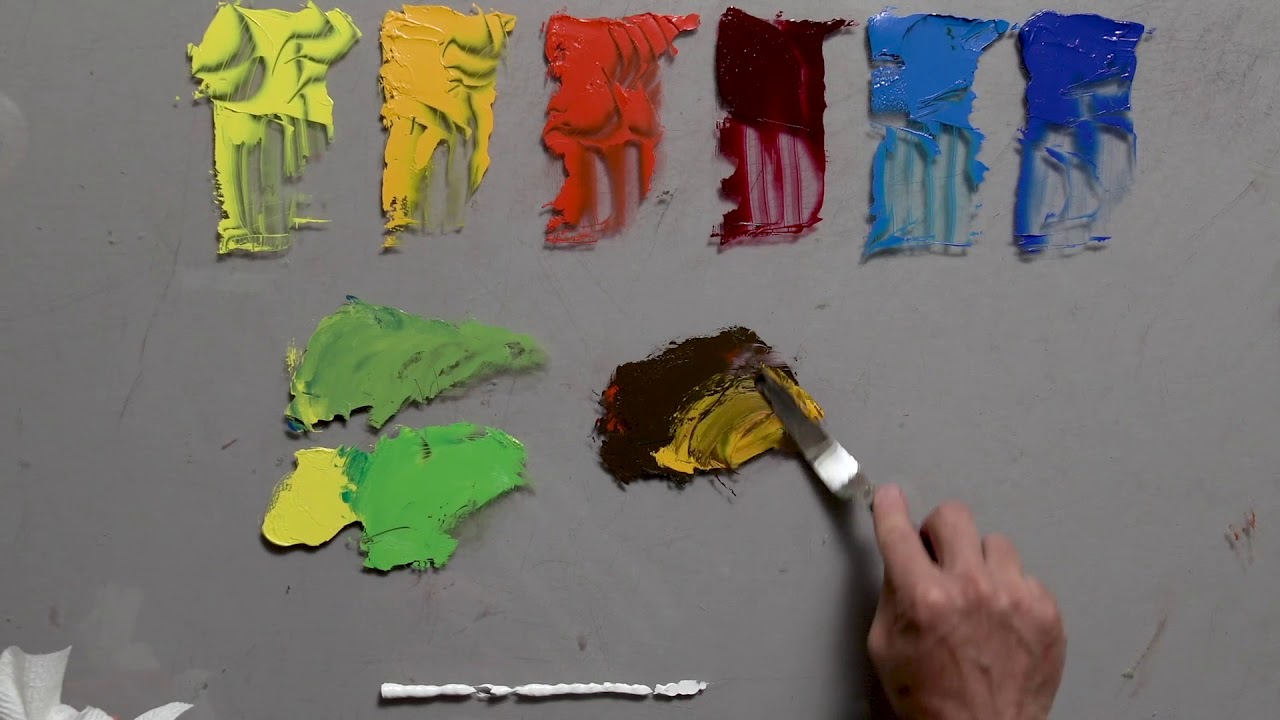
Smooth surfaces provide the most predictable paint behavior. Glass and treated wood offer consistent mixing results every time.
Textured palettes can grab paint in unexpected ways. Some artists prefer this for creating broken color effects, but it complicates precise mixing.
Your brush responds differently to surface variations. Rough textures wear down bristles faster than polished surfaces.
Paint Adherence Characteristics
Non-porous materials keep paint sitting on top where you can manipulate it freely. Absorption ruins color intensity and wastes expensive pigments.
Proper adhesion prevents paint from beading up or sliding around uncontrollably. The surface should hold paint without grabbing it.
Different painting mediums interact uniquely with various palette materials. Test compatibility before committing to expensive options.
Mixing Efficiency Factors
Palette knife performance depends heavily on surface smoothness. Rough areas create drag that interferes with clean color transitions.
Flow characteristics affect how colors blend together naturally. Good palettes enhance mixing rather than fighting your technique.
Temperature affects mixing behavior significantly. Cold palettes slow paint flow, while warm surfaces speed up drying times.
Staining and Absorption
Non-Porous Material Benefits
Quality materials resist permanent staining from intense pigments. Ultramarine blue and alizarin crimson test any palette’s stain resistance.
Easy maintenance means more painting time and less cleaning frustration. Professional artists value this convenience highly.
Sealed surfaces prevent paint from penetrating and creating permanent discoloration that affects future color mixing accuracy.
Stain Resistance Properties
Certain pigments stain everything they touch. Quinacridone colors penetrate porous surfaces permanently.
Glass palettes offer the best stain resistance available. Even the most aggressive pigments scrape off completely with proper tools.
Ceramic options rank second for stain resistance, though some rough surfaces can trap pigment particles in microscopic pores.
Long-Term Appearance Maintenance
Well-maintained palettes improve with age rather than deteriorating. Proper care preserves the original surface characteristics.
Regular cleaning prevents buildup that can affect color accuracy. Stained palettes create false color relationships during mixing.
Professional standards demand pristine mixing surfaces for accurate color reproduction. Contaminated palettes compromise artistic results.
Durability and Longevity
Material Wear Patterns
Different materials age in predictable ways. Wood develops character marks that some artists appreciate, while others prefer consistent surfaces.
Glass palettes maintain their original properties indefinitely with proper handling. Tempered versions resist most accidental damage.
Plastic options vary wildly in durability. Cheap versions crack and scratch easily, while quality acrylic palettes last for years.
Crack and Chip Resistance
Temperature changes stress palette materials differently. Glass handles thermal shock well, but plastic can become brittle in cold weather.
Impact resistance matters for traveling artists. Dropped palettes shouldn’t shatter and ruin your painting trip.
Edge treatments affect longevity significantly. Polished edges resist chipping better than rough-cut alternatives.
Professional-Grade Construction
Commercial-grade palettes justify their cost through extended service life. Professional tools pay for themselves through reliability.
Manufacturing quality shows in details like smooth thumb holes and consistent thickness. Poor construction creates ergonomic problems.
Brand reputation often correlates with build quality, though some boutique makers produce exceptional products.
Chemical Compatibility
Solvent Resistance Requirements
Strong solvents used in oil painting can dissolve certain plastic palettes. Turpentine and mineral spirits affect material choice.
Chemical stability prevents palette degradation that could contaminate your paint. Dissolved plastic ruins expensive pigments.
Traditional materials like wood and glass handle all common painting solvents safely without degradation concerns.
Paint Medium Interactions
Acrylic mediums contain chemicals that can cloud some transparent materials. Test compatibility before mixing expensive colors.
pH levels in different paint formulations can affect certain palette materials over time. Professional-grade options resist these effects.
Oil painting mediums create different chemical challenges than water-based alternatives. Choose palettes designed for your preferred medium.
Cleaning Agent Compatibility
Harsh cleaners can damage palette surfaces permanently. Know which cleaning products work safely with your chosen material.
Soap and water work fine for most palettes, but some stubborn paints require stronger solvents for complete removal.
Improper cleaning products can create surface changes that affect future paint behavior during mixing sessions.
Budget and Quality Factors
Student-Grade Options
Affordable Starter Palettes
Paper palettes offer the lowest entry cost for beginning painters. Disposable convenience eliminates cleanup learning curves.
Basic plastic options from Dick Blick or Michaels provide functional mixing surfaces without premium pricing. They work fine for initial skill development.
Glass alternatives cost more upfront but offer better long-term value through extended service life and superior performance.
Basic Functionality Features
Essential features include adequate mixing space and comfortable grip design. Fancy extras don’t improve basic painting skills.
Simple layouts work better for beginners than complex multi-well systems. Too many options create decision paralysis.
Focus on size appropriate for your typical painting scale rather than getting the largest available option.
Upgrade Path Considerations
Modular systems let you start small and expand capabilities over time. Initial investment stays manageable while growth remains possible.
Quality increases don’t always require complete palette replacement. Sometimes adding a second specialized palette works better.
Understanding your developing preferences guides smart upgrade timing rather than arbitrary spending schedules.
Professional-Grade Investments
High-Quality Material Benefits
Premium materials provide consistent performance that justifies higher costs for serious artists. Reliability becomes increasingly important.
Superior construction eliminates frustrating equipment failures during critical painting moments. Professional deadlines don’t allow for palette problems.
Investment-grade palettes often outlast multiple cheaper alternatives, making them economical choices for committed artists.
Long-Term Value Propositions
Amortizing costs over years of use makes expensive palettes surprisingly affordable. Daily use for a decade changes the cost equation dramatically.
Resale value remains high for quality palettes in good condition. Professional tools hold their worth better than student alternatives.
Enhanced painting experience from better tools can accelerate skill development, creating indirect financial benefits through improved artwork sales.
Professional Studio Requirements
Commercial art production demands consistent results that cheaper palettes can’t guarantee. Client work requires professional-grade reliability.
Multiple palette systems become necessary for different projects or techniques. Professional budgets accommodate specialized tool requirements.
Tax deductions for business equipment make professional-grade purchases more affordable for working artists.
Cost-Performance Analysis
Price Per Use Calculations
Daily usage over months or years makes expensive palettes surprisingly economical. Calculate actual cost per painting session.
Cheap palettes that fail quickly cost more than quality options that last indefinitely. Factor replacement frequency into total costs.
Time savings from better tools often justify higher prices through increased productivity during limited studio hours.
Replacement Frequency Factors
Quality construction extends service life dramatically. Professional palettes might last decades with proper care.
Disposable options create ongoing costs that accumulate quickly with regular use. Calculate annual expenses for fair comparisons.
Damage resistance affects replacement needs significantly. Travel artists particularly benefit from durable construction.
Feature Necessity Evaluation
Essential features vary between artists and painting styles. Identify your actual needs rather than desired luxuries.
Complex features often go unused after initial novelty wears off. Simple, well-executed designs usually provide better long-term satisfaction.
Matching palette capabilities to your skill level prevents overspending on features you can’t effectively utilize yet.
Brand Comparisons
Established Manufacturer Options
Winsor & Newton produces reliable traditional palettes that meet professional standards. Their reputation comes from consistent quality over decades.
Holbein offers innovative designs that appeal to artists seeking modern solutions to traditional problems.
American manufacturers like Speedball focus on value while maintaining acceptable quality standards for most users.
Quality Consistency Factors
Manufacturing tolerances affect how identical products perform from unit to unit. Established brands maintain tighter quality control.
Material sourcing consistency prevents unexpected performance variations between supposedly identical palettes from the same manufacturer.
Quality control standards vary significantly between brands and price points. Research actual user experiences rather than relying on marketing claims.
Warranty and Support Considerations
Professional tools should include meaningful warranty coverage that reflects manufacturer confidence in their products.
Customer service quality becomes important when problems arise with expensive palette investments. Responsive support justifies premium pricing.
Replacement parts availability extends palette life significantly. Modular designs offer advantages when individual components wear out.
Maintenance and Care

Daily Cleaning Routines
Paint Removal Techniques
Immediate cleaning prevents permanent staining from dried pigments. Fresh paint scrapes off easily with a palette knife.
Dried acrylic painting residue requires different removal methods than oil-based paints. Water softens acrylics, while solvents work better for oils.
Glass palettes handle aggressive scraping without damage. Plastic surfaces need gentler treatment to avoid scratches.
Solvent and Cleaner Selection
Turpentine dissolves oil paint effectively but can damage certain plastic materials. Always test compatibility first.
Soap and warm water remove most water-based paints safely. Add a few drops of dish detergent for stubborn acrylic residue.
Specialized palette cleaners from Golden Artist Colors or Liquitex work well but cost more than household alternatives.
Surface Protection Methods
Paper towels between paint and palette prevent direct contact staining. This works particularly well with intense pigments.
Wax paper creates a disposable barrier on permanent palettes. Replace it when contaminated rather than cleaning the underlying surface.
Stay-wet palette papers protect the actual mixing surface while maintaining paint workability for extended periods.
Long-Term Preservation
Storage Recommendations
Horizontal storage prevents warping in wooden palettes. Stack them flat with protective material between surfaces.
Avoid temperature extremes that can crack glass or make plastic brittle. Room temperature storage works best for all materials.
Sealed containers prevent dust accumulation during extended storage periods between painting sessions.
Damage Prevention Strategies
Dedicated storage areas reduce accidental impacts that chip or crack palette edges. Custom-fitted cases work best for expensive options.
Protective wrapping becomes important during transport. Bubble wrap or foam padding prevents damage in art supply bags.
Regular inspection catches small problems before they become major failures requiring complete palette replacement.
Surface Conditioning Needs
Wooden palettes benefit from periodic oil treatment to maintain surface characteristics. Raw linseed oil works well for this purpose.
Glass surfaces need occasional deep cleaning with razor blades to remove microscopic paint residue. Scrape systematically across the entire surface.
Plastic palettes can develop microscopic scratches that trap paint particles. Light sanding with fine-grit paper restores smooth surfaces.
Repair and Restoration
Minor Damage Fixes
Small chips in wooden palettes sand out easily with fine-grit sandpaper. Re-oil the area after smoothing for consistent surface texture.
Glass edge chips can be smoothed with emery boards or fine grinding stones. Work carefully to avoid creating larger cracks.
Plastic scratches often polish out with automotive rubbing compound applied in circular motions.
Refinishing Procedures
Complete palette refinishing involves stripping old finish and reapplying protective coatings. This process takes several days including drying time.
Sanding progression starts with coarse grits to remove damage, finishing with fine grits for smooth surfaces. Follow manufacturer recommendations for final coatings.
Professional refinishing services exist for valuable vintage palettes that warrant expert restoration rather than DIY attempts.
Replacement Part Availability
Modular palette systems offer replacement components when individual parts wear out. This extends overall system life significantly.
Thumb hole inserts can be replaced or relined in wooden palettes showing wear from years of use.
Magnetic palette systems allow component upgrades without replacing the entire setup.
Hygiene and Safety
Clean Workspace Maintenance
Regular disinfection prevents bacterial growth in palette storage areas. Use diluted bleach solution or commercial disinfectants.
Proper ventilation reduces fume concentration from solvents used in palette cleaning. Open windows or use exhaust fans during cleaning sessions.
Separate cleaning areas prevent cross-contamination between different paint types or projects.
Toxic Material Handling
Some pigments contain heavy metals that require careful disposal. Never pour paint waste down drains.
Proper disposal methods vary by location. Check local regulations for hazardous waste collection programs.
Protective equipment like gloves and masks prevent direct exposure to harmful substances during cleaning procedures.
Proper Ventilation Requirements
Solvent vapors accumulate quickly in closed spaces. Adequate air circulation protects your health during extended cleaning sessions.
Vapor masks provide additional protection when working with strong solvents or removing large amounts of dried paint.
Studio exhaust systems remove contaminated air rather than just circulating it throughout your workspace.
Practical Selection Guidelines

Beginner Recommendations
Simple, Functional Starter Options
Disposable paper palettes eliminate learning curves around proper cleaning and maintenance. Focus stays on painting skills rather than equipment management.
Basic glass sheets from hardware stores cost less than art-specific palettes while providing identical functionality. Add masking tape edges for safety.
Plastic palettes from Jerry’s Artarama or Blick Art Materials offer decent performance at student-friendly prices.
Multi-Medium Compatibility
Versatile palettes work with oils, acrylics, and watercolors without specialized requirements. Glass provides the most universal compatibility.
Stay-wet systems accommodate multiple paint types through different paper configurations. Switch setups based on your current project needs.
Avoid highly specialized palettes until you’ve identified your preferred painting medium and techniques.
Easy Maintenance Requirements
Simple designs clean faster and more thoroughly than complex multi-well systems. Beginners benefit from straightforward maintenance routines.
Smooth surfaces show cleaning success clearly. You can see when all paint residue has been removed completely.
Stain-resistant materials forgive cleaning mistakes that might permanently damage porous alternatives.
Advanced Artist Considerations
Specialized Technique Requirements
Complex painting styles may demand specific palette configurations. Impressionism benefits from linear color arrangements, while abstract work needs large mixing areas.
Color separation becomes critical for techniques requiring pure pigments. Multiple palette systems prevent accidental contamination.
Palette knife techniques work better on certain surfaces than others. Test compatibility before committing to expensive options.
Professional Workflow Needs
Time efficiency matters more for working artists than hobbyists. Professional-grade equipment pays for itself through improved productivity.
Multiple palette setups allow simultaneous projects without cross-contamination. Studios often maintain separate systems for different client work.
Consistent results matter for commercial art production. Reliable equipment eliminates variables that could affect final artwork quality.
Multiple Palette Systems
Dedicated setups for different paint types prevent medium mixing that could ruin expensive pigments. Oil and acrylic systems should remain completely separate.
Color family organization works well for artists who specialize in particular subjects. Portrait palettes differ significantly from landscape arrangements.
Project-specific palettes reduce setup time for recurring themes or commissions requiring consistent color schemes.
Testing and Trial Methods
Hands-On Evaluation Techniques
Visit art stores to handle different palette options before purchasing. Weight, balance, and surface texture affect daily use significantly.
Trial periods help identify problems that aren’t obvious during brief store visits. Some shops offer return policies for unsatisfied customers.
Borrow palettes from fellow artists when possible. Real-world usage reveals advantages and disadvantages better than theoretical comparisons.
Return Policy Considerations
Satisfaction guarantees reduce purchase risk for expensive palette investments. Understand return conditions before buying.
Online purchases carry higher risk without hands-on evaluation. Choose retailers with generous return policies for untested equipment.
Document palette condition immediately upon receipt. Photos help resolve disputes if return becomes necessary.
Artist Community Feedback
Local art groups provide valuable real-world experience with different palette brands and configurations. Ask specific questions about durability and performance.
Online forums offer broader perspectives but may include promotional content disguised as genuine reviews. Cross-reference multiple sources.
Art instructors often have extensive experience with various palette types through student interactions and personal use.
Purchase Decision Framework
Need Assessment Priorities
Current skill level determines appropriate palette complexity. Advanced features may hinder rather than help beginning artists.
Budget constraints should include long-term costs, not just initial purchase price. Factor in replacement frequency and maintenance expenses.
Studio space limitations affect palette size and storage requirements. Measure available space before shopping.
Feature Comparison Methods
Create priority lists ranking features by importance to your specific painting style and preferences.
Direct comparisons work better than isolated evaluations. Test similar palettes side-by-side when possible.
Focus on essential features rather than impressive extras that may go unused after initial novelty wears off.
Long-Term Planning Factors
Skill development changes palette requirements over time. Choose systems that can grow with advancing abilities.
Medium preferences may shift as artistic interests evolve. Versatile palettes accommodate changing needs better than specialized options.
Investment thinking applies to professional-grade equipment. Quality tools often outlast multiple cheaper alternatives while providing superior performance throughout their service life.
FAQ on What Is A Painting Palette
What exactly is a painting palette?
A mixing surface for organizing and blending paint colors during artwork creation. Traditional palettes feature thumb holes for handheld use, while studio versions sit flat on tables.
Materials range from wood and glass to disposable paper, each offering different advantages for specific painting mediums and techniques.
Which palette material works best for beginners?
Disposable paper palettes offer the easiest starting point. They eliminate cleanup learning curves and prevent staining mistakes.
Glass alternatives provide better long-term value and superior mixing characteristics. Avoid wooden palettes initially since they require proper maintenance and surface treatment for optimal performance.
How do I organize colors on my palette?
Arrange warm and cool colors separately to prevent muddy mixing. Place primary colors at strategic positions with adequate mixing space in the center.
Many artists follow the color wheel sequence, positioning related hues adjacent to each other for intuitive blending.
What size palette should I choose?
Match palette size to your typical painting scale and studio space. Large canvases require expansive mixing areas, while detailed work needs compact, precise surfaces.
Consider hand size for traditional palettes – the thumb hole should fit comfortably without strain during extended painting sessions.
Can I use the same palette for different paint types?
Cross-contamination between oil painting and acrylic painting ruins expensive pigments. Maintain separate palettes for different mediums.
Glass palettes work universally but require thorough cleaning between paint types. Stay-wet systems work specifically for water-based paints only.
How do I clean my painting palette properly?
Immediate cleaning prevents permanent staining. Scrape wet paint with palette knives, then use appropriate solvents – turpentine for oils, soap and water for acrylics.
Glass palettes handle aggressive scraping, while plastic surfaces need gentler treatment to avoid scratches that trap pigment particles.
What’s the difference between wooden and glass palettes?
Glass palettes offer superior stain resistance and easy cleaning but lack portability. Wooden palettes provide traditional feel and lightweight handling but require oil treatment and careful maintenance.
Glass shows true color relationships, while wood can influence color perception slightly.
Are expensive palettes worth the investment?
Professional-grade palettes justify costs through durability and performance consistency. Quality materials resist staining and provide reliable mixing characteristics.
Calculate cost per use over years – expensive palettes often prove economical compared to frequent replacements of cheaper alternatives that crack or stain permanently.
How do stay-wet palettes work?
Moisture control keeps acrylic paints workable for days or weeks. A damp sponge underneath special paper creates humidity that prevents rapid drying.
The membrane allows moisture through while keeping paint on the surface. Replace paper and re-wet sponge as needed.
What palette mistakes should beginners avoid?
Overcrowding colors creates mixing chaos and waste. Squeezing too much paint leads to expensive waste and palette contamination.
Using wrong materials for specific mediums damages equipment and ruins paint. Poor cleaning habits create permanent staining that affects future color mixing accuracy.
Conclusion
Understanding what is a painting palette empowers you to make informed decisions that directly impact your artistic development.
The right palette enhances color harmony while supporting your preferred techniques and workspace requirements.
Material choice affects everything from cleanup time to color accuracy. Glass palettes excel for studio work, while disposable options suit plein air painting adventures perfectly.
Your palette becomes a creative partner rather than just equipment when properly selected. Professional artists like Vincent van Gogh and Pablo Picasso understood this relationship intimately.
Smart investments in quality palettes pay dividends through improved workflow efficiency and consistent mixing results.
Whether you’re exploring watercolor painting or mastering oil techniques, the right palette supports your artistic journey from beginner experiments to professional commissions.
Choose based on your actual needs, not theoretical ideals, and watch your painting experience transform.