

Your canvas support choice can make or break your painting session. Whether you’re attempting watercolor painting in your kitchen or creating large oil painting masterpieces in a dedicated studio, understanding types of painting easels determines your artistic success.
Most artists struggle with easel selection because they don’t match equipment to their specific needs. Professional painting requires different support systems than weekend hobby work.
This guide breaks down every major easel category, from portable easel designs for outdoor adventures to heavy-duty studio equipment for serious artistic practice.
You’ll discover which art supplies work best for your space, budget, and painting style. We’ll cover tabletop easel options for small spaces, French easel designs for plein air work, and professional studio setups that handle any canvas size.
By the end, you’ll know exactly which painting stand matches your artistic goals and workspace requirements.
Studio Easels for Permanent Workspaces

H-Frame Easels for Heavy-Duty Painting
H-frame easels dominate professional studios for good reason. These workhorses handle large canvases up to 60 inches without breaking a sweat.
Weight Capacity and Canvas Sizes
Most H-frame models support 40-60 pounds of canvas weight. The Mabef M09 holds canvases up to 96 inches tall. Richeson Lyptus models accommodate works measuring 72 inches maximum.
Professional artists working on gallery-sized pieces rely on this canvas support system. The horizontal crossbar distributes weight evenly across the frame.
Tilting Mechanisms
Forward tilt adjustment prevents glare during detailed work. Most H-frames tilt 15-20 degrees from vertical position. The height adjustment mechanism uses either crank handles or sliding locks.
Blick Art Materials sells models with smooth gear systems. Dick Blick’s professional line includes pneumatic height controls for effortless positioning.
Price Ranges and Brands
Entry-level H-frames start around $200-300. Mid-range Winsor & Newton models cost $400-600. Professional Guerrilla Painter studio easels reach $800-1200.
US Art Supply offers budget alternatives. Soltek easels provide commercial-grade durability at competitive prices.
A-Frame Studio Easels
Traditional Wooden Construction
A-frame designs use classic triangular geometry for stability. Wooden easel construction typically features beech, oak, or pine materials. The angled legs create a stable base without requiring extensive floor space.
Many artists prefer the traditional aesthetic. Wood grain adds character to any art studio setup.
Adjustable Mast Systems
The vertical mast slides up and down for canvas positioning. Spring-loaded clips secure canvas holder brackets at desired heights. Some models include ratchet systems for precise adjustments.
Professional painting requires reliable positioning mechanisms. Quality A-frames maintain canvas stability during energetic brushwork.
Floor Space Requirements
A-frames need 3-4 feet of depth when fully extended. Width requirements typically span 2-3 feet. Folding legs reduce easel storage needs when not in use.
Studio organization benefits from compact designs. Many A-frames collapse to under 6 inches thick for closet storage.
Giant Studio Easels for Large Works

Wall-Mounted Systems
Wall-mounted tracks handle oversized canvases up to 10 feet tall. These systems free up valuable floor space in cramped studios. Art workspace efficiency improves dramatically with ceiling-mounted options.
Mounting hardware must support significant weight loads. Professional installations require structural wall anchoring.
Crank-Operated Height Controls
Manual cranks provide precise vertical positioning. Gear ratios enable easy lifting of heavy canvases. Easel accessories include safety locks preventing accidental drops.
Electric motors offer hands-free operation for frequent adjustments. Remote controls allow positioning while stepping back to evaluate work.
Professional Gallery Applications
Museums use giant easels for restoration work. Conservation studios require easel maintenance protocols for priceless artworks. Climate-controlled environments protect both easels and paintings.
Gallery prep rooms utilize mobile giant easels. Caster wheels enable moving large works between spaces safely.
Portable Easels for Location Painting

French Box Easels with Built-in Storage
French easel designs combine portable easel functionality with complete art supplies organization. These all-in-one units transform any location into a functional workspace.
Compartment Layouts
Top compartments hold brushes for oil painting and palette knives. Side drawers store tubes of paint in organized rows. Bottom sections accommodate canvas support panels and painting materials.
Easel storage includes dedicated spaces for solvents and mediums. Removable trays keep supplies sorted during transport.
Palette and Brush Organization
Built-in palettes flip out for immediate use. Palette placement options include removable wooden surfaces or disposable paper pads. Brush holders prevent damage during transport.
Artistic tools stay organized throughout painting sessions. Quick access improves workflow efficiency during time-sensitive plein air work.
Wet Canvas Carriers
Wet canvas storage poses challenges for outdoor painting. French boxes include canvas separators preventing paint transfer. Spring-loaded panels create protective barriers between works.
Paint mixing areas include palette knife rests. Thumb holes enable comfortable palette holding during extended sessions.
Tripod Easels for Lightweight Travel
Aluminum Versus Wooden Legs
Aluminum easel legs resist weather better than wood. Weight differences affect easel transportation significantly. Aluminum models weigh 3-5 pounds versus 6-8 pounds for wooden versions.
Metal easel construction handles temperature extremes without warping. Wood provides traditional aesthetics but requires more maintenance.
Quick-Setup Mechanisms
Telescoping legs extend with twist-lock mechanisms. Setup time drops to under 60 seconds with practice. Portable painting easel efficiency matters during changing light conditions.
Lever locks provide stronger connections than twist mechanisms. Spring-loaded brackets hold canvas securely during windy conditions.
Wind Resistance Features
Easel stability factors include low center of gravity and wide leg spread. Sandbags or water bottles attach to legs for additional weight. Hook systems allow hanging gear bags for ballast.
Outdoor painting requires wind-resistant designs. Telescoping support arms prevent canvas movement during gusts.
Pochade Boxes for Plein Air Work

Compact Design Benefits
Pochade box units measure 9×12 inches or smaller. These ultra-compact systems fit in standard backpacks. Painting workspace efficiency maximizes despite minimal size.
Folding designs create instant tabletop easel setups. Legs extend to comfortable working heights when surfaces aren’t available.
Mounting Options
Tripod sockets enable standard camera tripod mounting. Clamp systems attach to fence posts or car windows. Easel setup tips include checking stability before starting work.
Universal mounting plates accommodate various support systems. Quick-release mechanisms enable rapid position changes.
Panel Size Limitations
Most pochade boxes accommodate 8×10 or 9×12 inch panels. Larger versions handle 11×14 inch surfaces maximum. Canvas size limitations require planning composition scales accordingly.
Artistic practice adapts to equipment constraints. Small formats force focus on essential compositional elements rather than excessive detail.
Tabletop Easels for Small-Scale Work

Desktop Display Easels
Desktop display easels transform any flat surface into a functional painting workspace. These compact units handle canvas sizes up to 16×20 inches without requiring floor space.
Adjustable Angle Ranges
Most tabletop models adjust from completely flat to 75-degree angles. Angle control mechanisms use either friction hinges or notched positioning systems. Watercolor work benefits from gentler slopes around 15-30 degrees.
Oil and acrylic painting require steeper angles to prevent dripping. Vertical positioning works best for detailed brushwork and color mixing.
Canvas Size Compatibility
Standard tabletop easels accommodate panels from 5×7 inches up to 16×20 inches. Canvas holder lips adjust to grip various thickness levels. Canvas boards, stretched canvases, and wooden panels all fit securely.
Arteza and US Art Supply models include universal gripping systems. Adjustable backstops prevent larger canvases from sliding through the support arms.
Workspace Integration
Tabletop easel designs integrate seamlessly with existing desk setups. Rubber feet prevent sliding during energetic brushwork. Compact folding keeps easel storage minimal between sessions.
Studio organization improves with dedicated workspace zones. Many artists prefer separate easel areas away from computer workstations.
Watercolor Easels with Flat Positioning
Horizontal Painting Capabilities
Watercolor painting requires controlled wet-on-wet techniques impossible on vertical surfaces. Flat positioning prevents unwanted color bleeding and maintains proper paint flow.
Gravity affects watercolor behavior dramatically. Horizontal surfaces allow precise paint mixing and gradual tone transitions.
Paper Securing Methods
Spring-loaded clips hold watercolor paper without damaging delicate surfaces. Canvas support systems adapt to accommodate paper weights from 90lb to 300lb. Magnetic strips work on metal easel surfaces.
Stretching bars tension watercolor paper properly. Artistic tools include corner clips preventing paper cockling during wet washes.
Water Cup Holders
Built-in water container holders prevent accidental spills. Easel accessories include brush rests and palette clips. Removable trays catch drips during color mixing sessions.
Pochade boxes designed for watercolors include dedicated water storage. Spill-proof containers travel safely during outdoor painting sessions.
Sketching Easels for Drawing Work

Lightweight Materials
Sketching easels prioritize portability over heavy-duty construction. Aluminum and lightweight wood construction keeps total weight under 2 pounds. Portable easel designs fold to briefcase dimensions.
Travel sketching requires minimal art supplies beyond basic materials. Compact easels eliminate setup complexity during quick gesture sessions.
Quick Angle Changes
Ball-joint mechanisms enable instant angle adjustments. Height adjustment happens through telescoping leg systems. Spring-loaded locks maintain positioning during active drawing.
Artistic practice benefits from rapid position changes. Capturing moving subjects requires seamless easel adjustments.
Paper and Board Options
Drawing easels accommodate paper sizes from 9×12 to 18×24 inches. Canvas size flexibility includes sketchbooks, loose paper, and illustration boards. Clip systems secure various paper weights.
Mixed media boards work on standard drawing easels. Painting materials storage includes pencil holders and eraser clips.
Specialized Easels for Specific Techniques

Watercolor Easels with Tilt Control
Gravity Flow Management
Watercolor easel designs control paint flow through precise angle adjustments. Graduated positioning from flat to 30-degree tilts manages wet-on-wet techniques. Paint mixing behavior changes dramatically with surface angles.
Watercolor painting techniques require gravity assistance for natural paint flow. Controlled tilting creates predictable wash patterns and smooth color transitions.
Paper Stretching Features
Integrated stretching bars maintain paper tension during wet applications. Canvas holder systems adapt to watercolor paper requirements. Spring-loaded corners prevent paper movement during aggressive washing.
Professional watercolor easels include adjustable paper guides. Artistic tools ensure consistent paper positioning across multiple painting sessions.
Brush Rest Designs
Horizontal brush rests prevent paint drips onto work surfaces. Multiple slots accommodate various brushes for watercolor painting simultaneously. Easel accessories include palette clips and water container holders.
Workflow efficiency improves with organized brush storage. Quick brush changes maintain painting momentum during time-sensitive washes.
Pastel Easels with Dust Collection
Tray Systems for Debris
Pastel easels include specialized collection trays beneath work surfaces. Pastel dust accumulation creates workspace mess without proper containment. Removable trays enable easy cleanup between sessions.
Magnetic strips collect metal pastel holders. Art supplies organization prevents cross-contamination between color families.
Vertical Positioning Benefits
Vertical easel orientation allows pastel dust to fall away from work surfaces. Canvas support systems prevent dust accumulation on artwork. Gravity assists in maintaining clean working conditions.
Professional painting requires dust management for health and artwork preservation. Vertical positioning minimizes airborne particle exposure.
Storage Compartments
Dedicated pastel storage keeps sticks organized by color families. Foam-lined compartments prevent breakage during transport. Easel storage systems accommodate full pastel sets up to 200+ colors.
Studio equipment includes lockable storage for expensive pastel collections. Dust-proof seals protect pastels from environmental contamination.
Mixed Media Easels with Accessories
Tool Holders and Clips
Mixed media easels accommodate diverse artistic tools through modular attachment systems. Magnetic strips hold palette knives, scissors, and small containers. Easel accessories adapt to changing technique requirements.
Modular designs enable customization for specific projects. Tool accessibility improves creative process efficiency during complex mixed media work.
Multiple Surface Options
Adjustable canvas ledges accommodate various substrate thicknesses. Canvas support systems handle everything from paper to thick wooden panels. Universal gripping mechanisms secure irregular shaped supports.
Painting materials diversity requires flexible easel designs. Mixed media artists work on canvas, wood, metal, and fabric surfaces interchangeably.
Convertible Designs
Flip-top mechanisms convert between vertical and horizontal orientations. Art workspace adaptability suits different technique requirements within single sessions. Quick-change systems enable seamless transitions.
Portable painting easel versions include convertible features for field work. Compact storage maintains full functionality despite size constraints.
Professional Features
Heavy-duty construction supports large mixed media assemblages. Weight capacity ratings accommodate substantial three-dimensional elements. Reinforced joints handle dynamic creative processes.
Studio organization benefits from professional-grade equipment reliability. Investment-quality easels withstand intensive daily use across multiple techniques.
Choosing the Right Easel for Your Needs
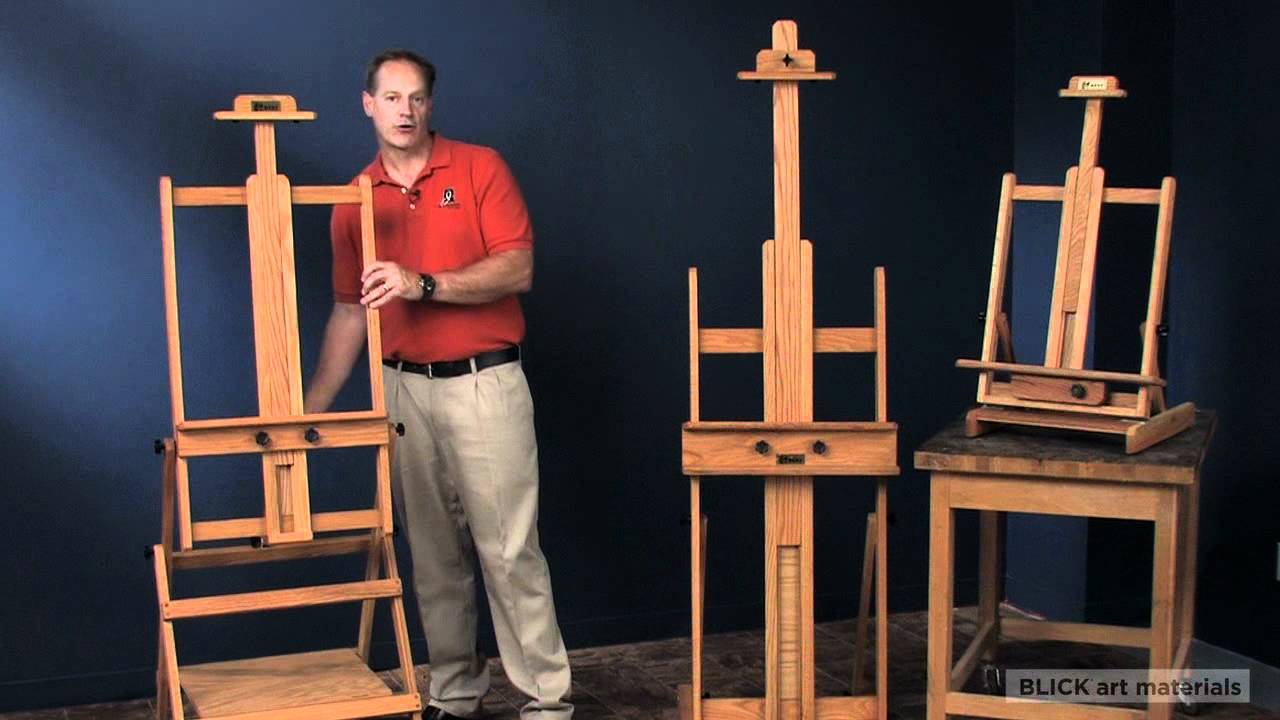
Matching Easel Type to Painting Style
Oil Painting Requirements
Oil painting demands sturdy vertical support for proper brush techniques. Canvas must remain stable during heavy paint application and palette knife work. Professional painting requires easels that handle wet paint without movement.
H-frame and A-frame studio easels work best for oils. Weight capacity must support large canvases plus thick paint layers.
Watercolor Considerations
Watercolor painting needs adjustable angles from flat to 30 degrees maximum. Gravity flow management controls paint behavior during wet-on-wet techniques. Steeper angles cause unwanted paint runs.
Specialized watercolor easels include paper stretching features. Canvas support systems accommodate delicate paper surfaces without damage.
Acrylic Versatility Needs
Acrylic painting works on both horizontal and vertical surfaces effectively. Paint mixing happens quickly due to fast drying times. Easel flexibility accommodates changing technique requirements within single sessions.
Artistic practice benefits from convertible easel designs. Quick angle changes suit acrylic’s rapid working properties.
Budget Considerations Across Price Ranges
Entry-Level Options
Beginner painting easel models start around $30-60 for basic tabletop units. US Art Supply and Arteza offer reliable starter options. Art supplies budgets should allocate 10-15% for easel purchases.
Student-grade easels provide adequate canvas support for learning. Quality improves dramatically above $50 price points.
Mid-Range Quality Picks
$100-300 easels balance features with affordability. Winsor & Newton and Blick Art Materials offer professional features at reasonable prices. Durability factors improve significantly in this range.
Studio equipment investments pay off through years of reliable use. Mid-range easels handle both student and semi-professional work.
Professional Investment Pieces
High-end easels cost $400-1200+ but last decades with proper easel maintenance. Mabef, Richeson, and Guerrilla Painter manufacture museum-quality equipment. Professional painting justifies premium pricing through daily use.
Art workspace efficiency improves with precision-engineered mechanisms. Investment easels maintain accuracy after thousands of adjustments.
Space and Mobility Requirements
Studio Size Limitations
Floor space requirements vary dramatically between easel types:
- Tabletop easel: 2×2 feet surface area
- A-frame studio: 3×4 feet floor space
- H-frame easel: 4×6 feet minimum
- Giant easels: 6×8 feet or more
Studio organization must accommodate easel footprints plus artist movement space. Cramped conditions affect creative process negatively.
Outdoor Painting Frequency
Plein air easel selection depends on travel frequency and transportation methods:
For Car-Based Painting
- French box easels handle most outdoor painting situations
- Weight capacity up to 40 pounds acceptable
- Easel storage in vehicle trunks works fine
For Hiking/Backpacking
- Pochade box units under 2 pounds essential
- Portable easel designs must fold compactly
- Canvas size limitations force composition planning
For Local Walking
- Tripod easel models balance portability with stability
- Aluminum easel construction resists weather better
- Quick-setup mechanisms save time during changing light
Storage Constraints
Easel storage solutions vary by living situation:
Apartment Dwellers
- Folding tabletop easel options store in closets
- A-frame easel models collapse to 6-inch thickness
- Wall-mounted storage brackets save floor space
Dedicated Studios
- H-frame easel permanent positioning works well
- Professional painting setups benefit from multiple easel types
- Art supplies organization includes easel-specific storage
Shared Spaces
- Portable painting easel designs enable quick setup/breakdown
- Canvas holder systems must accommodate various users
- Workspace integration requires consideration of others
Advanced Selection Criteria
Technique-Specific Features
Different painting mediums require specialized easel characteristics:
For Impressionism Style Work
- Quick angle adjustments for changing light conditions
- Portable easel designs for en plein air painting
- Canvas support for loose, energetic brushwork
For Realism Techniques
- Rock-solid stability for precise detail work
- Height adjustment for extended painting sessions
- Professional painting grade construction
For Abstract Expression
- Large canvas capacity for gestural work
- Weight capacity for heavy paint applications
- Floor easel options for unconventional techniques
Ergonomic Considerations
Comfort positioning affects painting quality and artist health:
- Height adjustment range must suit artist’s stature
- Angle controls should operate smoothly with one hand
- Easel stability factors prevent fatigue from fighting movement
Artistic practice suffers when physical discomfort interferes. Proper easel fit prevents repetitive strain injuries.
Long-Term Investment Planning
Easel buying guide considerations for growing artists:
- Skill development needs change over time
- Canvas size preferences typically increase
- Painting materials diversity often expands
- Studio space may grow or shrink
Modular easel systems adapt to changing needs. Professional painting equipment grows with artistic development rather than limiting it.
FAQ on Types Of Painting Easels
What’s the best easel for beginners?
Tabletop easel models work perfectly for new artists. US Art Supply and Arteza offer reliable options under $50.
These portable easel designs accommodate canvases up to 16×20 inches while fitting any workspace.
Art supplies budgets benefit from starting small before investing in larger studio equipment.
How much should I spend on my first easel?
Entry-level easels cost $30-60 and provide adequate canvas support for learning. Professional painting requires $200+ investments, but beginners don’t need expensive features initially.
Studio equipment purchases should match current skill levels rather than anticipated future needs.
What’s the difference between H-frame and A-frame easels?
H-frame easel designs use horizontal crossbars for maximum stability and weight capacity up to 60 pounds.
A-frame models rely on triangular geometry, requiring less floor space but handling smaller canvases. H-frames suit professional painting while A-frames work for hobby artists.
Can I use any easel for watercolor painting?
Watercolor painting requires adjustable angles from flat to 30 degrees maximum. Standard vertical easels cause paint runs and poor color control.
Watercolor easel designs include tilt mechanisms and paper securing systems for proper technique execution.
What size easel do I need for large paintings?
Canvas size determines easel requirements. Works over 30 inches need H-frame or giant studio easels with weight capacity ratings of 40+ pounds.
Height adjustment mechanisms must accommodate your largest planned canvas plus comfortable working positions.
Are expensive easels worth the investment?
Quality easels from Mabef, Richeson, and Winsor & Newton last decades with proper easel maintenance.
Cheap models wobble, break, and frustrate artists. Professional painting justifies premium pricing through daily reliability and precision engineering that improves artistic results.
What’s the best easel for outdoor painting?
French easel designs combine portable easel functionality with built-in art supplies storage.
Plein air easel options include pochade boxes for ultralight travel and tripod easels for car-based painting. Aluminum easel construction resists weather better than wood.
How do I choose between wooden and metal easels?
Wooden easel construction provides traditional aesthetics and stable weight distribution. Metal easel designs resist warping and weather while weighing less for transport.
Studio organization and artistic practice location determine which material suits your needs better.
What easel works best for acrylic painting?
Acrylic painting works on both horizontal and vertical surfaces effectively. Canvas support systems must handle quick paint mixing and rapid technique changes.
Convertible easels accommodate acrylic’s versatility better than single-position designs.
How much space does an easel require?
Floor space requirements vary dramatically by type. Tabletop easel units need 2×2 feet, A-frames require 3×4 feet, and H-frames demand 4×6 feet minimum.
Art workspace planning must include artist movement space around the easel for comfortable painting sessions.
Conclusion
Understanding types of painting easels transforms your artistic journey from frustrating equipment battles to focused creative expression.
The right canvas holder supports your technique while the wrong choice fights against every brushstroke.
Studio easels handle serious artistic ambitions through rock-solid stability and professional weight capacity. Portable painting easel designs open outdoor adventures without sacrificing painting quality.
Tabletop easel options maximize small spaces while specialized easels perfect specific techniques.
Your easel selection depends on space, budget, and artistic goals rather than universal recommendations.
Hobby painting thrives with basic models while artistic practice advancement demands equipment upgrades. Quality painting stand investments pay dividends through years of reliable canvas support.
Art supplies budgets should prioritize easel quality over quantity.
Cheap easels frustrate progress while professional models from Mabef, Richeson, and Martin Universal Design grow with developing skills.
Choose based on your current needs. Easel buying guide wisdom says buy once, paint forever.


