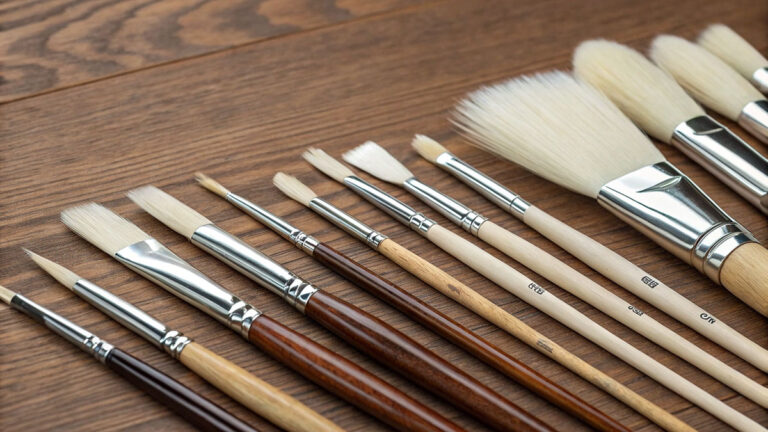
Ever wonder what is a filbert brush and why professional artists swear by them? This unique painting tool combines the best features of flat and round brushes into one versatile instrument.
Filbert brushes feature a flat ferrule with rounded bristle tips that resemble hazelnut shapes. Their distinctive design makes them indispensable for portrait work, landscape painting, and smooth color transitions.
Whether you’re working in oil painting, acrylic painting, or watercolor painting, understanding filbert brushes will transform your artistic technique.
This guide reveals everything about filbert brushes: their history, technical advantages, proper selection, and professional painting methods that make them essential art supplies for serious painters.
The History and Origins of Filbert Brushes

Development in Classical Painting
Renaissance Period Usage
The filbert brush emerged during the Renaissance as artists sought more versatile painting tools. Master painters like Leonardo da Vinci and Raphael recognized the need for brushes that could handle both detailed work and broader applications.
Unlike the rigid flat brushes commonly used in medieval times, filbert brushes offered something revolutionary. Their rounded tips allowed for smoother transitions and softer edges.
Evolution From Flat Brush Modifications
Early filbert brushes developed from modifications of traditional flat brushes. Artists began shaping the bristles of their flat brushes into rounded forms. This practice became so common that brush makers started producing them specifically.
The transformation wasn’t accidental. Painters working in oil painting needed tools that could blend colors seamlessly. Standard round brushes couldn’t cover enough area, while flat brushes created harsh edges.
Why They’re Called “Filberts”
Connection to Hazelnut Shape
The name “filbert” comes from the hazelnut’s distinctive shape. When viewed from the side, a filbert brush closely resembles a hazelnut or filbert nut. The rounded tip and slightly flattened body create this natural comparison.
This naming convention reflects how brush makers described their tools to customers. Visual references made more sense than technical descriptions.
Alternative Names in Different Regions
Different regions developed their own terms for these versatile brushes. In some European countries, they’re called “cat’s tongue” brushes. Others refer to them as “oval brushes” or “almond brushes.”
American artists typically use “filbert” exclusively. British painters sometimes call them “flat-rounds.”
Technical Characteristics and Performance
Brush Stroke Capabilities
Smooth Blending Properties
Filbert brushes excel at smooth color transitions because of their unique shape. The rounded tip creates soft edges while the flat belly holds substantial amounts of paint. This combination makes them perfect for portrait work and atmospheric effects.
When loaded properly, they can blend wet paint effortlessly. The bristles flex and conform to create gradual transitions.
Edge Control and Line Variation
The versatility of filbert brushes shines in their edge control capabilities. Artists can create both sharp and soft lines with the same brush. Using the tip produces fine details, while the belly creates broader strokes.
Rotating the brush while painting produces varying line weights. This technique proves especially useful for foliage and texture work.
Paint Loading Capacity
Filbert brushes hold more paint than round brushes of similar size. Their flat ferrule design creates a larger paint reservoir. This means fewer trips to the palette during painting sessions.
The bristle arrangement also distributes paint evenly across the brush face. This prevents the streaky application common with other brush types.
Shape Advantages in Practice
Rounded Tip Benefits
The rounded tip allows for precise detail work without the harshness of flat brush corners. Artists can paint delicate features like eyelashes or flower petals with control. The soft edge naturally creates realistic transitions.
This feature makes filbert brushes popular for portrait painting. Skin tone transitions require subtle handling that only rounded tips provide.
Flat Belly Functionality
The flat belly section covers larger areas efficiently. When painting skies or water, artists can quickly establish base color areas. The belly holds enough paint for consistent coverage.
This dual functionality eliminates the need for multiple brushes. Artists can work from broad areas to fine details seamlessly.
Versatility Compared to Other Brush Types
Filbert brushes combine the best features of both flat and round brushes. They offer the coverage area of flats with the precision of rounds. This makes them ideal for artists who prefer minimal brush switching.
Professional painters often consider filberts their go-to brushes. They work effectively across multiple painting mediums and techniques.
The brush shape adapts to different painting approaches. Whether working in impressionism or realism, filberts provide the necessary control and flexibility.
Best Uses and Applications
Oil Painting Applications
Portrait Work and Skin Tones
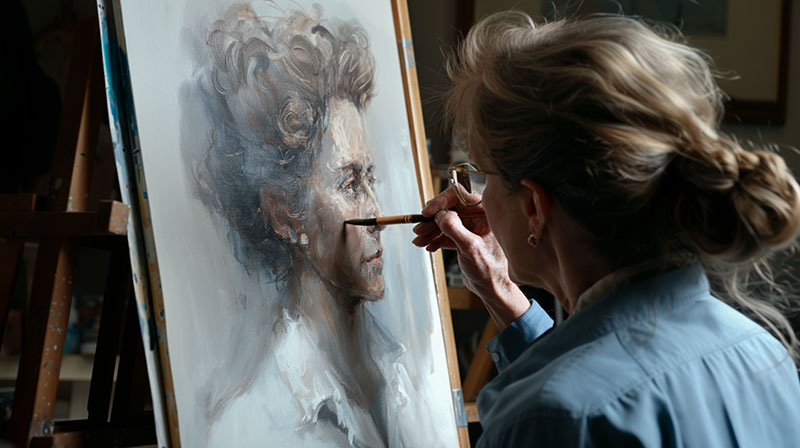
Filbert brushes excel at portrait painting because of their superior blending capabilities.
The rounded tip creates seamless skin tone transitions that flat brushes simply can’t match. Professional artists rely on them for rendering subtle facial features and natural-looking flesh tones.
When painting portraits, the brush’s versatility shines through multiple applications. Artists can establish broad facial planes with the belly, then switch to the tip for detailed work around eyes and lips.
Landscape Painting Techniques
Landscape painters find filbert brushes perfect for atmospheric effects and distant elements.
The soft edges naturally create the atmospheric perspective needed for convincing depth. Rolling hills, cloud formations, and tree masses benefit from the brush’s natural blending action.
For en plein air painting, filberts reduce the number of brushes needed in the field. A few different sizes handle most landscape requirements efficiently.
Still Life Rendering
Still life work requires both precision and softness. Filbert brushes deliver both qualities in fruit painting, fabric rendering, and reflective surface work. The brush naturally follows curved forms while maintaining paint control.
Subtle gradation effects come naturally with filberts. Artists can model rounded objects like apples or vases without harsh transitions.
Acrylic Painting Uses
Blending Wet Paint
Acrylic painting presents unique challenges due to fast drying times. Filbert brushes help artists work quickly while maintaining smooth transitions. Their paint-holding capacity allows for extended blending periods before the paint sets.
The brush shape distributes acrylic paint evenly without streaking. This prevents the patchy appearance common with inappropriate brush choices.
Texture Creation Methods
Acrylic artists use filberts for various texture techniques. Dry brushing with the belly creates rough surface effects. Light touches with the tip add fine textural details to paintings.
The brush works well for scumbling techniques too. Artists can build up broken color effects naturally without forcing the application.
Detail Work Applications
Despite their size, larger filberts handle detailed acrylic work effectively. The rounded tip provides precision without the harshness of flat brush corners. This makes them suitable for architectural details and mechanical subjects.
Smaller filberts rival round brushes for fine detail work. They offer better paint control in tight spaces.
Watercolor Techniques

Wash Applications
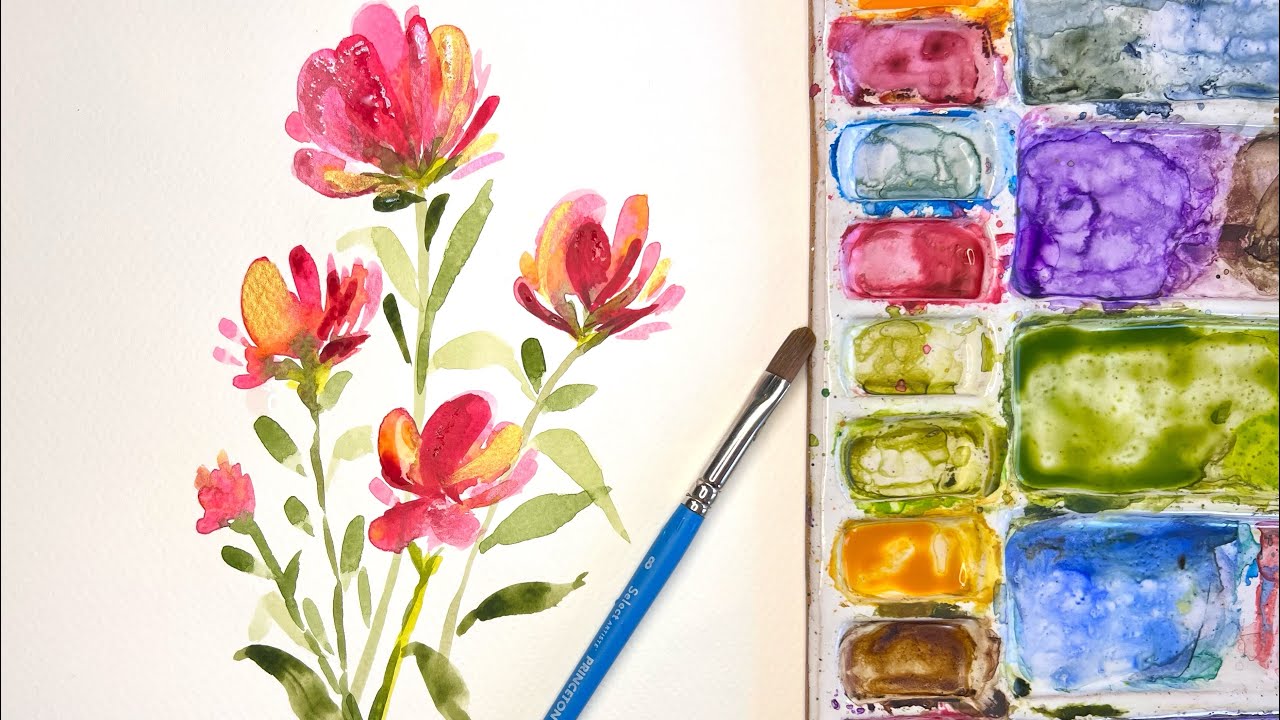
Watercolor painting washes flow beautifully with filbert brushes. The brush holds substantial amounts of diluted pigment while distributing it evenly. Large washes for skies and water areas become effortless.
The rounded edges prevent harsh wash lines that plague flat brush applications. Transitions between different wash tones appear natural and unforced.
Controlled Wet-on-Wet Effects
Wet-on-wet watercolor techniques require precise paint placement. Filbert brushes allow artists to drop color exactly where needed. The brush tip provides control while the belly holds adequate paint reserves.
Atmospheric effects and cloud work benefit greatly from this controlled approach. Artists can create soft, natural-looking results consistently.
Lifting and Softening Edges
Clean, damp filbert brushes excel at lifting watercolor pigment. The soft bristles remove paint gently without damaging the paper surface. This technique creates highlights and corrections naturally.
Edge softening becomes intuitive with filberts. A quick brush stroke along wet edges creates perfectly graduated transitions.
Choosing the Right Filbert Brush

Size Selection Guidelines
Small Filberts for Detail Work
Small filbert brushes (sizes 2-6) handle intricate painting tasks effectively. Portrait artists use them for facial features, while landscape painters rely on them for foreground details. The compact size maintains the shape advantages while offering precision control.
These sizes work well across all painting mediums. They’re particularly useful for mixed media work where detail precision matters most.
Medium Sizes for General Painting
Medium filberts (sizes 8-14) serve as workhorse brushes for most painting sessions. They cover adequate surface area while retaining detail capabilities. Most artists consider this size range essential for everyday painting tasks.
The versatility of medium filberts makes them perfect starter brushes. Beginning artists can learn fundamental techniques without constantly switching tools.
Large Filberts for Broad Areas
Large filbert brushes (sizes 16-24) excel at establishing initial color areas and background work. They hold substantial paint amounts while maintaining the characteristic soft edges. Professional artists use them for underpainting and broad color blocking.
These sizes prove particularly valuable in large-scale work. Studio painters working on substantial canvases rely on them for efficient coverage.
Bristle Material Considerations
Natural Hair Performance Characteristics
Natural bristle filberts offer superior paint manipulation and smooth application. Hog bristle versions work excellently with oil paints, providing good paint control and durability. Sable hair filberts deliver unmatched precision for watercolor and fine detail work.
Natural bristles develop better points over time. Well-maintained natural hair brushes actually improve with proper use and care.
Synthetic Alternatives and Benefits
Synthetic filbert brushes provide consistent performance at lower costs. Modern synthetic fibers closely mimic natural hair characteristics while offering easier maintenance. They work well across all painting mediums without special care requirements.
Synthetic brushes maintain their shape longer than natural alternatives. This makes them ideal for student use and high-volume painting sessions.
Cost vs Quality Factors
Professional grade brushes justify their higher cost through superior performance and longevity. Student grade options work adequately for learning purposes but may frustrate experienced artists. The middle ground offers good performance without premium pricing.
Quality indicators include ferrule construction, bristle retention, and shape maintenance. Investing in better brushes ultimately saves money through extended usable life.
Brand and Quality Indicators
Professional vs Student Grade Options
Professional brushes feature superior materials and construction standards. The ferrules resist loosening, bristles maintain their shape, and handles provide comfortable grip for extended use. Student brushes sacrifice some performance for affordability.
The performance gap becomes obvious during extended painting sessions. Professional tools respond predictably while student brushes may behave inconsistently.
What to Look for in Construction
Quality filbert brushes display seamless ferrule attachment and properly shaped bristle arrangements.
The bristles should form a clean, rounded tip without stray hairs. Handle quality affects comfort during long painting sessions.
Check for secure bristle attachment by gently tugging the brush tip. Quality brushes won’t shed excessively or lose their shape quickly.
Price Range Expectations
Student filberts typically cost $5-15, while professional versions range from $20-60 or more.
Natural hair brushes command premium prices but offer superior performance. Synthetic alternatives provide good value in the $10-30 range.
Consider brushes as long-term investments. Quality tools last years with proper care, making the higher initial cost worthwhile for serious artists.
Proper Care and Maintenance

Cleaning Techniques
Immediate Post-Painting Care
Immediate cleaning prevents paint from hardening in the bristles. Wipe excess paint on paper towels before rinsing. This simple step extends brush life significantly.
For oil painting, use mineral spirits or turpentine first. Follow with soap and warm water to remove all residue.
Deep Cleaning Methods
Weekly deep cleaning removes built-up pigment and medium residue. Soak brushes in appropriate solvents for 10-15 minutes. Gently work the bristles with your fingers to release stubborn paint.
Natural hair brushes benefit from occasional conditioning treatments. Baby shampoo works well for this purpose.
Solvent Safety Considerations
Always work in well-ventilated areas when using solvents. Dispose of used solvents properly according to local regulations. Consider water-based alternatives when possible to reduce health risks.
Avoid harsh chemicals that can damage natural bristles. Acetone and strong degreasers break down the hair structure over time.
Storage and Preservation
Proper Drying Methods
Horizontal drying prevents water from seeping into the ferrule. Lay brushes flat on clean towels with bristles extending over the edge. Never store wet brushes upright in containers.
Reshape the brush tip while damp. This maintains the proper filbert profile for future use.
Shape Maintenance Tips
Brush guards protect the tip shape during storage. Slip them over damp, clean brushes to maintain proper form. Remove guards before the brush completely dries to prevent bristle distortion.
Store brushes in breathable containers. Plastic bags trap moisture and promote mold growth.
Long-Term Storage Solutions
For extended storage, wrap clean, dry brushes in acid-free tissue paper. Store them in cedar-lined boxes to deter insects. Check stored brushes periodically for signs of damage or pest activity.
Climate-controlled environments preserve brushes best. Extreme temperature and humidity changes crack handles and loosen ferrules.
Common Mistakes to Avoid
Cleaning Errors That Damage Bristles
Never use hot water on natural hair brushes. It causes bristles to curl and lose their shape permanently. Aggressive scrubbing also damages the delicate hair structure.
Avoid leaving brushes soaking for extended periods. Prolonged exposure to solvents weakens the bristle attachment in the ferrule.
Storage Problems That Ruin Brushes
Storing brushes tip-down in containers bends and splays the bristles. This permanently damages the brush shape and reduces painting effectiveness. Always store brushes horizontally or tip-up.
Direct sunlight and heat sources dry out natural bristles. This makes them brittle and prone to breakage during use.
Usage Habits That Shorten Brush Life
Excessive pressure during painting wears down bristles prematurely. Let the brush do the work rather than forcing it against the surface. Proper technique preserves brush integrity longer.
Using inappropriate brushes for heavy texture work damages delicate filberts. Reserve them for their intended smooth application purposes.
Techniques and Painting Methods

Basic Stroke Techniques
Flat Stroke Applications
Flat strokes utilize the full width of the filbert brush belly. Hold the brush perpendicular to the surface for maximum coverage. This technique works well for establishing large color areas and backgrounds.
Apply consistent pressure for even paint distribution. Vary the pressure slightly to create subtle value changes within single strokes.
Edge Work with the Tip
The rounded tip excels at creating precise lines and details. Rotate the brush to access the narrow edge for fine work. This versatility eliminates frequent brush changes during painting sessions.
Practice controlled movements with the tip. Light touches produce delicate lines while firmer pressure creates bolder marks.
Rolling and Turning Motions
Rolling the brush while painting creates varied line weights and organic textures. This technique works particularly well for foliage and natural forms. The changing contact area produces naturally varied marks.
Turn the brush gradually during long strokes. This prevents harsh transitions and maintains smooth line quality throughout the application.
Advanced Blending Methods
Color Gradation Techniques
Smooth gradations require proper paint consistency and brush loading. Start with the lighter color and gradually introduce darker tones. Work quickly before the paint begins to set.
Use overlapping strokes to eliminate visible boundaries. The filbert’s rounded edge naturally creates seamless transitions between different hue areas.
Soft Edge Creation
Soft edges distinguish filbert brushes from other shapes. The rounded profile naturally diffuses harsh boundaries between color areas. This quality makes them essential for portrait and atmospheric work.
Blend edges while the paint remains workable. Dry paint requires different techniques and may not achieve the same smooth results.
Atmospheric Effects
Atmospheric perspective benefits greatly from filbert brush techniques. Use lighter pressure for distant elements and gradually increase intensity for foreground objects. The brush naturally creates the softness needed for convincing depth.
Layer transparent glazes with clean filberts. This builds atmospheric effects gradually without harsh transitions.
Texture and Surface Effects
Dry Brush Techniques
Dry brushing with filberts creates controlled texture effects. Remove most paint from the brush before application. Light pressure allows the bristles to skip across the surface texture.
This technique works well for tree bark, fabric textures, and weathered surfaces. The filbert’s shape provides more control than flat brushes for this application.
Scumbling Applications
Scumbling involves applying semi-opaque paint over dried layers. Use circular or irregular motions with a lightly loaded filbert. This creates broken color effects and visual texture.
The technique builds up paint layers gradually. Multiple scumbling sessions create rich, complex surface effects that appear naturally weathered.
Glazing Methods
Transparent glazes modify underlying colors without completely covering them. Mix paint with appropriate mediums for transparency. Apply thin, even layers with soft filbert strokes.
Work systematically across the painting surface. Overlapping glaze applications can create muddy results if not carefully controlled.
Clean brushes between different glaze colors. Even small amounts of contamination affect the transparency and color saturation of subsequent applications.
Comparing Filberts to Other Brush Types
Filbert vs Flat Brush Comparison
When to Choose Each Type
Flat brushes excel at creating sharp, defined edges and covering large areas quickly. Choose them for architectural elements, geometric shapes, and bold color blocking. Their straight edge produces clean lines that filberts cannot match.
Filberts work better for organic forms and soft transitions. Portrait work, natural landscapes, and atmospheric effects benefit from their rounded profile.
Stroke Quality Differences
Flat brushes create distinct stroke marks with visible beginning and ending points. This characteristic works well for impressionistic techniques and visible brushwork styles. The rectangular shape leaves recognizable marks that add texture to paintings.
Filbert strokes blend more naturally into surrounding areas. The rounded edges eliminate harsh boundaries, making them ideal for smooth, realistic rendering techniques.
Coverage Area Considerations
Large flat brushes cover more surface area per stroke than equivalent filberts. For underpainting and background work, flats prove more efficient. They hold substantial paint amounts while maintaining consistent coverage.
Filberts sacrifice some coverage for versatility. Their dual functionality (broad strokes and detail work) compensates for slightly reduced efficiency in pure coverage tasks.
Filbert vs Round Brush Analysis
Detail Work Capabilities
Round brushes traditionally dominate fine detail painting. Their pointed tips create precise lines and small marks effectively. For calligraphic work and linear details, rounds maintain superiority.
Filbert brushes offer surprising detail capabilities despite their broader profile. The rounded tip handles delicate work while providing better paint-holding capacity than small rounds.
Paint Control Differences
Round brushes provide precise paint placement through their pointed tips. Artists can control exactly where paint goes, making them ideal for tight, controlled work. The narrow profile allows access to confined spaces.
Filberts distribute paint more evenly across broader areas. While less precise than rounds, they create smoother applications and natural-looking transitions.
Line Quality Variations
Round brush lines vary in width based on pressure and angle. Maximum width equals the brush diameter, creating consistent line characteristics. This predictability helps with detailed illustration work.
Filbert lines offer more variation within single strokes. Rolling the brush changes the contact area, producing naturally varied line weights that mimic organic forms.
Specialty Brush Alternatives
Fan Brush Comparisons
Fan brushes create specific texture effects that other brushes cannot replicate. Their splayed bristles produce grass, foliage, and hair textures naturally. However, they serve limited purposes compared to filberts.
Filberts handle multiple texture techniques through various application methods. While not matching fan brushes for specific effects, they offer greater overall versatility.
Liner Brush Differences
Liner brushes excel at creating consistent, flowing lines. Their long, narrow bristles hold substantial paint while maintaining fine points. For continuous line work, they surpass all other brush types.
Filberts cannot match liners for pure line quality but offer superior versatility for general painting tasks. Most artists use both types for different purposes.
When Filberts Excel Over Alternatives
Filbert brushes shine in situations requiring both coverage and precision within single painting sessions. Portrait artists particularly value this dual capability. Background to foreground work flows naturally without constant brush changes.
For color theory applications involving smooth gradations, filberts outperform most alternatives. Their natural blending ability makes complementary colors transitions effortless.
Performance Across Painting Mediums
Oil Painting Advantages
In oil painting, filberts excel due to the medium’s extended working time. The slow drying allows full utilization of the brush’s blending capabilities. Professional oil painters often consider filberts essential tools.
The brush shape naturally works with oil paint consistency. Proper paint loading creates smooth, even applications without streaking or dragging.
Acrylic Painting Applications
Acrylic painting requires faster work due to quick drying times. Filberts help artists work efficiently while maintaining quality results. Their paint-holding capacity extends working time before reloading.
The rounded profile prevents the harsh edges that flat brushes often create in acrylics. This makes color harmony easier to achieve in fast-drying mediums.
Watercolor Versatility
Watercolor painting benefits from filberts’ controlled water handling. They hold adequate water while allowing precise application. Wash techniques flow naturally from their rounded shape.
Edge control becomes crucial in watercolor work. Filbert brushes provide the soft edges needed for convincing atmospheric perspective effects.
Cost-Effectiveness Analysis
Initial Investment Considerations
Filbert brushes typically cost more than basic flats or rounds due to their specialized manufacturing. However, their versatility reduces the total number of brushes needed. A few quality filberts can replace multiple specialized brushes.
The multi-purpose nature makes them cost-effective for beginning artists. Instead of purchasing numerous brush types, students can start with a basic filbert set.
Long-Term Value Proposition
Quality filberts last longer than many other brush types when properly maintained. Their robust construction and versatile usage patterns distribute wear more evenly than specialized brushes used for single purposes.
Professional artists often find filberts provide better return on investment through extended usable life and reduced replacement frequency.
Professional vs Amateur Usage
Professional painters quickly recognize filbert advantages and integrate them into standard practice. The time savings from reduced brush switching justifies any additional cost. Studio efficiency improves markedly.
Amateur artists may initially resist the higher cost but usually become converts after experiencing the versatility. The learning curve shortens when using appropriate tools for multiple techniques.
FAQ on What Is A Filbert Brush
What exactly is a filbert brush?
A filbert brush features a flat ferrule with rounded bristle tips that resemble hazelnut shapes. This unique design combines flat brush coverage with round brush precision. Artists use them for smooth blending, edge control, and versatile paint application across multiple painting mediums.
How does a filbert differ from flat brushes?
Flat brushes create sharp edges and defined strokes, while filberts produce softer, more natural transitions. The rounded tip eliminates harsh boundaries that flat brushes create. Filberts excel at portrait work and atmospheric effects where smooth gradations matter most.
When should I choose filberts over round brushes?
Choose filbert brushes when you need both coverage and detail work in single painting sessions. They hold more paint than round brushes while offering superior blending capabilities. Portrait painters particularly value this dual functionality for seamless skin tone rendering.
What painting techniques work best with filberts?
Blending techniques, scumbling, and glazing work exceptionally well with filberts. Their rounded profile creates smooth color transitions naturally. Dry brush methods, texture creation, and atmospheric perspective effects also benefit from their versatile shape and paint-holding capacity.
Which painting mediums suit filbert brushes best?
Filberts excel in oil painting due to extended working times for blending. Acrylic painting benefits from their efficient coverage, while watercolor painting utilizes their controlled wash applications and soft edge creation capabilities.
What sizes of filbert brushes should beginners buy?
Start with medium sizes (8-14) for general painting tasks. Add small filberts (2-6) for detail work and large ones (16-24) for background coverage. This range handles most painting situations without overwhelming beginners with too many brush choices.
How do I properly maintain filbert brushes?
Clean immediately after use with appropriate solvents for your painting medium. Store horizontally to prevent water entering the ferrule. Use brush guards to maintain tip shape and reshape while damp. Deep clean weekly to remove paint buildup.
Are natural or synthetic filbert brushes better?
Natural bristles offer superior paint manipulation and develop better points over time. Synthetic alternatives provide consistent performance at lower costs and easier maintenance. Professional artists often prefer natural hair, while students benefit from synthetic durability and affordability.
What brands make quality filbert brushes?
Professional brands like Winsor & Newton, Da Vinci, and Escoda produce high-quality filberts. Student options from Liquitex and Princeton offer good value. Look for secure ferrule construction, proper bristle arrangement, and comfortable handle design regardless of brand choice.
Can filbert brushes replace other brush types entirely?
While versatile, filberts cannot completely replace specialized brushes. Fan brushes create unique textures, liner brushes excel at continuous lines, and flat brushes provide sharper edges. However, filberts reduce the total number of brushes needed significantly.
Conclusion
Understanding what is a filbert brush opens new possibilities for artistic expression and technique refinement.
These versatile painting tools bridge the gap between precision and coverage, making them essential for serious artists working across different styles and subjects.
Professional painters consistently choose filberts for portrait work, landscape painting, and complex color mixing applications.
Their unique oval shaped brush design naturally creates smooth blending effects that enhance artistic rendering quality.
Whether you’re exploring impressionism, realism, or contemporary painting styles, filbert brushes adapt to your creative needs.
Their multi-purpose functionality reduces brush switching while maintaining professional results.
Investing in quality filbert brushes transforms your painting experience.
From initial color blocking to final detail work, these tools provide the control and flexibility needed for compelling artistic expression across all major painting mediums.