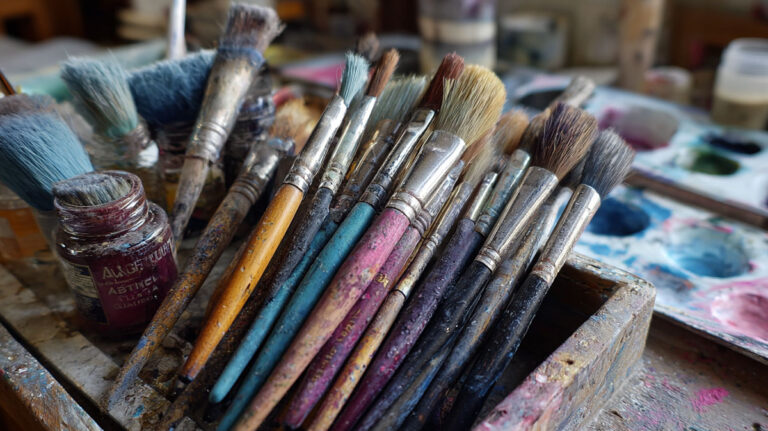
Every painter needs tools that deliver clean lines and smooth coverage. What is a flat brush becomes a crucial question when you’re serious about improving your painting technique and achieving professional results.
Flat brushes rank among the most versatile painting tools in any artist’s collection.
Their rectangular ferrule and straight-edged bristles create unique stroke possibilities impossible with round brushes or other brush types.
Whether you’re working with oil painting, acrylic painting, or watercolor painting, understanding flat brush applications transforms your painting approach.
This guide covers everything from brush construction to advanced techniques.
You’ll discover when to choose flats over other brush types, how to select the right size and bristle material, and professional maintenance methods that extend brush life.
We’ll also explore common mistakes that compromise your painting results and provide proven solutions for each problem.
Types of Flat Brushes

Traditional Flat Brushes
Standard flat brushes are the most common type you’ll find in any art supply store. These brushes feature a rectangular ferrule with bristles cut to a straight edge. The width-to-thickness ratio creates perfect clean lines for geometric work.
Most painters start with these basic flats. They work well for beginners learning oil painting fundamentals.
Bright Brushes
Bright brushes look similar to standard flats but have shorter bristles. The reduced length gives you more control over paint application. Short bristles hold less paint but offer better precision.
These work particularly well for detail work in acrylic painting projects. The firm bristles maintain their shape even with thick paint consistency.
Long Flat Brushes
Long flat brushes extend beyond standard proportions. The extra bristle length holds more paint for extended coverage. Artists use these for large background areas and base coating work.
The longer bristles create softer edges compared to bright brushes. They’re perfect for blending techniques and atmospheric perspective effects.
Specialized Flat Brush Variations
Angular Flat Brushes
Angular flats feature bristles cut at a diagonal angle instead of straight across. This design creates unique stroke possibilities for painting corners and edges. The angled tip works well for precise detail placement.
Many artists prefer these for painting architectural elements. The diagonal edge follows natural painting motions better than straight edges.
Shader Brushes
Shader brushes combine flat brush coverage with softer edges. These brushes often have slightly rounded corners rather than sharp square edges. The design helps create smooth gradations and soft transitions.
Professional artists rely on shaders for portrait work. The gentle edges blend skin tones without harsh lines.
Wash Brushes
Wash brushes are extra-wide flat brushes designed for covering large areas quickly. These brushes can span several inches in width. They hold massive amounts of watercolor painting medium.
Landscape artists use wash brushes for sky work and large background elements. The wide coverage saves time on extensive areas.
Medium-Specific Flat Brushes
Oil Painting Flats
Oil painting flats typically use natural bristles like hog hair. The stiff bristles handle thick oil paint consistency without bending. Natural bristles have split ends that hold more paint than synthetic alternatives.
The traditional painting mediums work best with these brush types. Hog bristle flats maintain their shape through multiple painting sessions.
Acrylic Painting Flats
Acrylic flats often feature synthetic bristles that resist the fast-drying nature of acrylic paint. Nylon and polyester bristles clean easily and maintain flexibility. These brushes handle both thick and thin acrylic applications.
Synthetic bristles don’t absorb moisture like natural hair. This prevents paint from drying inside the ferrule during longer painting sessions.
Watercolor Flat Brushes
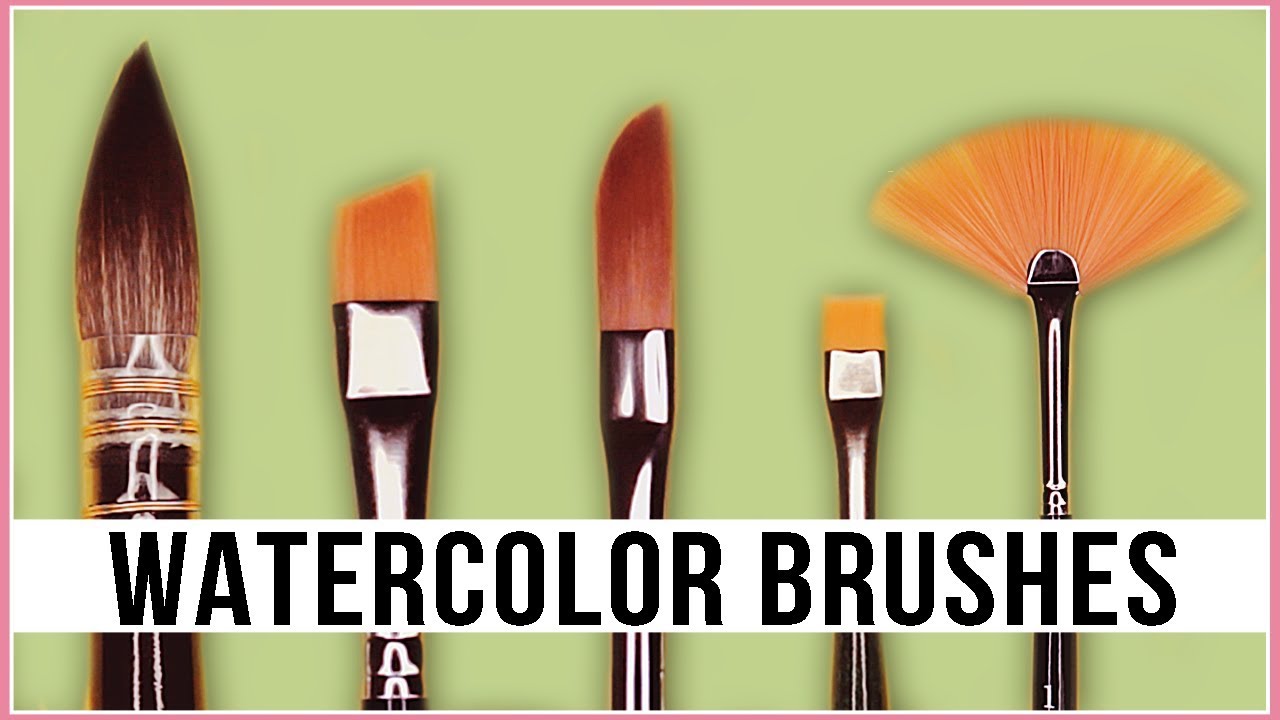
Watercolor flats use softer natural hair or high-quality synthetic alternatives. These brushes need to hold water while maintaining their shape. Squirrel hair and sable provide excellent water retention.
The soft bristles won’t damage delicate watercolor paper surfaces. They create smooth washes without unwanted texture marks.
How Flat Brushes Work

Paint Loading Capacity and Distribution
Bristle Spacing and Paint Retention
Flat brush bristles are packed tightly together in the ferrule. This dense arrangement creates small spaces that hold paint through capillary action.
The paint stays suspended between bristles until pressure releases it onto the canvas.
Natural bristles have microscopic scales that grab and hold paint. Synthetic bristles rely on their arrangement and surface tension for paint retention.
Edge Control and Precision
The straight edge of a flat brush creates clean, definitive lines. When you hold the brush perpendicular to the surface, only the edge contacts the canvas. This produces thin, precise lines for detail work.
The rectangular ferrule prevents the brush from rotating during use. Your hand naturally maintains the correct angle for consistent edge work.
Coverage Area Per Stroke
Flat brushes cover more area per stroke than round brushes of similar size. The wide bristle arrangement spreads paint evenly across the full width. This efficiency speeds up large area coverage.
A single stroke can cover strips several inches long. Multiple parallel strokes quickly fill background areas with uniform color.
Brush Stroke Characteristics
Clean, Straight Edges
Flat brush strokes naturally produce sharp, clean edges along their sides. The bristles release paint evenly across their width while maintaining crisp boundaries. This makes them perfect for geometric shapes and architectural elements.
The straight edge eliminates the rounded marks common with other brush shapes. You get precise control over where paint starts and stops.
Uniform Paint Application
The rectangular bristle arrangement distributes paint consistently across the entire brush width. Unlike round brushes that apply more paint in the center, flats create even coverage. This prevents thick and thin spots in your paint layer.
Even paint distribution helps achieve smooth gradation effects. The consistent paint film reflects light uniformly across the surface.
Blending Capabilities
Flat brushes excel at blending colors while they’re still wet. The wide bristle area can work with multiple colors simultaneously. Light pressure creates soft transitions between different hues.
The rectangular shape allows you to blend in straight lines or curved motions. This versatility makes flats useful for both hard and soft edge techniques.
Pressure and Angle Effects
Light Touch Techniques
Light pressure with a flat brush creates delicate, transparent effects. The bristles barely contact the surface, leaving small amounts of paint. This technique works well for glazing and subtle color harmony adjustments.
Gentle pressure preserves underlying paint layers. You can build up complex colors through multiple light applications.
Full Brush Contact Methods
Full pressure engages the entire bristle surface with the canvas. This technique deposits maximum paint and covers areas completely. The bristles conform slightly to surface textures while maintaining their rectangular shape.
Heavy pressure works best for opaque coverage and bold contrast effects. The paint completely obscures what lies beneath.
Edge-Only Applications
Using only the brush edge creates thin lines and fine details. Hold the brush perpendicular to the surface and drag the edge across. This technique produces consistent line weights impossible with other brush types.
Edge painting requires steady hand control but produces professional results. The lines stay uniform in width and paint density throughout their length.
Primary Uses for Flat Brushes

Base Painting and Coverage Work
Large Area Fills
Flat brushes excel at covering extensive canvas areas efficiently. Their wide bristle arrangement distributes paint evenly across broad surfaces. A single stroke can fill strips several inches wide.
Background painting becomes much faster with the right flat brush size. The rectangular shape prevents gaps between adjacent strokes.
Background Painting
Creating smooth backgrounds requires consistent paint application. Flat brushes maintain uniform coverage without visible brush marks. The straight edges blend seamlessly when overlapped correctly.
Many impressionism painters relied on flats for their foundational work. The smooth base layers allowed detail work to stand out effectively.
Underpainting Techniques
Underpainting establishes the basic value structure before adding final colors. Flat brushes quickly block in these preliminary layers. The wide coverage helps you see overall composition relationships early.
Professional artists often use earth tones for underpainting. The flat brush spreads these colors smoothly across the entire surface.
Edge Work and Clean Lines

Straight Line Creation
The flat brush edge produces perfectly straight lines when held perpendicular to the surface. This precision makes architectural painting much easier. No other brush type matches this linear accuracy.
Edge control requires steady hand movement and consistent pressure. Practice on scrap surfaces before attempting final artwork.
Geometric Shape Painting
Squares, rectangles, and other geometric forms benefit from flat brush precision. The straight edges eliminate the need for masking tape in many situations. Each stroke creates clean, definitive boundaries.
Modern abstract artists frequently use flats for hard-edge compositions. The geometric precision supports their artistic vision.
Architectural Details
Building elements like windows, doors, and structural beams require sharp edges. Flat brushes handle these details with professional accuracy. The consistent line weight maintains architectural believability.
Linear perspective drawing benefits from flat brush precision. The straight edges support proper perspective construction.
Blending and Gradation
Color Transitions
Smooth blending between colors requires careful brush technique. Flat brushes can work with multiple colors simultaneously across their width. The rectangular bristle area creates seamless transitions.
Start with clean, damp brushes for best blending results. Work quickly while paint remains wet and workable.
Soft Edge Blending
Unlike hard geometric edges, soft blending requires lighter pressure and gentle motions. The flat brush can create both effects depending on your technique. Soft edges appear more natural in organic subjects.
Portrait painters use this technique for skin tone transitions. The gradual changes appear more realistic than hard lines.
Atmospheric Effects
Distance and atmosphere require subtle gradation effects. Flat brushes create smooth sky transitions and misty backgrounds. The even paint distribution supports these delicate effects.
Atmospheric perspective relies on gradual color and value changes. Flat brushes handle these transitions naturally.
Specific Painting Techniques
Blocking in Shapes and Forms
Initial Color Placement
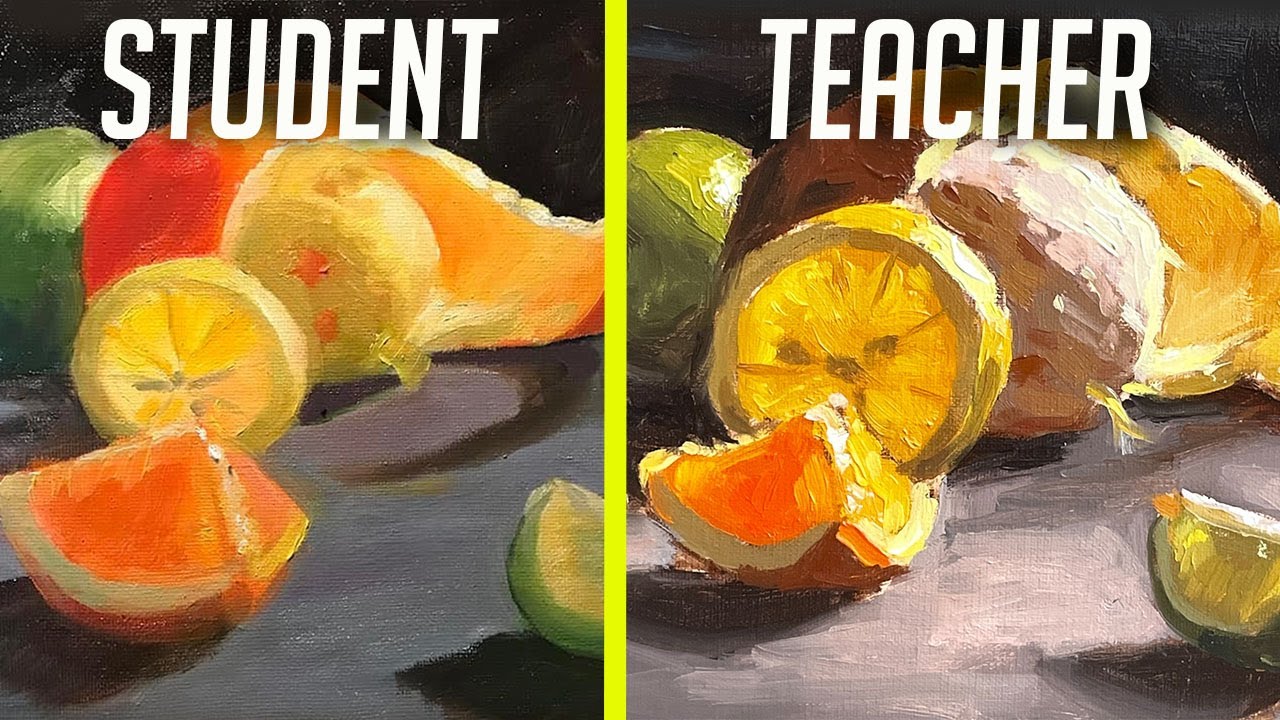
Blocking in establishes the basic color areas before adding details. Flat brushes quickly fill these primary shapes with solid color. This stage focuses on overall color relationships rather than specifics.
Work from general to specific in all painting stages. The flat brush supports this fundamental painting principle effectively.
Value Establishment
Establishing correct values early prevents major problems later. Flat brushes help you see value relationships across the entire painting. The broad strokes reveal overall light and shadow patterns.
Squint while painting to see values more clearly. The flat brush captures these simplified value masses accurately.
Composition Layout
Initial composition sketching often uses flat brushes loaded with thin paint. The broad strokes indicate major shapes without committing to details. This stage allows easy composition adjustments.
Traditional painting styles emphasize strong compositional planning. Flat brushes support this methodical approach effectively.
Dry Brush Techniques
Texture Creation
Dry brush technique uses minimal paint on the brush for textural effects. The bristles catch high points on textured surfaces while skipping valleys. This creates interesting broken color effects.
Remove excess paint by wiping the brush on paper towels. The remaining paint creates subtle textural marks.
Highlight Placement
Selective highlighting requires precise paint placement. Dry brush technique allows controlled highlight application without flooding surrounding areas. The minimal paint stays exactly where placed.
Work with slightly stiff brushes for best dry brush control. Soft brushes don’t maintain the necessary precision.
Surface Effects
Various surface textures benefit from dry brush applications. Wood grain, fabric weave, and stone surfaces all respond well to this technique. The broken paint application suggests texture without overworking.
Surface effects should support the overall painting rather than dominate it. Use dry brush techniques selectively for maximum impact.
Glazing and Transparent Layers
Color Mixing on Canvas
Glazing involves applying transparent color layers over dry underpainting. Flat brushes spread these thin layers evenly without disturbing underlying work. The technique creates rich, luminous color effects.
Mix glazing medium with paint for proper transparency. Pure paint often appears too opaque for effective glazing.
Depth Creation
Multiple transparent layers create the illusion of depth and atmosphere. Each glaze layer modifies the colors beneath without completely covering them. Flat brushes maintain consistent glaze thickness.
Traditional oil painting techniques rely heavily on glazing methods. The layered approach builds complex color relationships gradually.
Luminosity Effects
Luminous effects emerge from proper glazing technique and color selection. Light colors glazed over dark create glowing effects. Dark glazes over light create rich, deep shadows.
The flat brush ensures even glaze distribution without streaks or buildup. Consistent thickness produces uniform luminosity across the painted surface.
Advanced Flat Brush Applications
Scumbling Techniques

Scumbling involves dragging opaque color lightly over dry underpainting. The broken application allows underlying colors to show through irregularly. Flat brushes create controlled scumbling effects.
Use horizontal brush movements for most scumbling applications. The flat edge creates characteristic broken marks.
Impasto Applications
Impasto technique applies thick paint for textural effects. Flat brushes can carry substantial paint loads for heavy applications. The rectangular bristle arrangement creates distinctive mark patterns.
Clean brushes frequently when working with thick paint. Paint buildup affects brush performance and mark quality.
Color Temperature Adjustments
Flat brushes excel at making broad color temperature changes across painted surfaces. Warm and cool color adjustments affect the entire painting’s mood. The wide coverage makes temperature shifts efficient.
Understanding color theory enhances your temperature adjustment abilities. Warm colors advance while cool colors recede visually.
Choosing the Right Flat Brush

Size Selection Guidelines
Canvas Size Considerations
Brush size should match your canvas dimensions for efficient coverage. Large canvases require wide flat brushes to avoid endless small strokes. Small detailed work needs narrow brushes for precision control.
A 16×20 inch canvas works well with 1-2 inch flat brushes for backgrounds. Reserve smaller sizes for detail areas and edge work.
Detail Level Requirements
Fine detail work demands smaller flat brushes with shorter bristles. Precision painting benefits from brushes under half an inch wide. Larger areas can handle progressively wider brushes.
Consider the smallest details in your planned painting. Choose brush sizes that can handle both broad areas and refined elements effectively.
Painting Style Matching
Impressionism and loose painting styles work well with larger flat brushes. Expressive brushwork benefits from bold, confident strokes. Realism and detailed work require smaller, more controlled tools.
Your natural painting approach should guide brush selection. Work with tools that support rather than fight your instincts.
Bristle Type Selection
Natural Bristle Benefits
Natural bristles offer superior paint-holding capacity through their microscopic structure. Hog bristle provides stiffness for heavy paint applications. Sable hair delivers softness for delicate blending work.
Natural bristles develop split ends over time, improving their paint retention. This characteristic makes them increasingly valuable with proper care.
Synthetic Bristle Advantages
Synthetic bristles resist paint absorption and clean more easily than natural alternatives. They maintain consistent performance across different painting mediums. Modern synthetics closely match natural bristle performance.
Nylon and polyester bristles work particularly well with acrylic painting. The quick-drying paint won’t damage synthetic fibers like it might natural hair.
Mixed Bristle Options
Some manufacturers combine natural and synthetic bristles for balanced performance. Mixed bristle brushes offer paint retention plus easy cleaning. The combination provides versatility across different painting situations.
These brushes work well for artists using multiple mediums. The balanced characteristics support various painting techniques effectively.
Quality Indicators
Bristle Retention and Spring
High-quality brushes hold bristles securely in the ferrule. Bristle retention prevents loose hairs from contaminating your paint mixture. Good brushes snap back to shape after bending.
Test brush spring by gently pressing bristles against your palm. Quality brushes return to their original form immediately.
Ferrule Construction
Metal ferrules should be seamlessly joined without gaps or rough edges. Brass and nickel-plated ferrules resist corrosion better than plain steel. The ferrule should grip bristles firmly without crushing them.
Double-crimped ferrules provide extra security for bristle attachment. Single crimps may loosen over time with heavy use.
Handle Balance and Comfort
Brush handles should feel balanced in your hand during extended painting sessions. Comfortable grip reduces hand fatigue and improves control. Handle length affects leverage and painting distance.
Long handles work better for easel painting and broad strokes. Short handles provide more control for detailed work and close painting positions.
Care and Maintenance

Cleaning Procedures
During Painting Sessions
Clean brushes immediately when switching between colors to prevent mud mixing. Use appropriate solvents for your chosen medium. Water works for acrylics, while oil painting requires turpentine or mineral spirits.
Wipe brushes on paper towels before rinsing to remove excess paint. This prevents overloading your cleaning medium with pigment.
End-of-Session Cleaning
Thorough cleaning after each painting session extends brush life significantly. Proper cleaning removes all paint residue from bristles and ferrule. Soap and water work well for most mediums after initial solvent cleaning.
Work cleaning solution through bristles with gentle pressure. Rinse until water runs clear from the brush.
Deep Cleaning Methods
Occasionally, brushes need deep cleaning to remove stubborn paint buildup. Deep cleaning involves soaking brushes in appropriate solvents for extended periods. Commercial brush cleaners dissolve dried paint effectively.
Avoid using harsh chemicals that might damage natural bristles. Follow manufacturer recommendations for cleaning product selection.
Storage Best Practices
Bristle Protection
Proper storage maintains bristle shape and prevents damage. Store brushes with bristles pointing up or laying flat. Never store brushes bristle-down in containers.
Use brush holders or lay brushes flat on clean surfaces. Proper support prevents bristle bending and ferrule stress.
Shape Preservation
Reshape wet bristles to their original form before storage. Shape preservation ensures consistent performance across multiple uses. Gentle finger pressure restores proper bristle alignment.
Some artists use brush soap to maintain shape during storage. The soap holds bristles in position while providing conditioning benefits.
Environment Considerations
Store brushes in dry, temperature-controlled environments. Storage conditions affect bristle and handle longevity. Excessive moisture can cause ferrule rust and handle swelling.
Avoid storage areas with extreme temperature fluctuations. Consistent conditions prevent expansion and contraction damage.
Extending Brush Lifespan
Proper Handling Techniques
Gentle handling prevents unnecessary bristle stress and damage. Never press brushes hard against palettes or painting surfaces. Use appropriate pressure for your intended technique.
Avoid twisting or grinding motions that spread bristles unnaturally. Work with brush design rather than against it.
Avoiding Damage
Common brush damage includes paint dried in the ferrule and bent bristles. Damage prevention requires consistent cleaning and proper storage habits. Never allow paint to dry completely in brush bristles.
Keep brushes away from heat sources during drying. High temperatures can damage both natural and synthetic bristles.
Restoration Methods
Minor bristle damage can sometimes be restored with careful conditioning. Brush restoration involves reshaping and treating bristles with appropriate products. Hair conditioner works well for natural bristle brushes.
Soak damaged brushes in lukewarm soapy water before attempting restoration. Work conditioner through bristles and reshape gently.
Professional Maintenance Tips
Weekly Deep Cleaning
Professional artists perform weekly deep cleaning regardless of apparent brush condition. Weekly maintenance prevents invisible paint buildup from affecting performance. This schedule maintains optimal brush function.
Use specialized brush cleaning products designed for your primary medium. These products dissolve residues that regular cleaning might miss.
Bristle Conditioning
Natural bristles benefit from occasional conditioning treatments. Bristle conditioning maintains flexibility and prevents brittleness. Apply conditioner sparingly to avoid affecting paint adhesion.
Work conditioner through bristles and rinse thoroughly before use. Residual conditioner can interfere with paint application.
Handle Maintenance
Wooden handles require periodic treatment to prevent cracking and moisture damage. Handle care includes light sanding and protective finishes. This maintenance preserves grip comfort and tool longevity.
Apply thin coats of appropriate wood finish annually. Sand lightly between coats for smooth, comfortable grip surfaces.
Flat Brushes vs Other Brush Types
Comparison with Round Brushes
Stroke Differences
Flat brushes create angular, geometric strokes with sharp edges. Round brushes produce curved, organic marks with tapered ends. The rectangular ferrule prevents rotation during use.
Round brushes naturally follow circular motions. Flat brushes resist rotation and maintain consistent edge orientation.
Coverage Capabilities
Coverage area differs dramatically between brush types. Flat brushes cover more surface area per stroke due to their wide profile. Round brushes concentrate paint in smaller, focused areas.
A 1-inch flat brush covers three times the area of a comparable round brush. This efficiency makes flats ideal for background work and large color areas.
Detail Work Applications
Round brushes excel at fine details and linear perspective elements. Detail precision comes from the pointed tip and controlled paint flow. Flat brushes handle broader details and geometric elements better.
Choose round brushes for organic details like foliage and figures. Use flats for architectural elements and hard-edge abstractions.
Comparison with Filbert Brushes
Edge Quality Differences
Filbert brushes combine flat and round characteristics with oval-shaped tips. Edge quality varies between sharp flat edges and soft filbert curves. Flats produce cleaner straight lines.
Filberts create naturally soft edges without technique adjustments. Flat brushes require specific pressure control for soft effects.
Blending Characteristics
Blending performance differs based on brush shape and bristle arrangement. Filberts blend colors smoothly due to their rounded edges. Flat brushes create more controlled, directional blending.
Use filberts for portrait work and organic subjects. Choose flats for geometric blending and architectural painting.
Versatility Factors
Filberts offer more versatility in single-brush applications. Versatility comes from combining multiple brush characteristics in one tool. Flat brushes specialize in specific applications more effectively.
Professional painters often prefer specialized tools over versatile compromises. Flat brushes excel in their intended applications without compromise.
When to Choose Flat Over Other Types
Project Requirements
Project analysis determines optimal brush selection. Large-scale paintings benefit from flat brush efficiency. Detailed portraits might require round or filbert alternatives.
Consider the dominant elements in your planned painting. Geometric compositions favor flat brushes while organic subjects prefer rounds.
Personal Painting Style
Your natural painting approach influences brush preference. Painting style affects how tools feel and perform in your hands. Some artists naturally gravitate toward geometric mark-making.
Abstract painters often prefer flats for their bold, definitive marks. Impressionism artists might choose various brush types for expressive freedom.
Efficiency Considerations
Time efficiency matters in professional painting situations. Flat brushes cover large areas quickly without sacrificing quality. This speed advantage helps meet deadlines and maintain productivity.
Calculate coverage needs before starting major paintings. Choose brush types that support your workflow rather than slow it down.
Common Mistakes and Solutions
Overloading with Paint
Control Issues
Paint overload creates uncontrollable application and messy results. Excess paint drips from brush bristles and creates unwanted marks. Proper loading prevents these control problems.
Load brushes by gently pressing into paint pools. Avoid submerging bristles completely in thick paint mixtures.
Dripping Problems
Heavy paint loads cause dripping during transport from palette to canvas. Dripping paint ruins carefully planned compositions and creates cleanup problems. Control paint quantity for clean application.
Practice loading techniques on scrap surfaces. Develop consistent muscle memory for proper paint amounts.
Loading Techniques
Proper loading involves gentle pressure and controlled paint pickup. Press bristles lightly into paint pools and lift straight up. Avoid grinding motions that force paint deep into bristles.
Here’s an effective loading sequence:
- Touch brush to paint surface lightly
- Press gently to spread bristles slightly
- Lift straight up without dragging
- Check paint distribution across bristles
Improper Cleaning Habits
Paint Buildup in Ferrule
Ferrule contamination destroys brush performance permanently. Paint dried in the metal collar prevents proper bristle movement. This damage often cannot be reversed completely.
Clean brushes immediately after use, even during short breaks. Paint hardens quickly in warm studio conditions.
Bristle Damage
Harsh cleaning methods damage natural and synthetic bristles equally. Bristle preservation requires gentle cleaning motions and appropriate solvents. Aggressive scrubbing spreads bristles unnaturally.
Use cleaning motions that follow natural bristle arrangement. Work cleaning solutions through bristles rather than against them.
Shape Distortion
Shape maintenance prevents performance degradation over time. Reshape wet bristles immediately after cleaning. Allow brushes to dry in proper positions.
Common shape problems include:
- Splayed bristles from harsh cleaning
- Bent tips from improper storage
- Twisted ferrules from grinding motions
- Loose bristles from poor-quality construction
Wrong Size Selection
Scale Mismatch
Size selection affects both efficiency and final results. Brushes too small for the project create excessive texture and visible brush marks. Oversized brushes lack necessary precision for detailed areas.
Match brush size to the smallest important details in your painting. You can always use smaller brushes for larger areas if needed.
Efficiency Problems
Poor size choices create workflow inefficiencies and frustration. Work efficiency improves dramatically with proper tool selection. Plan brush needs before starting painting sessions.
Professional painters often use multiple brush sizes within single paintings. Keep various sizes available for different painting phases.
Detail Limitations
Detail capability depends heavily on brush size and bristle arrangement. Flat brushes have inherent detail limitations compared to pointed alternatives. Understand these limits before beginning detailed work.
Reserve flat brushes for appropriate detail levels. Switch to liner brushes or rounds for fine work requiring precision beyond flat brush capabilities.
Professional Solutions
Paint Loading Mastery
Consistent loading develops through deliberate practice and attention to technique. Professional painters load brushes identically every time. This consistency produces predictable results.
Practice loading exercises daily until muscle memory develops. Consistent technique eliminates variables that affect painting quality.
Cleaning System Development
Establish systematic cleaning procedures for different painting mediums. Cleaning systems prevent damage and extend brush life significantly. Professional habits save money and improve results.
Create step-by-step cleaning protocols for each medium you use. Follow these procedures consistently regardless of time pressure.
Size Selection Strategy
Strategic planning eliminates size selection guesswork. Analyze paintings before starting and select appropriate brush ranges. Keep multiple sizes accessible during painting sessions.
Professional painters often arrange brushes by size for quick selection. This organization supports workflow efficiency and creative momentum.
FAQ on What Is A Flat Brush
What is the difference between a flat brush and a round brush?
Flat brushes have rectangular ferrules with straight-cut bristles that create clean edges and cover large areas efficiently. Round brushes feature circular ferrules with pointed tips for detailed work and curved strokes. The flat design prevents rotation during use.
What painting mediums work best with flat brushes?
Flat brushes excel with oil painting, acrylic painting, and watercolor painting applications. Synthetic bristles work well for acrylics, while natural bristles suit oils better. The wide coverage makes them ideal for all traditional painting mediums.
How do I choose the right flat brush size?
Match brush size to your canvas dimensions and detail requirements. Large canvases need 1-2 inch flats for backgrounds, while detailed work requires smaller sizes. Consider the smallest important details when selecting brush width.
What are synthetic vs natural bristles in flat brushes?
Natural bristles like hog hair hold more paint and develop split ends for better retention. Synthetic bristles clean easier and resist paint absorption. Natural works better for oils, while synthetic suits acrylics and watercolors perfectly.
When should I use a flat brush instead of other brush types?
Use flat brushes for large area coverage, straight lines, geometric shapes, and base painting. They excel at backgrounds, architectural elements, and abstract work. Choose other brush types for organic details and curved elements.
How do I clean flat brushes properly?
Clean immediately when switching colors using appropriate solvents. Proper cleaning involves gentle pressure, working solution through bristles, and reshaping before storage. Use water for acrylics, solvents for oils, then soap and water for final cleaning.
What is a bright brush vs a flat brush?
Bright brushes are flat brushes with shorter bristles for better control and precision. Bright brushes hold less paint but offer superior accuracy for detail work. Standard flats have longer bristles for broader coverage and paint capacity.
How do I prevent paint from drying in my flat brush?
Keep brushes damp during painting sessions and clean immediately after use. Paint buildup in the ferrule destroys brush performance permanently. Use appropriate solvents and never allow paint to dry completely in bristles.
What causes flat brush bristles to splay or lose shape?
Harsh cleaning, improper storage, and excessive pressure cause bristle damage. Store brushes upright or flat, never bristle-down. Use gentle cleaning motions and reshape wet bristles immediately after cleaning for optimal performance.
Can I use flat brushes for detail work?
Small flat brushes handle moderate detail work effectively, especially for geometric elements and straight lines. Detail capability depends on brush size and bristle arrangement. Switch to liner brushes for fine details requiring precision.
Conclusion
Understanding what is a flat brush opens new possibilities for artistic expression and technical precision in your painting practice.
These versatile painting tools deliver unmatched efficiency for coverage work, geometric elements, and professional-quality results across multiple mediums.
Brush selection ultimately depends on your specific project needs and painting approach. The rectangular ferrule design excels at tasks where other brush shapes fall short.
From blocking in basic shapes to creating sophisticated color harmony effects, flats prove their worth consistently.
Proper brush maintenance protects your investment and ensures consistent performance throughout countless painting sessions.
Quality brushes reward careful handling with years of reliable service. Regular cleaning, appropriate storage, and gentle handling techniques preserve bristle integrity and ferrule stability.
Whether you’re exploring expressionism or developing photorealism skills, flat brushes support your artistic journey.
Master these essential tools to elevate your painting technique and achieve the professional results you envision.