

What is yupo paper, and why do artists abandon traditional watercolor paper for this synthetic alternative? This polymer substrate has quietly transformed how creative professionals approach fluid painting techniques.
Yupo’s non-absorbent surface creates effects impossible on conventional papers. Paint stays workable for hours, colors flow organically, and lifting techniques work long after application.
Artists working in watercolor painting, alcohol ink, and mixed media discover new creative possibilities on this waterproof material. The synthetic substrate behaves so differently that many techniques require complete relearning.
This guide covers everything from Yupo’s unique properties to practical working methods.
You’ll learn which art techniques work best, how to handle the extended drying times, and why this polymer paper has become a favorite among contemporary artists exploring fluid effects and abstract approaches.
The Science Behind Yupo’s Unique Surface
Non-Absorbent Technology
Yupo’s synthetic polypropylene construction creates a completely waterproof surface that fundamentally changes how paint behaves. Unlike traditional papers that absorb moisture, this non-porous surface keeps all wet media sitting on top.
The polymer substrate forms a barrier that prevents liquid penetration. Paint can’t soak in, which means it stays workable much longer than on conventional watercolor paper.
Surface Tension Effects
When you apply watercolor painting techniques to Yupo, surface tension becomes your creative partner. The paint movement follows physics rather than absorption patterns.
Colors naturally separate and flow in organic ways. This happens because the synthetic surface doesn’t grab onto pigments like cotton fibers do.
Wet paint beads up initially, then spreads according to the brush pressure and paint consistency you use. The result? Unpredictable, beautiful patterns that would be impossible on regular paper.
How Paint Sits and Moves
Paint lifting becomes effortless on this synthetic surface. You can remove or manipulate wet color hours after application.
The non-absorbent properties mean your painting stays wet much longer. This extended working time opens up techniques that traditional papers simply can’t support.
Color mixing happens differently too. Pigments blend on the surface rather than within paper fibers, creating more vibrant and luminous results.
Art Techniques That Work Best with Yupo

Watercolor on Yupo
Wet-on-wet techniques reach new heights on this synthetic substrate. The extended drying time lets you work slowly and deliberately.
Try dropping concentrated color into wet areas. Watch how pigments separate naturally, creating organic textures impossible to achieve through traditional methods.
Granulation effects become more pronounced. Heavy pigments settle while lighter ones float, creating natural separations that add visual interest to your work.
Salt and alcohol techniques work differently here too.
The non-porous paper doesn’t absorb these materials, so they create surface effects rather than penetrating deep into fibers.
Alcohol Ink Applications
Alcohol ink and Yupo form an almost perfect partnership. The synthetic surface allows the ink to flow freely without any absorption interference.
Blending becomes intuitive. Colors merge and separate based on alcohol content and application timing rather than paper texture.
You can manipulate alcohol ink for hours after application. The synthetic substrate keeps everything workable, letting you refine effects until you’re satisfied.
Mixed Media Possibilities
Acrylic painting adapts well to this surface when thinned appropriately. The key is adjusting paint consistency to work with rather than against the non-absorbent properties.
Ink and marker compatibility varies by brand. Test different painting mediums on scraps first to understand how they interact with the polymer surface.
Layering different mediums creates unique effects. Start with alcohol ink, then add watercolor details, finishing with acrylic accents.
Creating Abstract Effects
Abstract artists particularly love Yupo for its spontaneous qualities. The surface encourages experimentation and happy accidents.
Organic flow patterns emerge naturally when you tilt the paper or blow on wet paint. These effects are nearly impossible to control completely, making each piece unique.
Try pouring diluted paint across the surface. The synthetic material creates beautiful, flowing compositions that develop as gravity moves the liquid around.
Practical Working Methods

Preparing Yupo for Art
Surface preparation starts with cleaning. Any oils from handling will affect paint application, so wipe down with isopropyl alcohol first.
Taping requires special consideration. The smooth synthetic surface doesn’t hold adhesive as well as traditional papers, so use low-tack artist’s tape.
Secure your paper firmly. Yupo tends to curl more than regular watercolor paper, especially when wet, so proper anchoring prevents frustration later.
Workspace Setup
Your workspace needs to accommodate longer drying times. Unlike absorbent papers, Yupo paintings may stay wet for hours or even days depending on conditions.
Humidity affects drying significantly. In high humidity, expect extended working times that can actually become an advantage for complex techniques.
Ventilation helps but don’t aim fans directly at your work. The surface stays wet so long that air currents can move paint in unwanted ways.
Tools That Work Best
Brush selection matters more on synthetic surfaces. Natural hair brushes often work better than synthetic ones for watercolor applications.
Soft brushes minimize scratching. The polymer surface can show marks from stiff bristles, especially when the material gets wet and slightly softer.
Paint consistency should be slightly thinner than normal. The non-absorbent surface means thick paint just sits on top without proper adhesion.
Essential Tools for Yupo Work
- Spray bottles for misting and reactivating dried areas
- Paper towels for lifting and texture creation
- Alcohol for cleaning and creating special effects
- Hair dryer for controlled drying when needed
Common Mistakes to Avoid
Overworking wet areas is the biggest beginner mistake. The extended working time can tempt you to keep adjusting, but sometimes less intervention creates better results.
Using paint that’s too thick leads to poor adhesion. Thin your watercolor painting materials more than usual for best results on this synthetic substrate.
Improper storage can damage finished pieces. The synthetic material needs different handling than traditional paper – it’s more flexible but can crease permanently if folded.
Working Wet-on-Wet Safely
The extended working time means you can return to areas that would be completely dry on regular paper. This opens up layering possibilities but requires patience.
Don’t rush the drying process with excessive heat. Gradual drying often produces better effects than forced drying with hair dryers or heat guns.
Color bleeding continues much longer than expected. Plan your color placement carefully, knowing that adjacent wet areas will influence each other for extended periods.
Finishing Considerations
The waterproof nature means traditional framing approaches work well. You don’t need to worry about moisture damage like with regular watercolor papers.
Protective coatings aren’t usually necessary. The synthetic substrate is already quite durable and resistant to environmental factors.
Consider the flexibility when matting and framing. Yupo behaves differently under glass than traditional papers, staying flatter but potentially showing more surface reflections.
Creative Possibilities and Effects

Unique Visual Effects Only Possible on Yupo
The synthetic substrate creates luminous color qualities impossible on traditional papers. Light reflects differently off the non-porous surface, making colors appear more vibrant.
Organic flow patterns develop naturally when paint moves across the waterproof surface. These effects happen because gravity and surface tension control the movement rather than paper absorption.
Natural separations occur when different pigments have varying densities. Heavy particles settle while lighter ones float, creating beautiful gradations without any artist intervention.
Blooming and Bleeding Effects
Paint blooms spread in perfect circles when dropped into wet areas. The synthetic material doesn’t interrupt this natural expansion like absorbent papers do.
Color bleeding continues for hours, allowing complex interactions between adjacent wet areas. This extended blending time opens up composition possibilities that traditional papers can’t support.
Try dropping clean water into wet paint areas. The results create soft, atmospheric effects perfect for abstract work or landscape backgrounds.
Abstract Art Applications
Spontaneous mark-making thrives on this polymer surface. The unpredictable paint behavior encourages experimentation and creative accidents.
Pour diluted paint and tilt the paper. Watch colors flow and separate organically, creating effects that would take hours to achieve through traditional brush techniques.
Abstract artists love the surface for its ability to create natural texture without heavy manipulation.
Color Field Techniques
Large washes behave differently on synthetic surfaces. Paint stays workable longer, allowing gradual color transitions across big areas.
Layer transparent washes while previous ones stay damp. This creates depth and luminosity that’s difficult to achieve on absorbent papers.
The extended working time means you can blend edges hours after initial application. Perfect for creating soft, atmospheric backgrounds.
Gestural Approaches
Bold brushstrokes maintain their energy on this smooth surface. The paint doesn’t get absorbed, so every mark stays crisp and defined.
Quick, confident movements work especially well. The synthetic material responds to gesture without softening the impact through absorption.
Try using palette knife techniques for different textural effects. The non-absorbent surface holds paint in ways that create interesting surface variations.
Realistic Painting Adaptations
Portrait work requires adjusted techniques but offers unique advantages. The extended working time allows for careful value adjustments and subtle blending.
Skin tone transitions become more natural when you have hours to work wet areas. The synthetic substrate doesn’t rush your blending process.
Landscape painting benefits from the organic flow effects. Sky washes and atmospheric perspective develop naturally through paint movement rather than forced techniques.
Still Life Considerations
Detail work stays sharp on the smooth surface. Fine lines and precise edges don’t get softened by paper texture or absorption.
Highlights can be lifted cleanly even after paint has set for hours. This gives you flexibility to adjust contrast and emphasis late in the painting process.
The waterproof nature means you can work over areas multiple times without disturbing underlying layers.
Care and Preservation

Handling During Creation
Working wet-on-wet requires extra patience on synthetic surfaces. Paint stays active much longer than traditional papers, so avoid rushing.
Don’t touch wet areas directly. The smooth surface shows fingerprints and marks more readily than textured papers.
Use a mahl stick when working fine details. The extended drying time means you’re more likely to accidentally brush against wet paint.
Preventing Damage While Working
The flexible synthetic material can crease permanently if folded. Handle carefully and avoid sharp bends during the creative process.
Surface scratches show more on polymer substrates than regular papers. Use gentle pressure with brushes and tools.
Keep work flat when possible. The material’s flexibility means it can develop unwanted curves if not properly supported.
Drying Considerations
Air circulation helps but don’t use direct fans. The long-staying wet surface can be disturbed by air currents, creating unwanted effects.
Natural drying produces the best results. Forced drying with heat guns can create surface tensions that affect the final appearance.
Patience pays off. Allow full drying time before handling or moving your finished piece.
Finishing Your Yupo Artwork
Protective coating isn’t usually necessary. The synthetic substrate is already resistant to moisture and environmental factors.
If you want extra protection, use appropriate varnishes designed for synthetic surfaces. Test on scraps first to ensure compatibility.
The waterproof nature means traditional finishing techniques work well without special considerations for moisture sensitivity.
Framing Recommendations
Standard framing approaches work perfectly. The waterproof surface doesn’t require special moisture barriers like traditional watercolor papers.
Consider the material’s flexibility when choosing mats and backing. The synthetic substrate behaves differently under pressure than paper.
Surface reflections can be more noticeable than with textured papers. Choose glass and lighting carefully to minimize unwanted glare.
Display Considerations
The smooth surface can show dust more readily than textured papers. Regular cleaning with appropriate methods keeps the work looking fresh.
UV protection remains important even though the synthetic material is more stable than traditional papers. Use museum-quality glass when possible.
Temperature changes affect the flexible material differently than paper. Avoid extreme conditions that could cause expansion or contraction.
Long-term Storage
Proper storage prevents permanent creasing. Store flat when possible, or roll carefully with the painted surface outward.
Interleaving with acid-free tissue protects the surface from scratches. The smooth finish can show marks that wouldn’t be visible on textured papers.
Avoid folding at all costs. Unlike paper, creases in synthetic substrates often become permanent and visible.
Portfolio Organization
The tear-resistant nature means less worry about handling damage. However, the surface can still scratch, so use protective sleeves.
Label storage containers clearly. The synthetic material looks similar regardless of what’s painted on it when stored face-down.
Keep humidity controlled. While the material itself is waterproof, extreme humidity changes can affect how it lies flat.
Comparing Yupo to Other Synthetic Papers

Yupo vs Other Polymer Papers
Quality differences become apparent in paint handling characteristics. Cheaper synthetic papers often don’t maintain the same consistent surface properties.
Yupo’s manufacturing process creates more uniform surface texture. This consistency means predictable results across different sheets and weights.
Tear resistance varies significantly between brands. Yupo typically offers superior durability compared to generic synthetic alternatives.
Surface Texture Variations
Most polymer papers offer smooth surfaces, but subtle differences affect paint behavior. Yupo’s particular texture provides optimal paint flow without being too slick.
Some synthetic papers feel too plastic-like. Yupo strikes a balance that feels more natural under the brush while maintaining synthetic advantages.
Paint adhesion can vary between brands. Yupo’s surface treatment provides good paint adhesion without requiring special preparation.
Price Comparisons
Cost considerations make Yupo more expensive than many alternatives. However, the consistent quality often justifies the premium for serious artists.
Cheaper synthetic papers sometimes have quality control issues. Inconsistent surface properties can ruin a painting, making the savings false economy.
Consider price per successful painting rather than price per sheet. Reliable results from quality materials often prove more economical long-term.
Availability Factors
Yupo maintains consistent availability through art supply networks. Generic synthetic papers may be harder to reorder when you find ones you like.
Weight options vary between brands. Yupo offers a good range of weights suitable for different techniques and applications.
Special orders may be necessary for specific sizes or weights. Plan ahead when working on large projects or series.
When to Choose Yupo Over Alternatives
Specific technique requirements often make Yupo the clear choice. If your work depends on extended wet-working time, the investment makes sense.
Professional applications benefit from Yupo’s consistent quality. Client work deserves materials that won’t surprise you with unexpected behavior.
Durability needs favor Yupo for pieces that will be handled frequently or displayed in challenging environments.
Performance in Different Conditions
Humidity resistance gives Yupo advantages in challenging climates. The waterproof surface doesn’t warp or buckle like traditional papers might.
Temperature stability is generally good, though extreme conditions can affect flexibility. Most working environments won’t present problems.
The synthetic material handles shipping and transport better than traditional papers. Flexibility without tearing makes it practical for working artists who travel.
Making the Choice
Consider your primary techniques when selecting between synthetic papers. If you work primarily in traditional styles, cheaper alternatives might suffice.
For experimental work or techniques that rely on Yupo’s unique properties, the original often performs best. Consistency matters when developing new approaches.
Budget constraints are real, but factor in the cost of failed experiments. Quality materials often save money by reducing wasted time on unpredictable surfaces.
Getting Started with Yupo
Choosing Your First Yupo Paper
Weight recommendations for beginners start with medium weights around 200gsm. Lighter weights can be tricky to handle when wet, while heavier ones cost more and may intimidate newcomers.
Start with smaller sizes like 9×12 inches. Synthetic substrate behaves differently than regular watercolor paper, so practice on manageable pieces first.
The smooth surface texture works well for most techniques. Avoid textured versions until you understand how basic Yupo behaves with your preferred painting methods.
Where to Purchase
Art supply stores increasingly stock Yupo, though selection varies by location. Call ahead to check availability and weight options.
Online retailers offer the best selection and consistent pricing. Professional artists often buy in bulk to reduce per-sheet costs.
Some stores carry sample packs with different weights. These let you test various options before committing to larger quantities.
Size Options to Try
Quarter sheets provide perfect practice space for learning the surface. Full sheets can feel overwhelming when you’re still figuring out paint behavior.
Standard sizes like 11×15 inches work well for most beginner projects. The polymer material handles these dimensions easily without curling issues.
Avoid tiny pieces initially. The paint flow effects that make Yupo special need some room to develop properly.
First Project Ideas
Simple Color Flow Exercises
Start with basic wet-on-wet techniques using just two colors. Watch how they interact without trying to control the outcome.
Drop concentrated paint into wet areas and observe the natural separations. This teaches you how pigments behave on the non-absorbent surface.
Color blending happens differently here. Spend time understanding these new behaviors before attempting complex compositions.
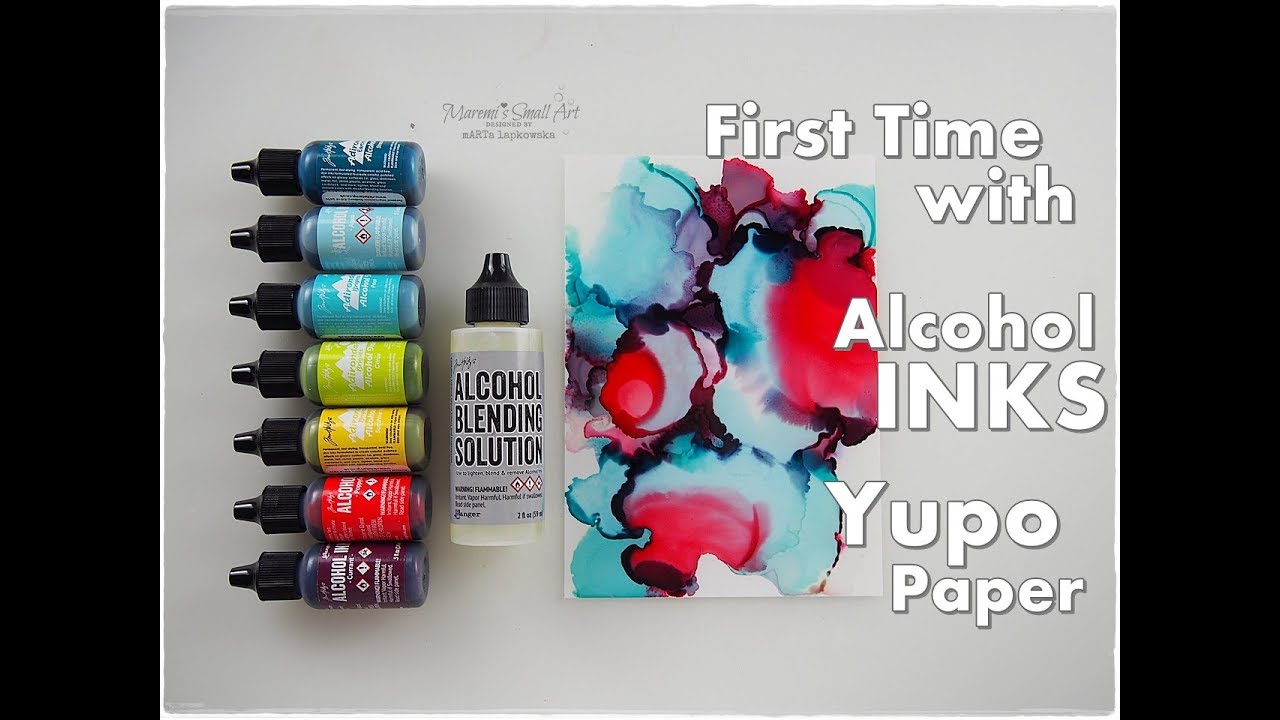
Alcohol Ink Experiments
Alcohol ink provides immediate gratification on synthetic surfaces. Start with simple drops and tilting exercises.
Use just three colors initially. Too many colors can create muddy results while you’re learning flow patterns.
Paint movement becomes intuitive quickly with alcohol inks. The instant feedback helps build confidence with the surface.
Basic Lifting Techniques
Practice paint lifting with clean, damp brushes. The synthetic surface allows you to remove paint hours after application.
Try different lifting tools – brushes, sponges, paper towels. Each creates different textures and effects on the waterproof surface.
Organic patterns often emerge through lifting techniques. Don’t overthink these early experiments.
Building Confidence with the Medium
Accept unpredictability as part of the learning process. Yupo creates effects that can’t be completely controlled, which is often its greatest strength.
Start with loose, experimental approaches rather than tight, detailed work. The surface rewards fluid, confident application over hesitant mark-making.
Document your experiments. Take photos of successful effects so you can attempt to recreate them later.
Understanding Paint Behavior
Paint consistency matters more on synthetic surfaces. Too thick and paint sits on top without proper flow; too thin and it runs everywhere.
Test different painting mediums on scraps first. Each behaves uniquely on the non-porous material.
Drying times extend significantly. Plan your painting sessions accordingly, especially if working in layers.
Common Beginner Mistakes
Overworking wet areas ruins many first attempts. The extended working time can tempt endless adjustments.
Using paint straight from the tube often fails. Dilute appropriately for the flowing effects that make Yupo special.
Expecting traditional watercolor behavior leads to frustration. Embrace the differences rather than fighting them.
Building Your Yupo Toolkit

Must-Have Supplies
Basic watercolor paints work well, though you’ll use them differently. Professional grade paints often perform better on synthetic surfaces.
Soft brushes prevent surface scratching. Natural hair brushes often work better than synthetic ones for watercolor applications.
Spray bottles become crucial tools. Misting keeps areas workable and creates special effects impossible on regular papers.
Essential Tools List
- Isopropyl alcohol for cleaning and special effects
- Paper towels for lifting and texture creation
- Low-tack tape for securing edges
- Hair dryer for controlled drying when needed
Nice-to-Have Additions
Alcohol inks open up completely different possibilities. They work so well on Yupo that many artists consider them essential rather than optional.
Salt and other texture materials behave differently on synthetic surfaces. Experiment with various additives to discover new effects.
Masking fluid works but removes differently than on traditional papers. Test removal techniques on scraps first.
Budget Considerations
Quality pays off with synthetic papers. Cheap alternatives often disappoint and waste money on failed experiments.
Buy moderate quantities initially. One pack of mixed weights lets you discover preferences without major investment.
Factor in learning time. Expect some waste as you adapt techniques to the new surface characteristics.
Practice Projects for Skill Building
Week One: Basic Flow
Simple color drops in wet areas teach fundamental paint behavior. Use just primary colors to understand mixing on the surface.
Practice paint lifting techniques with various tools. Learn timing – when paint lifts easily versus when it’s too set.
Try tilting experiments. Discover how gravity affects paint movement on the waterproof surface.
Week Two: Texture Exploration
Salt effects work differently on synthetic materials. Experiment with timing and salt types to understand the variations.
Alcohol dropping creates unique textures. Start with small amounts to avoid overwhelming your compositions.
Splattering techniques produce crisp results on the smooth surface. The paint doesn’t get absorbed and softened.
Week Three: Color Mixing
Wet color mixing on the surface creates different results than palette mixing. Practice controlling these interactions.
Layer transparent washes while areas stay damp. This builds understanding of how color interacts over time.
Gradation effects happen naturally through paint flow. Learn to guide rather than force these transitions.
Moving Beyond Basics
Develop personal techniques that work with rather than against the surface properties. Each artist finds different approaches that suit their style.
Combine traditional methods with Yupo-specific effects. The most successful artists blend conventional skills with synthetic surface advantages.
Join online communities focused on synthetic surface painting. Sharing experiences speeds up the learning process significantly.
FAQ on What Is Yupo Paper
What exactly is Yupo paper made from?
Yupo is a synthetic polypropylene substrate that’s completely waterproof and non-absorbent.
Unlike traditional papers made from cotton or wood fibers, this polymer material creates a smooth, tear-resistant surface that keeps paint sitting on top rather than absorbing into the material.
Can you use regular watercolor paints on Yupo?
Yes, standard watercolor painting supplies work on Yupo, but paint behavior changes dramatically.
Colors stay wet longer, blend differently, and can be lifted hours after application. Dilute paints slightly more than usual for best results on the synthetic surface.
How long does paint take to dry on Yupo?
Drying times extend significantly on this non-porous surface – often 2-6 hours depending on humidity and paint thickness.
The waterproof material prevents absorption, so paint must dry purely through evaporation. This extended working time becomes an advantage for complex blending techniques.
What makes Yupo different from regular watercolor paper?
The non-absorbent synthetic substrate fundamentally changes paint behavior. Colors flow organically, stay workable for hours, and create natural separations impossible on traditional papers.
Paint sits on the surface rather than soaking in, allowing unique lifting and manipulation techniques.
Which art techniques work best on Yupo?
Wet-on-wet techniques, alcohol ink applications, and fluid abstract methods excel on this surface.
The extended working time and organic paint flow make it ideal for spontaneous effects, color blending, and experimental approaches that embrace happy accidents.
Is Yupo paper worth the higher cost?
For artists exploring fluid painting techniques or alcohol ink, Yupo’s unique properties justify the premium price.
The tear-resistant, waterproof surface and predictable quality often prove more economical than wasting cheaper materials on failed experiments with unpredictable synthetic alternatives.
Can you erase or correct mistakes on Yupo?
Paint lifting works exceptionally well on the synthetic surface, even hours after application. Use clean, damp brushes or sponges to remove unwanted areas. The non-absorbent material allows corrections that would be impossible on traditional watercolor papers.
What paper weight should beginners choose?
Start with 200gsm weight for manageable handling characteristics. Lighter weights can buckle when wet, while heavier weights cost more and may intimidate newcomers. Medium weights provide the best balance of stability and affordability for learning the surface.
How do you store finished Yupo artwork?
Store flat when possible to prevent permanent creasing. The flexible synthetic material can be rolled carefully with painted surface outward if necessary. Use acid-free tissue between pieces and avoid folding, as creases in polymer substrates often become permanent.
What’s the biggest mistake beginners make with Yupo?
Overworking wet areas ruins many first attempts. The extended drying time tempts endless adjustments, but the surface often produces better results with confident, direct application. Accept the organic paint flow rather than trying to control every effect.
Conclusion
Understanding what is yupo paper opens doors to creative techniques impossible with traditional materials.
This synthetic substrate transforms how artists approach fluid painting, offering extended working times and organic paint flow that conventional papers simply can’t match.
The polymer surface excels in alcohol ink applications, experimental watercolor methods, and mixed media work. Artists discover new possibilities through paint lifting, natural color separations, and atmospheric effects that develop spontaneously.
Professional artists increasingly choose Yupo for projects requiring tear-resistant durability and waterproof properties. The investment proves worthwhile when techniques depend on the unique characteristics this synthetic material provides.
Success with Yupo requires patience and willingness to adapt traditional approaches.
The extended drying times and unpredictable paint behavior challenge conventional methods but reward experimentation with effects unachievable on absorbent surfaces.
Whether exploring abstract expressions or developing new fluid techniques, Yupo’s non-porous surface provides the foundation for artistic discoveries that continue pushing creative boundaries in contemporary painting.


