

Your palette knife vs brush painting choice shapes everything from texture to working speed. Both tools create stunning art, but they demand different skills and produce completely different effects.
Many artists struggle with this decision because each tool offers unique advantages. Knives build thick, sculptural paint layers while brushes allow smooth color transitions and fine details.
This guide examines both approaches through practical experience. You’ll discover which tool matches your artistic goals, budget, and working style.
By the end, you’ll understand:
- Technique differences that affect your painting process
- Visual effects each tool creates naturally
- Cost and maintenance considerations
- How to choose based on your specific needs
Whether you’re starting your oil painting journey or expanding your artistic toolkit, this comparison helps you invest in the right approach.
Technique Differences Between Knives and Brushes

Paint Application Methods
Palette knives spread paint like butter on toast. The blade scrapes across canvas surfaces, creating thick layers that catch light. Each stroke leaves a clean edge.
Brushes work differently. They pull and push paint with bristles that bend and flex. The paint flows more smoothly, blending as you work.
Loading Techniques
Knife painting requires loading the blade edge with paint. You scoop from your palette, then press and drag. The paint builds up in ridges and valleys.
Brushwork uses the bristles as tiny reservoirs. Paint soaks into the fibers. You can control flow by adjusting pressure and angle.
Mark-Making Characteristics
Sharp Edges vs Soft Transitions
Knives create crisp, clean edges automatically. Every stroke has definition. The paint stops where the blade stops.
Brushes make softer marks. Paint feathers at the edges. Colors blend naturally where strokes meet. This works great for atmospheric perspective in landscape work.
Gestural Possibilities
Knife work feels bold and decisive. Each mark commits. You can’t really “tickle” with a knife – it’s all about confident gestures.
Brushes allow delicate touches. You can barely graze the surface. Or press hard for thick strokes. The range feels endless.
Color Mixing Approaches
On-Canvas Mixing
Knives excel at mixing directly on canvas. Load different colors on the blade. Press and scrape to blend. The results stay clean because metal doesn’t absorb paint.
Brush mixing on canvas creates muddier results. Paint gets trapped in bristles from previous strokes. Colors contaminate each other.
Palette Preparation
Brush painters mix most colors on their palette first. They need clean, pre-mixed piles for smooth application.
Knife artists often work with pure colors straight from tubes. They let the mixing happen during application. This keeps colors vibrant and fresh.
Artistic Effects and Visual Outcomes
Texture Creation Capabilities
Heavy Impasto Effects
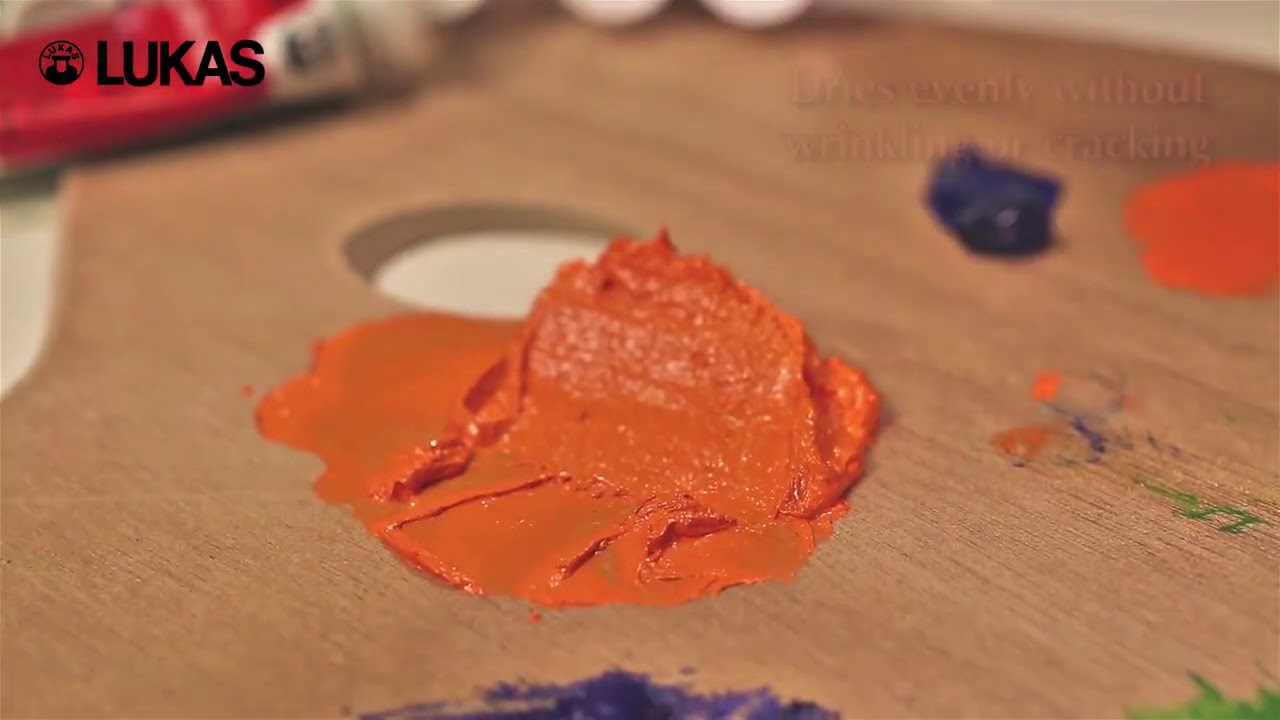
Palette knives build serious texture. Paint piles up in thick ridges. Light plays across these raised surfaces, creating dynamic shadows. Vincent van Gogh used this technique to make his paintings practically sculptural.
Brushes can create impasto too, but it’s harder work. You need stiff bristles and thick paint. The results usually feel smoother than knife work.
Surface Pattern Creation
Knives create consistent patterns naturally. The blade width determines stroke size. Overlapping strokes build rhythmic textures.
Brush patterns depend on bristle arrangement. Fan brushes make different marks than flats. Round brushes create yet another pattern. Each tool has its signature.
Edge Quality Control

Hard vs Soft Edge Management
Knife painting produces clean, hard edges without effort. Every color boundary stays distinct. This works perfectly for geometric compositions or architectural subjects.
Brush painting specializes in soft edges. Colors flow together. Edges disappear and reappear. This suits impressionism and atmospheric effects.
Broken Color Techniques
Knives apply broken color beautifully. Load multiple colors on the blade. Drag across canvas. Some areas blend, others stay separate. The eye mixes colors optically.
Brushes require more planning for broken color. You need to control pressure and direction carefully. Too much blending kills the effect.
Style Compatibility
Abstract and Contemporary Work
Knife painting fits modern abstract styles perfectly. The tool matches the bold, gestural approach. Paint thickness adds physical presence to color relationships.
Contemporary artists often combine both tools. Knives for bold areas, brushes for details. This mixed approach offers maximum flexibility.
Traditional Techniques
Classical painting relies heavily on brushwork. Renaissance masters built forms through careful brush control. Sfumato effects require brush blending.
Knives appeared later in art history. They became popular with impressionist painters who wanted thicker paint application. Oil painting mediums work best with knife techniques.
Visual Impact Differences

Color Intensity
Knife-applied paint looks more intense. Thick layers reflect more light. Colors appear to glow from within. The physical texture adds visual weight.
Brush-applied paint often appears more subtle. Thin layers let canvas texture show through. Colors feel more integrated with the surface.
Compositional Effects
Knife work creates natural focal points through texture. Thick areas draw attention automatically. The eye follows paint ridges across the surface.
Brush painting offers better tonal control. Smooth gradations guide the viewer’s eye. Subtle value changes create depth and form.
Medium-Specific Considerations
Acrylic Paint Compatibility
Acrylic painting works well with both tools, but differently. Acrylics dry fast, so knife work needs quick execution. Brushwork allows more blending time with slower-drying mediums.
Surface Requirements
Knife painting needs sturdy surfaces. Canvas must be properly stretched and primed. The scraping action puts stress on the painting surface.
Brush painting works on more delicate surfaces. Paper, thin canvas, even fabric responds well to brush application. The gentler touch preserves surface integrity.
Practical Considerations for Artists
Paint Consumption and Waste
Usage Rates
Palette knives use more paint than brushes. The thick application method demands generous paint loading. A single stroke might use what brushwork spreads across several areas.
Brushes stretch paint further. The bristles distribute thin layers efficiently. You cover more canvas with less paint.
Paint Tube Efficiency
Knife painters go through tubes faster. Thick impasto techniques consume paint rapidly. Budget for higher material costs with this approach.
Brush techniques make supplies last longer. Thin applications use minimal paint. Glazing and scumbling techniques extend expensive pigments.
Cleanup Requirements
Tool Maintenance
Knives clean easily. Scrape off paint with a palette knife or rag. Metal surfaces don’t absorb paint or solvents.
Brushes need careful cleaning. Paint trapped in bristles requires thorough solvent work. Neglect ruins expensive brushes permanently.
Studio Management
- Knife painting creates more paint waste on palettes
- Thick paint chunks fall on studio floors
- Paper towel consumption increases significantly
- Solvent usage stays relatively low
Working Speed and Efficiency
Coverage Rates
Knives cover large areas quickly. Bold strokes fill space fast. Backgrounds and broad passages get completed rapidly.
Detailed brushwork takes time. Building forms through careful strokes requires patience. Rush the process and quality suffers.
Session Management
Knife painting suits shorter, intense sessions. The physical demands tire hands and arms. Plan for frequent breaks.
Brush painting allows longer working periods. The gentler motions feel less taxing. Marathon painting sessions become possible.
Physical Demands and Ergonomics
Hand and Wrist Strain
Knife work strains wrists differently than brushwork. The scraping motion uses different muscle groups. Some artists develop repetitive stress injuries.
Brush painting uses familiar writing motions. The movements feel natural from the start. Less adaptation required for most people.
Posture Considerations
Knife painting often requires standing. The bold gestures need full arm movement. Sitting restricts motion too much.
Brushwork adapts to any position. Sit, stand, or work at any angle. Detail work actually benefits from stable seating.
Subject Matter Suitability
Landscape Painting Applications

Sky and Cloud Treatments
Palette knives excel at dramatic skies. Thick paint catches light like real clouds. Quick strokes capture changing weather perfectly. Storm clouds feel convincing with heavy impasto.
Brush painting creates softer, more atmospheric skies. Color gradations blend smoothly. Subtle tonal shifts suggest distance and mood.
Foliage and Natural Textures
Knife-painted trees have bold character. Each leaf mass becomes a distinct color note. The texture mimics natural roughness.
Brushwork allows detailed foliage rendering. Individual leaves become possible. Impressionist techniques capture light filtering through branches.
Water Surface Effects
- Knife painting: Creates convincing water ripples through directional strokes
- Brush painting: Achieves smooth reflections and subtle surface tensions
- Both methods handle different water moods effectively
Portrait and Figure Work
Skin Tone Rendering
Brush painting dominates portrait work for good reason. Smooth color transitions create convincing flesh. Subtle modeling builds dimensional forms.
Knife portraits have bold impact but limited subtlety. Think expressionist rather than realistic. The thick paint creates sculptural faces.
Hair and Clothing Details
Brushes handle hair texture naturally. Different brush types create various hair qualities. Smooth locks or wild curls both work.
Knives struggle with fine hair details. Clothing folds require careful planning. Simple shapes work better than complex drapery.
Still Life Considerations
Object Surface Qualities
Reflective Surfaces

Brush painting captures reflections through careful value control. Smooth gradations suggest polished metals and glass.
Knife painting treats reflections as bold color shapes. Less realistic but often more dynamic. Think Cézanne’s apples rather than photographic accuracy.
Fabric and Soft Materials
- Brushwork excels at: Silk, velvet, soft fabrics, delicate textures
- Knife work suits: Canvas, rough weaves, bold patterns, simple forms
Architectural Subjects
Building Details
Knives handle architectural subjects well. Hard edges come naturally. Geometric shapes suit the tool’s characteristics.
Brushes offer more control for intricate details. Window mullions, decorative elements, and fine stonework require precise brush handling.
Perspective and Structure
Both tools work for linear perspective, but differently. Knives create bold, simplified structures. Brushes allow detailed architectural rendering.
Abstract and Contemporary Subjects
Color Field Approaches
Knife painting creates natural color field effects. Large areas of pure color build easily. The paint thickness adds physical presence.
Brush painting offers smoother color fields. Even applications create unified surfaces. Color theory relationships become primary.
Gestural Expression
- Knives encourage bold, committed gestures
- Brushes allow both bold and delicate marks
- Mixed approaches combine strengths effectively
Genre-Specific Recommendations
Plein Air Painting

En plein air painting suits both approaches. Knives work fast for changing light. Brushes capture atmospheric subtleties.
Weather affects tool choice. Windy conditions favor knives over brushes. Paint consistency stays manageable with knife techniques.
Studio Work
Studio painting allows tool combinations. Start with knives for bold areas. Add brush details later. This approach maximizes both strengths.
Plan your approach based on subject demands. Simple subjects suit knife work. Complex subjects need brush precision.
Learning Curve and Skill Development
Beginner-Friendly Aspects
Initial Control Challenges
Palette knives feel foreign at first. The scraping motion differs from familiar writing movements. Paint loads unpredictably until you develop touch sensitivity.
Brushes connect to drawing experience. Most people have held similar tools. The learning curve starts gentler.
Common Mistakes to Avoid
New knife painters overload paint. Too much creates uncontrollable messes. Light loading teaches better control.
Brush beginners often press too hard. This damages bristles and creates harsh marks. Gentle pressure produces better results.
Basic Technique Mastery

Essential Skills for Knives
- Paint loading without drips
- Pressure control for varied marks
- Clean color changes between strokes
- Edge management for sharp boundaries
Fundamental Brush Skills
- Proper grip and posture
- Bristle care during use
- Color mixing on palette
- Stroke direction consistency
Advanced Technique Development
Professional Skill Building
Knife mastery requires understanding paint consistency. Different mediums behave differently. Oil painting allows longer working time than acrylic painting.
Advanced brush techniques include glazing, scumbling, and broken color methods. These skills take years to develop fully.
Style Exploration Paths
Knife painting leads naturally toward expressionist and abstract approaches. The tool’s boldness suits these styles.
Brush painting opens doors to realism, impressionism, and detailed approaches. Greater control enables precision work.
Personal Voice Development
Finding Your Approach
Some artists naturally gravitate toward bold gestures. These personalities often prefer knife work. Others enjoy detailed, controlled approaches that favor brushes.
Try both methods extensively before committing. Your natural tendencies will emerge through practice.
Mixed Media Integration
Advanced artists combine both tools strategically. Knives for bold areas, brushes for details. This approach maximizes expressive range.
Cost and Maintenance Factors
Initial Investment Requirements
Quality Palette Knife Prices
Professional knives cost $15-50 each. A basic set includes 3-4 different shapes. Student-grade knives start around $8 but wear quickly.
Quality matters more with knives than brushes. Cheap blades bend and lose their edge. Invest in metal construction over plastic handles.
Professional Brush Costs
- Natural bristle brushes: $20-100+ for quality pieces
- Synthetic brushes: $5-30 for good performance
- Starter sets: $30-80 for basic collection
- Specialty brushes: $40-200 for unique applications
Longevity and Durability
Knife Wear Patterns
Good knives last decades with proper care. The metal blade doesn’t deteriorate. Handles may need replacement after heavy use.
Avoid using knives on rough surfaces. Canvas texture gradually dulls the edge. Palette scraping causes most wear.
Brush Lifespan Factors
Natural bristle brushes outlast synthetic when maintained properly. Cleaning oil paint brushes requires more care than water-based mediums.
Poor cleaning destroys brushes quickly. Dried paint splits bristles permanently. Daily maintenance prevents expensive replacements.
Storage Requirements
Knife Storage Solutions
- Blade guards prevent edge damage
- Magnetic strips keep knives organized
- Drawer slots protect handles
- Travel cases for portable setups
Brush Protection Methods
Proper brush storage prevents bristle damage. Store brushes upright or hanging. Never rest bristles against surfaces.
Moths attack natural bristles in storage. Cedar blocks or lavender sachets provide protection. Check stored brushes regularly.
Hidden Costs and Considerations
Solvent and Cleaner Usage
Knife cleaning uses minimal solvents. Scrape paint off, wipe clean. Simple maintenance keeps costs low.
Brush cleaning consumes more supplies. Quality solvents, soaps, and conditioners add up. Budget $20-40 monthly for active painters.
Paper Towel and Rag Needs
- Knife painting: Higher paper towel consumption
- Brush painting: More rag cleaning required
- Both methods need adequate cleanup supplies
Studio Space Requirements
Palette Preparation Differences
Knife painting needs larger palettes. Paint piles require more space. Glass or disposable palettes work best.
Brush painting uses traditional palette arrangements. Smaller mixing areas suffice for most techniques. Wooden or plastic palettes both work well.
Ventilation Considerations
Both methods require proper ventilation when using solvents. Knife painting may use slightly more medium for paint consistency.
Budget Planning Guidelines
Starter Investment Comparison
Knife painting startup: $100-200 for tools and basic supplies Brush painting startup: $150-300 for quality brush collection
Factor in ongoing supply costs. Knife painting uses more paint but fewer cleaning supplies.
Long-Term Cost Analysis
Brush replacement creates ongoing expenses. Quality brushes justify higher initial costs through longevity.
Knife maintenance costs stay minimal. Occasional blade replacement or handle repair. Most expenses go toward paint and mediums.
Cost-Saving Strategies
Smart Shopping Tips
- Buy knife sets for better value
- Choose brushes based on actual needs
- Test tools before major purchases
- Consider used equipment from art schools
Maintenance Investment
Proper tool care saves money long-term. Quality cleaning supplies cost less than tool replacement. Develop good maintenance habits early.
Making Your Choice Based on Goals
Personal Artistic Vision Assessment
Preferred Visual Outcomes
Ask yourself what kind of paintings excite you. Bold, textural works with thick paint suggest knife painting compatibility. Smooth, detailed paintings favor brush techniques.
Look at artists whose work you admire. Pablo Picasso used both tools strategically. Claude Monet relied primarily on brushwork for his impressionist masterpieces.
Expressive Goals Alignment
- High emotion and energy: Knives deliver bold impact
- Subtle mood and atmosphere: Brushes excel at nuance
- Mixed expression needs: Combined approach works best
Technical Interest Levels
Detail vs Gesture Preference
Some painters love getting lost in details. Hair strands, fabric textures, minute color shifts. Brushwork supports this obsessive attention.
Others prefer bold statements. Quick sessions, dramatic gestures, confident marks. Knife painting matches this temperament perfectly.
Learning Commitment
Brush mastery requires longer development time. Techniques like sfumato and glazing take years to perfect.
Knife basics come faster. The learning curve feels steeper initially but levels off sooner.
Practical Lifestyle Considerations
Available Painting Time
Session Length Preferences
- Short bursts (30-60 minutes): Knives work well for quick paintings
- Extended sessions (2+ hours): Brushes allow detailed development
- Variable schedules: Both tools adapt to different time frames
Frequency of Practice
Regular practice suits both approaches. Daily sketching favors brushes for convenience. Weekend painting sessions accommodate knife work’s intensity.
Studio Space Limitations
Physical Workspace
Knife painting needs room for bold gestures. Cramped spaces restrict movement. Standing work requires adequate ceiling height.
Brush painting adapts to any space. Detail work succeeds in small areas. Sitting positions work fine for most techniques.
Storage and Organization
- Knives need minimal storage space
- Brush collections require organized systems
- Both need proper cleaning stations
Physical Capabilities
Hand and Arm Strength
Knife work demands more physical effort. The scraping motion tires hands faster. Consider arthritis or repetitive stress concerns.
Brush painting uses gentler motions. Less physical strain allows longer working sessions. Better choice for physical limitations.
Posture Requirements
Evaluate your comfortable working positions. Knife painting often requires standing. Brush painting accommodates various postures.
Budget Constraints
Initial Investment Planning
Tool Costs Comparison
- Knife starter set: $50-150 for quality tools
- Brush collection: $100-300 for comprehensive range
- Both approaches: $200-400 for complete setup
Ongoing Supply Expenses
Factor in paint consumption differences. Knife techniques use more paint but require fewer cleaning supplies.
Brush maintenance costs add up. Quality cleaning products and replacement brushes create ongoing expenses.
Experimentation Recommendations
Trial Period Approaches
Try both methods for at least a month each. Single sessions don’t reveal tool preferences. Extended use shows comfort levels.
Rent or borrow tools initially. Many art centers offer equipment trials. This prevents costly mistakes.
Workshop Participation Benefits
Learning Opportunities
- Knife painting workshops: Focus on bold techniques and color mixing
- Brush technique classes: Cover detailed methods and traditional approaches
- Mixed media sessions: Explore combined tool usage
Peer Learning
Watch other artists work. Notice their tool choices for different effects. Direct observation teaches faster than theory.
Goal-Specific Recommendations
Career Aspirations
Professional artists often use both tools. Gallery work may favor one approach over another. Research your target market preferences.
Teaching opportunities exist for both specialties. Brush instruction has broader appeal. Knife workshops attract specific enthusiasts.
Personal Satisfaction Goals
Stress Relief Painting
Knife painting offers physical release. The bold motions feel therapeutic. Good choice for unwinding after desk jobs.
Brush painting provides meditative focus. Detailed work quiets mental chatter. Excellent for anxiety management.
Creative Challenge Seeking
Advanced painters often switch tools for new challenges. Knife specialists try brushwork for growth. Brush experts explore knife boldness.
Decision Framework
Priority Ranking Exercise
- List your top 3 artistic goals
- Rank physical and practical constraints
- Consider budget and time limitations
- Match tools to highest priorities
Flexibility Planning
Avoid rigid tool commitments early on. Artistic growth changes preferences. Leave room for evolution and exploration.
Most successful painters eventually use both approaches strategically.
FAQ on Palette Knife Vs Brush Painting
Which is better for beginners: palette knife or brush?
Brushes are more beginner-friendly because they feel familiar from drawing experience. Palette knives require learning new motions and paint loading techniques. However, knives teach color mixing faster and create impressive results quickly, which motivates new painters.
Can you use both tools in the same painting?
Absolutely. Most professional artists combine both approaches strategically. Knives work for bold areas and backgrounds while brushes handle details and smooth transitions. This mixed technique appears in many impressionist and contemporary works.
Which tool uses more paint?
Palette knives consume significantly more paint due to thick impasto applications. A single knife stroke might use what brushwork spreads across multiple areas. Budget for higher paint costs with knife techniques, especially when working large.
Are palette knives only for oil painting?
No. Knives work excellently with acrylic painting and other thick mediums. Oil painting offers longer working time, but acrylics create similar textural effects. Avoid knives with thin, watery mediums like watercolor painting.
How do you clean palette knives vs brushes?
Knives clean easily with scraping and wiping. No solvents needed usually. Brushes require thorough cleaning with appropriate solvents, soaps, and conditioners. Poor brush maintenance destroys expensive tools permanently.
Which creates better texture in paintings?
Palette knives naturally create heavy texture through thick paint application. The blade builds ridges and valleys that catch light dramatically. Brushes create smoother textures but require special techniques for heavy impasto effects.
Do palette knives work for portrait painting?
Knives can create striking portraits but with limited detail. Think expressionist style rather than photorealistic. Brush painting dominates portrait work because smooth color transitions and fine details require precise control.
Which is faster: knife or brush painting?
Knife painting covers areas faster through bold, thick strokes. Large backgrounds finish quickly. However, knife work requires more drying time due to paint thickness. Brush painting allows faster detail work and smoother workflow.
Can you create realistic paintings with palette knives?
Knives create stylized realism but struggle with fine details. Photorealism requires brush precision. Knife realism focuses on bold shapes and color relationships rather than minute details. Think Paul Cézanne‘s approach.
Which tool is more expensive to maintain?
Palette knives cost less long-term. Quality knives last decades with minimal maintenance. Brushes require regular replacement, cleaning supplies, and proper storage. Factor ongoing brush costs into your budget planning.
Conclusion
The palette knife vs brush painting decision ultimately depends on your artistic vision and practical needs. Neither tool is superior – they serve different creative purposes and produce distinct visual effects.
Knives excel at bold abstract work and dramatic texture creation. They suit artists who want immediate impact and thick paint application. Paint consumption increases but cleanup stays simple.
Brushes dominate detailed work and smooth atmospheric perspective effects. They’re perfect for realism and careful composition development. Maintenance requires more effort but offers greater control.
Most experienced artists use both strategically. Try each approach extensively before committing. Your natural working style and artistic goals will guide the choice.
Start with the tool that matches your current interests. Artistic growth happens through experimentation, not perfect initial decisions.


