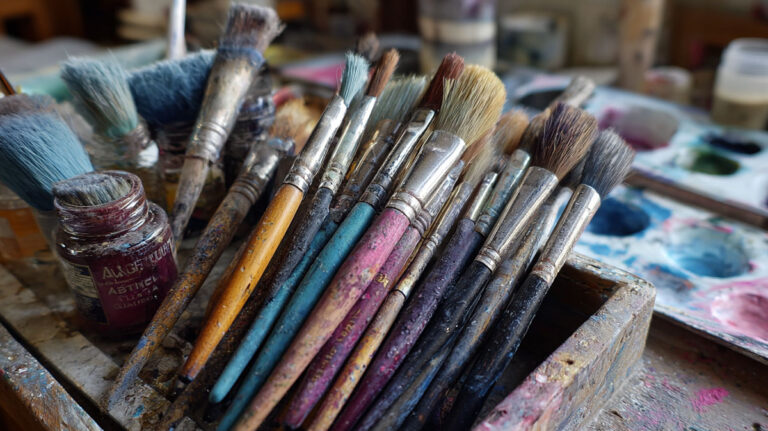
Every artist faces the wooden vs plastic palette decision at some point in their creative journey.
The choice seems simple until you realize how dramatically palette material affects paint mixing, cleanup routines, and overall painting experience.
Professional artists have debated this topic for decades. Some swear by traditional wooden palettes for their superior paint interaction, while others prefer plastic alternatives for convenience and cost-effectiveness.
Your palette choice impacts everything from color mixing accuracy to studio workflow efficiency. The wrong decision can frustrate beginners and limit experienced artists’ technique development.
This guide examines both palette materials objectively, covering performance differences across various painting scenarios.
You’ll discover which option suits your skill level, preferred painting mediums, budget constraints, and artistic goals.
We’ll analyze material properties, maintenance requirements, cost considerations, and practical applications to help you make an informed decision.
Wooden Palettes: Traditional Choice with Natural Benefits

Material Properties and Construction
Wood Types Used in Palette Making
Traditional artist palettes come from various hardwoods. Mahogany and birch remain popular choices for professional artists. Each wood type offers different grain patterns that affect paint mixing behavior.
Some manufacturers use cherry or walnut. These woods provide excellent durability while maintaining a smooth working surface.
Grain Patterns and Surface Texture
Wood grain creates subtle texture variations across the palette surface. Fine grain patterns help prevent paint from sliding during color mixing sessions. The natural texture aids in blending techniques that plastic surfaces struggle to match.
Coarser grains can interfere with detailed color work. Most artists prefer medium-grain options for versatile painting applications.
Natural Oil Absorption Characteristics
Wood naturally absorbs oils from oil painting mediums. This absorption helps maintain proper paint consistency during extended painting sessions. The surface gradually becomes conditioned through repeated use.
Fresh wooden palettes require seasoning before first use. Artists typically rub linseed oil into the surface to prepare it properly.
Weight Distribution and Balance
Well-made wooden palettes offer superior hand balance compared to plastic alternatives. The natural weight feels substantial without causing fatigue. Proper thumb hole placement distributes weight evenly across the hand.
Quality construction ensures long-term comfort during extended painting sessions.
Paint Interaction Advantages
Absorbent Surface Prevents Paint Sliding
The porous nature of wood creates friction that keeps paint mixtures stable. Colors stay where you place them during complex blending work. This stability proves especially valuable when working with watercolor painting or fluid acrylics.
Paint doesn’t migrate across the surface like it does on smooth plastic.
Natural Texture Aids Color Mixing
Wood grain provides micro-texture that helps break down paint particles during mixing. This creates smoother color transitions than plastic surfaces allow. The texture assists in creating subtle gradations and complex color relationships.
Professional artists often prefer this tactile feedback during color development.
Temperature Regulation Keeps Paint Workable
Wood insulates paint from temperature changes better than plastic. Colors remain workable longer in varying studio conditions. This temperature stability prevents premature drying that can ruin expensive pigments.
The thermal mass of wood provides consistent working conditions throughout painting sessions.
Staining Creates Personalized Color Reference
Over time, absorbed pigments create a permanent color reference on the palette surface. Many artists value this patina as it develops unique character. The stained surface can actually help with color matching in future paintings.
This aging process adds to the palette’s functionality rather than detracting from it.
Aesthetic and Ergonomic Benefits
Classic Artist Studio Appearance
Wooden palettes maintain the traditional look expected in professional art studios. They photograph well for social media and teaching demonstrations. The classic appearance connects modern artists to centuries of painting tradition.
Many art instructors prefer wooden palettes for their professional presentation.
Comfortable Grip and Hand Positioning
The natural material feels comfortable against skin during long painting sessions. Wood doesn’t become slippery when hands perspire. The ergonomic design of traditional thumb holes accommodates various hand sizes.
Quality wooden palettes reduce hand fatigue compared to rigid plastic alternatives.
Thumb Hole Design and Weight Distribution
Traditional oval shapes with properly positioned thumb holes provide optimal balance. The weight distributes across the palm rather than concentrating in the fingers. This design has evolved over centuries of practical use.
Well-balanced palettes allow artists to focus on their work rather than hand discomfort.
Professional Appearance in Art Settings
Wooden palettes convey seriousness and commitment to the craft. They’re expected equipment in professional studios and art schools. The traditional appearance helps establish credibility with clients and students.
Many professional artists consider wooden palettes part of their essential toolkit.
Maintenance and Care Requirements

Initial Seasoning Process
New wooden palettes require preparation before first use. Artists must sand the surface lightly and apply linseed oil treatments. This process takes several days but creates an ideal working surface.
Proper seasoning prevents paint from soaking too deeply into the wood grain.
Daily Cleaning Routines
Remove wet paint immediately after each session. Use a palette knife to scrape off excess material. Apply appropriate solvents for different painting mediums used.
Never soak wooden palettes in water as this causes warping and cracking.
Preventing Warping and Cracking
Store palettes flat in controlled humidity environments. Avoid extreme temperature changes that cause wood movement. Apply periodic oil treatments to maintain moisture balance.
Proper storage prevents costly damage that renders palettes unusable.
Long-term Conditioning and Restoration
Older palettes benefit from periodic refinishing. Light sanding removes built-up paint layers. Fresh oil applications restore the working surface to optimal condition.
Well-maintained wooden palettes can last for decades with proper care.
Plastic Palettes: Modern Convenience and Practicality

Material Composition and Design Features
Types of Plastic Used
Modern palettes use various polymer materials designed for paint compatibility. High-density polyethylene offers durability and chemical resistance. Some manufacturers use polystyrene for lightweight disposable options.
Each plastic type has specific advantages for different painting applications.
Surface Treatments and Texture Options
Manufacturers apply different surface textures to improve paint mixing. Some feature slightly roughened areas that provide better grip. Others remain completely smooth for easy cleanup.
Textured zones help simulate some benefits of traditional wooden surfaces.
Flexibility Versus Rigidity
Thin plastic palettes flex during use, which some artists find distracting. Thicker versions provide rigidity comparable to wood. The flexibility can actually help when scraping off dried paint.
Rigid designs feel more familiar to artists transitioning from wooden palettes.
Manufacturing Quality Variations
Budget plastic palettes often have rough edges and poor thumb hole finishing. Professional-grade options feature smooth edges and ergonomic designs. Quality differences significantly impact user experience and durability.
Investment in higher-quality plastic palettes pays off through extended use.
Cleanup and Maintenance Advantages
Non-porous Surface Prevents Paint Absorption
Plastic’s sealed surface prevents paint from penetrating the material. Colors wipe off completely without leaving permanent stains. This makes palette sharing practical in classroom settings.
Complete removal of all paint residue maintains color accuracy for future sessions.
Easy Soap and Water Cleaning
Most plastic palettes clean completely with warm soapy water. No special solvents or treatments are required. This simplicity appeals to beginner artists and casual painters.
Quick cleanup encourages more frequent painting sessions.
Resistance to Staining and Discoloration
Quality plastic palettes maintain their original appearance indefinitely. Strong pigments that permanently stain wood wash off plastic easily. This consistency helps with accurate color mixing assessment.
White plastic surfaces provide neutral backgrounds for color evaluation.
No Special Conditioning Requirements
Plastic palettes work immediately without preparation or seasoning. No ongoing maintenance treatments are needed. This convenience suits artists who prefer minimal equipment preparation.
Ready-to-use functionality eliminates barriers to painting sessions.
Durability and Practical Benefits

Impact Resistance and Crack Prevention
Quality plastic palettes withstand drops that would crack wooden alternatives. The flexible material absorbs impact without permanent damage. This durability suits travel and outdoor painting situations.
Replacement costs remain minimal even with regular rough handling.
Weather Resistance for Outdoor Painting
Plastic palettes handle moisture and temperature changes better than wood. They’re ideal for en plein air painting sessions. Rain and humidity don’t cause warping or other damage.
Weather immunity makes plastic palettes reliable in any environment.
Lightweight Design for Extended Use
Plastic palettes weigh significantly less than wooden equivalents. This reduces hand fatigue during long painting sessions. The light weight also benefits artists with arthritis or grip strength issues.
Reduced weight doesn’t compromise functionality for most painting applications.
Stackable Storage Options
Multiple plastic palettes stack efficiently for storage. Art teachers appreciate this space-saving feature. The stackable design also protects surfaces from scratching during storage.
Efficient storage helps maintain organized studio spaces.
Cost-Effectiveness and Accessibility
Lower Initial Purchase Price
Basic plastic palettes cost a fraction of quality wooden alternatives. This affordability makes them accessible to student artists and hobbyists. Lower barriers to entry encourage more people to try painting.
Budget-friendly options don’t require significant initial investment.
Replacement Cost Considerations
When plastic palettes wear out, replacement costs remain minimal. Artists can afford multiple palettes for different painting mediums or color schemes. This flexibility supports experimental approaches to painting.
Low replacement costs encourage palette experimentation and specialization.
Availability in Art Supply Stores
Most art retailers stock various plastic palette options. Online availability ensures access even in remote areas. This widespread distribution makes replacement palettes easy to obtain.
Consistent availability prevents interruptions to painting schedules.
Beginner-Friendly Investment Level
New artists can start with plastic palettes without major financial commitment. This allows budget allocation to other essential supplies like quality paints and brushes. The low cost reduces pressure to maintain expensive equipment.
Accessible pricing supports art education and hobby development.
Performance Comparison in Different Painting Scenarios
Oil Painting Applications
Paint Consistency Maintenance on Each Surface
Wooden palettes excel at maintaining proper paint consistency during oil painting sessions. The absorbent surface prevents oils from separating while keeping pigments workable. This natural interaction supports traditional oil painting techniques.
Plastic surfaces cause oils to bead and separate more quickly. Paint slides around during mixing, making precise color work challenging.
Blending Capabilities and Working Time
Wood provides friction that assists in smooth color blending. The texture helps break down paint particles for seamless transitions. Artists achieve better gradations and subtle color variations on wooden surfaces.
Plastic palettes offer less control during blending operations. Paint moves too freely, making controlled mixing difficult.
Cleanup Challenges with Oil-Based Mediums
Oil paint cleanup requires solvents regardless of palette material. Wooden palettes need gentle scraping to avoid surface damage. Solvent application must be minimal to prevent wood absorption.
Plastic palettes handle aggressive cleaning without surface damage. Multiple solvent applications won’t harm the material.
Long-term Paint Removal Effects
Repeated solvent use gradually breaks down wooden palette surfaces. The absorbent nature means some pigment permanently penetrates the wood. This creates character but affects color accuracy over time.
Plastic maintains consistent surface properties despite heavy solvent exposure. Complete paint removal preserves neutral color assessment.
Acrylic Painting Applications
Fast-Drying Paint Behavior
Acrylic painting presents unique challenges due to rapid drying times. Wooden palettes slow drying slightly through moisture absorption. The natural humidity helps extend working time.
Plastic surfaces offer no moisture buffering. Acrylics dry faster on plastic, requiring quicker color mixing decisions.
Easy Removal Versus Permanent Staining
Dried acrylic paint peels off plastic palettes easily. Complete removal maintains surface integrity for future sessions. This cleanup efficiency saves time between painting sessions.
Acrylic paint bonds permanently with wooden surfaces. Removal attempts can damage the wood grain and finish.
Water-Based Cleanup Effectiveness
Wet acrylic paint cleans easily from both surface types with water. Plastic requires minimal scrubbing effort. Wooden palettes need careful water application to prevent warping.
Immediate cleanup works best on plastic surfaces without material concerns.
Surface Preparation Requirements
Plastic palettes work immediately with acrylics without preparation. The non-porous surface provides consistent performance. No special treatments or conditioning are needed.
Wooden palettes benefit from light oil treatment even for acrylic use. This prevents excessive water absorption during cleanup.
Watercolor and Mixed Media Use
Surface Compatibility with Water-Based Paints
Traditional watercolor painting techniques work differently on each palette type. Wooden surfaces absorb water too quickly for controlled mixing. The absorption rate interferes with color development.
Plastic palettes provide better control for watercolor mixing. The non-porous surface allows proper paint flow and blending.
Absorption Rates and Paint Behavior
Wood immediately absorbs water from watercolor paint. This rapid absorption concentrates pigments unnaturally. Color mixing becomes unpredictable with inconsistent water content.
Plastic maintains consistent water-to-pigment ratios during mixing. Artists achieve more accurate color representation.
Cross-Contamination Prevention
Plastic palettes clean completely between different painting mediums. No residual materials affect subsequent color mixing. This contamination control supports mixed media approaches.
Wooden palettes retain traces of previous mediums. Oil residues can interfere with water-based paint adhesion.
Multi-Medium Workflow Integration
Artists using multiple mediums benefit from plastic palette versatility. The same palette works effectively across different paint types. Quick cleanup allows rapid medium changes during creative sessions.
Wooden palettes work best with consistent medium use. Changing between oils and watercolors requires multiple specialized palettes.
Specific Pros and Cons Breakdown
Wooden Palette Advantages
Superior Paint Mixing Properties
The natural texture of wood creates optimal friction for thorough color blending. Paint particles break down more completely than on smooth plastic surfaces. This results in smoother color transitions and better pigment integration.
Professional artists often prefer wood for detailed color work. The tactile feedback helps achieve precise color relationships.
Traditional Aesthetic Appeal
Wooden palettes maintain the classic artist studio appearance valued by traditionalists. They photograph well for instructional content and social media. The professional aesthetic helps establish credibility with clients and students.
Many art schools require wooden palettes for traditional painting courses. The classic appearance connects students to centuries of artistic tradition.
Natural Temperature Regulation
Wood insulates paint from temperature fluctuations better than plastic. Colors remain workable longer in varying studio conditions. This thermal stability prevents premature drying of expensive pigments.
The material’s thermal mass provides consistent working conditions throughout extended painting sessions.
Develops Character Over Time
Absorbed pigments create a unique patina that many artists treasure. This personalized surface becomes a color reference tool. The evolving character adds sentimental value to the palette.
Each artist’s palette develops its own visual history through use. Many consider this aging process part of their artistic identity.
Wooden Palette Disadvantages
High Maintenance Requirements
Wooden palettes demand regular conditioning treatments to maintain optimal performance. Initial seasoning takes time and effort before first use. Ongoing oil applications prevent cracking and warping.
Neglected maintenance leads to surface deterioration and reduced functionality. Many artists find the upkeep burdensome compared to plastic alternatives.
Susceptible to Warping and Damage
Temperature and humidity changes cause wood movement that can crack palettes. Water exposure during cleanup risks permanent warping. Structural damage often renders expensive palettes unusable.
Quality wooden palettes represent significant investments that require careful handling. Environmental conditions must be controlled to prevent damage.
Higher Initial Cost Investment
Professional wooden palettes cost significantly more than plastic alternatives. Quality hardwood construction commands premium prices. This financial barrier can discourage beginning artists.
The investment requires commitment to proper maintenance for cost justification. Many artists delay purchasing wooden palettes until developing serious painting habits.
Paint Absorption Causes Permanent Staining
Pigments penetrate wood grain despite surface treatments. Strong colors create permanent stains that affect color assessment. Visual contamination from previous sessions interferes with accurate color mixing.
The stained surface becomes less neutral over time. Color matching accuracy decreases as the palette develops its patina.
Plastic Palette Advantages

Minimal Maintenance Needed
Plastic palettes require zero conditioning or special treatments. They work immediately without preparation or seasoning periods. Ongoing maintenance consists only of basic cleaning after use.
This simplicity appeals to casual artists and those with limited time. No specialized knowledge or products are needed for palette care.
Complete Paint Removal Capability
All paint residue wipes off plastic surfaces completely. No permanent staining occurs regardless of pigment strength. Total cleanup maintains neutral color assessment capabilities.
The consistently clean surface provides accurate color representation session after session. Color mixing accuracy remains constant throughout the palette’s lifespan.
Affordable Replacement Options
Low purchase prices make palette replacement economical when needed. Artists can afford multiple palettes for different mediums or techniques. Cost accessibility removes barriers to experimentation.
Budget-conscious artists appreciate the minimal financial commitment. Replacement timing becomes a choice rather than a financial burden.
Consistent Surface Performance
Plastic palettes perform identically from first use through end of life. No break-in period or performance changes occur. Predictable behavior supports consistent painting techniques.
Artists can rely on familiar palette performance regardless of environmental conditions. Consistency benefits both learning and professional work.
Plastic Palette Disadvantages
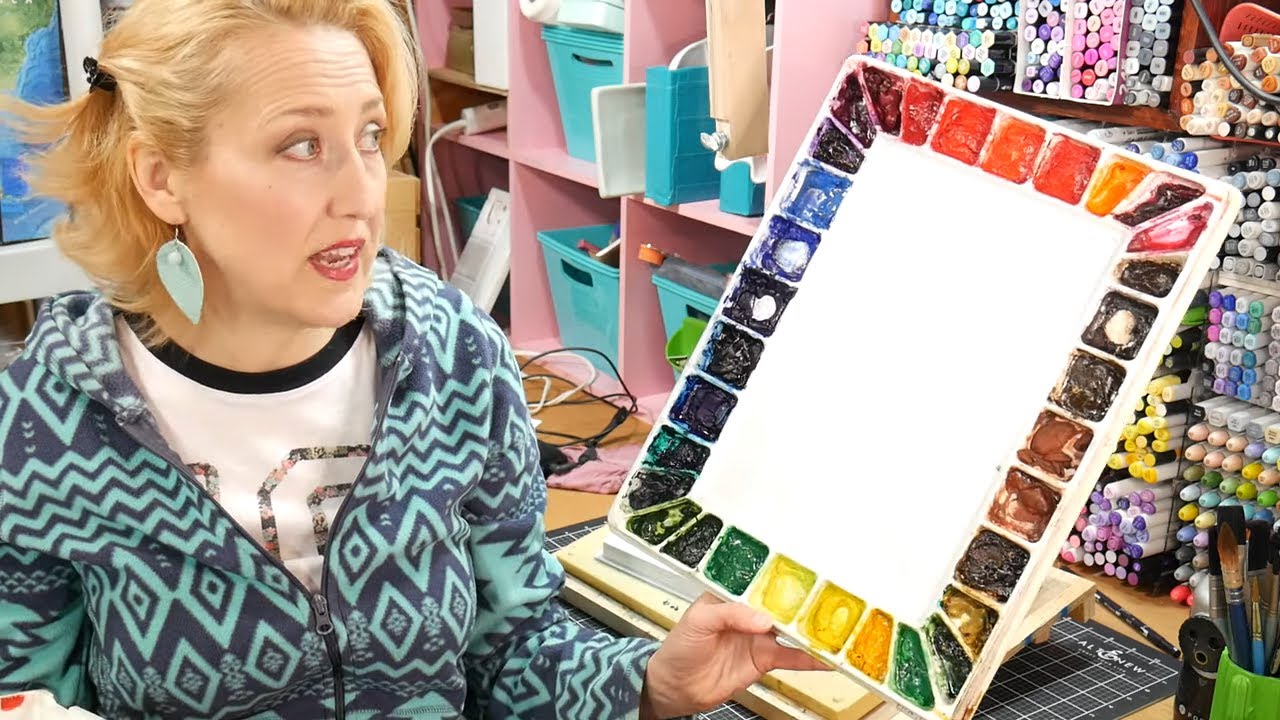
Paint Slides More Easily During Mixing
The smooth plastic surface provides less friction than wood. Paint mixtures move freely, making controlled blending challenging. Reduced control affects detailed color work quality.
Artists must adapt mixing techniques to compensate for the slippery surface. Traditional blending methods may not work effectively on plastic.
Less Professional Appearance
Plastic palettes appear casual compared to traditional wooden alternatives. They may not convey seriousness in professional settings. Aesthetic limitations can affect client and student perceptions.
Art instructors sometimes discourage plastic palettes in formal training programs. The appearance doesn’t support traditional artistic values and practices.
Potential for Scratching and Wear
Aggressive palette knife use can scratch plastic surfaces. Deep scratches interfere with smooth paint application. Surface degradation reduces functionality over time.
Quality varies significantly between manufacturers. Cheap plastic palettes show wear quickly under normal use conditions.
Limited Grip Texture Options
Most plastic palettes offer only smooth surfaces without texture variations. This limits paint mixing feedback compared to natural wood grain. Tactile limitations reduce the sensory aspects of color mixing.
Some artists find plastic palettes feel artificial or disconnected. The synthetic material lacks the natural warmth and texture of traditional wood.
Choosing the Right Palette for Your Needs
Skill Level Considerations
Beginner Artist Requirements and Budget
New artists should prioritize affordable options that allow experimentation without financial pressure.
Plastic palettes offer immediate usability without maintenance learning curves. The low cost enables budget allocation to quality paints and brushes.
Beginners benefit from easy cleanup that encourages frequent practice sessions. Complicated maintenance routines can discourage regular painting habits.
Intermediate Artist Workflow Preferences
Artists developing personal styles may prefer wooden palettes for enhanced control during color mixing. The investment becomes worthwhile as painting frequency increases. Better tools support skill development and technique refinement.
Intermediate artists often work with multiple painting mediums, requiring versatile palette options. Some maintain both wooden and plastic palettes for different applications.
Professional Artist Durability Needs
Professional artists require reliable equipment that performs consistently under heavy use.
Wooden palettes provide superior mixing capabilities for client work. The investment pays off through improved color accuracy and professional presentation.
Quality tools reflect professional standards expected by clients and galleries. Many professionals consider wooden palettes essential studio equipment.
Teaching and Demonstration Contexts
Art instructors need palettes that photograph well for demonstrations.
Wooden palettes provide traditional aesthetic appeal for educational content. Visual consistency helps students understand proper palette techniques.
Classroom settings may require multiple identical palettes for group instruction. Cost considerations often favor plastic options for student use.
Painting Style and Medium Preferences
Alla Prima Versus Layered Painting Techniques
Oil painting techniques like alla prima benefit from wooden palette paint retention properties.
The absorbent surface maintains workable paint consistency throughout sessions. Direct painting methods require stable color mixtures.
Layered techniques may work adequately with plastic palettes since paint quantities remain smaller. Quick cleanup between layers becomes advantageous for systematic approaches.
Studio Versus Plein Air Painting Needs
En plein air painting demands lightweight, durable equipment that handles weather changes. Plastic palettes resist moisture and temperature fluctuations better than wood. Portability becomes a primary consideration for outdoor work.
Studio artists can prioritize mixing quality over portability concerns. Controlled environments allow wooden palettes to perform optimally without weather-related risks.
Large-Scale Versus Detail Work Requirements
Large paintings require substantial paint quantities that benefit from wooden palette absorption properties. The surface prevents paint from sliding during extensive mixing sessions. Color consistency matters more for broad areas and background work.
Detail work uses smaller paint amounts where plastic palette advantages become apparent. Easy cleanup between color changes supports precise technique development.
Experimental Versus Traditional Approaches
Traditional painting methods historically used wooden palettes for authentic technique development. Classical training programs often require wooden palettes for proper skill foundation. The tactile experience connects artists to historical practices.
Experimental artists may prefer plastic palette versatility for mixed media exploration. Quick surface changes support creative experimentation without maintenance concerns.
Budget and Longevity Factors
Initial Investment Versus Long-term Costs
Quality wooden palettes require significant upfront investment but last decades with proper care. Professional-grade options cost $50-200 compared to $5-20 for plastic alternatives. Long-term value depends on usage frequency and care commitment.
Casual artists may never justify wooden palette costs through usage patterns. Professional artists typically recover investments through improved workflow efficiency.
Replacement Frequency Considerations
Plastic palettes require replacement every 1-3 years depending on quality and usage. Budget-friendly replacements make this acceptable for most artists. Multiple palette ownership becomes economically feasible.
Wooden palettes can last lifetimes with proper maintenance. Replacement typically occurs due to damage rather than wear. Insurance against loss becomes important for expensive palettes.
Value Retention and Resale Potential
Quality wooden palettes retain resale value if properly maintained. Vintage or artist-owned palettes sometimes appreciate in value. The investment provides some financial protection.
Plastic palettes have no resale value and represent pure consumption costs. The low initial price makes this acceptable for most users.
Cost Per Use Calculations
Daily painters quickly justify wooden palette costs through extended use periods. Professional usage generates hundreds of painting sessions per year. Cost per session drops significantly over time.
Occasional hobbyists may find plastic palettes more cost-effective overall. Weekly or monthly painting frequency changes the economic equation substantially.
Personal Workflow Integration
Studio Space and Storage Limitations
Wooden palettes require careful storage in controlled humidity environments. Flat storage prevents warping while protecting the surface finish. Studio organization must accommodate proper palette care.
Plastic palettes stack efficiently and tolerate varied storage conditions. Limited studio space favors compact, maintenance-free options.
Cleanup Time Availability
Wooden palette maintenance requires dedicated time for proper cleaning and conditioning. Thorough care prevents damage and maintains performance. Rushed cleanup can cause permanent palette damage.
Plastic palettes accommodate quick cleanup routines that fit busy schedules. Minimal time investment appeals to artists with limited studio hours.
Travel and Portability Requirements
Professional artists traveling for workshops or plein air sessions need portable equipment that handles transportation stress. Plastic palettes resist damage from typical travel conditions. Weight considerations favor plastic for extensive travel.
Local artists working primarily in home studios can prioritize performance over portability. Transportation requirements rarely influence palette selection for stationary work.
Aesthetic Preferences and Motivation
Some artists feel more connected to traditional practices through authentic tool use. Wooden palettes provide psychological benefits that support creative motivation. The sensory experience enhances the painting process for many artists.
Practical artists prioritize function over form in tool selection. Efficiency and convenience often matter more than traditional aesthetics for goal-oriented painters.
Decision Matrix Approach
Ranking Priority Factors
Create a weighted scoring system for palette selection:
- Budget constraints (high priority for beginners)
- Painting frequency (daily vs. occasional use)
- Medium preferences (oils favor wood, mixed media favors plastic)
- Skill development goals (traditional training vs. casual hobby)
- Studio conditions (space, storage, climate control)
Testing Both Options
Many artists benefit from trying both palette types before committing. Hands-on experience reveals personal preferences that theory cannot predict. Art supply stores often allow testing before purchase.
Borrowing palettes from other artists provides practical comparison opportunities. Workshop attendance often exposes students to different palette options.
Gradual Transition Strategies
Begin with plastic palettes while developing painting habits and skills. Upgrade timing becomes clearer as artistic commitment solidifies. The progression path reduces initial barriers while supporting growth.
Professional development may justify wooden palette investment as skills and income increase. Career milestones provide natural upgrade opportunities.
FAQ on Wooden Vs Plastic Palette
Which palette material is better for beginners?
Plastic palettes work best for new artists due to easy cleanup and affordable replacement costs.
They require no maintenance or conditioning, allowing beginners to focus on developing painting skills rather than equipment care. The low investment reduces financial pressure while learning basic color mixing techniques.
Do wooden palettes really improve paint mixing quality?
Yes, wooden palettes provide superior friction and texture that helps break down paint particles during mixing.
The natural surface creates smoother color transitions and better pigment integration compared to slippery plastic surfaces. Professional artists often prefer wood for detailed color blending work.
How long does a wooden palette last compared to plastic?
Quality wooden palettes can last decades with proper care, while plastic alternatives typically need replacement every 1-3 years.
Wooden palettes require ongoing maintenance but offer superior longevity. Plastic palettes eventually scratch, wear, or crack under regular use conditions.
Are plastic palettes suitable for professional oil painting?
Plastic palettes work adequately for oil painting but lack the paint retention properties of wood.
Oil colors tend to slide around on smooth plastic surfaces, making controlled mixing challenging. Many professionals prefer wooden palettes for superior paint consistency and blending control.
What’s the maintenance difference between palette types?
Wooden palettes require regular conditioning with linseed oil, careful cleaning, and controlled storage to prevent warping.
Plastic palettes need only basic soap and water cleaning with no special treatments. The maintenance time difference significantly favors plastic for busy artists.
Can I use the same palette for different painting mediums?
Plastic palettes easily transition between different mediums due to complete paint removal capabilities.
Wooden palettes work best with consistent medium use, as absorbed oils can interfere with water-based paints. Mixed media artists typically prefer plastic for versatility.
Which palette type is better for plein air painting?
Plastic palettes excel in plein air painting due to weather resistance and lightweight portability.
They handle moisture, temperature changes, and rough handling better than wooden alternatives. The durability suits outdoor painting conditions perfectly.
How much should I spend on a quality palette?
Professional wooden palettes cost $50-200, while quality plastic options range $10-30. Budget allocation should match your painting frequency and skill level.
Casual artists benefit from plastic affordability, while serious painters justify wooden palette investments through improved performance.
Do stained wooden palettes affect color accuracy?
Yes, absorbed pigments create permanent staining that can interfere with accurate color assessment.
The developing patina changes the neutral background needed for precise color mixing. Plastic palettes maintain consistent white surfaces for reliable color evaluation throughout their lifespan.
Which palette material works best for watercolor painting?
Plastic palettes perform better for watercolor painting due to controlled water absorption. Wooden surfaces absorb water too quickly, concentrating pigments unnaturally.
The non-porous plastic surface allows proper paint flow and maintains consistent water-to-pigment ratios during mixing.
Conclusion
The wooden vs plastic palette choice ultimately depends on your artistic priorities, skill level, and painting habits. Neither option universally outperforms the other across all scenarios.
Wooden palettes excel for serious artists working primarily with oil painting techniques. The superior paint mixing properties and professional aesthetic justify the higher investment for dedicated practitioners.
Traditional composition work benefits from the enhanced color control wooden surfaces provide.
Plastic palettes serve beginner artists and mixed media practitioners exceptionally well.
The maintenance-free operation and weather resistance support diverse painting approaches without financial barriers. Acrylic painting and outdoor work particularly benefit from plastic durability.
Consider your studio space, budget constraints, and long-term artistic goals when making this decision.
Many successful artists own both types for different applications. Start with plastic if uncertain, then upgrade to wood as your skills and commitment develop.
Your palette choice should enhance creativity, not hinder it.