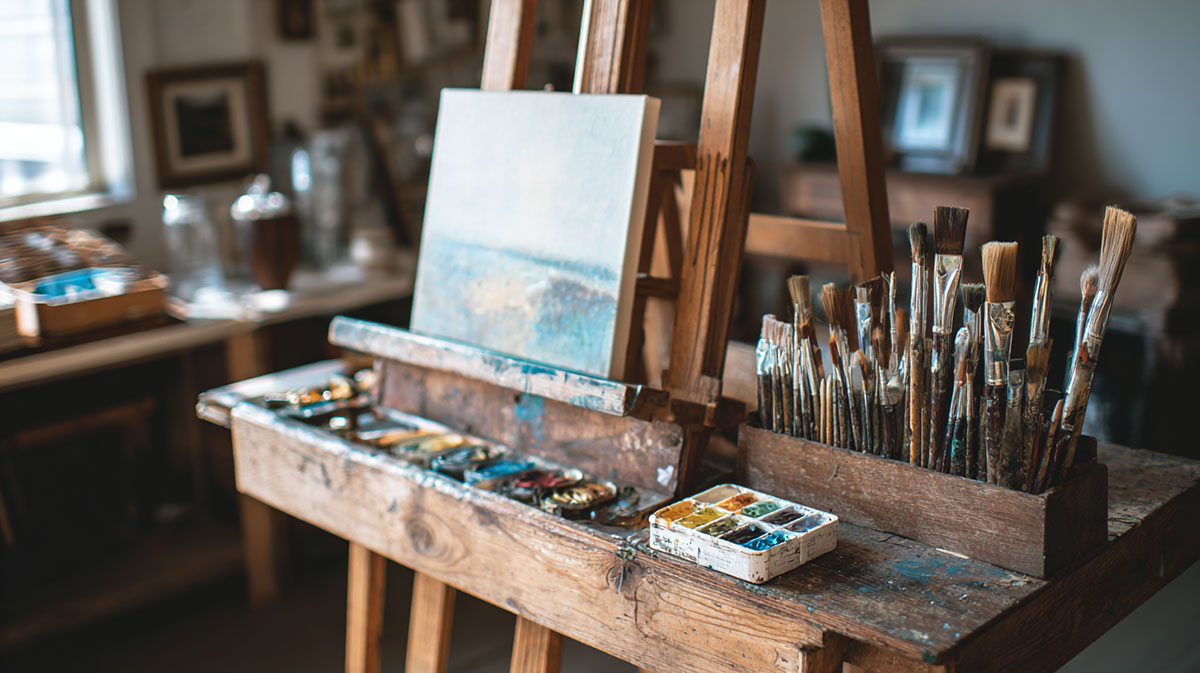

That distinctive fan-shaped brush sitting in your art supply collection isn’t just decorative. Understanding what a fan brush is used for opens up texture possibilities most painters never explore.
This specialized painting tool creates effects impossible with traditional round or flat brushes.
From realistic foliage to convincing fabric textures, fan brushes handle detail work that would take hours with conventional brush techniques.
Texture creation becomes effortless once you master fan brush applications. Whether you work with oil painting, acrylic painting, or watercolor techniques, this versatile brush adapts to different paint mediums beautifully.
You’ll discover specific techniques for landscape painting, portrait work, and decorative applications.
Plus, learn proper brush maintenance to extend your fan brush lifespan and avoid common beginner mistakes that damage bristles.
Primary Painting Techniques

Texture Creation Methods
The fan brush excels at creating various surface effects through distinct loading and application methods. Dry brush dragging produces rough, weathered textures perfect for bark or stone surfaces.
Load minimal paint on the bristles. Drag lightly across the canvas surface. The broken contact creates natural variation.
Stippling and Dabbing Motions
Vertical dabbing motions work differently than dragging techniques. Press the fan brush perpendicular to the canvas. Lift straight up to avoid smearing.
This creates dotted patterns ideal for foliage textures. Vary pressure for different density effects.
Cross-Hatching Patterns
Cross-hatching with a fan brush adds depth to flat areas. Apply first strokes in one direction. Add perpendicular strokes over the first layer.
The overlapping bristle marks create visual texture without actual paint buildup. Perfect for shadow areas.
Blending and Smoothing Applications
Fan brushes work well for color theory applications. The spread bristles naturally soften hard edges.
Soft Color Transitions
Work while paint remains wet for best results. Use clean, dry fan brush between colors. Gentle back-and-forth motions blend boundaries.
Edge softening happens gradually with light pressure. Too much pressure creates streaks instead of smooth transitions.
Gradient Creation
Start with darker color on one side. Gradually work toward lighter areas. The fan shape naturally creates graduated effects.
Clean the brush frequently during gradation work. Dirty bristles muddy the color transitions.
Detail Work and Fine Lines
Despite its wide shape, fan brushes handle intricate work surprisingly well. Individual bristles create multiple parallel lines simultaneously.
Hair and Fur Rendering
Hair rendering benefits from the fan brush’s natural separation. Load with appropriate hair color. Apply in direction of hair growth.
Individual bristles mimic actual hair strands. Vary pressure to create thick and thin areas naturally.
Grass and Foliage Details
Vertical strokes work best for grass textures. Start at ground level. Pull upward with decreasing pressure.
The bristles separate automatically. Creates convincing grass without tedious individual blade painting.
Fabric Texture Simulation
Fabric folds require different fan brush handling. Use horizontal strokes for smooth fabrics. Add vertical breaks for rougher materials.
Fabric textures develop through layered applications. Build up surface interest gradually rather than heavy single applications.
Specific Subject Applications
Landscape Painting Uses
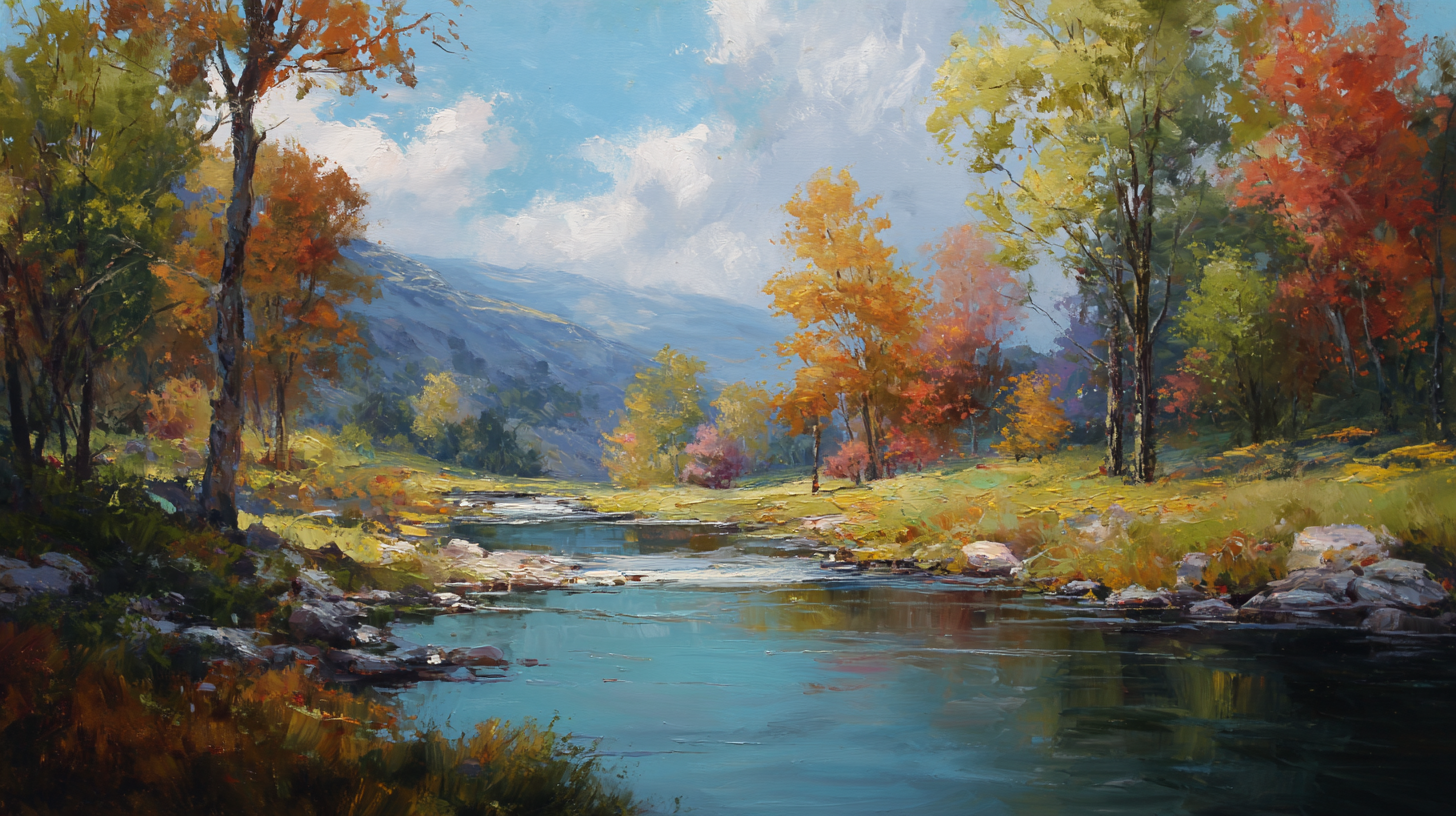
Landscape painting benefits enormously from fan brush versatility. Natural textures appear more convincing than brush-painted alternatives.
Tree Foliage and Branches
Tree foliage creation starts with basic color blocking. Add fan brush texture over dried base colors. Work from dark to light values.
Dab paint lightly for distant foliage. Use heavier pressure for foreground trees. Natural variation emerges from pressure changes.
Branch structures work differently. Load thin paint on brush tips. Drag horizontally for main branches. Add smaller twigs with lighter pressure.
Cloud Formations and Sky Effects
Cloud painting requires soft, billowy effects. Fan brushes excel at atmospheric perspective rendering.
Start with sky base color. Add white cloud shapes with dabbing motions. Blend edges while paint stays workable.
Sky effects develop through layered applications. Build cloud volume gradually. Harsh edges ruin the illusion.
Water Reflections and Ripples
Water surfaces need horizontal strokes for convincing reflections. Load brush with reflection colors. Drag horizontally across reflection areas.
Break some strokes for ripple effects. Vary pressure to create movement suggestions.
Ground Textures and Terrain
Rocky terrain benefits from stippling techniques. Sand textures work better with dragging motions. Ground textures require appropriate brush handling for each surface type.
Portrait and Figure Work
Portrait painting presents unique fan brush challenges. Subtlety matters more than dramatic effects.
Hair Texturing and Highlights
Hair texturing demands careful color mixing. Start with base hair color. Add highlights with loaded fan brush strokes.
Follow natural hair direction. Avoid mechanical repetition. Real hair has irregular patterns.
Individual sections need different treatment. Curly hair requires different strokes than straight hair.
Eyebrow and Eyelash Details
Eyebrow painting benefits from fan brush precision. Load appropriate color. Apply short, directional strokes.
Eyelash details work similarly but require lighter pressure. Individual bristles create multiple lashes simultaneously.
Avoid overworking these delicate areas. Less paint produces more convincing results.
Skin Texture and Aging Effects
Aged skin requires subtle texture suggestions. Fan brushes add wrinkle lines without harsh appearance.
Use very light pressure. Work with skin-toned paint. Build effects gradually through multiple light applications.
Still Life Applications
Still life subjects offer fan brush practice opportunities. Each material requires different handling approaches.
Fabric Draping and Folds
Fabric draping shows through varied textures. Smooth silks need different treatment than rough wools.
Follow fold directions with brush strokes. Add texture appropriate to fabric type. Heavy fabrics show more surface interest than thin materials.
Floral Petal Textures
Flower petals benefit from delicate fan brush work. Load brush lightly. Apply gentle pressure for petal surfaces.
Petal textures vary by flower type. Roses need different handling than daisies. Study actual flowers for reference.
Avoid overworking delicate areas. Fresh, direct strokes look more natural than labored applications.
Wood Grain and Surface Details
Wood grain patterns emerge naturally from fan brush strokes. Load with appropriate wood colors. Drag in grain direction.
Wood grain requires consistent directional strokes. Vary pressure slightly for natural variation. Add knots and irregularities with separate brush work.
Different wood types need different approaches. Oak grain differs significantly from pine patterns.
Paint Medium Compatibility

Oil Painting Techniques
Oil painting offers excellent fan brush compatibility. The slow drying time allows extended blending work.
Wet-on-Wet Blending
Wet-on-wet blending works beautifully with fan brushes. Apply base colors first. Work into wet paint for smooth transitions.
The extended working time prevents harsh edges. Clean brush between different color areas.
Scumbling Applications
Scumbling creates broken color effects over dried layers. Load fan brush lightly with opaque paint. Drag gently across textured surfaces.
Paint application should be irregular and spontaneous. Heavy pressure destroys the scumbling effect.
Glazing Effects
Transparent glazes work well with fan brushes. Mix paint with glazing medium. Apply thin, even layers over dried paint.
The fan shape distributes glaze evenly. Multiple thin layers build depth gradually.
Acrylic Painting Methods
Acrylic painting requires faster working due to quick drying times. Fan brushes adapt well to acrylic properties.
Quick Texture Work
Texture creation must happen while paint stays workable. Apply textures immediately after base color application.
Work in small sections. Acrylic paint dries too quickly for large area texturing.
Dry Brush Techniques
Dry brush effects work excellently with acrylics. Load minimal paint on fan bristles. Test on scrap surface first.
Dry brush dragging creates weathered surfaces convincingly. Perfect for aged wood or stone textures.
Mixed Media Applications
Acrylics mix well with other water-based materials. Fan brushes handle texture paste applications effectively.
Build up surface interest with multiple material layers. Add fan brush textures as final details.
Watercolor and Gouache Uses
Watercolor painting presents unique fan brush challenges. Water control becomes critical.
Soft Washes and Blending
Soft blending requires proper water management. Pre-wet paper for smooth washes. Load brush with diluted paint.
Work quickly while paper stays damp. Fan brushes create natural texture in wash areas.
Texture Over Wet Surfaces
Wet-into-wet techniques produce soft, organic textures. Drop concentrated paint into wet washes.
The fan brush controls paint flow better than round brushes. Texture effects emerge naturally from bristle separation.
Detail Work in Dry Techniques
Dry paper allows controlled detail work. Load brush with appropriate paint consistency. Apply decisive strokes.
Watercolor forgives fewer mistakes than other mediums. Plan fan brush applications carefully.
Proper Usage and Maintenance

Loading the Brush Correctly
Proper brush loading determines painting success. Paint quantity affects both texture quality and brush performance.
Paint Quantity and Consistency
Too much paint creates muddy textures. Too little paint produces scratchy marks.
Test paint consistency on palette first. Adjust with appropriate medium or solvent.
Paint loading varies by technique:
- Heavy loading for bold textures
- Light loading for subtle effects
- Medium loading for general work
Loading Techniques for Different Effects
Different effects require specific loading methods. Texture work needs uneven paint distribution across bristles.
Dab brush in paint rather than pressing flat. This creates natural paint variation between bristles.
For smooth effects, distribute paint evenly. Roll brush gently in paint pool.
Brush Angle and Pressure Control
Brush angle dramatically affects mark quality. Perpendicular angles create stippled effects. Shallow angles produce dragged textures.
Pressure control develops through practice. Light pressure preserves bristle integrity. Heavy pressure damages brush shape.
Vary pressure during single strokes. Start heavy, finish light for natural variation.
Cleaning and Care Procedures
Proper maintenance extends brush life significantly. Brush care prevents premature bristle damage.
Immediate Cleaning After Use
Clean brushes immediately after painting sessions. Dried paint damages bristles permanently.
Different painting mediums require specific solvents:
- Oil paints: Turpentine or mineral spirits
- Acrylics: Warm soapy water
- Watercolors: Clean water only
Proper Solvent Selection
Wrong solvents damage natural bristles. Harsh chemicals break down bristle structure.
Use appropriate solvents for paint type. Follow manufacturer recommendations for specialty paints.
Solvent safety requires proper ventilation. Store solvents safely away from heat sources.
Brush Reshaping and Storage
Reshape wet bristles to original fan form. Gently squeeze bristles into proper shape.
Store brushes bristle-up in containers. Flat storage damages bristle alignment permanently.
Brush storage affects longevity:
- Vertical storage preferred
- Protect bristles from pressure
- Maintain proper humidity levels
Common Mistakes and Solutions
Understanding typical errors prevents frustration. Brush technique improves through recognizing problems.
Overloading with Paint
Excessive paint creates messy, uncontrolled marks. Brush bristles separate poorly when overloaded.
Solution: Remove excess paint on palette edge. Test consistency before canvas application.
Signs of overloading:
- Bristles clump together
- Paint drips from brush
- Marks appear muddy
Incorrect Pressure Application
Too much pressure damages both brush and painting surface. Canvas texture shows through inappropriately.
Solution: Practice pressure control on test surfaces. Develop light touch through repetition.
Heavy pressure causes:
- Bristle damage
- Paint buildup
- Harsh mark quality
Poor Brush Angle Techniques
Wrong angles produce unintended effects. Brush handling requires consistent angle awareness.
Solution: Practice basic strokes repeatedly. Develop muscle memory for proper angles.
Common angle mistakes:
- Too steep for texture work
- Too shallow for detail work
- Inconsistent throughout stroke
Alternative Creative Applications
Mixed Media and Experimental Techniques
Texture Paste Applications
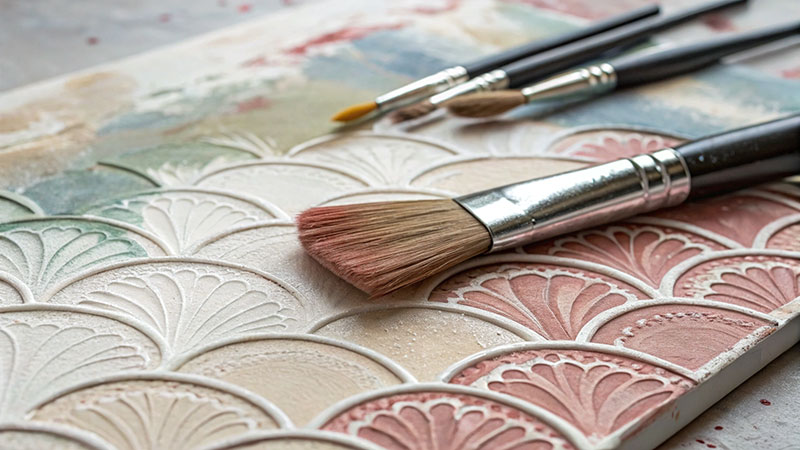
Fan brushes work excellently with heavy texture materials. Texture paste creates dimensional surface effects impossible with paint alone.
Load paste on brush tips only. Apply with dabbing motions to build texture layers.
Building Dimensional Effects
Layer texture paste applications for complex surfaces. Allow each layer to dry completely before adding subsequent coats.
Surface effects develop through strategic paste placement. Vary application thickness across canvas areas.
Working with Modeling Compounds
Modeling compounds require different fan brush handling than traditional paints. Work quickly before material sets.
Clean brushes immediately after compound use. Dried modeling materials damage bristles permanently.
Stamping and Printing Effects
Fan brushes create unique printing patterns when used as stamps. Pattern creation works differently than traditional brushwork.
Creating Repetitive Patterns
Load brush evenly with paint. Press straight down onto surface. Lift cleanly without dragging.
Repetitive patterns emerge from consistent pressure and paint loading. Practice spacing on test surfaces first.
Texture Transfer Techniques
Transfer textures from existing surfaces using fan brushes. Load brush with paint, press against textured surface, then transfer to canvas.
This technique captures natural textures like bark or fabric weaves. Texture transfer preserves authentic surface qualities.
Resist Technique Applications
Resist techniques combine fan brushes with masking materials. Apply resist medium first, then work over with fan brush textures.
Masking Fluid Applications
Masking fluid preserves white areas while texturing surrounds. Remove mask after paint dries for crisp edges.
Fan brushes work well over masked areas. The bristle separation creates interesting texture breaks around protected zones.
Wax Resist Methods
Wax resists work particularly well with watercolor techniques. Apply wax, then texture over with water-based paints.
Wax application requires careful temperature control. Warm wax flows better but hardens quickly.
Decorative Painting Uses
Faux Finishing Techniques
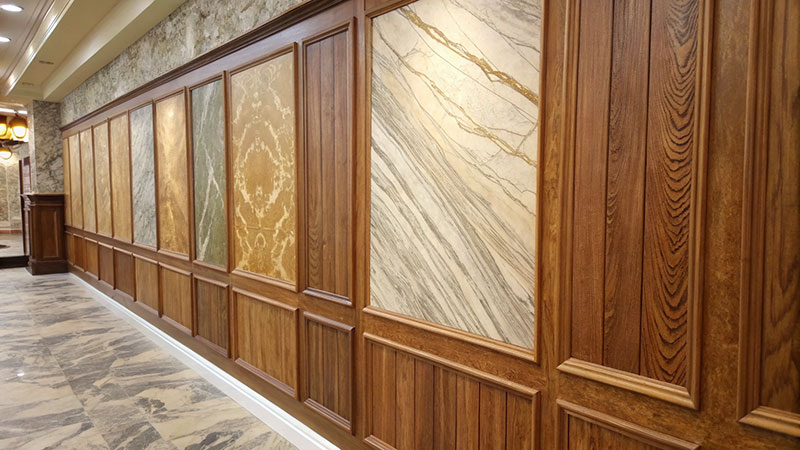
Decorative wall finishes benefit from fan brush applications. Faux finishing creates convincing material imitations.
Wood Grain Simulation
Create convincing wood patterns using fan brush dragging techniques. Mix appropriate wood colors on palette.
Wood grain effects require consistent directional strokes. Study real wood samples for authentic patterns.
Stone and Marble Effects
Stone textures develop through stippling and dabbing motions. Build up surface interest with multiple color layers.
Marble effects need flowing, organic strokes. Work wet-into-wet for natural vein patterns.
Stenciling Applications
Fan brushes excel at stencil work due to their wide coverage and controlled paint application. Stenciling techniques require specific loading methods.
Loading for Stencil Work
Remove excess paint from brush before stenciling. Test on scrap material first to prevent paint bleeding.
Paint consistency matters more in stencil work than traditional painting. Too thin creates bleeding under stencil edges.
Creating Soft Edges
Soft stencil edges develop through proper brush handling. Use dabbing motions rather than brushing strokes.
Edge quality improves with practice and proper paint loading. Clean, dry brushes produce sharper results.
Pattern Creation Methods
Decorative patterns emerge from systematic fan brush applications. Pattern work requires consistent spacing and pressure.
Geometric Pattern Development
Plan geometric patterns before paint application. Mark spacing guidelines lightly on surface.
Geometric effects depend on precise brush placement. Measure spacing carefully for professional results.
Organic Pattern Creation
Organic patterns flow more naturally than geometric designs. Allow some irregularity for authentic appearance.
Natural patterns work better with varied pressure and spacing. Perfect repetition looks mechanical and artificial.
Digital Art Simulation
Understanding Brush Behavior for Digital Tools
Digital painting programs attempt to simulate traditional fan brush effects. Digital brushes work differently than physical tools.
Pressure Sensitivity Settings
Configure pressure sensitivity to match traditional fan brush behavior. Light pressure should produce subtle effects.
Digital pressure controls opacity and brush spread in most programs. Practice with different sensitivity curves.
Brush Size and Opacity Controls
Digital fan brushes require careful size and opacity management. Brush settings affect final texture quality significantly.
Test various combinations on practice layers. Save successful settings as custom presets.
Recreating Fan Brush Effects Digitally
Traditional fan brush textures translate well to digital formats with proper technique adaptation. Digital techniques require different approaches than traditional methods.
Layering Digital Textures
Build texture through multiple digital layers rather than single applications. Layer management becomes crucial for complex effects.
Use different blend modes to simulate traditional paint interactions. Multiply and overlay modes work well for texture work.
Custom Brush Creation
Create custom digital brushes based on fan brush characteristics. Custom brushes improve digital texture authenticity.
Scan actual fan brush marks to create realistic digital alternatives. Import scanned textures as brush tip shapes.
Hybrid Traditional-Digital Approaches
Combine traditional fan brush work with digital enhancement for unique results. Hybrid techniques offer expanded creative possibilities.
Scanning and Enhancement
Scan traditional fan brush textures for digital manipulation. Enhance contrast and color digitally.
Digital enhancement preserves traditional texture authenticity while allowing modern modifications.
Mixed Media Integration
Integrate traditional fan brush elements into digital compositions. Media combination creates unique artistic effects impossible with single approaches.
Balance traditional and digital elements carefully. Too much digital processing destroys traditional texture authenticity.
FAQ on What Is A Fan Brush Used For
What textures can you create with a fan brush?
Fan brushes excel at creating natural textures like tree foliage, grass, clouds, and hair. The separated bristles produce organic patterns impossible with flat or round brushes. Perfect for landscape details and fabric textures.
How do you load paint on a fan brush properly?
Load paint lightly on brush tips only. Too much paint causes bristles to clump together. Paint loading varies by technique – heavy for bold textures, light for subtle effects.
Can fan brushes work with all paint types?
Yes, fan brushes work with oil painting, acrylic painting, and watercolor painting. Each medium requires different brush techniques and cleaning methods for optimal results.
What’s the difference between natural and synthetic fan brushes?
Natural bristles hold more paint and create softer textures. Synthetic bristles maintain their shape better and work well with acrylics. Bristle choice affects texture quality and brush durability.
How do you clean a fan brush without damaging it?
Clean immediately after use with appropriate solvents. Reshape wet bristles gently. Store vertically to prevent bristle damage. Brush maintenance extends lifespan significantly when done properly.
What size fan brush should beginners start with?
Medium sizes (8-12) offer versatility for most painting applications. Small brushes handle detail work, while large brushes cover broader areas. Brush selection depends on your typical painting subjects.
Can you use fan brushes for detail work?
Yes, despite their wide shape, fan brushes handle intricate details like individual hair strands, eyelashes, and fine grass blades. Individual bristles create multiple parallel lines simultaneously for detail rendering.
What are common fan brush mistakes to avoid?
Overloading with paint, using excessive pressure, and wrong brush angles are typical errors. These mistakes damage bristles and create muddy textures. Proper technique develops through practice and light pressure.
How do you create realistic hair with a fan brush?
Load appropriate hair color on brush tips. Apply strokes following natural hair growth direction. Vary pressure for thick and thin areas. Hair rendering requires building layers gradually.
Are fan brushes good for blending colors?
Fan brushes excel at soft blending and edge softening. The spread bristles naturally create smooth color transitions. Work while paint remains wet for best blending results in all mediums.
Conclusion
Understanding what a fan brush is used for transforms your painting approach across multiple subjects and styles. This versatile tool opens creative possibilities that traditional brushes simply cannot match.
Brush techniques improve dramatically with practice and proper maintenance.
Master stippling, dry brush methods, and blending applications to achieve professional results. Each painting medium responds differently to fan brush applications.
Landscape artists benefit from realistic foliage effects and cloud formations. Portrait painters achieve convincing hair textures and fabric details.
Surface effects develop naturally through proper paint loading and pressure control.
Remember these key points for success:
- Clean brushes immediately after use
- Practice light pressure techniques
- Vary brush angles for different effects
- Build textures gradually through layers
Creative applications extend beyond traditional painting into decorative work and mixed media projects.
From texture creation to color blending, fan brushes earn their place in every artist’s toolkit through consistent practice and experimentation.


