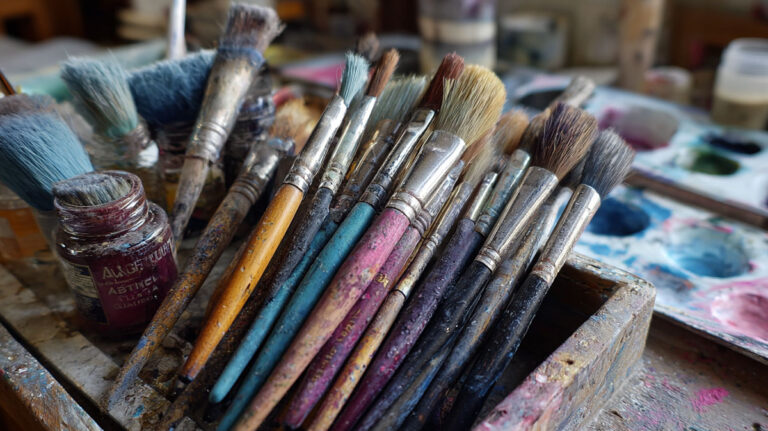
Every artist faces this choice eventually: painting on wood vs canvas. The decision affects everything from brush control to long-term durability.
Both surfaces have passionate advocates. Renaissance masters preferred wood panels for their precision. Modern artists often choose canvas for its flexibility and portability.
Surface selection impacts your artistic expression more than most realize. Wood panels offer rigid control perfect for detailed work, while canvas provides the give needed for expressive techniques.
This guide examines preparation requirements, paint behavior, durability factors, and practical considerations for each surface. You’ll discover which surface suits your painting style, budget, and artistic goals.
Whether you’re starting your first serious piece or reconsidering your material choices, understanding these differences helps you make informed decisions that improve your work.
Preparation Requirements

Getting Wood Ready for Paint
Wood panel preparation starts with understanding your surface. Raw wood drinks up paint like a sponge unless you prep it right.
Sanding Techniques for Smooth Application
Start with 220-grit sandpaper for most hardboard panels. Sand with the grain, not against it. This prevents those annoying scratches that show through your paint layers.
Check for splinters and rough spots. Even tiny imperfections get magnified once you start painting.
Sealing Methods to Prevent Paint Absorption
Wood needs a barrier. Without proper sealing, your oil painting will soak into the fibers unevenly.
Apply a thin coat of shellac or specialized wood sealer. Let it dry completely (this usually takes 2-4 hours depending on humidity).
Some artists skip this step. Don’t be one of them.
Priming Options Specific to Wood Surfaces
Gesso primer works differently on wood than canvas. You’ll need 2-3 coats minimum for proper coverage.
- Acrylic gesso: Dries fast, works great for most projects
- Oil-based primer: Better for traditional techniques, longer drying time
- Alkyd primer: Good middle ground, faster than oil
Sand lightly between coats with 400-grit paper. This creates better adhesion for subsequent layers.
Canvas Preparation Steps

Canvas prep feels more straightforward. But there are still ways to mess it up.
Stretching Techniques for Roll Canvas
Canvas stretching requires the right tension. Too loose and you get saggy areas. Too tight and you risk tearing.
Start at the center of each side. Work outward in opposite directions. This prevents warping and keeps everything square.
Use canvas pliers for consistent tension. Your hands alone won’t cut it for larger pieces.
Gesso Application Methods
Pre-primed canvas from Utrecht Art Supplies or Blick Art Materials saves time. But priming yourself gives better control.
Apply gesso with a wide brush in thin, even coats. Cross-hatch your strokes (vertical, then horizontal) for smooth coverage.
Let each coat dry completely. Usually 30 minutes in normal conditions.
Creating Texture with Preparation Layers
Surface texture affects everything about your painting. Smooth gesso works great for detail work. Rough texture suits expressive styles better.
Add modeling paste to your final gesso coat. Or brush it on with a rough sponge for random texture patterns.
Some artists drag a comb through wet gesso. Creates interesting linear patterns perfect for abstract work.
Time Investment Comparison
Prep Time for Wood Surfaces
Wood takes longer. Plan on 4-6 hours total prep time, but spread across several days.
- Day 1: Sand and seal (2 hours active work)
- Day 2: First gesso coat (30 minutes)
- Day 3: Second and third coats (1 hour total)
Most of this is waiting time between coats.
Canvas Setup Duration
Stretched canvas from the store? You’re painting in 10 minutes.
Rolling your own takes 1-2 hours for sizing and priming. Worth it for custom dimensions or premium materials.
Shortcuts That Actually Work
Pre-made panels from Golden Artist Colors come ready to paint. Cost more but save significant time.
Acrylic painting works on less-than-perfect prep. Oil demands perfection.
Canvas boards offer wood’s stability with canvas texture. Good compromise for studies and smaller works.
Paint Application and Techniques

How Paint Behaves on Wood
Wood changes everything about paint handling. The rigid surface affects brush control and paint flow in ways canvas doesn’t.
Oil Paint Absorption Rates
Even properly primed wood absorbs oil differently than canvas. The hard surface underneath creates unique paint layer adhesion characteristics.
Colors stay brighter longer on wood. Less sinking-in means your darks don’t go muddy as quickly.
Drying time varies too. Oil paint stays workable longer on wood panels, especially in humid conditions.
Acrylic Paint Performance Differences
Acrylic painting on wood feels snappier. The paint grabs the surface immediately.
Blending becomes trickier. You have maybe 10-15 minutes of working time before the paint sets completely.
Paint consistency matters more on wood. Thick paint builds up quickly, creating unwanted texture.
Watercolor Possibilities and Limitations
Watercolor painting on prepared wood? It’s possible but unusual. You need special watercolor ground over your primer.
Watercolor painting typically requires absorbent surfaces. Wood fights this natural behavior.
Better to stick with watercolor paper unless you’re experimenting with mixed media approaches.
Canvas Paint Response
Brush Stroke Visibility and Texture
Canvas weave shows through thin paint. This creates natural texture creation that many artists love.
The fabric’s give allows for different pressure techniques. Press hard for thick impasto. Light touch for delicate glazes.
Canvas weave patterns vary by manufacturer. Utrecht has different textures than Winsor & Newton or Liquitex canvases.
Paint Layering Capabilities
Canvas handles multiple paint layers beautifully. The flexible surface moves with paint expansion and contraction.
Wet-on-wet blending works better on canvas. The slight absorbency helps colors merge naturally.
Build up thick passages without worrying about cracking. Canvas flex prevents most paint failures.
Blending and Wet-on-Wet Techniques
Alla prima method suits canvas perfectly. You can push paint around for hours if you keep it moist.
The fabric texture helps break up harsh edges automatically. Creates that painterly quality many artists seek.
Color mixing behavior feels more predictable on canvas than wood.
Special Techniques for Each Surface

Wood-Specific Painting Methods
Scumbling effects work brilliantly on wood. The rigid surface lets you drag dry brush techniques without canvas texture interfering.
Try palette knife work on wood panels. The solid backing prevents bouncing that happens with stretched canvas.
Wood suits hyperrealism and photorealism approaches. Fine detail stays crisp without fabric weave showing through.
Canvas Techniques That Won’t Work on Wood
Heavy impasto requires canvas flexibility. Wood panels crack under thick paint stress over time.
Glazing layers behave differently on wood’s hard surface. Less natural flow and movement compared to canvas give.
Large brush techniques lose some effectiveness. Canvas bounce helps with broad, sweeping strokes.
Mixed Media Applications
Wood accepts mixed media better than canvas. Collage elements, sand, modeling paste all adhere strongly to rigid surfaces.
Canvas works for lighter mixed media. Heavy additions stress the fabric and stretcher bars.
Both surfaces work with atmospheric perspective techniques, but wood gives sharper results while canvas creates softer, more naturalistic effects.
Consider your artistic goals. Sharp detail and precise control? Choose wood. Natural painterly effects? Canvas wins.
Professional artist preferences vary widely. Claude Monet preferred canvas for his impressionism work. Contemporary realists often choose wood panels for their precision demands.
Durability and Longevity

How Wood Paintings Age
Wood paintings face unique aging challenges. Understanding these helps you make better choices for long-term projects.
Cracking and Warping Potential
Wood moves with humidity changes. Even properly sealed panels expand and contract with seasons.
Cracking prevention starts with proper wood selection. Hardboard panels from Jerry’s Artarama or Michaels Craft Store offer more stability than solid wood. Marine-grade plywood works well too.
Avoid thin panels under 1/4 inch. They warp easily and stress your paint layers.
Environmental Sensitivity Factors
Moisture resistance varies dramatically between wood types. Some species handle humidity better than others.
Oak and maple stay stable in most climates. Pine and poplar move more with weather changes.
Keep wood paintings away from heating vents and direct sunlight. Temperature swings cause the most damage over time.
Restoration Possibilities
Restoration techniques work better on wood than canvas in many cases. The rigid surface supports cleaning and repair processes.
Paint losses can be inpainted more precisely. Wood doesn’t shift during restoration work like fabric does.
Archival quality materials matter more for wood pieces intended to last decades. Cheap primer fails first, taking your painting with it.
Canvas Longevity Factors
Canvas faces different aging issues. Most relate to the fabric itself rather than environmental factors.
Fabric Degradation Over Time
Canvas durability depends heavily on initial quality. Linen lasts longer than cotton but costs significantly more.
Cotton canvas starts showing wear after 20-30 years in normal conditions. Linen can last centuries if properly cared for.
Pre-primed canvases from discount stores often use lower-grade fabrics. You get what you pay for here.
Stretcher Bar Issues
Stretcher bar problems develop gradually. Wood warps, joints loosen, canvas sags.
Keyable stretchers from Utrecht Art Supplies let you retighten canvas as needed. Fixed stretchers offer no adjustment options.
Large canvases stress corners more. Expect some loosening on pieces over 24×36 inches.
Storage and Handling Durability
Canvas handles transport better than wood panels. The flex absorbs impacts that would crack rigid surfaces.
Shipping artwork becomes easier with canvas. Roll smaller pieces, ship larger ones face-to-face for protection.
Wood panels need careful packaging. One corner impact can crack the entire panel.
Protective Measures for Both
Varnishing Requirements
Varnishing techniques differ between surfaces. Wood needs heavier protection from moisture.
Use removable varnishes for valuable pieces. Permanent varnishes look better initially but can’t be cleaned later.
Apply 2-3 thin coats rather than one thick layer. Better protection, easier application, fewer defects.
Framing Considerations
Framing wood panels requires different approaches than canvas. The rigid surface needs different support methods.
Canvas stretches over time in frames. Wood doesn’t, which can stress mounting hardware.
Museum standards recommend different framing techniques for each surface type.
Climate Control Needs
Both surfaces benefit from stable humidity control. Aim for 45-55% relative humidity year-round.
Temperature matters less than stability. Constant 65-70°F works better than fluctuating between 60-80°F.
UV protection helps both surfaces but for different reasons. Wood panels need protection from direct fading, canvas from fabric degradation.
Practical Working Considerations

Studio Setup Requirements
Your surface choice affects everything about studio organization. Plan accordingly.
Easel Compatibility for Each Surface
Easel compatibility varies significantly between surface types. Most easels handle canvas better than heavy wood panels.
H-frame easels from Blick Art Materials work well for both. Tabletop easels struggle with heavier wood pieces over 16×20 inches.
French easels suit plein air painting with canvas better than wood panels. Weight matters when hiking to painting locations.
Storage Space Needs
Canvas rolls take minimal space. Wood panels stack but require more careful handling.
Storage solutions for wood panels need stronger shelving. A stack of 20 canvas boards weighs maybe 5 pounds. Same number of wood panels? 15-20 pounds easy.
Vertical storage works better for both surfaces than horizontal stacking.
Transportation Challenges
Portable painting surfaces favor canvas for obvious reasons. Wood panels work fine for studio work but become problematic for location painting.
Canvas boards offer compromise. Lighter than wood panels, more stable than stretched canvas.
Car transport limits wood panel sizes. Most sedans handle 24×30 inch panels maximum.
Size Limitations and Possibilities
Maximum Practical Sizes for Wood
Large scale paintings on wood face structural limits. Weight becomes prohibitive above certain sizes.
1/4-inch panels work up to 16×20 inches. Larger sizes need 1/2-inch thickness minimum.
Anything over 30×40 inches requires special reinforcement or multiple panel construction.
Canvas Size Flexibility
Canvas scales up almost infinitely. Jackson Pollock worked on huge canvases that would be impossible on wood panels.
Custom sizing works easier with canvas. Cut to any dimension, stretch as needed.
Roll canvas eliminates size restrictions entirely during creation. Stretch later to fit display requirements.
Custom Sizing Options
Wood panels require cutting equipment or custom orders. Canvas offers more DIY flexibility.
Professional framing shops cut wood panels to size. Expect 1-2 week lead times for unusual dimensions.
Canvas roll from Art Students League suppliers lets you create any size immediately.
Weight and Portability Issues
Carrying Painted Works
Surface weight affects everything from easel selection to wall hanging hardware.
A 16×20 inch canvas weighs maybe 8 ounces. Same size wood panel? 2-3 pounds minimum.
Multiply this across a body of work and storage becomes a real issue.
Shipping Considerations
Shipping painted works costs more for wood panels due to weight. Canvas ships cheaper, especially when rolled.
Insurance values factor shipping costs too. UPS and FedEx charge by weight and dimensional size.
Canvas survives shipping impacts better. Wood panels crack, canvas dents and recovers.
Installation Requirements
Installation differs dramatically between surfaces. Canvas needs standard picture hanging hardware.
Wood panels require heavy-duty wall anchors. A large wood painting can weigh 15-20 pounds framed.
Wall hardware costs more for wood pieces. Gallery systems work better for frequent hanging changes.
Consider your display plans when choosing surfaces. Rental apartments limit wall mounting options for heavy pieces.
Professional artist preferences often correlate with working style. Mark Rothko preferred canvas for his large abstract works. Georgia O’Keeffe used both but favored canvas for portability during her travels.
Modern acrylic artists like those featured on Fine Art America often choose wood panels for precision work, canvas for expressive pieces.
Artistic Expression Differences

Texture Opportunities
Surface texture shapes artistic possibilities more than most artists realize. Each material offers distinct advantages.
Natural Wood Grain as Design Element
Wood grain becomes part of your composition. Some artists sand it smooth, others let it show through thin paint layers.
Pine shows strong grain patterns. Maple offers subtle texture that won’t compete with your painting.
Think of grain as built-in texture that costs nothing extra.
Canvas Weave Pattern Effects
Canvas weave patterns create automatic broken color effects. The fabric breaks up solid paint areas naturally.
Fine weave suits detail work. Coarse weave adds character to loose, expressive painting styles.
Utrecht Art Supplies offers different weave options. Each creates different visual effects under paint.
Creating Artificial Textures on Each
Wood accepts texture creation additives beautifully. Sand, pumice, modeling paste all stick well to rigid surfaces.
Canvas works with lighter textures. Heavy additions stress the fabric over time.
Both surfaces handle gesso texturing, but wood holds sharp edges better than flexible canvas.
Color Behavior Variations

How Wood Tone Affects Color Mixing
Wood tone influences your color choices whether you notice it or not. Even white primer can’t completely hide underlying wood color.
Warm woods like pine push colors toward yellow. Cool woods like poplar stay more neutral.
Color mixing behavior changes when wood undertones affect your paint layers.
White Canvas as Neutral Base
Canvas provides true neutral base for color work. White gesso over white fabric gives clean color response.
No hidden undertones to fight. What you mix is what you see.
This matters most for color theory studies and precise color matching.
Transparency Effects on Each Surface
Transparency effects work differently on each surface. Wood’s solidity affects how glazes appear.
Thin paint layers on wood look more vibrant. The rigid backing prevents color muddying that happens when canvas flexes.
Canvas creates softer transparency effects. The fabric’s give allows colors to blend more naturally.
Style Compatibility
Art Movements That Favor Wood
Renaissance masters preferred wood panels for good reasons. The smooth surface suited their detailed techniques perfectly.
Photorealism artists often choose wood for its precision advantages. Hyperrealism demands the control that rigid surfaces provide.
Museum standards from that era used wood exclusively. Canvas came later.
Techniques Best Suited for Canvas
Impressionism thrived on canvas flexibility. Claude Monet needed that fabric texture for his broken color techniques.
Abstract expressionism requires canvas durability. Jackson Pollock couldn’t achieve his effects on rigid wood panels.
Alla prima method works better on canvas. The surface give helps with wet paint manipulation.
Contemporary Mixed Approaches
Modern artists mix both surfaces strategically. Small studies on wood panels, finished pieces on canvas.
Instagram Artists often show work on both surfaces. Each serves different purposes in their practice.
Professional artist preferences vary by generation and training background.
Maintenance and Care

Cleaning Painted Wood Surfaces
Wood paintings need different care than canvas pieces. The rigid surface affects cleaning approaches.
Safe Cleaning Methods
Start with soft, dry brushes. Museum conservators use natural bristle brushes from specialty suppliers.
Cleaning painted works requires patience. Work in sections, checking progress frequently.
Never use water-based cleaners on oil paintings. Stick to conservation-approved solvents only.
Damage Prevention Techniques
Damage prevention starts with proper handling. Support wood panels from underneath, never grab edges.
Wear cotton gloves when moving pieces. Oils from skin cause long-term staining.
Keep wood paintings away from direct sunlight and heat sources.
Touch-up Procedures
Touch-up procedures work better on wood than canvas. The stable surface doesn’t shift during repair work.
Match original painting mediums exactly. Oil over oil, acrylic over acrylic.
Test color matches on hidden areas first.
Canvas Painting Maintenance
Dust Removal Strategies
Canvas maintenance requires gentle approaches. The fabric surface catches dust differently than smooth wood.
Use soft brushes parallel to the canvas surface. Never brush against the weave direction.
Dust removal should happen monthly for displayed pieces, yearly for stored works.
Handling Stretched Canvas Safely
Always grab canvas by the stretcher bars, never the painted surface. Even dry paint can crack under pressure.
Canvas durability depends on proper support during transport. Face-to-face storage protects surfaces best.
Large canvases need two-person handling. Don’t risk damage trying to move big pieces alone.
Re-stretching Procedures
Re-stretching becomes necessary as canvas ages. The fabric relaxes over time.
Keyable stretchers from Jerry’s Artarama or Blick Art Materials make this easier. Tap keys gently to restore tension.
Check corners regularly. Loose corners stress the entire surface.
Long-term Storage Solutions
Climate Requirements for Each
Humidity control matters most for long-term storage. Aim for 45-55% relative humidity year-round.
Wood responds faster to humidity changes than canvas. Monitor conditions more carefully for wood panels.
Temperature stability beats absolute temperature. Consistent 65°F works better than fluctuating conditions.
Stacking and Separation Methods
Storage solutions differ between surface types. Wood panels stack well with foam separators.
Canvas needs more careful handling. Use acid-free tissue between pieces.
Vertical storage beats horizontal for both surfaces. Less weight stress, easier access.
Preventing Common Damage Types
Moisture resistance protects against the most common damage. Check storage areas after heavy rains.
Pest control matters more than most artists realize. Insects can damage both wood and canvas over time.
UV protection in storage prevents fading. Even artificial light causes gradual color shifts.
Regular inspection catches problems early. Check stored works quarterly for new damage.
Archival quality storage materials cost more initially but save money long-term. Acid-free boxes, museum-quality separators, proper environmental controls all pay for themselves by preventing damage.
Fine Art America sellers often report better sales from properly maintained pieces. Buyers notice quality care in finished works.
Making Your Choice

Matching Surface to Project Goals
Commissioned Work Considerations
Commissioned work demands different surface choices than personal projects. Client expectations affect everything.
Client Preferences and Expectations
Most clients expect canvas for “real” paintings. Wood panels feel less traditional to non-artists.
Professional artist preferences matter less than client satisfaction here. Give them what they recognize and value.
Ask about display plans during initial meetings. Wall weight limits might eliminate wood options entirely.
Longevity Requirements for Commission Pieces
Archival quality becomes non-negotiable for commissioned pieces. Use museum-grade materials only.
Canvas lasts longer with proper care. Wood panels risk cracking if not maintained correctly.
Conservation framing costs more but protects your reputation long-term.
Pricing Considerations for Different Surfaces
Wood panels cost more initially but might justify higher commission prices. Canvas keeps material costs lower.
Art supply costs affect profit margins. Factor surface prep time into pricing.
Clients often pay more for perceived quality. Position wood as premium option when appropriate.
Personal Art Practice Needs
Experimentation vs. Finished Pieces
Studio setup for personal work allows more flexibility than commission requirements.
Use canvas boards for studies, wood panels for keepers. This saves money while maintaining quality where it counts.
Beginner painting tips: Start with pre-made surfaces from Michaels Craft Store or Hobby Lobby before investing in premium materials.
Storage and Display Constraints
Portable painting surfaces matter more for small studio spaces. Canvas rolls store efficiently.
Wood panels require stronger shelving and more careful handling during moves.
Consider your living situation. Apartment dwellers face different constraints than home studio artists.
Learning Goals and Skill Development
Skill level requirements vary between surfaces. Wood teaches precision, canvas develops painterly techniques.
Try both early in your development. Different surfaces teach different lessons about paint handling.
Mixed media applications work better on wood for most experimental approaches.
Exhibition Requirements
Gallery Standards and Preferences
Gallery display often favors canvas for traditional shows. Wood panels suit contemporary or mixed media exhibitions.
Call galleries before choosing surfaces for submission. Some have specific requirements or preferences.
Museum standards accept both but with different framing and handling protocols.
Shipping and Insurance Factors
Shipping artwork costs increase significantly with wood panel weight. Factor this into exhibition budgets.
Insurance values consider surface quality. Premium materials justify higher coverage limits.
Canvas survives shipping better than wood panels in most cases.
Professional Presentation Standards
Framing considerations differ dramatically between surfaces. Wood panels need heavy-duty hardware.
Professional presentation requires matching frame quality to surface quality. Don’t cheap out on framing premium panels.
Installation requirements affect venue acceptance. Heavy pieces limit hanging options.
Skill Level Considerations
Beginner-Friendly Options
Learning Curve Differences
Canvas painting forgives mistakes better than wood. The surface flexibility accommodates learning errors.
Wood demands more precision from day one. Less room for sloppy technique.
Surface preparation takes longer for wood but teaches important fundamentals.
Cost of Mistakes During Learning
Canvas boards from Art Students League suppliers cost less when you’re still learning. Mistakes hurt less financially.
Paint absorption rates differ enough to affect color mixing success. Canvas responds more predictably for beginners.
Practice color theory basics on canvas before moving to wood panels.
Recommended Starting Materials
Start with pre-stretched canvas from Utrecht Art Supplies or Blick Art Materials. Skip the complications of stretching your own initially.
Acrylic painting works better than oil for beginners regardless of surface choice.
Buy variety packs to test different textures and sizes affordably.
Advanced Technique Requirements
Precision Work Demands
Wood panel preparation suits advanced techniques requiring perfect smoothness. Photorealism and hyperrealism need this control.
Oil painting techniques like sfumato work better on wood’s stable surface.
Fine art materials matter more as skills develop. Invest in quality when technique justifies the cost.
Complex Layering Techniques
Paint layer adhesion behaves differently on each surface. Advanced artists exploit these differences deliberately.
Glazing techniques respond differently to surface texture and flexibility.
Working time varies enough to affect complex painting strategies.
Professional Development Goals
Artists targeting gallery representation need both surface experiences. Versatility opens more opportunities.
Contemporary art markets accept both surfaces but for different styles and approaches.
Build portfolio diversity by mastering both wood and canvas applications.
Budget Planning Strategies

Starting Costs for Each Option
Initial Investment Comparison
Wood panels cost 2-3x more than equivalent canvas initially. Factor this into startup budgets.
Pre-made panels from Golden Artist Colors or Winsor & Newton cost more but save prep time.
Canvas stretching equipment adds upfront costs if you plan to prepare your own surfaces.
Quality vs. Economy Choices
Art material costs scale with quality dramatically. Student-grade surfaces cost half of professional options.
Economy choices work for learning but limit resale potential later.
Archival quality materials cost more initially but maintain value better over time.
Ongoing Supply Expenses
Replacement and Maintenance Costs
Varnishing requirements create ongoing costs for both surfaces. Wood needs more frequent protection.
Canvas re-stretching costs labor time or professional fees. Wood panels need occasional frame adjustments.
Storage solutions for wood panels require stronger, more expensive shelving systems.
Long-term Value Considerations
Painting longevity affects artwork value over decades. Quality surfaces justify premium pricing.
Canvas paintings by established artists hold value better in auction markets currently.
Restoration potential costs factor into long-term ownership expenses for serious collectors.
Professional Investment Strategy
Start with canvas for general work, add wood panels for specific techniques. This spreads costs while building experience.
Professional artist preferences often settle on one primary surface with occasional use of alternatives.
Instagram Artists and Fine Art America sellers report better response to work on quality surfaces regardless of type.
Consider surface choice as branding decision. Consistency builds recognition in your market segment.
Studio space limitations often determine practical choices more than artistic preferences. Work within your constraints while building toward ideal setup.
FAQ on Painting On Wood Vs Canvas
Which surface is better for beginners?
Canvas suits beginners better due to forgiving nature and lower costs. Pre-stretched canvas from Blick Art Materials requires minimal preparation. Wood panels demand precise technique from day one, making mistakes more costly and frustrating for new artists.
Do wood panels crack over time?
Wood panels can crack with humidity changes or poor preparation. Proper sealing and priming prevent most issues. Quality hardboard panels from Jerry’s Artarama show excellent longevity when handled correctly. Canvas faces fabric degradation instead.
Which surface costs more initially?
Wood panels cost 2-3x more than equivalent canvas sizes. However, canvas requires stretching equipment if you prepare your own. Pre-made surfaces from Golden Artist Colors offer convenience at premium prices for both options.
Can I use the same paints on both surfaces?
Acrylic painting and oil painting work on both surfaces. Paint behavior differs due to absorption rates and surface flexibility. Wood requires more precise application, while canvas allows easier blending and corrections.
Which surface is better for detailed work?
Wood panels excel for precision work like photorealism or hyperrealism. The rigid surface prevents paint shifting during fine detail application. Canvas weave can interfere with sharp edges and minute details.
How do I prepare wood panels for painting?
Surface preparation involves sanding, sealing, and priming. Start with 220-grit sandpaper, apply wood sealer, then 2-3 gesso coats. Sand lightly between layers. Total prep time spans 2-3 days including drying periods.
Which surface ships better?
Canvas ships easier due to lighter weight and flexibility. Small canvases roll for protection, large ones ship face-to-face. Wood panels need careful packaging against corner damage and weigh significantly more, increasing shipping costs.
Do galleries prefer one surface over another?
Gallery preferences vary by exhibition type. Traditional shows often favor canvas, while contemporary galleries accept both. Call venues before submission. Some have specific requirements for framing and installation based on surface weight.
Which surface lasts longer?
Canvas durability depends on fabric quality. Linen lasts centuries, cotton degrades after 20-30 years. Wood panels last indefinitely with proper care but risk cracking from environmental stress. Both need appropriate climate control.
Can I switch between surfaces easily?
Professional artists often use both strategically. Canvas for expressive work, wood for precision pieces. Each surface teaches different paint handling skills. Start with one, add the other as experience grows and budgets allow.
Conclusion
The painting on wood vs canvas debate ultimately depends on your artistic goals and working style. Both surfaces offer distinct advantages that serve different purposes in an artist’s practice.
Wood panels excel for precision work, detailed studies, and artists seeking rigid control. The stable surface suits realism and technical approaches perfectly.
However, weight limitations and higher material costs from suppliers like Winsor & Newton affect practical considerations.
Canvas flexibility benefits expressive techniques, large-scale works, and plein air painting.
The fabric’s give accommodates bold brushwork and experimental approaches. Lighter weight makes transportation and storage simpler for working artists.
Many professionals use both strategically. Studies on wood panels, finished pieces on canvas. Others specialize in one surface to master its unique properties completely.
Consider your studio space, budget constraints, and artistic direction when choosing. Both surfaces can produce museum-quality results with proper technique and materials.
The best choice supports your creative vision while fitting practical limitations.