

What is a mop brush in watercolor painting, and why do artists consider it indispensable for creating stunning wash effects? This specialized tool transforms how watercolorists approach large-area coverage and atmospheric techniques.
Mop brushes feature exceptionally soft bristles and massive water-holding capacity that standard round or flat brushes simply cannot match.
Their unique construction enables smooth, even washes across extensive paper surfaces without streaking or interruption.
Understanding proper usage techniques and selection criteria helps both beginners and experienced painters maximize this versatile tool’s potential.
Whether you’re creating dramatic skies, subtle backgrounds, or complex color blending effects, the right mop brush technique makes all the difference.
This guide covers everything from natural hair versus synthetic options to maintenance routines that preserve brush performance.
You’ll discover how brush size selection, loading methods, and integration with other painting tools create professional-quality results in your watercolor work.
Materials and Construction

Natural Hair Types Used
Squirrel Hair Properties
Squirrel hair stands out as the premium choice for mop brush construction. This natural fiber holds massive amounts of water while maintaining incredible softness. The individual strands taper naturally, creating perfect paint release.
Kolinsky squirrel hair costs more but delivers unmatched performance. Regular squirrel varieties work well for most painters. Both types maintain their shape after repeated use.
Goat Hair Characteristics
Goat hair brushes offer durability at lower price points. These bristles feel slightly stiffer than squirrel but still hold substantial water. Goat hair construction suits painters who prefer more control during application.
The natural spring in goat hair helps maintain brush shape. This resilience makes them ideal for frequent studio use. Many professional watercolorists keep both squirrel and goat hair mops.
Other Animal Hair Options
Ox hair provides middle-ground performance between squirrel and goat. Pony hair works for student-grade brushes. Sable hair occasionally appears in high-end mop constructions.
Each hair type brings unique characteristics:
- Ox hair: Good water retention, moderate softness
- Pony hair: Affordable option, adequate performance
- Mixed hair: Combines benefits of multiple fibers
Quality Grades Within Each Hair Type
Top-grade squirrel hair comes from tail tips only. Lower grades mix body hair with tail hair. Natural hair quality directly affects brush performance and longevity.
Professional brushes use hand-selected individual hairs. Student brushes may include shorter or damaged fibers. Price often reflects these quality differences.
Synthetic Alternatives
Modern Synthetic Fiber Development
Today’s synthetic bristles come remarkably close to natural performance. Advanced polymers mimic the water-holding capacity of animal hair. Some synthetic mops actually outperform lower-grade natural brushes.
Manufacturers engineer fibers with tapered tips and hollow cores. These innovations improve paint flow and water retention. Synthetic options continue advancing rapidly.
Performance Comparison with Natural Hair
Natural squirrel still holds more water than most synthetics. Synthetic alternative brushes release paint differently than natural hair. The snap and spring feel distinct during use.
Color blending behaves slightly differently with synthetic bristles. Paint lifting techniques may require adjustment. Many painters use both types for different effects.
Cost Considerations
Synthetic mops cost significantly less than premium natural hair brushes. Professional watercolor brush prices reflect material costs and construction quality. Budget-conscious painters often start with synthetic options.
Quality synthetic brushes perform better than cheap natural hair versions. Price comparisons should consider long-term durability. Some synthetics last longer than natural alternatives.
Durability Factors
Synthetic bristles resist damage from harsh cleaning. Moths and other pests ignore synthetic materials. Brush lifespan often exceeds natural hair equivalents.
Natural hair requires more careful handling and storage. Synthetic brushes tolerate temperature extremes better. Both types need proper care for maximum longevity.
Manufacturing Process
Hair Selection and Preparation
Manufacturers sort individual hairs by length and quality. Natural fiber brush production begins with careful hair cleaning. Damaged or unsuitable hairs get removed during sorting.
Premium brushes use only the finest selected strands. Processing removes oils and impurities from raw materials. This preparation affects final brush performance.
Bundle Formation Techniques
Traditional hand-tying creates the most consistent bundles. Machine bundling works for lower-grade brushes. Brush head construction determines water-holding capacity and paint release.
Skilled craftspeople arrange individual hairs for optimal performance. Bundle density affects brush flexibility and control. This step requires considerable expertise.
Ferrule Attachment Methods
Quality brush features include seamless ferrule attachment. Crimping must secure the bundle without damaging bristles. Poor ferrule work leads to hair loss and shortened brush life.
Professional brushes use brass or nickel-plated ferrules. Student brushes often have aluminum construction. The ferrule protects the bundle and connects to the handle.
Primary Functions and Applications
Wash Techniques
Large Area Coverage Methods
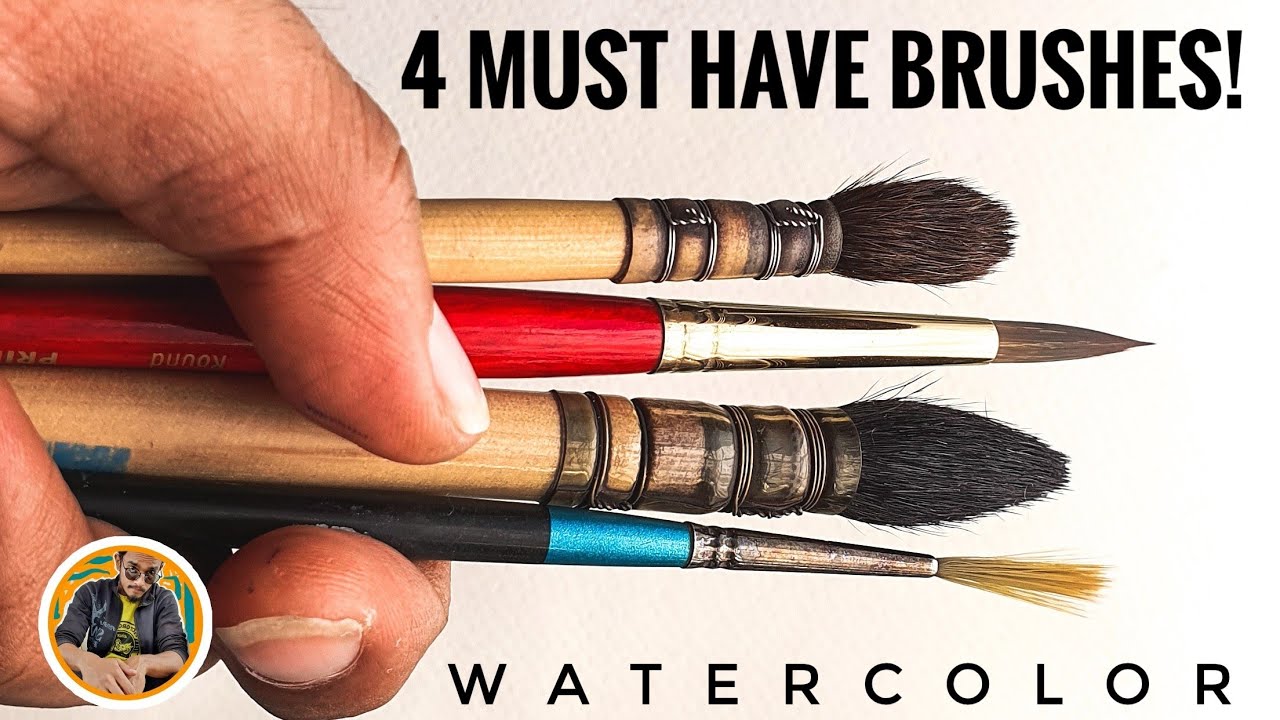
Mop brushes excel at covering extensive paper areas quickly. Wash technique applications include skies, water surfaces, and background elements. The full bristle head holds enough paint for smooth, continuous coverage.
Load the brush completely with diluted paint. Work quickly while the paint remains wet. Overlapping strokes blend seamlessly when timing is right.
Background Creation
Background painting becomes effortless with properly loaded mop brushes. Establish atmospheric effects before adding foreground details. Large washes create unity throughout the composition.
Vary water content for different background intensities. Lighter washes push elements into the distance. Darker backgrounds make foreground subjects pop forward.
Sky and Cloud Effects
Atmospheric effects shine with mop brush techniques. Gradated washes from dark to light suggest weather conditions. Cloud formations emerge through selective lifting and negative painting.
Work wet-on-wet for soft, realistic cloud edges. Dry brush techniques create texture in storm clouds. Color theory principles guide sky color choices.
Water Surface Rendering
Horizontal washes suggest calm water surfaces. Texture creation techniques add ripples and movement. Reflected colors require careful observation and mixing.
Leave white paper for bright highlights. Add darker values for depth and shadow areas. Water paintings benefit from understanding value relationships.
Blending and Gradation Work

Wet-on-Wet Blending
Color blending method success depends on proper timing and water control. Apply clean water first, then drop in pigment. Colors flow and merge naturally in wet areas.
Control bleeding by managing water content. Too much water creates uncontrollable runs. Too little prevents smooth color transitions.
Color Transition Techniques
Gradual color transition requires consistent brush movement and paint consistency. Start with darker values and gradually add lighter tones. Work quickly before the first wash dries.
Complementary colors create vibrant transitions. Analogous color schemes produce harmonious gradations. Practice with single colors before attempting complex transitions.
Atmospheric Effects
Distance effects rely on atmospheric painting principles. Cooler, lighter colors recede into backgrounds. Warmer, darker values advance toward viewers.
Create depth through aerial perspective techniques. Soften distant elements with lighter washes. Maintain sharp details only in foreground areas.
Soft Edge Creation
Soft edge formation happens naturally with proper mop brush technique. Clean, damp brushes soften hard paint edges. This technique proves essential for realistic rendering.
Timing determines edge quality. Work into slightly damp paint for best results. Completely wet or dry surfaces produce different edge characteristics.
Texture Creation Methods

Dry Brush Techniques with Mops
Dry brush technique applications work surprisingly well with mop brushes. Remove excess water before applying paint. Drag the brush lightly across textured paper.
Rough paper enhances dry brush effects. The bristle tips catch paper texture while skipping low areas. This creates broken, organic textures.
Stippling and Dabbing Effects
Stippling technique creates foliage, stone textures, and other natural surfaces. Press the brush vertically against paper repeatedly. Vary pressure for different mark densities.
Dabbing motions suggest cloud textures and soft surfaces. Rotate the brush between dabs for varied marks. Organic texture simulation emerges through random placement.
Abstract Mark-Making Possibilities
Mop brushes create unique mark-making opportunities beyond realistic rendering. Gestural strokes express emotion and movement. Abstract painters value these expressive qualities.
Experiment with different angles and pressures. Side strokes produce wide marks. Tip work creates fine details. Versatile watercolor brush applications extend far beyond traditional techniques.
Proper Usage Techniques

Loading the Brush
Water Absorption Methods
Water absorption capacity determines mop brush performance. Dip the entire brush head into clean water. Allow natural fibers to expand and fill completely.
Gently squeeze out excess water without damaging bristles. The brush should feel heavy but not dripping. Natural hair brushes hold significantly more water than synthetic alternatives.
Paint Loading Techniques
Load paint gradually for better control. Touch the brush to concentrated pigment on your palette. Paint loading should coat the bristles evenly without overloading.
Roll the brush gently in the paint mixture. Avoid pressing hard against the palette surface. This preserves bristle tips and maintains proper shape.
Controlling Paint-to-Water Ratios
Paint-to-water ratio determines wash intensity and flow characteristics. More water creates lighter, flowing washes. Less water produces stronger color saturation.
Test ratios on scrap paper first. Adjust by adding water or pigment as needed. Consistent ratios produce predictable results.
Brush Preparation Steps
Always wet the brush before loading paint. Brush preparation prevents pigment from penetrating deep into the ferrule. Clean water rinses remove any residual paint.
Check bristle alignment before each use. Gently reshape if necessary. Proper preparation extends brush life significantly.
Application Methods
Stroke Direction and Pressure
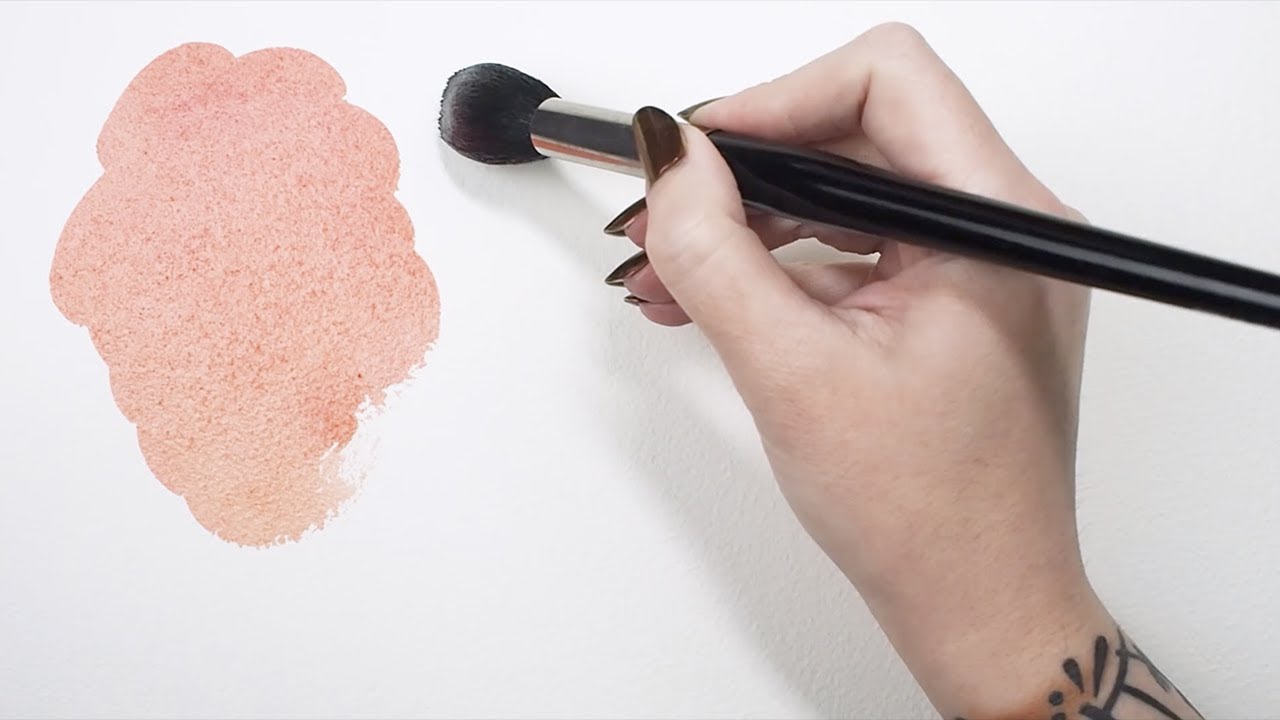
Stroke direction affects paint flow and coverage quality. Horizontal strokes work best for large washes. Vertical movements create different texture effects.
Light pressure allows paint to flow naturally. Heavy pressure forces paint into paper fibers. Brush stroke control comes with practice and observation.
Speed Considerations
Fast application prevents streaking in large washes. Slow, deliberate movements work better for detailed areas. Water control timing becomes critical with experience.
Match speed to paint consistency and paper dampness. Wet surfaces require faster work. Dry applications allow more time.
Brush Angle and Positioning
Hold the brush at various angles for different effects. Brush angle technique changes mark width and paint distribution. Perpendicular positioning creates round marks.
Side angles produce broader strokes. Experiment with different grips and positions. Versatile watercolor brush applications expand with practice.
Maintaining Consistent Coverage
Overlapping strokes while paint remains wet prevents visible edges. Coverage consistency requires planning and timing. Work systematically across the surface.
Reload the brush before it runs dry. Empty brushes create uneven coverage. Maintain wet edges throughout large areas.
Common Mistakes to Avoid
Overloading with Paint
Overloading leads to uncontrollable paint flow and muddy colors. Heavy pigment loads resist blending efforts. Remove excess paint before application.
Signs of overloading include:
- Paint dripping from the brush
- Colors appearing too dark initially
- Difficulty controlling paint placement
Incorrect Pressure Application
Excessive pressure damages delicate natural bristles. Pressure application should feel gentle and controlled. Let the brush do the work naturally.
Too little pressure prevents proper paint release. Find the balance through practice. Different papers require pressure adjustments.
Poor Brush Maintenance During Use
Neglecting brush care during painting sessions causes permanent damage. Brush maintenance includes regular cleaning between colors. Dried paint ruins bristle flexibility.
Never leave brushes sitting in water for extended periods. The ferrule and handle can suffer water damage. Rest brushes horizontally when possible.
Wrong Paper Preparation
Paper preparation affects mop brush performance significantly. Completely dry paper may resist initial washes. Pre-wetting helps paint flow smoothly.
Overly wet paper causes uncontrollable bleeding. Test paper dampness before applying paint. Different techniques require specific moisture levels.
Care and Maintenance
Cleaning Procedures
Between-Color Cleaning
Between-color cleaning prevents muddy color mixing. Rinse thoroughly in clean water containers. Gently squeeze bristles to remove trapped pigment.
Use paper towels to blot excess water and paint. Check for complete color removal before loading new pigment. Quality brush features include easy cleaning characteristics.
End-of-Session Cleaning
Thorough cleaning after each painting session preserves brush life. End-of-session cleaning removes all paint residue completely. Use mild soap if necessary for stubborn pigments.
Rinse until water runs completely clear. Gently reshape the brush head while damp. Proper cleaning prevents bristle damage and splitting.
Deep Cleaning Methods
Monthly deep cleaning removes accumulated paint and oils. Deep cleaning methods include gentle soap solutions and brush cleaners. Avoid harsh chemicals that damage natural fibers.
Specialized brush soaps work well for watercolor brushes. Rinse thoroughly after soap treatment. Deep cleaning restores brush performance.
Removing Stubborn Pigments
Some pigments stain brush bristles permanently. Stubborn pigments like Prussian blue and alizarin crimson penetrate deeply. Immediate cleaning prevents permanent staining.
Brush restorer products help remove difficult stains. Work the cleaner gently through bristles. Multiple treatments may be necessary for heavy staining.
Storage Best Practices

Proper Drying Positions
Store brushes horizontally or bristles-up for drying. Proper drying positions prevent water from entering the ferrule. Gravity pulls moisture away from the metal connection.
Never store brushes bristles-down while wet. This bends and damages the brush head permanently. Horizontal storage works best for most situations.
Shape Preservation Techniques
Shape preservation requires careful handling during storage. Gently reshape the brush head while damp. Allow natural drying without forced heat.
Brush guards protect stored brushes from damage. Paper sleeves work for temporary protection. Professional watercolor brush storage systems offer long-term solutions.
Travel Storage Solutions
Rigid brush cases protect brushes during transport. Travel storage solutions include roll-up cases and hard containers. Secure brushes to prevent movement damage.
Allow brushes to dry completely before packing. Trapped moisture encourages mold growth. Ventilation helps prevent storage problems.
Long-Term Storage Considerations
Long-term storage requires pest protection and climate control. Moths damage natural hair brushes. Cedar blocks deter insect problems naturally.
Stable temperature and humidity preserve brush materials. Extreme conditions cause bristle brittleness. Brush lifespan extends with proper storage care.
Brush Lifespan and Replacement
Signs of Wear and Damage
Brush lifespan varies with use frequency and care quality. Split bristles indicate wear or damage. Loss of point formation signals replacement time.
Common wear signs include:
- Bristles splaying in multiple directions
- Significant hair loss during use
- Inability to hold paint properly
- Bent or damaged ferrule
Reshaping Possibilities

Minor reshaping extends brush life temporarily. Reshaping works best on slightly worn brushes. Severe damage requires replacement rather than repair.
Gentle reshaping while damp often restores usability. Avoid force that further damages bristles. Natural fiber brush materials respond better to reshaping attempts.
When to Retire a Mop Brush
Retire brushes when performance drops significantly. Professional-grade features deserve replacement when they stop functioning properly. Cost considerations balance against performance needs.
Student brushes may warrant repair attempts. Professional brushes often justify replacement over extensive repairs. Evaluate based on original investment and current needs.
Cost-Effectiveness Considerations
Cost-effectiveness balances brush price against expected lifespan. Premium brushes last longer with proper care. Calculate cost per year of use for comparison.
Replacing cheap brushes frequently may cost more than buying quality initially. Budget allocation should consider long-term value. Quality tools improve painting enjoyment and results.
Selecting the Right Mop Brush
Size Considerations
Small Mop Brushes for Detail Work
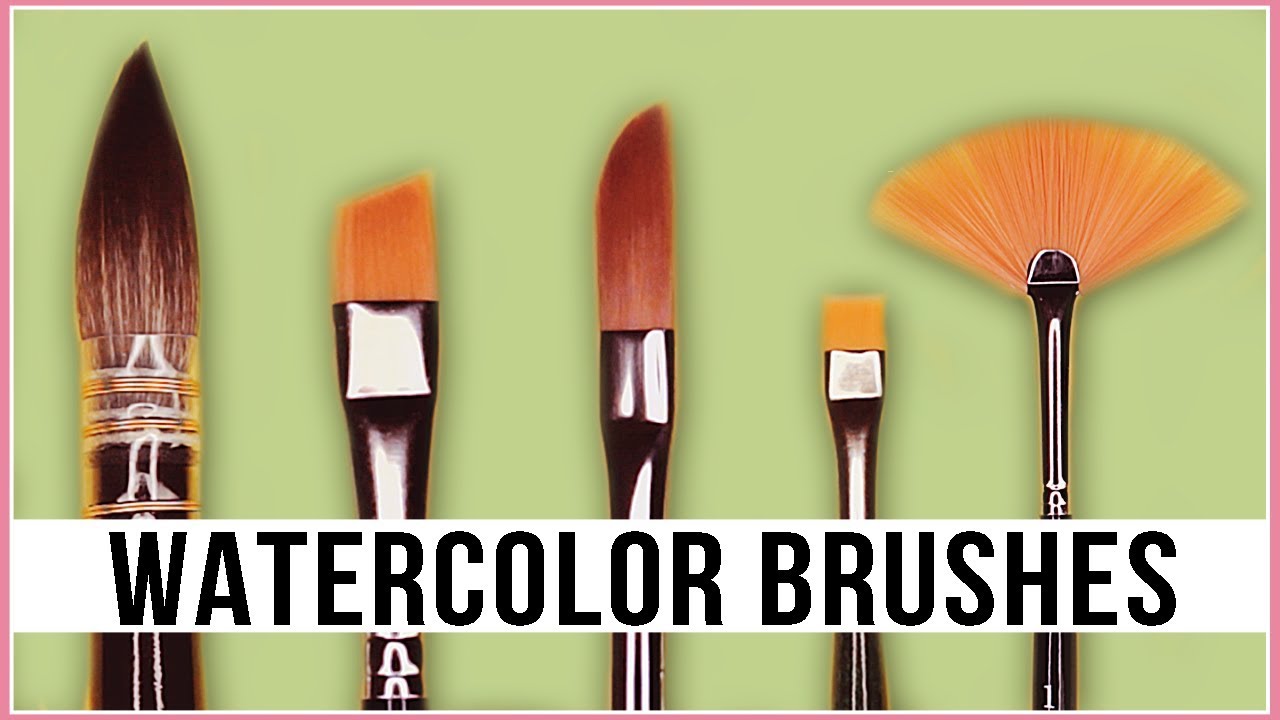
Small mop brushes handle precise applications while maintaining soft wash characteristics. Sizes 6-10 work well for medium-sized paintings. These brushes bridge the gap between detail work and larger coverage.
Detail washes benefit from smaller mop construction. Brush size selection affects both control and coverage capacity. Consider your typical painting scale when choosing.
Medium Sizes for General Use
Medium mops (sizes 12-16) serve most watercolor painting needs effectively. These versatile tools handle backgrounds and mid-sized areas equally well. General use applications make medium sizes essential for most painters.
Balance between coverage and control makes medium brushes practical choices. Most watercolorists rely heavily on this size range. Stock multiple medium brushes for continuous work.
Large Mops for Extensive Washes
Large coverage requires substantial brush capacity. Sizes 18-24 excel at sky paintings and major background elements. Extensive washes flow smoothly with properly loaded large mops.
Full-sheet paintings demand large brush capabilities. Smaller brushes struggle with seamless coverage over broad areas. Professional watercolor tool collections include multiple large options.
Matching Brush Size to Paper Size
Paper size directly influences optimal brush selection. Quarter-sheet paintings work well with medium brushes. Full sheets require large mops for efficient coverage.
Consider these general guidelines:
- Quarter sheet: Size 12-14 mops
- Half sheet: Size 16-20 mops
- Full sheet: Size 20+ mops
- Smaller formats: Size 6-10 mops
Quality Factors
Hair Quality Assessment
Hair quality determines brush performance and longevity. Premium squirrel hair holds maximum water while maintaining softness. Natural hair grades vary significantly between manufacturers.
Examine individual bristles for consistency and taper. Quality brushes use carefully selected, undamaged hair. Poor quality shows in uneven bristle length and thickness.
Construction Quality Indicators
Construction quality shows in ferrule attachment and bundle formation. Seamless metal work prevents hair loss and water damage. Quality brush features include precise manufacturing standards.
Hand-tied bundles outperform machine-made alternatives. Check for secure ferrule crimping without bristle damage. Handle attachment should feel solid and balanced.
Brand Reputation Considerations
Established manufacturers maintain consistent quality standards across product lines. Brand reputation reflects years of user experience and feedback. Research brand history and user reviews.
Professional artists often recommend specific brands based on performance. Student brands may offer acceptable quality at lower prices. Professional-grade features justify premium pricing.
Price-to-Performance Ratios
Price-to-performance analysis guides smart purchasing decisions. Expensive doesn’t always mean better for your needs. Cost-effectiveness balances initial investment against expected use.
Compare similar brushes across price ranges. Mid-range options often provide excellent value. Budget allocation should reflect your painting frequency and goals.
Beginner vs. Professional Options

Entry-Level Recommendations
Beginner painting brush selections focus on versatility and affordability. Synthetic mops offer consistent performance without premium pricing. Entry-level choices should cover basic wash techniques effectively.
Start with one medium-sized quality brush rather than multiple cheap options. Learn proper technique before investing in expensive tools. Student brushes can produce excellent results with good care.
Professional-Grade Features
Professional brushes justify higher costs through superior materials and construction. Premium natural hair provides unmatched watercolor painting performance. Professional watercolor brush construction emphasizes durability and functionality.
Features include hand-selected hair, precise bundle formation, and premium ferrules. Professional tools enhance rather than limit artistic expression. Artist supplies quality directly affects painting enjoyment.
Upgrade Timing Decisions
Upgrade timing depends on skill development and brush condition. Replace worn brushes before they limit your progress. Professional-grade tools become worthwhile as techniques improve.
Experienced painters recognize quality differences more readily. Brush replacement timing balances cost against performance benefits. Don’t upgrade until you can appreciate the differences.
Budget Allocation Strategies
Budget allocation should prioritize one excellent brush over multiple mediocre options. Cost considerations include both initial purchase and replacement frequency. Quality brushes last longer with proper care.
Allocate funds based on painting frequency and commitment level. Painting workflow efficiency improves with appropriate tool quality. Consider brushes as long-term investments.
Integration with Other Watercolor Tools

Brush Kit Composition
Complementary Brush Types
Brush kit composition balances mop brushes with different types of paintbrushes. Round brushes handle detail work that mops cannot manage. Complementary brush types expand creative possibilities.
Essential additions include:
- Flat brushes for sharp edges
- Liner brushes for fine details
- Filbert brushes for organic shapes
Workflow Considerations
Workflow planning determines optimal brush combinations. Mop brushes typically start paintings with background washes. Painting process efficiency improves with logical brush progression.
Clean brushes between major color changes. Keep multiple water containers for different purposes. Creative tools organization affects painting rhythm and results.
Space and Portability Factors
Portability requirements influence brush selection for outdoor painting. Telescoping handles reduce travel kit size. Space considerations limit brush quantity for portable setups.
Balance functionality against carrying capacity. Essential brushes take priority in limited-space situations. Versatile watercolor brush options maximize utility per tool.
Cost-Effective Combinations
Cost-effective combinations provide maximum capability within budget constraints. One quality mop plus basic round and flat brushes covers most techniques. Art techniques development requires appropriate tool support.
Avoid buying complete sets unless all brushes meet your standards. Individual brush selection often provides better value. Painting tools quality varies within manufacturer product lines.
Paper Compatibility
Rough Paper Techniques
Rough paper textures interact uniquely with mop brush applications. Heavy texture catches bristles and creates interesting effects. Watercolor paper surface affects paint flow and brush behavior.
Dry brush techniques work exceptionally well on rough surfaces. The texture breaks up paint application naturally. Adjust brush loading technique for textured papers.
Hot-Pressed Paper Applications
Smooth hot-pressed papers allow maximum paint flow from mop brushes. Hot-pressed paper surfaces show every brush mark clearly. Clean technique becomes critical on smooth surfaces.
Blending happens more easily on smooth papers. Color transitions appear seamless with proper technique. Paint consistency control becomes more important on non-absorbent surfaces.
Cold-Pressed Paper Methods
Cold-pressed paper provides moderate texture suitable for most mop brush work. This popular surface balances texture with smoothness. Paper compatibility affects brush performance significantly.
Most watercolor techniques work well on cold-pressed surfaces. The slight texture helps control paint flow. Background painting techniques excel on this surface type.
Weight Considerations
Paper weight affects how much water the surface can handle. Weight considerations influence wash techniques and timing. Heavy papers (300gsm+) handle multiple wet layers better.
Lighter papers may buckle under heavy washes. Stretching prevents distortion during wet applications. Large area coverage requires appropriate paper weight selection.
Paint Interaction
Student-Grade Paint Performance
Student-grade paint works adequately with mop brushes for learning purposes. Lower pigment concentration requires heavier loading. Paint performance varies between quality levels significantly.
Transparency suffers with student paints in large washes. Color mixing produces duller results than professional pigments. Pigment application techniques must compensate for quality differences.
Professional Paint Compatibility
Professional paint maximizes mop brush capabilities through superior flow and intensity. Higher pigment loads create vibrant washes with less material. Color blending works more predictably with quality paints.
Transparency and luminosity improve dramatically with professional pigments. Primary colors maintain purity in mixtures. Paint-to-water ratio adjustments become more precise.
Pigment Behavior Differences
Different pigment behavior patterns affect mop brush techniques. Staining colors penetrate paper fibers deeply. Sedimentary pigments settle into paper texture uniquely.
Understanding pigment characteristics improves wash control. Granulating colors create texture automatically in large areas. Atmospheric effects benefit from pigment behavior knowledge.
Color Mixing Capabilities
Color mixing happens naturally during wet-on-wet applications. Mop brushes excel at creating smooth color transitions. Wet application timing controls mixing intensity and effects.
Clean brushes prevent muddy color combinations. Secondary colors emerge through controlled mixing. Texture creation includes color interaction possibilities.
FAQ on What Is A Mop Brush In Watercolor
What exactly is a mop brush in watercolor painting?
A mop brush features an extremely full, round head with soft bristles designed for large-area coverage. Unlike regular round brushes, mops hold massive amounts of water and paint, making them perfect for wash techniques and background applications in watercolor work.
How does a mop brush differ from regular watercolor brushes?
Mop brushes have significantly more bristles packed into a fuller head shape. They hold exponentially more water than standard rounds or flats. Water holding capacity and soft application distinguish mops from detail-oriented brush types used for precise work.
What are mop brushes made from?
Natural hair options include squirrel, goat, and ox hair, with squirrel being premium. Synthetic alternatives use advanced polymer fibers. Natural hair provides superior water retention, while synthetics offer durability and consistent performance at lower cost points.
What size mop brush should beginners choose?
Medium sizes (12-16) work best for beginner painting needs. These handle most background painting tasks while remaining controllable. Brush size selection should match your typical paper dimensions and painting scale for optimal results and technique development.
How do you properly load a mop brush with paint?
First saturate with clean water, then gently squeeze out excess. Touch the brush to concentrated pigment, rolling slightly for even distribution. Paint loading should coat bristles without overloading. Test paint-to-water ratio on scrap paper first.
What techniques work best with mop brushes?
Wet-on-wet technique excels with mop brushes for smooth color transitions. Large coverage applications, atmospheric effects, and background wash creation are primary uses. Stippling technique and texture creation also work well with proper brush handling.
How do you clean and maintain a mop brush?
Rinse thoroughly between colors and after each session. Brush maintenance includes gentle reshaping while damp and horizontal storage. Use mild soap for deep cleaning monthly. Natural fiber brush care prevents damage and extends lifespan significantly.
Can you use mop brushes for detail work?
Small mop brushes handle medium-detail applications effectively. However, detail work typically requires standard round brushes with pointed tips. Mops excel at soft edge creation and transitional areas rather than precise, sharp details in watercolor paintings.
What’s the difference between natural and synthetic mop brushes?
Natural hair provides superior water absorption and smoother paint release. Synthetic bristles offer consistency, durability, and lower cost. Natural feels softer but requires more careful handling. Synthetic performs predictably across various painting conditions and weather.
How long do mop brushes typically last?
Brush lifespan varies with usage frequency and care quality. Professional natural hair brushes last years with proper maintenance. Student brushes may need replacement sooner. Signs include bristle splitting, shape loss, and reduced water absorption capacity over time.
Conclusion
Understanding what is a mop brush in watercolor opens new possibilities for atmospheric painting and seamless wash applications.
These specialized tools transform how artists approach large-scale color work and background development.
Professional watercolor tool selection impacts artistic results significantly. Quality mop brushes justify their cost through superior performance and longevity. Synthetic alternative options provide accessible entry points for budget-conscious painters.
Proper brush care routine and storage methods preserve your investment for years.
Water absorption capacity and gentle handling techniques maintain optimal performance. Regular maintenance prevents premature bristle damage and shape loss.
Integration with complementary brushes for watercolor painting creates complete painting systems.
Texture creation method possibilities expand when mop brushes join your artistic toolkit. Mark-making tool versatility extends beyond traditional wash applications into experimental techniques.
Master these fundamentals and watch your watercolor backgrounds transform from adequate to exceptional.


