

Walk into any art supply store and you’ll face the same decision that has puzzled artists for centuries. Cotton vs linen canvas represents one of the most important choices you’ll make as a painter.
Both canvas materials offer distinct advantages for different painting styles and techniques. Cotton provides affordability and consistency, while linen delivers superior longevity and texture.
Your choice affects everything from paint adhesion to long-term durability. Oil painting techniques respond differently to each surface, and cost considerations vary dramatically between materials.
This guide breaks down the key differences between cotton and linen canvas across durability, surface quality, cost, and practical applications. You’ll discover which material suits your artistic goals, budget, and preferred painting medium.
Durability and Longevity

Cotton Canvas Lifespan
Cotton canvas offers solid durability for most painting projects. The natural fiber composition creates a stable painting surface that holds up well under normal studio conditions.
Most cotton canvases maintain their integrity for decades when properly cared for. The canvas weave structure provides adequate support for various painting mediums, though it’s not quite as robust as linen.
Canvas stretching techniques affect longevity significantly. Properly stretched cotton canvas resists sagging better than loose preparations.
Linen Canvas Durability
Linen canvas demonstrates superior archival quality compared to cotton alternatives. The flax fiber properties create exceptional long-term stability.
Historical paintings on linen dating back centuries prove this material’s staying power. Museums worldwide house countless examples of linen canvases that remain structurally sound after hundreds of years.
The natural strength advantages of flax fibers become apparent over time. Linen canvas maintains surface tension longer and resists environmental stress better than cotton.
Environmental Impact on Canvas Materials
Humidity Effects
Both canvas materials react to moisture differently. Cotton canvas tends to expand and contract more dramatically with humidity changes.
Linen shows greater stability in varying moisture conditions. This makes it ideal for long-term conservation needs.
Temperature Sensitivity
Canvas durability depends heavily on temperature control. Extreme heat can weaken both cotton and linen fibers over time.
Cotton becomes more brittle with repeated temperature cycling. Linen maintains flexibility longer under similar conditions.
Light Exposure Consequences
UV light gradually breaks down cotton fibers faster than linen. Professional artists often choose linen for works intended for bright gallery spaces.
Canvas preparation with quality gesso helps protect both materials from light damage.
Surface Quality and Paint Interaction

Cotton Canvas Surface Characteristics
Canvas Texture Variations
Cotton canvas presents a consistent texture that many artists prefer for detailed work. The surface provides predictable paint absorption properties.
Most cotton canvases offer moderate tooth that grips paint well without being overly aggressive.
Paint Adhesion Properties
Oil painting on cotton canvas produces reliable results. The fibers accept paint evenly and allow for smooth blending techniques.
Canvas priming becomes crucial with cotton to prevent oil absorption into the fibers.
Linen Canvas Surface Properties
Natural Texture Benefits
Linen’s irregular weave creates interesting surface texture variations that add character to paintings. Some artists specifically seek this organic quality.
The natural texture can enhance certain painting styles, particularly impressionism and expressionism.
Paint Performance Differences
Linen canvas offers superior paint adhesion compared to cotton. Colors appear more vibrant on the natural flax surface.
Acrylic painting works exceptionally well on linen canvas, with colors maintaining their intensity over time.
Canvas Preparation Requirements
Gesso Application Differences
Cotton canvas requires thorough priming to seal the fibers properly. Multiple gesso coats often work best for cotton surfaces.
Linen canvas can work with fewer primer coats due to its natural density.
Stretching Considerations
Canvas stretching techniques vary between materials. Cotton requires more care during initial stretching to prevent tearing.
Linen’s strength allows for tighter stretching without damage concerns.
Cost Analysis and Value

Cotton Canvas Pricing
Cotton canvas provides excellent value for budget-conscious artists. Student-grade options start around $15-25 for standard sizes.
Professional grade cotton canvas ranges from $30-60 depending on weight and preparation quality.
Bulk purchasing can reduce costs significantly. Many art suppliers offer package deals for cotton canvas rolls.
Linen Canvas Investment
Linen commands premium pricing due to manufacturing complexity and raw material costs. Basic linen canvases start around $40-60 for comparable sizes.
High-end Belgian linen can cost $100-200+ for larger formats. This investment reflects the superior material quality and longevity.
Professional artists often view linen as a worthwhile long-term investment despite higher upfront costs.
Cost Per Project Analysis
Size Considerations
Small format work favors linen since the cost difference becomes less significant. An 8×10 inch canvas might only differ by $10-15 between materials.
Large scale projects make cotton more attractive financially. A 36×48 inch canvas could show $50-100+ price differences.
Quality Grade Impact
Student quality cotton canvas offers the most economical option for practice work and studies. Professional cotton provides better value than student-grade linen.
Artist-quality linen delivers the best long-term value for serious work intended for exhibition or sale.
Professional vs Student Applications
Learning Curve Considerations
Students benefit from cotton canvas affordability during skill development. The lower cost allows for more experimentation without financial pressure.
Canvas texture differences become more important as technical skills advance.
Investment Timeline
Professional work intended for galleries or collectors justifies linen canvas costs. The archival quality protects long-term value.
Commission work often specifies canvas type based on client expectations and project scope.
Value Assessment Summary
Cotton canvas excels for:
- Practice and learning
- Large-scale work on budgets
- Mixed media experimentation
- High-volume studio production
Linen canvas proves worthwhile for:
- Museum-quality work
- Professional exhibitions
- Long-term art investments
- Prestigious commissions
Practical Applications by Art Style
Oil Painting Considerations

Paint Absorption and Drying
Cotton canvas absorbs oil paint more readily than linen, requiring careful priming. The natural fibers can pull oils from paint layers if not properly sealed.
Linen canvas provides superior paint adhesion for oil techniques. Professional artists often prefer linen for major oil works due to its stability.
Color Mixing Performance
Canvas texture affects how colors blend on the surface. Cotton’s smoother weave allows for subtle color transitions and detailed work.
Linen’s irregular surface creates natural texture that can enhance impressionist brushwork.
Blending Techniques
Oil painting on cotton works well for smooth realism styles. The consistent surface helps achieve seamless gradations.
Linen excels for expressionist techniques where visible brushstrokes add character.
Acrylic Paint Performance
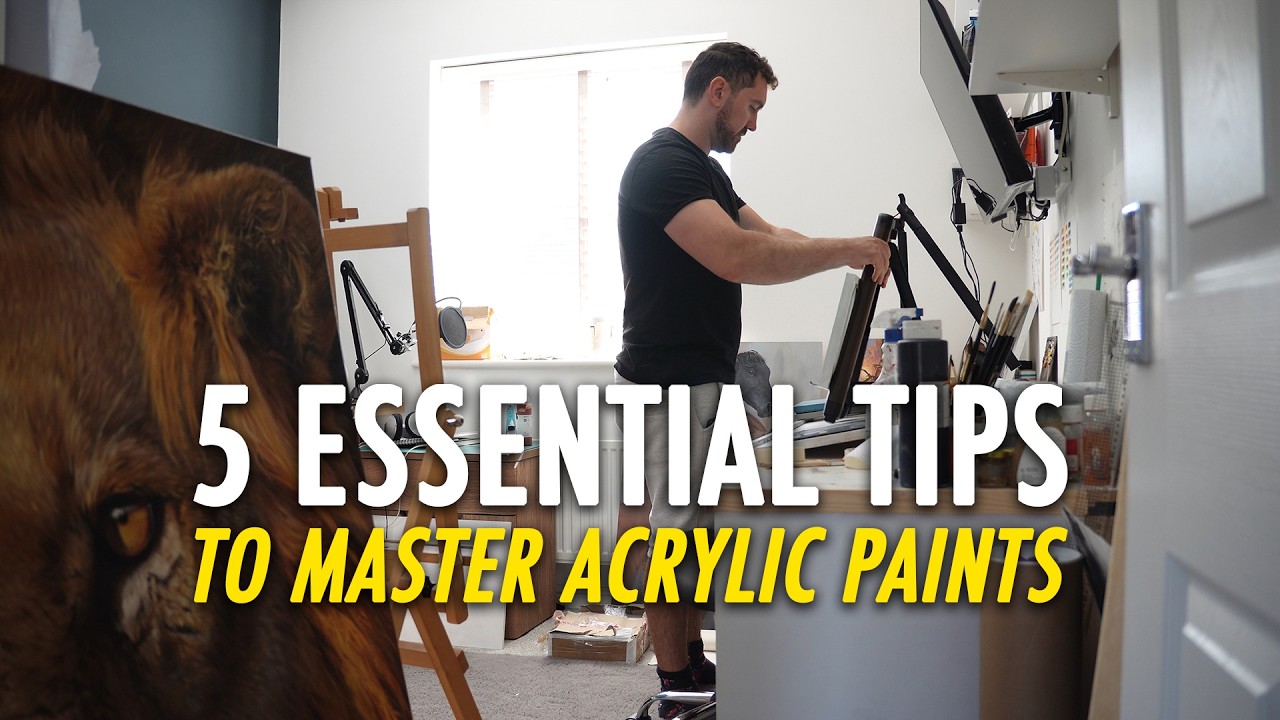
Quick-Drying Advantages
Acrylic painting on cotton canvas offers predictable drying times. The material doesn’t interfere with acrylic’s natural quick-set properties.
Linen canvas can slightly extend acrylic working time due to its density. This benefits artists who prefer longer blending periods.
Color Retention Properties
Both canvas types hold acrylic colors well long-term. Linen shows slight advantages in color vibrancy retention over decades.
Proper canvas preparation ensures optimal acrylic adhesion on either material.
Mixed Media Applications
Compatibility Factors
Cotton canvas handles mixed media experimentation better due to its affordability. Artists can freely test techniques without major cost concerns.
Linen works well for serious mixed media pieces intended for exhibition or sale.
Layering Possibilities
Canvas texture influences how different media interact. Cotton’s smooth surface works well for detailed collage elements.
Linen’s natural tooth helps grip various materials during layering processes.
Professional vs Student Applications

Student and Beginner Requirements
Learning Curve Benefits
Student quality cotton canvas provides ideal practice surfaces. The lower cost encourages experimentation without financial pressure.
Canvas preparation skills develop naturally when working with affordable materials first.
Practice Volume Needs
Art students typically complete many studies and exercises. Cotton canvas allows high-volume practice at reasonable costs.
Canvas stretching techniques are easier to learn on forgiving cotton surfaces.
Budget Constraints
Most art programs recommend cotton canvas for foundational courses. The material performs well for learning basic painting techniques.
Student budgets stretch further with cotton canvas purchases.
Professional Artist Requirements
Archival Quality Demands
Professional work requires archival quality materials that last decades. Linen canvas provides superior longevity for serious artwork.
Galleries and collectors expect professional-grade surfaces for exhibition pieces.
Client Expectations
Commission work often specifies canvas type based on project scope. High-end portraits typically use linen canvas.
Professional grade materials signal quality and justify pricing to clients.
Commercial Applications
Time Constraints
Commercial artists working under tight deadlines appreciate cotton canvas’s consistent texture. The predictable surface speeds up painting processes.
Linen’s natural variations can slow commercial production schedules.
Volume Requirements
Studios producing multiple works favor cotton canvas for cost efficiency. The savings add up significantly across large projects.
Canvas durability remains adequate for most commercial applications.
Maintenance and Care
Cotton Canvas Care
Cleaning Methods
Canvas maintenance for cotton requires gentle approaches. Light dusting with soft brushes removes surface debris safely.
Avoid moisture-based cleaning on cotton canvas. Water can cause unwanted expansion and texture changes.
Storage Recommendations
Store cotton canvases vertically when possible. This prevents warping and maintains surface tension.
Climate-controlled storage protects cotton fibers from humidity damage.
Repair Techniques
Small tears in cotton canvas repair relatively easily with patch methods. The material accepts adhesive repairs well.
Canvas texture matching becomes important during repair work.
Linen Canvas Maintenance
Special Handling Requirements
Linen canvas demands more careful handling due to its investment value. Professional conservation methods often apply.
Canvas preparation quality affects maintenance needs significantly.
Long-term Preservation
Museum-quality linen canvas can last centuries with proper care. Temperature and humidity control remain critical factors.
Professional conservation services specialize in linen canvas restoration.
Common Problems and Solutions
Sagging Issues

Canvas stretching problems affect both materials but manifest differently. Cotton tends to sag gradually over time.
Linen maintains tension longer but may develop localized loose spots.
Environmental Damage
Both materials suffer from extreme conditions. Cotton shows damage faster than linen in harsh environments.
Canvas durability depends heavily on studio conditions and proper storage.
Prevention Strategies
Regular inspection catches problems early. Small issues remain manageable with prompt attention.
Proper canvas preparation and quality gesso application prevent many common problems.
Professional Conservation
When to Seek Help
Valuable paintings on linen canvas warrant professional conservation assessment. Expert evaluation determines appropriate treatment approaches.
Archival quality work justifies professional maintenance costs.
DIY Limitations
Amateur repairs can damage valuable canvases permanently. Professional conservators have specialized training and materials.
Simple maintenance tasks like dusting remain safe for artists to perform.
Size and Format Considerations
Small Format Work
Detail Work Advantages
Small canvases favor cotton canvas for precise detail work. The consistent weave pattern supports fine brushwork without interfering texture.
Photorealism artists often prefer cotton for detailed studies under 16×20 inches.
Portability Factors
Canvas weight becomes negligible in small formats. Both materials transport easily for plein air work or studio studies.
Cotton edges out linen slightly for outdoor painting due to lower replacement costs if damaged.
Cost Efficiency Analysis
Small cotton canvases cost $8-15 typically. Comparable linen runs $20-35 for the same dimensions.
The cost difference shrinks proportionally as sizes decrease, making linen more accessible for small works.
Large Scale Projects
Structural Integrity Requirements
Large canvases demand superior canvas durability to prevent sagging and warping. Linen canvas provides better structural support for works over 30×40 inches.
Cotton canvas often requires additional stretcher bar support for substantial sizes.
Canvas Stretching Challenges
Stretching techniques become critical with large formats. Linen’s strength allows for proper tension without tearing concerns.
Cotton requires more careful handling during large canvas preparation.
Material Waste Considerations
Large cotton canvas purchases generate less financial waste during experimentation. Artists can afford to restart problem pieces.
Professional grade linen makes mistakes more costly on large-scale work.
Custom and Non-Standard Sizes
Availability Limitations
Standard sizes favor cotton canvas for immediate availability. Most art suppliers stock common cotton dimensions.
Custom linen canvas often requires special ordering with longer lead times.
Preparation Requirements
Canvas preparation for unusual sizes takes more planning with linen. The material costs make precise measurements critical.
Cotton allows more flexibility during custom stretching projects.
Format-Specific Applications
Portrait Orientations
Vertical formats work well with both materials. Canvas texture becomes more important for portrait work than size considerations.
Abstract works in unusual formats often use cotton for cost reasons.
Landscape Formats
Wide horizontal canvases benefit from linen’s superior tensile strength. The material resists sagging better across extended spans.
Surface texture variations in linen can add interest to landscape compositions.
Square Formats
Square canvases perform similarly in both materials. Minimalism artists often choose based on budget rather than performance differences.
Canvas weight options matter more than material type for square formats.
Panel vs Canvas Considerations

Alternative Surfaces
Wood panels compete with canvas for certain applications. Painting on wood panel offers different advantages.
Canvas texture provides flexibility that rigid panels cannot match.
Mounting Options
Canvas materials allow for various mounting approaches. Both cotton and linen adapt to different stretcher bar systems.
Frame compatibility remains similar between canvas types for standard sizes.
Studio Space Impact
Storage Efficiency
Canvas storage requirements differ based on material investment value. Linen canvases need more protected storage conditions.
Cotton canvas stacks easily without major protection concerns.
Workspace Planning
Large format work requires adequate studio space regardless of canvas type. Canvas preparation areas need proper ventilation for both materials.
Material costs influence how much inventory artists maintain in limited studio spaces.
FAQ on Cotton Vs Linen Canvas
Which canvas lasts longer, cotton or linen?
Linen canvas offers superior longevity compared to cotton. The flax fiber properties create exceptional archival quality that can last centuries with proper care. Cotton canvas typically maintains integrity for decades but degrades faster under environmental stress.
Is linen canvas worth the extra cost?
Professional artists often find linen worth the investment for exhibition pieces. The superior paint adhesion, durability, and color retention justify higher costs for serious work. Students and hobbyists may prefer cotton’s affordability.
Which canvas texture is better for oil painting?
Both work well for oil painting, but linen provides superior paint adhesion. Cotton requires thorough priming to prevent oil absorption. Linen’s natural tooth enhances brushwork visibility and color vibrancy.
Can beginners use linen canvas?
Beginners can use linen canvas, but cotton offers better learning value. The lower cost allows more experimentation without financial pressure. Students develop canvas preparation skills more affordably with cotton before investing in premium linen.
Which canvas is easier to stretch?
Cotton canvas stretches more easily due to its softer fibers. Canvas stretching requires more care with linen due to its strength, but this also allows tighter stretching without tearing concerns.
Does canvas type affect paint colors?
Canvas type influences color vibrancy significantly. Linen canvas enhances color intensity and maintains vibrancy longer. Cotton provides adequate color retention but may appear slightly duller compared to linen’s natural brightness enhancement.
Which canvas works better for large paintings?
Linen canvas excels for large scale projects due to superior structural integrity. Cotton often requires additional stretcher bar support for substantial sizes. Linen maintains tension better across extended spans without sagging.
How do I choose between cotton and linen?
Consider your budget, project importance, and artistic goals. Choose linen canvas for professional work, exhibitions, or long-term investments. Cotton works well for practice, studies, and budget-conscious projects requiring good performance.
Which canvas needs more maintenance?
Both require similar basic care, but linen demands more careful handling due to investment value. Canvas maintenance involves proper storage and climate control for both materials. Linen often justifies professional conservation for valuable works.
Can I mix cotton and linen in one painting?
Mixing canvas types within one artwork isn’t recommended. Different canvas texture and expansion rates can create problems. Stick with one material type throughout each piece for consistent paint behavior and structural integrity.
Conclusion
The cotton vs linen canvas debate ultimately comes down to your artistic priorities and project requirements. Both materials serve distinct purposes in the artist’s toolkit.
Cotton canvas delivers reliable performance at accessible prices. Students and practicing artists benefit from its consistent surface texture and forgiving nature during watercolor painting or experimental work.
Linen canvas justifies its premium cost through superior canvas durability and archival quality. Professional artists creating gallery pieces or commissioned work find linen’s longevity and paint interaction worth the investment.
Consider your painting medium compatibility, budget constraints, and intended use. Cotton excels for high-volume studio work and learning projects.
Linen shines for serious artwork requiring museum-quality materials. The choice reflects your artistic journey stage and specific project needs rather than one material being universally superior.


