Every brushstroke tells a story, but mastering famous painting techniques separates weekend hobbyists from serious artists. These time-tested methods have shaped art history for centuries.
Leonardo da Vinci‘s sfumato technique still influences portrait painters today. Vincent van Gogh‘s impasto application creates texture that seems to move on canvas.
Whether you prefer oil painting, watercolor painting, or acrylic painting, these foundational techniques will transform your artwork. You’ll learn classical methods like chiaroscuro and modern innovations in mixed media.
This guide covers everything from color theory applications to surface preparation secrets. Master these techniques and watch your paintings develop professional-level depth and sophistication.
Classical Drawing and Sketching Foundations

Drawing forms the backbone of every great painting. Without solid foundation work, even the most expensive paints won’t save your artwork.
Chiaroscuro Mastery
Chiaroscuro creates drama through extreme light and shadow contrasts. This technique transforms flat surfaces into three-dimensional forms that seem to breathe.
Leonardo da Vinci pioneered sfumato, a subtle variation of chiaroscuro that softened harsh transitions. His Mona Lisa demonstrates how gentle gradations create mysterious depth.
Caravaggio pushed chiaroscuro to theatrical extremes. His paintings feature spotlit figures emerging from pitch-black backgrounds.
Modern artists still use these principles. Study how contemporary painters apply dramatic lighting to create focal points in their compositions.
Cross-Hatching and Line Work
Cross-hatching builds value through intersecting lines rather than solid tones. The closer your lines, the darker the area appears.
Albrecht Dürer mastered this technique in his engravings. His precise line work created incredibly detailed textures and forms.
Direction matters as much as density. Curved cross-hatching follows the form’s contours, while straight lines create geometric patterns.
Practice different line weights and spacing. Heavy pressure creates bold strokes, while light touches produce delicate textures.
Blending and Stumping
Smooth value transitions require proper blending techniques. Stumping tools and tissues create seamless gradations in charcoal and graphite work.
Paper texture affects blending results dramatically. Rough surfaces hold more graphite, while smooth papers allow easier blending.
Finger blending works for small areas but can create unwanted smudges. Blending stumps give you better control over specific regions.
Watercolor Mastery Techniques

Watercolor painting demands patience and planning. You can’t easily correct mistakes like you can with oils or acrylics.
Wet-in-Wet Applications
Wet-in-wet means applying paint to already dampened paper or into wet paint areas. This creates soft, flowing effects perfect for atmospheric subjects.
J.M.W. Turner revolutionized landscape painting using this technique. His storm clouds and misty seascapes capture nature’s fluid movement.
Control comes through timing. Very wet paper creates maximum bleeding, while damp surfaces give you more precision.
Color mixing happens directly on paper with wet-in-wet. Unexpected combinations often produce the most beautiful results.
Dry Brush Techniques
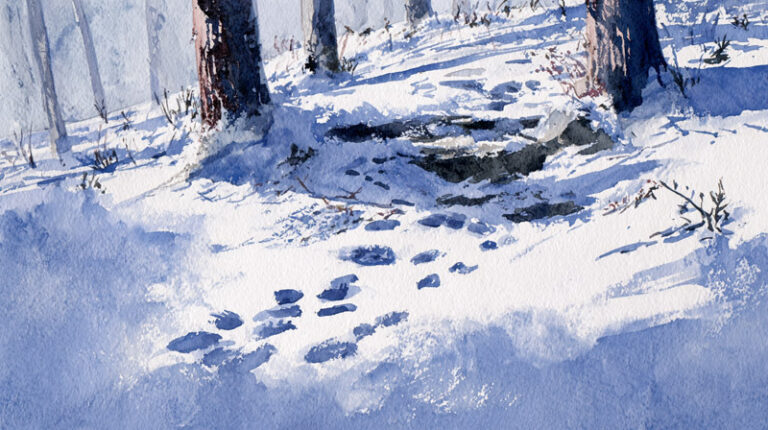
Dry brush uses minimal water for controlled, textured strokes. This technique works perfectly for tree bark, rough surfaces, and detailed work.
Load your brush with paint, then remove excess moisture on paper towels. The remaining pigment creates broken, scratchy marks.
Paper texture becomes visible with dry brush work. Texture adds visual interest and realistic surface qualities.
Practice on scrap paper first. Each brush type creates different dry brush effects.
Lifting and Reserving Methods
Lifting removes paint while it’s still wet, creating highlights and corrections. Clean, damp brushes work best for this technique.
Paper towels and sponges lift large areas quickly. Natural sponges create organic, cloud-like textures.
Masking fluid reserves white areas before painting. Apply it to highlights, then paint over everything.
Remove masking fluid only after paint dries completely. Rushing this step can damage your paper surface.
Acrylic Innovation Methods
Acrylic painting combines oil painting’s versatility with watercolor’s quick drying time. This makes it perfect for modern artists who work fast.
Fast-Drying Advantages
Quick drying lets you layer colors without waiting hours between applications. Oil painters often wait days for similar results.
Corrections happen immediately with acrylics. Paint over mistakes while they’re still wet, or wait minutes for complete coverage.
David Hockney used acrylics for his famous pool paintings. The medium’s speed matched his direct painting approach.
Mixed media works well with acrylics. They accept collage materials, pastels, and other mediums without compatibility issues.
Texture Medium Integration
Gel mediums transform acrylic paint into sculptural material. Mix them directly with paint for raised, three-dimensional effects.
Sand and pumice create rough textures perfect for landscapes and abstract work. Start with small amounts – a little goes far.
Modeling paste builds serious texture height. Apply it with palette knives for architectural and sculptural effects.
Different mediums affect drying time and workability. Heavy gels stay workable longer than standard acrylics.
Acrylic Pouring Techniques

Pouring creates fluid, abstract patterns impossible to achieve with traditional brushwork. This technique has exploded in popularity recently.
Color theory becomes crucial in pours. Complementary colors create vibrant contrasts, while analogous color schemes produce harmonious flows.
Consistency matters more than expensive paints. Proper paint-to-medium ratios create better flows than premium pigments mixed incorrectly.
Cell creation requires silicone oil or specialized additives. Torch work removes bubbles and activates cell formation.
Practice on small canvases first. Large pours waste expensive materials during the learning process.
Mixed Media and Contemporary Approaches
Modern painting breaks traditional boundaries. Artists combine different painting mediums to create unique visual experiences.
Collage Integration

Collage adds physical elements to painted surfaces. Pablo Picasso started this revolution by gluing newspaper directly onto canvas.
Paper, fabric, and found materials change how light hits your surface. Each addition creates new texture possibilities.
Adhesive choice affects longevity. Archival glues prevent yellowing and deterioration over decades.
Digital-Traditional Hybrids
Photo transfers blend photography with paint. Print images on special papers, then paint directly over them.
Digital sketches create accurate underdrawings. Transfer these to canvas using graphite paper or projection methods.
Contemporary art often mixes screen prints with hand-painted elements. This combination adds both precision and human touch.
Found Object Incorporation
Three-dimensional additions turn paintings into relief sculptures. Buttons, shells, and metal pieces add tactile interest.
Weight distribution becomes important with heavy objects. Reinforce your canvas or use rigid supports.
Jean-Michel Basquiat incorporated crowns, words, and urban materials into his work. His mixed media approach reflected street art influences.
Color Theory Application Techniques

Color theory knowledge separates amateur work from professional results. Understanding color relationships transforms your painting immediately.
Complementary Color Systems
Complementary colors sit opposite each other on the color wheel. Red and green, blue and orange, yellow and purple create maximum visual impact.
Vincent van Gogh used complementary pairs for emotional intensity. His sunflowers demonstrate how yellow and purple create vibration effects.
Place complements next to each other for sharp edges. Separate them with neutral tones for softer transitions.
Shadow colors work best when they contain the complement of your main color. Orange objects cast blue-purple shadows, not gray ones.
Temperature Mixing Methods
Warm and cool colors create spatial depth without perspective tricks. Warm colors advance toward viewers, while cool ones recede.
Claude Monet understood temperature’s power in his water lily series. Cool blue water contrasts with warm pink and yellow flowers.
Atmospheric perspective relies on temperature shifts. Distant mountains appear cooler and bluer than foreground elements.
Mix temperatures within single colors. Warm yellows differ dramatically from cool, greenish yellows.
Monochromatic Studies
Single hue exploration teaches value relationships without color distraction. Use only one color plus white and black.
Picasso‘s Blue Period demonstrates monochromatic power. Limited palettes can express profound emotions.
Tints and shades of single colors create surprising variety. Blue alone can suggest everything from sky to deep ocean.
Practice monochromatic still lifes. This builds your eye for subtle value changes.
Surface Preparation and Ground Techniques
Proper surface preparation determines your painting’s longevity. Skipping these steps leads to cracking, peeling, and permanent damage.
Canvas Preparation Methods

Sizing seals raw canvas fibers before applying gesso. Rabbit skin glue was traditional, but modern PVA works better.
Priming a canvas creates the working surface for your paint. Two thin gesso coats work better than one thick application.
Canvas texture affects your final result. Smooth surfaces suit detailed work, while rough textures add character to loose paintings.
Cotton canvas or linen canvas each have distinct properties. Linen costs more but provides superior archival quality.
Panel and Board Treatments
Wood panels offer smooth, stable painting surfaces. Rembrandt van Rijn preferred wood for his detailed portraits.
Sand wooden surfaces before priming. Rough spots telegraph through gesso layers and affect paint application.
Metal panels create ultra-smooth surfaces perfect for photorealistic work. Prime them with special metal-adhesion primers.
Modern synthetic panels combine wood stability with canvas flexibility. They won’t warp or crack like traditional materials.
Unconventional Surface Exploration
Paper preparation opens new creative possibilities. Heavy watercolor papers accept oils and acrylics with proper sealing.
Size paper with diluted PVA before applying oil-based mediums. This prevents oil absorption that causes brittleness.
Found surfaces like old doors, metal sheets, and reclaimed wood add character before you start painting. Sand and clean them thoroughly first.
Yupo paper creates unique effects with watercolors. Its non-absorbent surface allows paint to move freely and lift easily.
Glass and plastic surfaces accept certain paint types. Test compatibility before committing to large pieces.
FAQ on Famous Painting Techniques
What is the difference between oil and acrylic painting techniques?
Oil painting allows extended working time and smooth blending, while acrylic painting dries quickly and accepts mixed media. Oils use traditional glazing methods, acrylics excel at layering and texture work.
How do I master chiaroscuro like the old masters?
Chiaroscuro requires strong light source positioning and dramatic value contrasts. Study Caravaggio‘s work, practice with single light sources, and build forms through shadow shapes rather than outlines.
What painting medium should beginners start with?
Acrylic painting works best for beginners due to quick drying, easy cleanup, and forgiving nature. It teaches brush control and color mixing without oil painting’s complexity or watercolor’s unforgiving transparency.
How important is color theory in painting techniques?
Color theory forms the foundation of successful painting. Understanding complementary colors, temperature relationships, and color harmony transforms amateur work into professional-quality art through intentional color choices.
What is impasto and when should I use it?
Impasto applies thick paint layers for visible texture and brushstrokes. Vincent van Gogh popularized this technique. Use impasto for foreground elements, highlights, and areas requiring tactile interest or emotional intensity.
How do I create realistic skin tones in portraits?
Mix warm and cool colors rather than using single flesh tones. Combine reds, yellows, and blues in varying proportions. Study Rembrandt van Rijn‘s portraits for temperature variations in shadows and highlights.
What is the wet-on-wet watercolor technique?
Wet-on-wet applies paint to already dampened paper, creating soft edges and color bleeding. J.M.W. Turner mastered this for atmospheric effects. Control timing carefully-very wet paper creates maximum flow and unpredictable results.
How do I prepare canvas for oil painting?
Apply sizing first, then two thin gesso coats. Priming a canvas prevents oil absorption that causes cracking. Sand lightly between coats for smooth surfaces suited to detailed work.
What brushes work best for different painting techniques?
Flat brushes suit broad areas and sharp edges, round brushes work for details and curves. Natural or synthetic paintbrushes depend on your medium-synthetics for acrylics, natural bristles for oils, soft sables for watercolors.
How do I fix common painting mistakes?
Oil paintings allow scraping and repainting while wet. Acrylics require painting over dried areas or lifting while wet. Watercolors need lifting with clean, damp brushes. Prevention through proper planning works better than corrections.
Conclusion
Mastering famous painting techniques takes dedication and practice. These time-tested methods connect you to centuries of artistic tradition while opening new creative possibilities.
Renaissance masters developed linear perspective and anatomical accuracy. Impressionism artists like Pierre-Auguste Renoir revolutionized color application and light capture.
Modern artists continue pushing boundaries through abstract techniques and mixed media innovations. Expressionism emphasizes emotional content over realistic representation.
Surface preparation and proper painting mediums ensure your work survives for future generations. Brush techniques and composition knowledge transform basic skills into professional artistry.
Start with fundamental techniques like value studies and color mixing. Build confidence through regular practice before attempting advanced methods.
Your artistic journey begins with understanding these proven approaches. Master the basics first, then develop your unique voice.