
Every stroke matters when paint meets canvas. Understanding different types of paintbrushes transforms average artwork into compelling masterpieces that capture viewers’ attention.
Artists often struggle with brush selection, leading to frustration and compromised results. The wrong brush can turn smooth color transitions into muddy disasters or precise details into sloppy approximations.
Professional artists rely on specific brush characteristics for different techniques. Natural hair brushes excel in watercolor painting, while synthetic options dominate acrylic painting applications.
This guide covers essential brush varieties, from flat and round brushes to specialty designs.
You’ll discover which brushes work best for your chosen medium, proper sizing systems, and maintenance techniques that extend brush life.
Whether pursuing realism or abstract expression, the right brush selection elevates your artistic vision into reality.
Flat Brush Varieties and Applications
Standard Flat Brushes
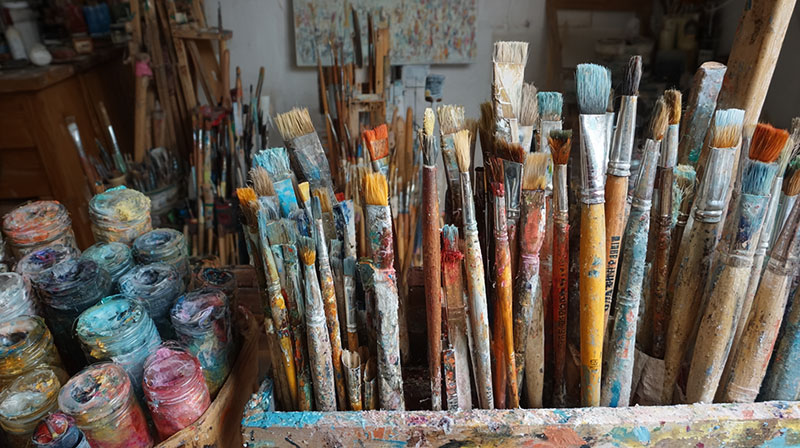
Flat brushes are the workhorses of any artist’s collection. These versatile tools feature a rectangular bristle arrangement that makes them perfect for covering large areas quickly.
The flat edge creates clean, sharp lines that work particularly well for architectural elements and geometric shapes.
Size Ranges and Paint Loading
Winsor & Newton and Da Vinci brushes offer flat varieties from size 2 up to massive size 24 options.
The larger the number, the wider the brush becomes. A size 12 flat brush typically measures about half an inch across.
Professional brush quality shows in how much paint these tools can hold.
Quality flat brushes from Princeton or Escoda maintain their sharp edges even after multiple painting sessions. The paint capacity depends largely on bristle density and length.
Edge Work Techniques
The sharp edge of a flat brush excels at creating precise lines and boundaries.
Hold the brush perpendicular to your canvas for the thinnest possible line. Angle it slightly for medium-width strokes.
For watercolor painting, flat synthetic brushes work better than natural hair options. They spring back to shape more consistently and handle the constant moisture without losing their form.
Bright Brushes
Shorter Bristle Design Benefits
Bright brushes look like flat brushes that got a haircut. The shorter bristles provide more control and less flexibility than standard flats.
This makes them ideal for detailed work where precision matters more than coverage.
Royal & Langnickel produces excellent bright brushes for oil painting applications. The reduced bristle length means less paint wobble during application.
Control and Precision Work
Artists who focus on realism often prefer bright brushes for facial features and fine details. The controlled application lets you place paint exactly where you want it. No surprise drips or unwanted paint flow.
Bright brushes work particularly well with thicker painting mediums. The stiff bristles can push heavy paint around without bending excessively.
Textural Applications
These brushes create interesting surface textures when used with dry brush techniques. Load the brush lightly and drag it across rough canvas for broken color effects. This technique appears frequently in landscape painting for depicting grass, tree bark, and rocky surfaces.
Filbert Brushes
Rounded Edge Capabilities
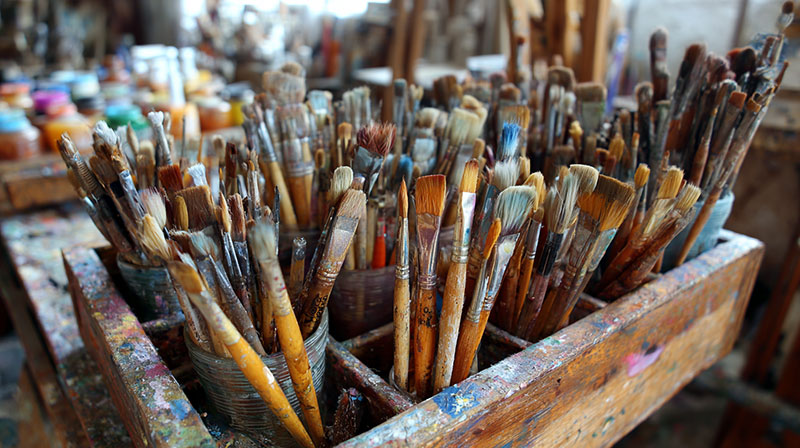
Filbert brushes combine the coverage of flats with the softness of rounds. The rounded corners eliminate harsh lines while still providing good paint capacity.
Think of them as the diplomatic solution between brush types.
Kolinsky sable filberts from Raphael brushes represent the premium option for serious artists. The natural hair responds beautifully to pressure changes, creating varied stroke weights automatically.
Blending and Soft Transitions
For impressionism techniques, filberts are nearly indispensable. They blend colors seamlessly without leaving obvious brush marks. The rounded edge prevents the harsh lines that flat brushes sometimes create.
Acrylic painting benefits from synthetic filberts because they clean up easily between color changes. Taklon synthetic bristles maintain their shape even with aggressive cleaning.
Portrait and Figure Work Advantages
Portrait artists love filberts for facial modeling. The brush follows facial contours naturally, making it easier to render curved forms like cheeks and foreheads. The varied edge pressure creates natural-looking shadows and highlights.
Round Brush Types and Techniques

Pointed Round Brushes
Detail Work and Line Creation
Round brushes are the most versatile tools in any painter’s arsenal. Their pointed tips make them perfect for intricate details and flowing lines. From tiny eyelashes to sweeping gesture marks, rounds handle it all.
The pointed tip comes from careful bristle selection and expert construction. Quality manufacturers like Isabey and Rosemary & Co hand-select individual hairs to create perfect points.
Size Variations from Liner to Large Rounds
Round brush sizes range from impossibly tiny 000 liner brushes up to massive size 30 mop rounds. A size 2 round works well for general detail work. Size 8 rounds handle medium coverage areas.
Liner brushes (sizes 000-2) excel at creating continuous thin lines. The long bristles hold enough paint for extended strokes without reloading. Perfect for tree branches, hair strands, and delicate patterns.
Large rounds (sizes 14-30) function more like wash brushes. They cover broad areas quickly while maintaining the ability to create varied line weights through pressure control.
Watercolor and Oil Applications
For watercolor painting, natural hair rounds perform best. Squirrel hair mop brushes hold tremendous amounts of water and pigment. Kolinsky sable rounds offer the perfect balance of water retention and spring.
Oil painters often prefer synthetic rounds for durability. Brands like Liquitex and Golden produce synthetic brushes that handle heavy paint and aggressive brush cleaning without deteriorating.
Flat Round Brushes
Unique Shape Characteristics
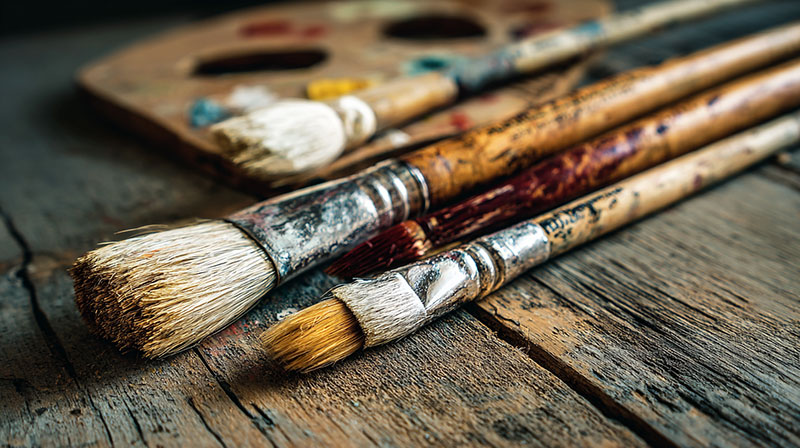
Flat rounds sound contradictory, but they’re actually specialized tools with flattened, oval-shaped tips. Imagine a round brush that’s been gently compressed from the sides.
This unusual shape provides some of the coverage benefits of flat brushes while maintaining the natural stroke quality of rounds. The slightly flattened tip creates interesting broken color effects.
Specific Painting Applications
Abstract painters particularly appreciate flat rounds for their unpredictable mark-making qualities. The shape creates organic, less controlled strokes that work well for abstract compositions.
These brushes also excel at foliage rendering. The flattened tip mimics the natural shape of leaves while providing enough coverage to paint them efficiently.
When to Choose Over Standard Rounds
Choose flat rounds when you want varied stroke character without switching between brush types. They provide more visual interest than standard rounds while maintaining good paint capacity.
Artists working in expressionism often prefer the slightly unpredictable nature of flat rounds. The shape adds natural variation to brush strokes.
Script and Liner Brushes
Long Hair Construction
Script brushes feature extremely long bristles relative to their width. Some liner brushes have bristles three times longer than their diameter. This unusual proportion serves specific purposes.
The extended bristle length acts like a paint reservoir. Once loaded properly, a script brush can create surprisingly long continuous lines without reloading.
Continuous Line Work
Decorative painting relies heavily on script and liner brushes. They create the flowing lines needed for scrollwork, borders, and ornamental details. The long bristles flex naturally to follow curved paths.
Sign painters traditionally used script brushes for lettering work. The consistent line weight these brushes produce makes them ideal for creating uniform characters and flowing script fonts.
Calligraphy and Decorative Painting
Traditional painting styles often incorporate decorative elements that require precise line control. Script brushes make these techniques accessible to contemporary artists.
The controlled paint flow from script brushes works particularly well with thinned paint or glazing mediums. You can create delicate transparent lines that overlay existing paint layers without disturbing them.
Specialty Brush Designs
Fan Brushes
Texture Creation Techniques
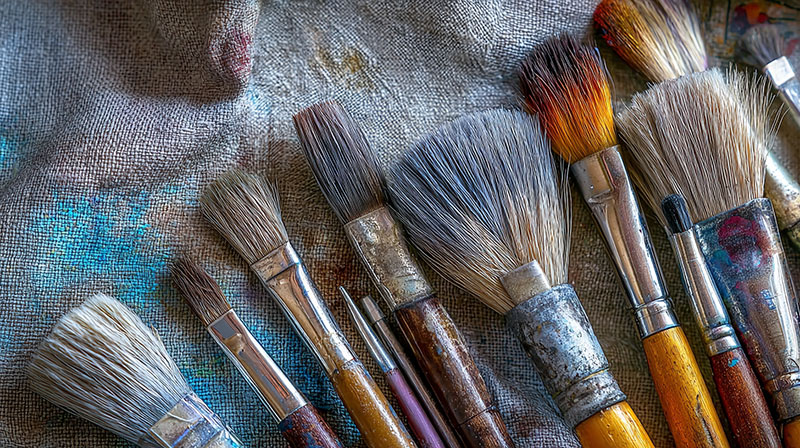
Fan brushes spread bristles like an open hand, creating unique textural effects impossible with standard brush shapes.
These specialized tools excel at mimicking natural textures found in landscapes and still life compositions.
The bristle spread determines the texture quality. Wider fans create coarser effects, while tightly spaced bristles produce finer detail work.
Foliage and Grass Painting
En plein air painting relies heavily on fan brushes for vegetation rendering. A few quick strokes with a loaded fan brush can suggest entire fields of grass or dense forest undergrowth.
Da Vinci brushes produces excellent fan varieties in both natural hog bristle and synthetic options. The synthetic versions work particularly well with acrylic painting because they clean easily between applications.
Blending and Softening Effects
Dry fan brushes create subtle blending effects for sky work and atmospheric perspective. Lightly drag an unloaded fan across wet paint to soften harsh edges and create natural gradations.
This technique appears frequently in impressionism and contemporary landscape work. The broken color effects add visual interest without overworking the paint surface.
Stippling and Texture Brushes
Stiff Bristle Construction
Stippling brushes feature short, stiff bristles cut to uniform length. The flat-topped design creates consistent dot patterns when pressed against the canvas surface.
Royal & Langnickel and Princeton brushes offer stippling varieties in multiple sizes. The firm bristles maintain their shape even with repeated dabbing motions.
Creating Surface Textures
These specialized tools excel at texture creation through repeated dabbing motions. Load the brush with paint and press straight down onto the canvas, lifting directly up without dragging.
Artists working in photorealism use stippling brushes to create convincing stone, concrete, and fabric textures. The consistent dot pattern builds up gradually to suggest complex surface qualities.
Dry Brush Techniques
Lightly loaded stippling brushes create broken color effects perfect for suggesting weathered surfaces, tree bark, and aged materials. The technique works particularly well over darker underpainting.
Contemporary artists often combine stippling with traditional brush work to add visual interest and textural variety to their compositions.
Mop and Wash Brushes

Large Area Coverage
Mop brushes feature full, rounded shapes designed for covering extensive areas quickly. These tools work like oversized round brushes, holding tremendous amounts of paint or water.
Escoda and Raphael brushes produce premium mop varieties using squirrel hair construction. The superior water retention makes them ideal for large watercolor washes and background preparation.
Background Washes
For watercolor painting, large wash brushes create smooth, even color fields without visible brush marks. The key lies in working quickly while the paint remains wet and workable.
Size 30 mop brushes can cover an entire sheet of watercolor paper with a single loading. This efficiency prevents the uneven drying that creates unwanted hard edges.
Color Blending Applications
Wet-into-wet techniques benefit enormously from mop brush capabilities. The large paint capacity allows for extended blending time before the brush needs reloading.
Artists working in abstract styles often use mop brushes for gestural applications where coverage matters more than precision.
Angular and Slanted Brushes
Corner Work and Edges
Angular brushes feature diagonal bristle cuts that create natural corner angles. These specialized shapes excel at architectural details and geometric elements where precise angles matter.
The slanted edge naturally follows corner transitions, making it easier to paint window frames, building edges, and other structural elements accurately.
Shading Techniques
Angled application allows for controlled shading work where the brush naturally follows form contours. The diagonal edge creates gradual value transitions more easily than flat or round alternatives.
Loew-Cornell produces quality angular brushes specifically designed for oil painting applications. The firm bristles maintain their angle even with heavy paint consistency.
Architectural Detail Painting
Artists focusing on realism appreciate angular brushes for building details and structural elements. The natural angle saves time compared to carefully manipulating flat brushes.
The precise edge control makes these brushes valuable for any work requiring clean geometric lines and sharp corners.
Medium-Specific Brush Considerations

Watercolor Brush Requirements
Water Retention Properties
Natural hair brushes outperform synthetic alternatives for watercolor work. Kolinsky sable provides the gold standard, holding tremendous amounts of water while maintaining precise point control.
Isabey and Rosemary & Co produce premium sable brushes that can cost hundreds of dollars for larger sizes. The investment pays off through superior performance and longevity.
Spring and Flexibility Needs
Responsive bristles that spring back to shape are crucial for watercolor success. The brush must release paint smoothly while maintaining enough control for detailed work.
Squirrel hair mop brushes offer excellent flexibility for large wash applications. The soft hair creates smooth color transitions without disturbing underlying paint layers.
Size Recommendations for Different Techniques
- Detail work: Sizes 000-4 round sables
- General painting: Sizes 6-12 rounds and small flats
- Large washes: Size 16+ mops and large flats
- Texture work: Small fan and stippling brushes
Quality brush selection significantly impacts watercolor results. Cheap brushes frustrate beginners and limit advanced techniques.
Oil Painting Brush Selection
Solvent Resistance
Hog bristle brushes withstand harsh solvent cleaning better than synthetic alternatives. The natural oils in hog hair resist breakdown from turpentine and mineral spirits.
Winsor & Newton produces traditional hog bristle flats and rounds that last for years with proper care. The sturdy construction handles aggressive paint manipulation without damage.
Heavy Paint Handling
Stiff bristles move thick oil paint more effectively than soft alternatives. The firm spring pushes paint around the canvas surface without bending excessively under pressure.
Bright brushes excel at impasto techniques where thick paint application creates surface texture. The short, firm bristles maintain control even with heavy paint consistency.
Brush Care and Maintenance
- Clean thoroughly after each session with appropriate solvents
- Reshape bristles while damp to maintain proper form
- Store hanging or lying flat to prevent bristle damage
- Replace brushes when ferrules loosen or bristles splay permanently
Proper maintenance extends brush life significantly and maintains painting quality over time.
Acrylic Paint Brush Compatibility
Quick-Drying Paint Considerations
Acrylic paint dries rapidly, making brush cleaning crucial during painting sessions. Keep brushes moist with spray bottles or wet paper towels between applications.
Never allow acrylic paint to dry completely in brush bristles. The dried polymer becomes nearly impossible to remove and ruins brush performance permanently.
Synthetic vs Natural for Acrylics
Synthetic brushes handle acrylic paint better than natural hair alternatives. Taklon and nylon fibers resist the alkaline paint chemistry and clean more thoroughly.
Golden and Liquitex produce brush lines specifically designed for acrylic compatibility. These tools maintain their shape and performance through repeated acrylic use.
Brush Longevity Factors
- Use appropriate brush cleaners designed for acrylics
- Clean immediately after use, never allowing paint to dry
- Avoid soaking brushes for extended periods
- Replace worn brushes promptly to maintain painting quality
Quality synthetic brushes often outlast natural hair alternatives when used exclusively with acrylic paints.
Gouache and Tempera Applications
Opacity Handling Requirements
Gouache painting requires brushes that handle opaque, creamy paint consistency. The medium sits between watercolor and acrylic in terms of viscosity and handling characteristics.
Natural hair brushes work well for traditional gouache techniques, while synthetic alternatives suit more contemporary applications and easier cleanup.
Precision Work Capabilities
Detail work in gouache benefits from quality round brushes with excellent point retention. The opaque nature of gouache allows for precise corrections and overpainting.
Grumbacher and Robert Simmons produce brush lines suitable for gouache applications. The moderate spring and good paint capacity suit the medium’s unique handling requirements.
Color Mixing Considerations
Clean brushes between color applications prevent muddy mixing in gouache work. The opaque medium shows contamination more readily than transparent watercolor.
Keep separate brushes for light and dark values to maintain color purity throughout the painting process.
Size Systems and Measurement Standards

International Sizing Systems
Numbered Size Scales
Brush sizes follow numerical systems that vary between manufacturers and regions. Most brands use scales from 000 (smallest) up to size 30 or higher for large wash brushes.
The numbering logic isn’t universal. A size 8 from Winsor & Newton might differ slightly from a Princeton size 8 in actual dimensions.
Regional Variations
European manufacturers like Da Vinci and Raphael often use different sizing conventions than American brands. Asian brush makers sometimes employ entirely separate measurement systems.
British sizing tends to run smaller than American equivalents. A UK size 6 round might equal a US size 4 in actual bristle dimensions.
Manufacturer Differences
Premium brands like Kolinsky sable brushes from Isabey maintain tighter size tolerances than mass-market alternatives. Escoda and Rosemary & Co also provide consistent sizing across their product lines.
Budget manufacturers often show significant variation between stated sizes and actual measurements. Always test brushes when possible before major purchases.
Brush Width and Length Specifications
Actual Measurements vs Numbered Sizes
Size 12 flat brushes typically measure 12-15mm across the ferrule width. Round brushes use belly diameter rather than tip width for sizing reference.
Here’s a general guide for flat brush widths:
- Size 2: 2-3mm
- Size 6: 6-8mm
- Size 12: 12-15mm
- Size 24: 24-30mm
Bristle length affects paint capacity and flexibility. Longer bristles hold more paint but provide less control than shorter alternatives.
Custom Sizing Options
Specialty brush makers offer custom sizes for professional applications. Sign painters and decorative artists often require specific dimensions not available in standard lines.
Royal & Langnickel and Loew-Cornell occasionally produce limited runs of unusual sizes for specific markets or applications.
Professional vs Student Grade Differences
Professional brushes maintain more consistent sizing tolerances and use higher-quality materials. Student brushes often vary significantly from stated dimensions.
The ferrule quality in professional brushes prevents loosening that affects brush shape and size over time.
Brush Care and Maintenance

Cleaning Techniques by Medium
Water-Based Paint Removal
Watercolor and acrylic cleaning requires immediate attention. Never allow these paints to dry completely in brush bristles.
For watercolor:
- Rinse thoroughly in clean water
- Gently work out pigment with fingers
- Reshape bristles while damp
- Lay flat to dry
Acrylic cleaning demands more aggressive action due to the polymer binder. Use soap and warm water immediately after painting sessions.
Oil Paint Cleaning Methods
Oil paint brushes need solvent cleaning followed by soap and water. Turpentine or mineral spirits remove paint, while soap eliminates oil residue.
The cleaning process:
- Remove excess paint on paper towels
- Rinse in solvent until clear
- Wash with dish soap and warm water
- Rinse thoroughly and reshape
Never use hot water with oil brushes as it can melt the ferrule adhesive and loosen bristles.
Dried Paint Restoration
Hardened acrylic responds to commercial brush restorers or fabric softener soaks. Soak brushes overnight, then work out dried paint with fingers.
Oil paint that’s dried requires stronger solvents like denatured alcohol or specialized brush cleaners. Success depends on how long the paint has been set.
Storage and Protection
Proper Drying Techniques
Horizontal drying prevents water from seeping into ferrules and loosening bristles. Place brushes flat on clean towels with bristles hanging over the edge.
Never store brushes bristles up in water containers. This destroys brush shape and can cause ferrule damage over time.
Shape Preservation Methods
Reshape bristles immediately after cleaning while they’re still damp. Natural hair brushes especially need this attention to maintain proper points and edges.
Quality brush makers like Grumbacher and Silver Brush Limited often include protective caps that help maintain brush shapes during storage.
Travel and Transport Considerations
Brush rolls protect bristles during transport better than hard cases. Canvas or bamboo rolls allow air circulation while preventing damage.
For travel painting:
- Use protective caps on brush tips
- Secure brushes to prevent movement
- Allow complete drying before packing
- Separate dirty and clean brushes
Professional artists often maintain separate travel brush sets to avoid risking expensive studio brushes.
Brush Restoration and Repair
Reshaping Worn Brushes
Natural hair brushes often regain shape with proper conditioning. Soak in hair conditioner for several hours, then reshape and dry flat.
Synthetic brushes respond to gentle heat treatment. Dip shaped brush in very warm (not boiling) water briefly to help bristles remember their form.
Handle Repair Options
Loose ferrules can sometimes be re-secured with epoxy or super glue. Clean all paint residue before attempting repairs.
Cracked wooden handles often split further with use. Sand lightly and apply wood glue, clamping until dry for best results.
When to Replace vs Restore
Replace brushes when:
- Ferrules are permanently loose
- Bristles splay beyond repair
- Paint buildup resists all cleaning attempts
- Brush no longer holds adequate paint
Restoration works for brushes with minor shape issues, slight ferrule looseness, or dried paint buildup that responds to cleaning.
Quality brushes from Dynasty, Arteza, or established manufacturers justify restoration efforts more than cheap alternatives.
Professional artists typically replace brushes proactively rather than struggling with deteriorated tools that compromise painting quality.
Budget and Quality Considerations
Student Grade vs Professional Brushes
Performance Differences
Student brushes use lower-grade materials and less precise manufacturing. Bristles shed more frequently and lose shape faster than professional alternatives.
Professional brushes from Winsor & Newton or Da Vinci maintain consistent performance for years with proper care. The superior construction justifies higher initial costs through extended usability.
Longevity Comparisons
Quality brushes last 3-5 times longer than budget alternatives. A $50 Kolinsky sable brush often outlasts five $10 synthetic rounds in actual painting hours.
Student brushes typically show noticeable deterioration within 6-12 months of regular use. Professional brushes from Raphael or Escoda can perform well for multiple years with appropriate maintenance.
Cost-Benefit Analysis
Initial investment in quality brushes pays off through:
- Reduced replacement frequency
- Better painting results
- Less frustration during work
- Consistent performance over time
Budget-conscious artists should prioritize quality for their most-used brush sizes rather than buying complete cheap sets.
Essential Brush Sets for Beginners
Minimum Brush Requirements
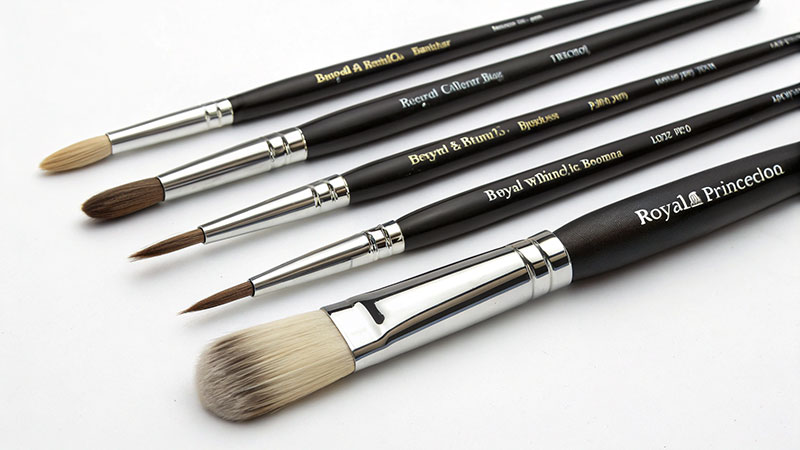
Starter collections need only 4-6 quality brushes:
- Size 6 round synthetic
- Size 12 flat synthetic
- Size 2 detail round
- 1-inch wash brush
- Small liner brush
Royal & Langnickel and Princeton offer beginner sets with reasonable quality at accessible prices.
Versatile Multi-Purpose Options
Filbert brushes serve multiple functions, combining flat and round capabilities. A size 8 filbert handles detail work, medium coverage, and blending tasks effectively.
Synthetic brushes work across multiple mediums, making them cost-effective choices for artists exploring different painting mediums.
Gradual Collection Building
Phase 1: Basic synthetic set for learning fundamentals Phase 2: Add natural hair rounds for watercolor work
Phase 3: Specialty brushes for specific techniques Phase 4: Premium brushes for serious artistic development
This approach spreads costs while building practical experience with different brush types.
Investment Brushes for Serious Artists
High-End Natural Hair Options
Kolinsky sable brushes represent the pinnacle of brush quality. Sizes 8-14 rounds from Isabey or Rosemary & Co cost $100-300 but deliver unmatched performance.
These brushes hold tremendous paint capacity while maintaining precise point control essential for detailed work.
Handmade vs Machine-Made Quality
Artisan-made brushes show superior attention to individual bristle placement and ferrule construction. Each brush receives personal quality control impossible in mass production.
Machine-made brushes offer consistent quality at lower prices but lack the peak performance of handcrafted alternatives.
Specialty Artisan Brushes
Custom brush makers create tools for specific applications unavailable from commercial manufacturers. Sign painters and decorative artists often commission specialized shapes and sizes.
These unique tools can cost $200-500 but provide capabilities impossible with standard brush designs.
Choosing Brushes for Specific Painting Styles

Realistic and Detailed Work
Precision Brush Requirements
Realism demands brushes with exceptional point retention and controlled paint release. Natural hair rounds in sizes 000-6 provide the precision needed for facial features and fine details.
Grumbacher and Silver Brush Limited produce excellent detail brushes specifically designed for realistic rendering. The consistent bristle quality prevents unwanted paint skips or irregular coverage.
Blending Tool Selection
Soft synthetic flats excel at seamless color transitions required in realistic work. Fan brushes create subtle texture effects for hair, fabric, and natural surfaces.
Blending requires brushes that won’t leave obvious brush marks in finished work. Quality filberts provide smooth transitions between color areas.
Detail Brush Combinations
Essential detail brushes for realistic work:
- Size 000-2 liner for finest details
- Size 4-6 rounds for general detail work
- Size 8-10 flats for larger smooth areas
- Small fan brush for texture effects
Consistent quality across all sizes ensures uniform results throughout the painting process.
Impressionist and Loose Painting
Expressive Brushwork Tools
Impressionism celebrates visible brush strokes and energetic mark-making. Hog bristle brushes provide the texture and character essential to this approach.
Large flats and brights in sizes 12-24 create the bold strokes characteristic of impressionist technique. The stiff bristles move paint decisively without excessive blending.
Color Mixing Capabilities
Broken color techniques require brushes that can place pure colors adjacent to each other without mixing. Flat brushes excel at this application method.
The paint capacity of quality flats allows for extended work periods without constant reloading, maintaining painting momentum crucial to impressionist approaches.
Texture Creation Options
Dry brush techniques work well with worn flat brushes that create irregular paint application. Fan brushes suggest foliage and atmospheric effects quickly and convincingly.
Palette knife work often supplements brushwork in impressionist painting, adding texture and variety to paint application methods.
Abstract and Experimental Techniques
Unconventional Brush Applications
Abstract artists often use brushes in non-traditional ways, creating marks through dragging, pressing, and scraping motions. Cheap brushes work well for these destructive techniques.
Large house painting brushes provide dramatic gestural marks impossible with traditional artist brushes. Hardware store brushes cost less and perform adequately for experimental work.
Alternative Tool Combinations
Mixed media approaches combine traditional brushes with unconventional tools like palette knives, sponges, and found objects. This expands mark-making possibilities beyond brush limitations.
Spray bottles and airbrushes often supplement traditional brushwork in contemporary abstract painting, creating effects impossible with hand-held brushes alone.
Creative Texture Possibilities
Experimental techniques include:
- Using brushes to apply texture paste
- Creating stamping effects with brush ends
- Dragging brushes through wet paint for linear effects
- Using multiple brushes simultaneously
Quality matters less than creative exploration in experimental abstract work, making this an ideal area for using worn or damaged brushes productively.
FAQ on Different Types Of Paintbrushes
What’s the difference between natural and synthetic brushes?
Natural hair brushes use animal hair like Kolinsky sable or hog bristle. They excel at water retention and smooth paint flow.
Synthetic brushes use nylon or Taklon fibers, offering durability and easier cleaning. Winsor & Newton and Da Vinci produce quality options in both categories.
Which brush types work best for beginners?
Start with synthetic flat and round brushes in sizes 6, 12, and 2. Princeton and Royal & Langnickel offer affordable starter sets.
These versatile shapes handle most painting techniques across different mediums without requiring specialized knowledge or expensive investment.
How do I choose the right brush size?
Brush sizes range from 000 (smallest) to 30+ (largest). Match size to your painting scale and detail level.
Use smaller brushes (sizes 2-8) for details, medium brushes (sizes 10-16) for general work, and large brushes (18+) for backgrounds and washes.
What makes Kolinsky sable brushes special?
Kolinsky sable comes from Siberian weasel tail hair. These premium brushes hold tremendous paint capacity while maintaining sharp points.
Brands like Raphael and Isabey produce these luxury tools, costing $100-500 but delivering unmatched performance for watercolor and detail work.
Which brushes work best for watercolor painting?
Natural hair rounds perform best for watercolor painting. Sable and squirrel hair retain water excellently while releasing paint smoothly.
Escoda and Rosemary & Co produce quality watercolor brushes. Avoid synthetic brushes for traditional watercolor techniques.
What’s the difference between flat and bright brushes?
Flat brushes have longer bristles for maximum paint capacity and smooth coverage. Bright brushes feature shorter bristles, providing more control and precision.
Both have rectangular shapes, but brights excel at detailed work while flats cover larger areas efficiently.
How often should I replace my paintbrushes?
Replace brushes when ferrules loosen, bristles splay permanently, or paint capacity decreases significantly.
Quality brushes from Grumbacher or Silver Brush Limited last 2-3 years with proper care. Student brushes typically need replacement within 6-12 months of regular use.
Can I use the same brushes for different paint types?
Synthetic brushes work across multiple mediums better than natural hair. However, dedicated brush sets prevent cross-contamination and optimize performance.
Use separate brushes for oil painting and acrylic painting to maintain quality and prevent damage.
What’s a fan brush used for?
Fan brushes create texture effects like foliage, grass, and clouds. The spread bristles produce broken color applications perfect for impressionism techniques.
They also blend colors softly and create atmospheric effects in landscape painting.
How do I properly clean and store paintbrushes?
Clean immediately after use with appropriate solvents or soap. Reshape bristles while damp and store horizontally or hanging down.
Never store brushes bristle-up in water. Use brush soap for deep cleaning and hair conditioner to restore natural hair brushes.
Conclusion
Mastering different types of paintbrushes elevates artistic expression from amateur attempts to professional results.
Each brush serves specific purposes, from delicate detail work to bold gestural applications that define personal painting styles.
Quality investment pays long-term dividends. Premium brushes from Dynasty, Arteza, and established manufacturers maintain performance through countless painting sessions.
Proper brush care extends tool life significantly while preserving painting quality.
Your medium choice determines optimal brush selection. Oil painting demands different tools than watercolor painting, while abstract work allows experimental approaches impossible in realism.
Start with essential shapes: flat, round, and detail brushes in synthetic materials. Gradually add specialty brushes like fans and liners as your skills develop.
Remember that brush maintenance matters as much as initial selection.
Well-chosen brushes become extensions of artistic vision, transforming creative ideas into compelling visual reality.