Nothing ruins a painting faster than paint soaking straight through your canvas or peeling off in chunks. Canvas preparation determines whether your artwork will last decades or deteriorate within months.
Learning how to prime a canvas properly separates amateur attempts from professional results. Even masters like Leonardo da Vinci understood that ground preparation affects every paint layer that follows.
This guide covers everything from selecting the right gesso and primer types to achieving perfect surface textures. You’ll discover step-by-step application techniques, troubleshooting common problems, and professional quality control methods.
Whether you’re working with acrylic painting or oil painting techniques, proper canvas priming creates the foundation for lasting artwork. Master these techniques and transform your painting process from the ground up.
Types of Primers and Their Applications
The right primer makes all the difference between professional results and frustrating paint failures. Canvas preparation varies dramatically depending on your chosen medium and artistic goals.
Acrylic Gesso Primer
White Gesso Properties and Uses
White gesso remains the most popular choice for canvas preparation. This water-based primer creates an ideal surface for acrylic painting and mixed media work.
The titanium white pigment provides excellent coverage and reflects maximum light back through paint layers. Most artists prefer brands like Liquitex or Golden Artist Colors for their consistency and archival quality.
Clear Gesso for Maintaining Canvas Color
Clear gesso preserves the natural canvas texture while providing paint adhesion. This option works well when you want the raw canvas color to show through your painting.
Many contemporary artists use clear primer for mixed media projects. The transparent coating allows underlying textures to remain visible.
Colored Gesso Options
Tinted primers can dramatically change your painting’s mood from the start. Warm gray gesso creates a neutral base that makes colors appear more vibrant.
Black gesso offers a striking foundation for dramatic lighting effects. Cool blue or warm ochre grounds can unify your entire color harmony before you begin painting.
Student vs. Professional Grade Differences
Professional primers contain higher pigment concentrations and better binders. Winsor & Newton and Utrecht Art Supplies offer both grades with noticeable quality differences.
Student grade works fine for practice and experimentation. Professional grade provides superior archival properties and smoother application.
Oil-Based Primers
Lead White Primer (Traditional)
Traditional lead white primer offers unmatched working properties for oil painting. The surface remains slightly absorbent and provides excellent tooth for paint adhesion.
Many master painters throughout the history of painting relied on lead white grounds. Modern health concerns limit its availability to specialized suppliers.
Titanium White Oil Primer
Gamblin oil primer provides a safer alternative to lead white formulations. This modern primer offers excellent coverage and archival stability.
The surface dries to a semi-absorbent finish perfect for alla prima techniques. Professional artists appreciate its consistent working properties.
Alkyd-Based Primers
Alkyd primers dry faster than traditional oil primers while maintaining similar working characteristics. Williamsburg produces excellent alkyd formulations for contemporary artists.
These primers work well for artists who need quicker turnaround times. The surface remains workable for oil painting techniques.
When to Choose Oil Over Acrylic
Oil primers excel for traditional oil painting methods and techniques requiring longer working times. The slightly absorbent surface helps control paint consistency.
Choose oil primer when planning multiple glazing layers or working in the classical tradition. Renaissance masters achieved their luminous effects partly through proper ground preparation.
Specialty Primers for Specific Techniques
Absorbent Ground for Watercolors
Ampersand absorbent ground transforms any surface into a watercolor-friendly painting support. This specialty coating allows watercolor painting techniques on canvas.
The highly absorbent surface mimics watercolor paper characteristics. Artists can achieve traditional watercolor effects while working on larger canvas formats.
Textured Primers for Impasto Work
Adding sand or pumice to gesso creates tooth for heavy paint application. Modern Masters offers pre-textured primers in various grits.
Coarse textures support thick paint layers and palette knife techniques. The additional tooth prevents paint from sliding during application.
Tinted Primers for Specific Color Schemes
Matching your primer to your painting’s dominant color theory creates color unity from the start. Warm ochre grounds complement earth tone palettes beautifully.
Cool gray primers work well for monochromatic color schemes and contemporary approaches. The ground color influences every subsequent paint layer.
Size-Only Preparation for Certain Styles
Some artists prefer sizing canvas without additional primer layers. This approach maintains maximum canvas texture visibility.
Rabbit skin glue or acrylic polymer medium can seal canvas fibers without adding significant texture. This method suits artists who want raw canvas qualities in their finished work.
Essential Tools and Materials
Getting the right tools makes canvas priming straightforward rather than frustrating. Quality brushes and proper workspace setup prevent most common problems.
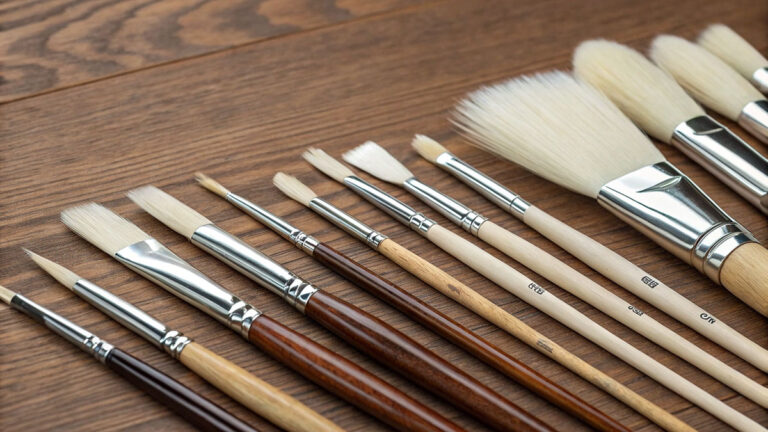
Brushes for Primer Application
Large Flat Brushes for Coverage
Princeton and Escoda make excellent large flat brushes specifically for priming work. Wide bristles cover more surface area with each stroke.
Choose brushes 3-4 inches wide for efficient coverage. Natural bristles work better than synthetic for smooth gesso application.
Foam Brushes and Rollers
Foam brushes create ultra-smooth surfaces when properly used. Wooster foam applicators eliminate brush marks entirely.
Small foam rollers work well for large canvases requiring perfectly even coverage. Replace foam tools frequently as they absorb primer quickly.
Palette Knives for Texture
Palette knives spread primer while creating controlled texture patterns. Da Vinci and Raphael offer flexible knives ideal for priming work.
Different knife shapes create various texture effects. Experiment with fan-shaped and triangular knives for unique surface preparations.
Brush Maintenance During Priming
Clean brushes immediately after each coat application. Water-based primers wash out easily when wet but become permanent when dry.
Keep brushes slightly damp between coats to prevent primer from hardening in the ferrule. Robert Simmons synthetic brushes handle repeated cleaning well.
Mixing and Measuring Supplies
Containers for Primer Preparation
Large plastic containers allow proper primer mixing without waste. Dick Blick Art Materials sells mixing buckets specifically designed for studio use.
Glass jars work well for small batches and leftover primer storage. Avoid metal containers that can react with certain primer formulations.
Measuring Tools for Consistency
Accurate measuring ensures consistent primer thickness across multiple canvases. Kitchen measuring cups work perfectly for larger batches.
Small measuring spoons help with tinting and texture additions. Consistent ratios prevent color variations between canvas preparations.
Stirring Implements
Wooden stir sticks mix primer thoroughly without introducing air bubbles. Cheap Joe’s Art Stuff carries various stirring tools for different container sizes.
Paint mixers designed for electric drills speed up large batch preparation. Hand mixing works fine for small quantities and provides better control.
Water or Solvent for Thinning
Distilled water thins acrylic primers without introducing impurities. Add water gradually while stirring to achieve proper consistency.
Mineral spirits or turpentine thin oil-based primers when needed. Proper ventilation becomes critical when working with solvent-based materials.
Workspace Preparation
Protecting Surfaces and Surroundings
Canvas priming can be messy work requiring careful surface protection. Tara Materials sells studio drop cloths specifically for painting preparation.
Plastic sheeting protects floors and walls from primer splashes. Masking tape secures protective materials without leaving residue.
Proper Ventilation Requirements
Adequate air circulation prevents primer fumes from building up in your workspace. Oil-based primers require mechanical ventilation for safety.
Cross-ventilation with fans helps accelerate drying times naturally. Benjamin Moore recommends specific air exchange rates for their primer products.
Lighting for Even Application
Good lighting reveals thin spots and uneven coverage immediately. Full-spectrum fluorescent or LED fixtures provide color-accurate illumination.
Position lights to minimize shadows across your work surface. Side lighting helps identify texture irregularities during application.
Canvas Positioning and Support
Horizontal positioning works best for primer application and prevents drips. Fredrix easel systems allow easy canvas positioning changes.
Support large canvases from behind to prevent sagging during primer application. Temporary supports can be removed after the primer cures completely.
Step-by-Step Priming Process
Proper canvas preparation prevents paint failures and creates the ideal painting surface. Each step builds toward professional results.
Pre-priming Canvas Preparation
Inspecting Canvas for Defects
Check your canvas for holes, loose threads, or manufacturing flaws before starting. Fredrix and Centurion canvases occasionally have minor imperfections that need addressing.
Small holes can be patched with canvas scraps and archival glue. Loose threads should be trimmed close to the weave rather than pulled.
Stretching Canvas Properly
Proper stretching creates an even, taut surface for primer application. Start with opposite corners and work gradually around the frame.
Use canvas pliers for consistent tension without overstretching. Masterpiece Artist Canvas provides detailed stretching guides with their products.
Removing Dust and Debris
Vacuum or brush away dust particles that interfere with primer adhesion. A clean, lint-free cloth removes stubborn particles effectively.
Pay special attention to canvas edges where dust accumulates. Clean surfaces ensure smooth, even primer coverage.
Sizing Raw Canvas When Necessary
Raw linen and cotton canvas benefit from sizing before primer application. Rabbit skin glue or acrylic polymer medium seals canvas fibers.
Sizing prevents oil absorption and extends canvas life significantly. This step proves particularly important for oil painting applications.
First Primer Coat Application
Mixing Primer to Proper Consistency
Liquitex gesso should flow smoothly without being watery. Add small amounts of distilled water while stirring continuously.
Proper consistency resembles heavy cream texture. Too thick creates brush marks, while too thin provides inadequate coverage.
Loading Brush Correctly
Dip your brush halfway into the primer to avoid overloading. Princeton flat brushes work best for initial coverage.
Tap excess primer back into the container to prevent drips. Well-loaded brushes create consistent coverage without waste.
Application Direction and Pressure
Apply primer using long, overlapping strokes in one direction. Maintain consistent pressure to avoid thickness variations.
Work quickly while the primer remains wet to avoid visible brush marks. Coverage matters more than perfection on the first coat.
Achieving Even Coverage
Systematic Application Pattern
Start from one corner and work systematically across the canvas surface. Overlap each stroke by approximately one-third.
This methodical approach prevents missed spots and ensures uniform thickness. Golden Artist Colors recommends this technique in their application guides.
Avoiding Drips and Pooling
Keep primer moving to prevent accumulation in canvas depressions. Work in sections small enough to maintain wet edges.
Excess primer pools in corners and canvas edges require immediate attention. Light brush strokes redistribute pooled material effectively.
Multiple Coat Technique
Drying Time Between Coats
Allow each coat to dry completely before applying the next layer. Winsor & Newton primers typically dry within 2-4 hours.
Forced drying with heat guns or hair dryers can cause cracking. Natural air drying produces superior long-term results.
Sanding Between Layers
Light sanding with 220-grit sandpaper smooths brush marks and surface irregularities. Sand gently to avoid damaging the primer layer.
Remove sanding dust completely before applying subsequent coats. This step creates professional-level surface quality.
Cross-hatching Application Patterns
Apply the second coat perpendicular to the first for optimal coverage. This cross-hatching technique eliminates missed areas.
Utrecht Art Supplies demonstrates this method in their technical guides. The technique works particularly well with acrylic primers.
Building Up to Desired Thickness
Most canvases require 2-3 primer coats for adequate coverage. Rough canvas textures may need additional applications.
Each coat should be thinner than attempting one thick application. Multiple thin coats cure more evenly and resist cracking.
Final Coat Finishing
Smooth Final Application
The final coat determines your painting surface quality. Use your smoothest brush technique for this critical layer.
Escoda synthetic brushes excel for final coat application. Their consistent bristle spacing creates uniform texture patterns.
Checking for Missed Spots
Examine the surface under good lighting to identify thin areas. Side lighting reveals coverage problems most effectively.
Touch up thin spots immediately while the primer remains workable. Small foam brushes work well for spot corrections.
Creating Desired Texture
Your final brush pattern determines the painting surface character. Smooth strokes create minimal texture for detailed work.
Slightly rougher application provides tooth for loose, expressive painting styles. Match surface texture to your intended technique.
Proper Curing Time
Allow the final coat to cure for 24-48 hours before painting. Gamblin oil primers require longer curing periods.
Full curing ensures optimal paint adhesion and prevents subsequent paint layers from disturbing the primer. Patience here prevents problems later.
Achieving Different Surface Textures
Surface texture dramatically affects your painting approach and final results. Different techniques create surfaces suited to specific artistic goals.
Smooth Surfaces for Detailed Work
Multiple Thin Coats Technique
Build smooth surfaces through multiple thin primer applications rather than thick single coats. Each layer should barely obscure the previous one.
Williamsburg recommends 4-5 thin coats for ultra-smooth surfaces. This method eliminates brush marks and canvas texture completely.
Light Sanding Between Applications
Progressive Sanding Grits
Start with 220-grit sandpaper and progress to 400-grit for final smoothing. Each sanding removes the previous grit’s scratch marks.
Sand lightly in circular motions to avoid creating directional patterns. Remove all sanding dust between applications.
Wet Sanding Final Coats
Wet sanding with 600-grit paper creates mirror-smooth surfaces for photorealism or detailed work. Use distilled water to prevent contamination.
This technique requires patience but produces gallery-quality surfaces. Ampersand panels benefit particularly from this treatment.
Final Polishing Methods
Fine Abrasive Compounds
Automotive polishing compounds can create ultra-smooth primer surfaces. Apply sparingly with soft cloths.
This method suits artists requiring perfectly smooth grounds for detailed work. Test on sample pieces before using on finished canvases.
Burnishing Techniques
Smooth tools like bone folders burnish primer to high gloss. This traditional technique creates unique surface qualities.
Burnishing works best on thoroughly cured primer surfaces. The technique suits classical painting techniques requiring smooth grounds.
Testing Surface Readiness
Pencil Test Method
Draw light pencil lines across the surface to check smoothness. Consistent line quality indicates even surface preparation.
Rough spots catch pencil lead and create darker marks. These areas need additional sanding or primer application.
Paint Test Patches
Apply small test areas of your intended painting mediums to verify surface quality. Different paints reveal different surface characteristics.
Watercolor painting shows surface irregularities most clearly. Oil paints can mask minor surface imperfections.
Textured Surfaces for Expressive Painting
Adding Texture Mediums to Primer
Sand and Pumice Additions
Mix fine sand or pumice powder directly into primer for consistent texture. Modern Masters offers pre-mixed textured primers.
Start with small amounts and test consistency on sample pieces. Too much texture medium weakens primer adhesion.
Modeling Paste Integration
Acrylic modeling paste creates pronounced surface textures when mixed with primer. This combination works well for impasto techniques.
Liquitex modeling paste maintains primer qualities while adding substantial texture. Apply with palette knives for best results.
Using Textured Application Tools
Sponge and Foam Applications
Natural sponges create organic, random textures when used for primer application. Synthetic sponges produce more regular patterns.
Catalyst Polytip foam brushes create subtle directional textures. Vary application pressure for texture intensity control.
Roller Texture Techniques
Textured paint rollers imprint consistent patterns across large surfaces. Wooster manufactures various texture roller covers.
Cross-rolling creates complex texture patterns through overlapping applications. This technique suits large canvas formats particularly well.
Creating Consistent Patterns
Template Methods
Cardboard or plastic templates create repeating texture patterns. Move templates systematically for consistent coverage.
This approach suits artists wanting controlled texture placement. Templates work best with thick primer consistency.
Combing Techniques
Wide-tooth combs dragged through wet primer create linear texture patterns. Vary comb angles for complex surface effects.
Rubber combs resist primer buildup better than plastic versions. Clean combs frequently during application.
Controlling Texture Depth
Pressure Variation Methods
Light pressure creates subtle texture, while heavy pressure produces pronounced effects. Practice pressure control on test pieces.
Consistent pressure across large surfaces requires technique development. Mark sections to maintain uniform application pressure.
Primer Consistency Control
Thicker primer holds texture patterns better than thin applications. Adjust water content for desired texture retention.
Golden Artist Colors provides consistency guidelines for different texture effects. Follow manufacturer recommendations for best results.
Custom Surface Preparations
Mixing Sand or Pumice Into Primer
Grit Size Selection
Fine grits (220-400) create subtle texture suitable for most painting techniques. Coarse grits (80-120) produce dramatic surface effects.
Silica sand mixes cleanly without color contamination. Avoid beach sand which contains impurities and salts.
Mixing Ratios and Techniques
Start with 10% sand by volume and adjust for desired texture. Higher ratios may compromise primer adhesion.
Mix thoroughly to distribute particles evenly. Mechanical mixing prevents particle settling during application.
Creating Directional Textures
Brush Pattern Controls
Specific brush movements create controlled directional effects. Long, parallel strokes suit landscape painting preparation.
Cross-hatching creates complex surface patterns through overlapping directional applications. Plan pattern directions before starting.
Tool-Based Texture Creation
Palette knives, combs, and custom tools create unique directional patterns. Experiment with household items for unexpected effects.
Rubber squeegees create consistent linear patterns. Notched tools produce regular spacing between texture lines.
Combining Smooth and Rough Areas
Masking Techniques
Use painter’s tape to create distinct texture zones within single canvases. Remove tape while primer remains slightly wet.
This technique suits compositional approaches requiring varied surface qualities. Plan texture placement during design phases.
Graduated Texture Transitions
Blend textured and smooth areas gradually for natural transitions. Work while primer edges remain wet.
This approach suits realistic painting requiring varied surface qualities. Atmospheric effects benefit from graduated surface preparations.
Repairing Texture Mistakes
Immediate Corrections
Fix texture problems while primer remains workable. Add more material or smooth unwanted textures immediately.
Keep clean brushes and tools ready for quick corrections. Timing proves critical for successful texture repairs.
Post-Drying Repairs
Sand unwanted textures after complete curing, then reapply primer as needed. This method works for small area corrections.
Large area problems may require complete primer removal and restart. Plan texture carefully to avoid extensive repairs.
Color Considerations in Priming
The primer color you choose affects every paint layer that follows. Smart color choices can dramatically improve your painting’s final appearance.
White Primer Advantages
Maximum Color Brightness
White gesso reflects the most light back through paint layers, creating maximum color intensity. This makes colors appear more vibrant and true to their tube appearance.
Titanium white pigment provides the strongest reflective properties. Most professional artists rely on white grounds for accurate color theory work.
True Color Representation
White primers show colors exactly as they appear on your palette. This accuracy proves critical for complementary colors and precise color matching.
Liquitex white gesso maintains neutral temperature without cool or warm bias. This neutrality preserves your intended color relationships.
Standard for Most Techniques
White grounds work well for virtually all painting approaches and styles. From impressionism to photorealism, white provides reliable results.
Golden Artist Colors recommends white primer for beginners learning color mixing. The predictable surface eliminates primer-related color confusion.
Mixing White Primer Shades
Add small amounts of raw umber or burnt sienna to warm white primer slightly. Cool whites can be achieved with tiny amounts of ultramarine blue.
These subtle adjustments affect the entire painting’s temperature. Test tinted whites on sample pieces before committing to large canvases.
Tinted Primer Benefits
Warm vs. Cool Undertones
Warm Ground Effects
Warm ochre or sienna-tinted grounds create immediate color harmony for earth-tone paintings. Utrecht Art Supplies offers pre-mixed warm grounds.
The warm undertone influences every subsequent color layer. Cool colors appear more vibrant against warm grounds through color contrast effects.
Cool Ground Applications
Cool gray or blue-tinted primers work well for contemporary approaches and monochromatic color schemes. These grounds create sophisticated color relationships.
Winsor & Newton cool grays provide excellent neutral bases. The subtle blue undertone enhances warm colors through contrast principles.
Matching Primer to Painting Palette
Earth Tone Harmonies
Raw umber primer unifies earth-tone palettes from the start. This approach works particularly well for landscape painting and realism work.
The neutral brown base allows both warm and cool colors to read clearly. Gamblin offers excellent pre-mixed earth tone grounds.
Contemporary Color Approaches
Modern artists often use unconventional primer colors to create unique effects. Fluorescent or highly saturated grounds can energize entire compositions.
These bold choices work well for abstract and expressionism approaches. Test dramatic grounds on small studies first.
Creating Mood Through Ground Color
Psychological Color Effects
Warm grounds suggest comfort and earthiness, while cool grounds feel more contemporary and sophisticated. The primer color affects viewer perception immediately.
Color psychology applies to grounds just as it does to finished paintings. Consider your intended emotional impact when selecting primer colors.
Historical Precedents
Many Renaissance painters used warm, reddish grounds for portraits. Caravaggio often worked on dark grounds to enhance his dramatic lighting effects.
Impressionist painters frequently used white or very light grounds to maximize color brilliance. Study historical examples for ground color inspiration.
Time-saving for Specific Color Schemes
Pre-established Color Unity
Tinted grounds create instant color harmony across the entire painting surface. This eliminates the need to cover every inch with paint.
Analogous color schemes benefit particularly from appropriately chosen ground colors. The primer becomes an active participant in the color composition.
Efficient Coverage Techniques
Allowing ground color to show through in selected areas saves time and creates visual interest. This broken color technique adds vibrancy to finished paintings.
Plan which areas will retain ground color before beginning to paint. Strategic planning makes tinted grounds more effective.
Transparent and Colored Grounds
Maintaining Canvas Texture Visibility
Clear gesso preserves canvas weave patterns while providing paint adhesion. This approach suits artists who want maximum surface texture in their work.
The transparent coating allows natural canvas color variations to remain visible. Fredrix linen canvases particularly benefit from clear ground applications.
Creating Luminous Effects
Transparent Layer Building
Multiple transparent ground layers create depth and luminosity impossible with opaque primers. This technique requires patience but produces stunning results.
Acrylic polymer medium can be tinted with transparent colors for custom effects. Build layers gradually for maximum luminosity.
Glazing Preparation
Transparent grounds provide ideal surfaces for glazing techniques. The clarity allows light to penetrate deeply and reflect back through paint layers.
Oil painting glazing requires perfectly smooth, non-absorbent surfaces. Transparent acrylic grounds provide these qualities when properly applied.
Building Color Depth from Start
Layered Color Construction
Start with deep, transparent colors in the ground and build lighter values on top. This approach creates richer, more complex color relationships.
Burnt sienna or raw umber glazes over white primer create warm, luminous grounds. These earth tones provide excellent color foundations.
Optical Color Mixing
Transparent ground colors mix optically with subsequent paint layers. This creates more vibrant color effects than physical paint mixing alone.
The technique works particularly well for pointillism and broken color approaches. Plan color interactions carefully for best results.
Historical and Contemporary Approaches
Traditional Methods
Classical painters often used transparent earth tone grounds over bright white preparatory layers. This combination provided both luminosity and color harmony.
Venetian painters like Titian perfected these multi-layer ground techniques. Modern materials allow similar effects with improved archival stability.
Modern Innovations
Contemporary artists push transparent ground techniques in new directions. Fluorescent or iridescent transparent grounds create unique contemporary effects.
Experimental approaches continue expanding ground preparation possibilities. Document successful techniques for future reference.
Troubleshooting Common Priming Problems
Even experienced artists encounter priming problems occasionally. Quick identification and proper fixes prevent minor issues from becoming major headaches.
Uneven Coverage Issues
Identifying Thin Spots
Visual Inspection Techniques
Examine primed surfaces under strong side lighting to reveal coverage problems. Thin areas appear darker or show canvas texture more prominently.
Raking light reveals surface irregularities most effectively. Position lights at low angles to cast shadows across surface variations.
Touch Test Methods
Lightly run your hand across dried primer to feel thickness variations. Thin spots feel rougher due to exposed canvas texture.
This tactile method works well in combination with visual inspection. Both methods together ensure complete coverage assessment.
Fixing Streaky Applications
Immediate Corrections
Fix streaks while primer remains wet by re-brushing with light, even strokes. Work quickly to maintain wet edges.
Cross-brushing perpendicular to streak direction often eliminates the problem. Keep brushes clean during correction work.
Post-Drying Repairs
Sand streaky areas lightly with 220-grit paper and reapply primer. This method works for dried primer that can’t be corrected wet.
Focus repairs on problem areas rather than repriming entire surfaces. Spot corrections blend well when properly feathered.
Preventing Brush Marks
Proper Brush Loading
Load brushes properly without overloading to prevent drag marks. Princeton flat brushes work best when half-loaded with primer.
Maintain consistent pressure and speed across the surface. Practice smooth application technique on sample pieces.
Application Speed Control
Work at consistent speed to maintain even wet edges. Too slow allows primer to start setting, creating visible lap marks.
Golden Artist Colors primers stay workable longer than some brands. Choose primers with appropriate working time for your application speed.
Correcting Color Variations
Mixing Consistency Issues
Remix primer thoroughly if color variations appear during application. Poor mixing creates lighter and darker areas across the surface.
Mechanical mixing prevents settling and ensures color uniformity. Stir primer regularly during extended application sessions.
Temperature-Related Problems
Cold primer appears thicker and may not flow evenly. Warm primer to room temperature before application for best results.
Storage temperature affects primer consistency significantly. Keep primers in climate-controlled environments.
Adhesion Problems
Paint Peeling from Primer
Surface Contamination Causes
Oil, dust, or moisture on canvas prevents proper primer adhesion. Clean canvases thoroughly before priming.
Degreasing agents may be necessary for heavily contaminated surfaces. Test cleaning methods on canvas samples first.
Primer Curing Issues
Insufficient drying time between coats causes adhesion failures. Allow each coat to cure completely before proceeding.
Forced drying with heat can create surface skin while leaving underlying primer soft. Natural air drying produces better adhesion.
Primer Separation from Canvas
Canvas Preparation Problems
Improperly sized canvas allows primer to penetrate too deeply, causing weak adhesion. Size raw canvas before priming.
Rabbit skin glue or acrylic sizing creates proper primer adhesion surfaces. Follow manufacturer’s dilution recommendations precisely.
Environmental Factors
High humidity during application can prevent proper primer curing. Maintain 30-50% relative humidity for optimal results.
Temperature fluctuations during curing cause expansion and contraction problems. Maintain stable conditions during primer cure.
Cracking and Flaking Issues
Thick Application Problems
Excessively thick primer coats crack as they cure and shrink. Apply multiple thin coats instead of single thick applications.
Layer thickness should not exceed manufacturer recommendations. Thin coats cure more evenly and remain flexible longer.
Canvas Movement Effects
Improperly stretched canvas moves during primer curing, causing cracks. Ensure proper tension before beginning primer application.
Canvas expansion from moisture can stress curing primer. Control humidity levels during application and curing periods.
Prevention and Repair Methods
Quality Control Checkpoints
Inspect each primer coat before applying the next layer. Early problem identification prevents compound failures.
Test panels help identify potential problems before working on finished canvases. Use identical materials and conditions for accurate testing.
Texture and Consistency Problems
Too Thick or Thin Primer
Thickness Assessment
Proper primer consistency resembles heavy cream texture. Too thick creates brush drag and uneven application.
Flow characteristics should allow smooth brushing without running or sagging. Adjust consistency gradually with appropriate thinners.
Correction Methods
Add distilled water gradually to thin acrylic primers. Stir thoroughly and test consistency on sample surfaces.
Over-thinning weakens primer adhesion and coverage. Add water in small increments until proper consistency is achieved.
Unwanted Texture Creation
Brush Mark Elimination
Use foam brushes or rollers for completely smooth surfaces. Wooster foam applicators eliminate brush texture entirely.
Light sanding between coats removes unwanted texture patterns. Progress through finer grits for smoother final surfaces.
Contamination Problems
Foreign particles in primer create unwanted texture bumps. Strain primer through fine mesh if contamination is suspected.
Storage cleanliness prevents most contamination problems. Keep primer containers covered and clean during use.
Bubble Formation
Application Issues
Vigorous brushing introduces air bubbles into wet primer. Use smooth, even strokes to minimize bubble formation.
Foam rollers can create bubble problems if used incorrectly. Roll slowly and avoid pressing too hard against the surface.
Environmental Causes
Rapid temperature changes during application cause bubble formation. Maintain stable conditions during primer application.
Surface moisture trapped under primer creates bubbles as it evaporates. Ensure canvas is completely dry before priming.
Drying Problems and Solutions
Extended Drying Times
High humidity significantly extends primer drying times. Use dehumidifiers to maintain optimal curing conditions.
Air circulation accelerates drying without heat damage. Position fans to move air across primed surfaces gently.
Uneven Curing
Thick primer areas cure slower than thin sections, creating problems. Maintain consistent primer thickness across entire surfaces.
Temperature gradients across large canvases cause uneven curing. Ensure even temperature distribution in work areas.
Timing and Environmental Factors
Temperature Effects on Drying
Optimal Temperature Ranges
Most primers cure best between 65-75°F (18-24°C). Lower temperatures extend drying times significantly.
Higher temperatures can cause surface skinning while leaving interior primer soft. Maintain moderate, stable temperatures.
Cold Weather Adaptations
Cold studios require longer curing times and may need supplemental heating. Avoid rapid temperature changes during curing.
Space heaters should provide gentle, even warming rather than direct heat. Maintain air circulation to prevent hot spots.
Humidity Considerations
Ideal Humidity Levels
30-50% relative humidity provides optimal primer curing conditions. Higher humidity extends drying times and may prevent complete cure.
Dehumidifiers help control moisture in humid climates. Monitor humidity levels with accurate hygrometers.
High Humidity Problems
Extended drying times in humid conditions can lead to contamination and mold problems. Ensure adequate ventilation in humid environments.
Mold prevention requires air circulation and moderate humidity levels. Clean studios regularly to prevent spore accumulation.
Rushing the Process
Proper Cure Time Importance
Complete primer curing ensures optimal paint adhesion and long-term stability. Rushing leads to adhesion failures and paint problems.
24-48 hour minimum cure times apply to most acrylic primers. Oil primers require significantly longer curing periods.
Forced Drying Risks
Heat guns and hair dryers can cause surface cracking and poor adhesion. Natural air drying produces superior long-term results.
Patience during curing prevents expensive mistakes and rework. Plan painting schedules to accommodate proper primer curing.
Storage During Curing
Proper Canvas Support
Support primed canvases properly during curing to prevent sagging or impression marks. Use clean, flat surfaces for horizontal storage.
Vertical storage works well for smaller canvases but requires secure support systems. Ensure canvases can’t fall or bend during cure.
Dust Protection
Cover curing primer with clean cloths or plastic to prevent dust contamination. Ensure coverings don’t contact wet primer surfaces.
Air circulation must continue under protective coverings. Prop coverings to maintain airflow while excluding dust and debris.
Testing and Quality Control
Proper testing ensures your primed canvas meets professional standards before you start painting. Quality control prevents costly mistakes and wasted time.
Checking Primer Readiness
Touch Tests for Dryness
Surface Dry Assessment
Touch the primer surface lightly with your fingertip. Properly cured primer feels dry and slightly tacky without leaving residue on your finger.
Wet or soft primer isn’t ready for paint application. Golden Artist Colors primers typically reach surface dry in 2-4 hours.
Deep Cure Verification
Press firmly on thicker primer areas to check for complete curing. Soft spots indicate insufficient drying time.
Oil primers require 24-48 hours for complete cure. Acrylic primers cure faster but benefit from overnight drying.
Visual Inspection Methods
Color Uniformity Checks
Examine the surface under even lighting for color consistency. Uneven areas appear lighter or darker than surrounding primer.
Side lighting reveals coverage problems most effectively. Thin spots show canvas texture more prominently.
Gloss Level Assessment
Consistent tone across the surface indicates even primer application. Shiny spots suggest thicker coverage areas.
Matte finish primers should appear uniform without glossy patches. Inconsistent sheen indicates thickness variations.
Paint Adhesion Tests
Small Test Areas
Apply small patches of your intended painting mediums to test primer performance. Different paints reveal different surface characteristics.
Watercolor shows primer absorbency most clearly. Oil paint tests work time and adhesion quality.
Brush Response Testing
Test brush drag and paint flow on small areas. Well-primed surfaces provide consistent brush response across the entire canvas.
Ampersand panels offer excellent testing surfaces for comparing primer quality. Use identical test methods for accurate comparisons.
Absorbency Evaluation
Water Drop Tests
Place small water drops on cured primer to test absorbency. Acrylic primers should resist immediate water penetration.
Drops should bead slightly without soaking in instantly. Complete water resistance isn’t necessary but excessive absorption indicates problems.
Paint Penetration Assessment
Observe how paint sits on the primer surface versus soaking in. Proper primer provides controlled absorbency for optimal paint handling.
Over-absorbent surfaces pull paint from brushes too quickly. Non-absorbent surfaces prevent proper paint adhesion.
Surface Preparation Verification
Even Coverage Assessment
Grid Inspection Method
Mentally divide large canvases into grid sections for systematic inspection. Examine each section individually for complete coverage.
Missing spots often occur near canvas edges and corners. Check these areas carefully under good lighting.
Cross-Light Examination
Position lights at different angles to reveal coverage inconsistencies. Raking light shows surface variations most clearly.
Multiple lighting angles ensure complete coverage verification. Overhead and side lighting reveal different surface problems.
Texture Consistency Check
Tactile Surface Testing
Run your hand lightly across the surface to feel texture variations. Consistent texture indicates proper primer application.
Rough patches suggest uneven coverage or contamination. Smooth areas within textured surfaces need additional primer.
Pattern Regularity Assessment
Intentional textures should show consistent patterns across the surface. Random variations indicate application problems.
Brush textures should follow planned directional patterns. Inconsistent directions suggest rushed or careless application.
Color Uniformity Review
Lighting Variation Tests
Examine primer color under different light sources to ensure consistency. Fluorescent and incandescent lighting reveal different color characteristics.
Natural daylight provides the most accurate color assessment. Color variations visible in daylight will show in finished paintings.
Edge-to-Center Comparison
Compare primer color from canvas edges to center areas. Thickness variations often cause color differences across surfaces.
Thicker areas appear slightly different than thin coverage zones. Aim for consistent coverage thickness throughout.
Final Quality Standards
Professional vs. Practice Standards
Professional work requires flawless primer preparation without shortcuts. Practice pieces can accept minor imperfections.
Document quality standards for different project types. Consistency helps develop reliable preparation habits.
Acceptance Criteria Development
Establish specific criteria for acceptable primer quality. Written standards prevent inconsistent quality decisions.
Test panels help calibrate quality expectations. Keep reference samples for comparison with new work.
Making Adjustments
Adding Additional Coats
Spot Coverage Improvements
Apply additional primer only to problem areas when possible. Feather edges into surrounding primer for invisible repairs.
Utrecht Art Supplies recommends thin repair coats over thick applications. Multiple thin layers cure more evenly.
Full Surface Recoating
Complete recoating ensures uniform surface quality. Sand lightly between coats for optimal adhesion.
Cross-coat application patterns help eliminate directional texture from previous coats. Maintain consistent thickness throughout.
Correcting Problem Areas
Texture Adjustments
Sand rough areas with 220-grit paper before applying correction coats. Progressive sanding with finer grits creates smoother repairs.
Texture matching requires careful application technique. Practice repairs on test pieces first.
Color Correction Methods
Adjust primer color in problem areas to match surrounding coverage. Tinting small primer amounts works for spot corrections.
Liquitex offers color-matching guidance for primer corrections. Document successful color matches for future reference.
Starting Over When Necessary
Complete Primer Removal
Major problems may require complete primer removal and restart. Chemical strippers designed for acrylic primers speed removal.
Canvas damage during removal may require new canvas. Weigh removal costs against replacement expenses.
Replacement Decision Factors
Consider project importance, time constraints, and material costs when deciding on primer removal. Professional commissions justify complete restart for quality issues.
Practice work may accept reasonable compromises. Develop decision criteria for different project types.
Learning from Mistakes
Problem Documentation
Record primer problems and successful solutions for future reference. Photo documentation helps remember specific issues.
Process notes prevent repeating the same mistakes. Share knowledge with other artists in your community.
Technique Refinement
Analyze failed primer applications to identify improvement areas. Systematic analysis leads to better future results.
Practice sessions focused on problem areas improve overall technique. Regular skill maintenance prevents regression.
Maintenance and Storage
Proper maintenance extends primed canvas life and maintains surface quality. Smart storage prevents damage and contamination.
Protecting Primed Canvases
Proper Storage Methods
Horizontal vs. Vertical Storage
Horizontal storage works best for wet or recently primed canvases. Support surfaces evenly to prevent sagging or impressions.
Vertical storage suits completely cured canvases and saves space. Ensure adequate support to prevent bending or warping.
Stacking Considerations
Place protective sheets between stacked canvases to prevent surface damage. Glassine paper provides excellent protection without sticking.
Weight distribution across stacked canvases prevents pressure marks. Limit stack height to prevent bottom canvas compression.
Preventing Damage and Contamination
Dust Protection Strategies
Cover stored canvases with clean cloth or plastic sheeting. Breathable covers prevent moisture accumulation while excluding dust.
Regular cleaning of storage areas reduces dust accumulation. Use vacuum cleaners with brush attachments for gentle surface cleaning.
Climate Control Considerations
Temperature Stability
Maintain stable temperatures between 65-75°F (18-24°C) for optimal canvas preservation. Temperature fluctuations cause expansion and contraction stress.
Gradual temperature changes are less damaging than rapid shifts. Avoid storage areas with heating or cooling equipment.
Humidity Management
Optimal Humidity Ranges
Maintain 30-50% relative humidity for canvas storage. Higher humidity promotes mold growth and canvas expansion.
Lower humidity can cause canvas shrinkage and cracking. Use dehumidifiers or humidifiers to maintain stable levels.
Moisture Problem Prevention
Ensure adequate ventilation in storage areas to prevent moisture accumulation. Air circulation prevents stagnant, humid conditions.
Moisture barriers between canvases and walls prevent condensation problems. Check storage areas regularly for signs of moisture issues.
Handling Techniques
Safe Canvas Transport
Support large canvases from multiple points during transport. Two-person handling prevents stress on canvas and frames.
Protective wrapping during transport prevents scratches and contamination. Use clean, soft materials for wrapping.
Studio Movement Guidelines
Clear pathways before moving primed canvases to prevent accidents. Proper lighting helps avoid collisions and drops.
Dedicated storage areas reduce handling frequency and damage risk. Organize storage for easy access without excessive movement.
Long-term Canvas Care
Shelf Life of Primed Surfaces
Acrylic Primer Longevity
Properly stored acrylic-primed canvases remain paintable for several years. Quality degrades gradually rather than suddenly failing.
Environmental conditions significantly affect primer longevity. Stable conditions extend usable life considerably.
Oil Primer Aging
Oil primers continue changing over time, becoming less absorbent with age. This affects paint handling characteristics gradually.
Aged oil primers may require surface preparation before painting. Light sanding can restore proper paint adhesion.
Signs of Primer Deterioration
Visual Deterioration Indicators
Yellowing in white primers indicates age-related changes. Discoloration doesn’t necessarily prevent use but affects color relationships.
Surface chalking suggests primer breakdown. Chalky surfaces require refreshing before painting.
Physical Property Changes
Flexibility Loss
Aged primers become brittle and may crack with canvas movement. Flexibility tests help assess primer condition.
Cracking patterns indicate primer failure requiring attention. Document deterioration patterns for future reference.
Adhesion Problems
Poor paint adhesion on aged primers suggests surface preparation needs. Light sanding often restores adhesion properties.
Flaking primer requires removal and replacement. Don’t attempt to paint over failing primer surfaces.
Refreshing Old Primer
Surface Preparation Methods
Light sanding with 220-grit paper refreshes aged primer surfaces. Remove all sanding dust before applying new primer.
Cleaning solutions designed for acrylic surfaces remove accumulated dirt. Test cleaning methods on inconspicuous areas first.
Recoating Procedures
Apply thin primer coats over properly prepared aged surfaces. Cross-coat patterns ensure complete coverage over existing primer.
Adhesion testing on sample areas verifies recoating success. Allow extended cure times for primer-over-primer applications.
When to Re-prime
Complete Failure Indicators
Widespread primer failure requires complete removal and restart. Failing primer compromises paint adhesion and longevity.
Canvas contamination beneath primer may necessitate complete re-priming. Assess contamination extent before deciding on repair methods.
Cost-Benefit Analysis
Material vs. Time Costs
Compare re-priming costs against new canvas replacement expenses. Professional projects justify higher preparation costs.
Time investment in primer removal and reapplication affects project schedules. Plan re-priming work during slower periods.
Quality Impact Assessment
Primer quality directly affects finished painting quality. Compromised primers can ruin otherwise excellent paintings.
Long-term stability considerations favor proper re-priming over quick fixes. Document decisions for future reference and learning.
FAQ on How To Prime A Canvas
What type of primer should I use for acrylic painting?
Acrylic gesso works best for acrylic painting projects. Liquitex and Golden Artist Colors offer professional-grade options. White gesso provides maximum color brightness, while clear gesso preserves canvas texture. Avoid oil-based primers for acrylic work as they prevent proper paint adhesion.
How many coats of primer do I need?
Most canvases require 2-3 primer coats for adequate coverage. Raw canvas needs additional coats compared to pre-primed surfaces. Fredrix canvas typically needs fewer coats than rough linen. Sand lightly between coats for smoother results. Check coverage under side lighting before proceeding.
Can I paint immediately after priming?
Wait 24-48 hours before painting on freshly primed canvas. Acrylic primers cure faster than oil-based options. Gamblin oil primers need longer cure times. Touch-test the surface – properly cured primer feels dry without tackiness. Rushing leads to paint adhesion problems.
Do I need to size canvas before priming?
Raw canvas benefits from sizing with rabbit skin glue or acrylic polymer medium. This prevents oil absorption and extends canvas life. Pre-primed canvas from Utrecht Art Supplies doesn’t need additional sizing. Size is particularly important for oil painting applications.
What’s the difference between gesso and primer?
Gesso is a specific type of acrylic primer containing chalk or titanium white pigment. Traditional gesso used rabbit skin glue and chalk. Modern acrylic gesso provides better adhesion and flexibility. Primer is the broader category including oil-based and specialty ground preparations.
How do I fix uneven primer coverage?
Light sanding with 220-grit paper smooths uneven areas. Apply additional thin coats to problem spots. Cross-brushing perpendicular to the first coat eliminates streaks. Winsor & Newton primers blend well for spot corrections. Check coverage under raking light before painting.
Can I use house paint primer on canvas?
Avoid house paint primers for fine art. They lack flexibility and proper adhesion for canvas. Artist-quality primers from Princeton or Modern Masters ensure archival stability. House primers may yellow or crack over time, damaging your artwork permanently.
Should I prime both sides of the canvas?
Prime only the painting surface unless using very thin paint applications. Back-priming prevents moisture penetration on outdoor work. Centurion canvas recommends single-side priming for most studio applications. Double-priming adds unnecessary weight and expense for standard work.
How do I create textured primer surfaces?
Mix fine sand or pumice into acrylic gesso for texture. Modeling paste creates more pronounced surface effects. Use palette knives or textured rollers for pattern application. Ampersand offers pre-textured panels as alternatives. Test texture effects on sample pieces first.
What causes primer to crack or peel?
Thick application causes cracking as primer cures and shrinks. Poor canvas preparation or contamination prevents adhesion. Temperature fluctuations during curing create stress. Multiple thin coats cure more evenly. Ensure proper surface cleaning and stable drying conditions for best results.
Conclusion
Mastering how to prime a canvas transforms your painting foundation from amateur to professional quality.
The techniques covered here prevent common failures like paint peeling, uneven coverage, and poor adhesion that plague inexperienced artists.
Canvas preparation directly impacts your artwork’s longevity and visual quality. Whether you choose Liquitex gesso for watercolor painting or oil primers for traditional techniques, proper application creates surfaces that support your artistic vision.
Remember that great painters throughout the history of painting understood ground preparation’s importance.
Pablo Picasso and Vincent van Gogh built their masterpieces on properly prepared surfaces using materials available in their era.
Quality tools from Dick Blick Art Materials or Jackson’s Art Supplies make the process smoother and more predictable. Multiple thin coats always outperform single thick applications, regardless of your chosen primer type or painting mediums.
Start with these fundamentals and develop your own refined approach through practice and experimentation.