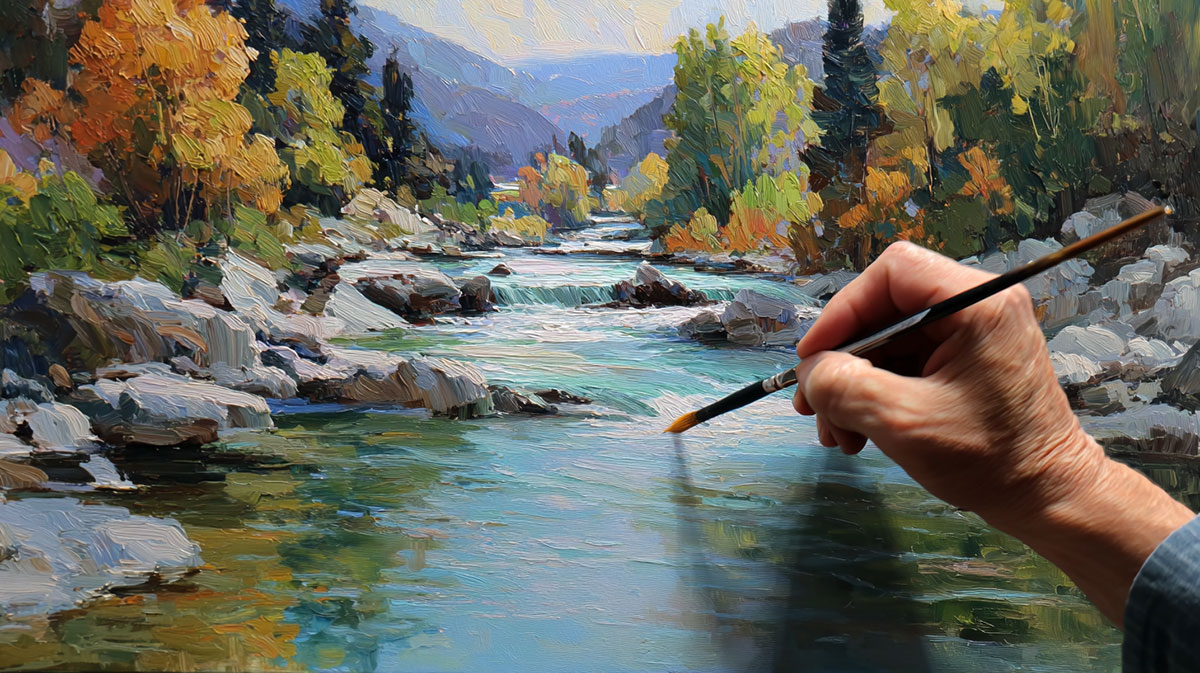

That impossibly thin, precise line separating amateur work from professional artistry often comes down to one specialized tool.
What is a liner brush becomes a critical question for any artist seeking to add fine details, delicate textures, and precise control to their paintings.
Liner brushes represent the precision instruments of the art world. These specialized painting tools feature long, thin bristles designed for creating detailed line work that standard brushes simply cannot achieve.
Understanding liner brush characteristics, techniques, and applications transforms your artistic capabilities.
This guide covers everything from brush selection and paint medium compatibility to professional maintenance and advanced application methods.
You’ll discover how different liner brush types serve specific artistic purposes, master essential techniques for consistent line quality, and learn professional care methods that extend brush life significantly.
Types of Liner Brushes

Liner brushes come in several distinct varieties, each designed for specific artistic applications. Understanding these different brush types helps artists select the right tool for their painting technique.
Script Liners
Script liners feature the longest bristles among detail brushes. These brushes excel at creating flowing, continuous strokes without frequent paint reloading.
The extended bristle length allows for smooth lettering work and decorative flourishes. Artists often choose script liners for calligraphy-style applications and signature work.
Paint Loading Capacity
Script liners hold more paint than shorter detail brushes. This capacity makes them perfect for long, uninterrupted line work.
The bristle construction maintains consistent paint flow throughout extended strokes. Professional artists rely on this consistency for precise lettering projects.
Rigger Brushes
Rigger brushes originated from maritime painting traditions. Ship painters needed brushes that could create thin, precise lines for rigging details.
These brushes feature stiffer bristles than standard script liners. The firmness provides better control for architectural details and precise geometric work.
Construction Benefits
Rigger bristles maintain their shape under pressure. This durability makes them ideal for repeated detailed work sessions.
The firm construction works well with thicker paint consistencies. Many artists prefer riggers for oil painting applications.
Detail Liners
Detail liners have shorter bristles than script brushes. This design prioritizes control over paint capacity.
The compact bristle length allows for extremely precise work. Artists use detail liners for fine textures and intricate patterns.
Control Advantages
Short bristles respond immediately to hand pressure changes. This responsiveness helps create varied line weights within single strokes.
Detail liners work best with properly thinned paint mediums. The brush requires frequent reloading for extended work sessions.
Specialty Liner Variations
Angular Liners
Angular liners feature bristles cut at diagonal angles. This unique shape creates distinctive stroke effects.
Artists use angular liners for creating sharp corners and geometric patterns. The angled tip produces clean, precise edges.
Sword Liners
Sword liners taper to extremely fine points. These specialized brushes create the thinnest possible painted lines.
Professional miniature painters often choose sword liners for microscopic details. The ultra-fine tip requires careful handling and maintenance.
How Liner Brushes Work
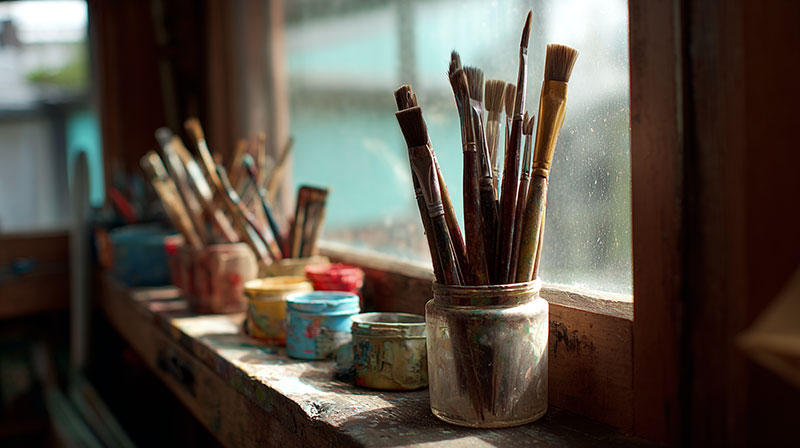
Understanding liner brush mechanics helps artists achieve better results. These specialized tools operate on specific principles of paint flow and bristle behavior.
Paint Loading Mechanics
Capillary Action Fundamentals
Liner brushes rely on capillary action to hold and release paint. The bristles create tiny channels that draw paint upward through the brush.
Natural bristles often provide superior capillary action compared to synthetic alternatives. However, high-quality synthetic bristles can perform nearly as well.
Optimal Paint Consistency
Proper paint viscosity determines brush performance. Too thick paint clogs bristles and prevents smooth flow.
Too thin paint lacks body and creates weak, transparent lines. The ideal consistency resembles heavy cream or milk.
Consistency Guidelines
- Watercolor painting: Mix pigment with water until it flows smoothly
- Acrylic painting: Add medium or water to achieve flowing consistency
- Oil applications: Use appropriate solvents to thin paint without losing body
Loading Technique Steps
- Dip brush into paint reservoir
- Roll bristles gently to coat all sides
- Test flow on practice surface
- Adjust consistency as needed
Proper loading prevents paint blobs and ensures consistent line quality. Never overload bristles with thick paint.
Brush Control and Hand Position
Grip Positioning
Hold the brush handle between thumb and index finger. Position fingers about one-third down from the ferrule.
This grip provides stability while allowing wrist movement. Avoid gripping too close to the bristles, which reduces control.
Movement Techniques
Wrist movement creates short, controlled strokes. Use wrist action for detailed work and precise patterns.
Arm movement produces longer, flowing lines. Artists often combine both techniques within single compositions.
Body Posture Impact
Proper posture affects line quality significantly. Sit or stand with relaxed shoulders and stable support.
Poor posture creates hand tremors that translate to shaky lines. Good ergonomics improve both comfort and artistic results.
Paint Release and Flow Control
Pressure Application
Light pressure produces thin, delicate lines. Increased pressure creates wider strokes with more paint release.
Practice varying pressure within single strokes. This technique creates dynamic line weights that add visual interest.
Speed Effects
Slow movements allow maximum paint release from bristles. Use slower speeds for bold, saturated lines.
Quick movements create lighter, more controlled paint application. Faster strokes work well for textural effects.
Angle Positioning
Brush angle dramatically affects stroke characteristics. Vertical positioning creates thin, precise lines.
Angled positioning increases contact area and produces wider strokes. Experiment with different angles to achieve varied effects.
Consistent Results Tips
- Maintain steady hand speed throughout strokes
- Keep brush angle consistent within line segments
- Practice on scrap surfaces before working on final pieces
- Clean bristles frequently to prevent paint buildup
The bristle tip condition directly impacts line quality. Sharp, clean tips produce the finest detail work possible with liner brushes.
Painting Techniques with Liner Brushes

Mastering liner brush techniques opens up countless artistic possibilities. These specialized tools create effects impossible with standard brushes.
Basic Line Drawing Methods
Pulling vs Pushing Strokes
Pulling strokes produce the smoothest, most controlled lines. Drag the brush toward your body while maintaining steady pressure.
Pushing strokes can cause bristles to splay and create uneven lines. Most professional artists avoid pushing except for specific textural effects.
Continuous Line Creation
Smooth, uninterrupted lines require proper paint consistency and brush loading. Keep the brush moving at consistent speed throughout the stroke.
Practice long continuous strokes on practice surfaces. This builds muscle memory and improves hand steadiness.
Starting Clean Strokes
Begin strokes with light pressure to avoid paint blobs. Gradually increase pressure as the line progresses.
Clean starts prevent unwanted thick spots at line beginnings. Professional sign painters master this technique for crisp lettering.
Ending Strokes Properly
Lift the brush gradually while reducing pressure. This creates clean, tapered line endings.
Abrupt lifts often leave paint drops or irregular endings. Smooth exits maintain professional line quality.
Line Weight Variation Techniques
Pressure Control Methods
Light pressure creates thin, delicate lines perfect for detailed work. Heavy pressure produces bold, dramatic strokes.
Vary pressure within single strokes to create dynamic line weights. This technique adds visual interest and emphasis to artwork.
Speed Variation Effects
Slow movements allow maximum paint release from bristles. Fast movements create lighter, more controlled applications.
Combine speed changes with pressure variations for complex line characteristics. This creates expressive, animated stroke quality.
Paint Dilution for Transparency
Diluted paint creates transparent line effects. Gradually thin paint to achieve desired opacity levels.
Layer transparent lines to build up tone and depth. This technique works especially well with watercolors.
Advanced Liner Brush Applications
Cross-Hatching Techniques
Cross-hatching builds value through overlapping line patterns. Start with parallel lines in one direction.
Add perpendicular lines to create mesh patterns. Vary line spacing to control overall darkness and texture.
Spacing Considerations
- Tight spacing creates dark areas
- Wide spacing produces lighter tones
- Irregular spacing adds organic texture
Stippling and Broken Lines
Stippling uses tiny dots to build texture and tone. Touch the brush tip lightly to create consistent dot patterns.
Broken lines suggest movement and energy. Vary breaks to control visual rhythm.
Blending with Liners
Wet-into-wet blending creates soft transitions. Apply one color, then immediately add adjacent colors.
Work quickly before paint dries. This technique produces smooth gradation effects.
Signature and Lettering Work
Script Writing Applications
Liner brushes excel at calligraphy-style script writing. Load the brush fully for consistent paint flow.
Practice letter forms on separate surfaces before signing finished work. Confident strokes create more professional signatures.
Artist Signature Techniques
Develop a consistent signature style using liner brushes. Practice the same movements repeatedly for muscle memory.
Consider signature placement carefully. Lower right corners traditionally work best for most compositions.
Paint Medium Compatibility

Different paint types require specific approaches with liner brushes. Understanding medium characteristics improves results significantly.
Watercolor Applications
Water-to-Pigment Ratios
Proper dilution determines line quality in watercolor work. Start with more water for initial layers.
Gradually reduce water content for darker, more opaque lines. Test ratios on practice paper before final application.
Mixing Guidelines
- Light washes: 80% water, 20% pigment
- Medium tones: 60% water, 40% pigment
- Dark lines: 40% water, 60% pigment
Paper Interaction Effects
Watercolor paper texture affects line character. Smooth papers produce clean, precise lines.
Rough papers create broken, textured line effects. Choose paper texture based on desired artistic outcome.
Drying Time Management
Work quickly with watercolors to maintain wet edges. Plan stroke sequences before beginning detailed work.
Allow complete drying between layers to prevent unwanted bleeding. Patience improves final line quality.
Acrylic Paint Usage
Consistency Modification
Acrylics dry quickly and may thicken during use. Add flow aid or water to maintain proper consistency.
Retarding mediums slow drying time for extended working periods. This helps when creating detailed liner work.
Working Time Solutions
- Use palette knife to keep paint moist
- Spray bottle maintains paint consistency
- Work in small sections to manage drying
Cleanup Requirements
Clean brushes immediately after use with acrylics. Dried acrylic permanently damages natural bristles.
Use mild soap and warm water for thorough cleaning. Never allow acrylic paint to dry in brush ferrules.
Oil Paint Techniques
Solvent Mixing Ratios
Thin oil paints with appropriate solvents for liner work. Use turpentine or odorless mineral spirits sparingly.
Start with small amounts of solvent. Gradually add more until achieving desired flow characteristics.
Wet-into-Wet Possibilities
Oil paints remain workable for hours, allowing extensive blending time. Use this extended working time for complex line interactions.
Layer different colors while previous layers remain wet. This creates soft, natural color transitions.
Drying Considerations
Add drying agents to speed oil paint curing if needed. Alkyd mediums accelerate drying without affecting line quality.
Plan project timing around oil paint drying characteristics. Allow adequate curing time between sessions.
Specialty Mediums
Gouache Applications
Gouache combines watercolor transparency with acrylic opacity. Dilute with water for liner brush applications.
This medium produces rich, matte line quality. It works well for illustration and decorative applications.
Ink Compatibility
Drawing inks work excellently with liner brushes. Use fountain pen inks for smoothest flow characteristics.
India ink creates permanent, deep black lines. Test ink compatibility with paper before final application.
Mixed Media Considerations
Combine different mediums carefully to avoid incompatibility issues. Test combinations on practice surfaces first.
Acrylic mediums generally work well over dried watercolor applications. Oil-based products may reject water-based underlayers.
Choosing the Right Liner Brush

Selecting the proper liner brush determines project success. Multiple factors influence which brush works best for specific applications.
Project-Specific Selection Criteria
Canvas Size Considerations
Large canvases require longer liner brushes for proportional line work. Small detail pieces work better with shorter, more controlled brushes.
Scale relationships affect visual balance significantly. Match brush size to overall artwork dimensions.
Detail Level Requirements
Fine detail work demands brushes with sharp, precise tips. Broader decorative work allows for less critical tip quality.
Assess project complexity before brush selection. Complex patterns require superior brush control and paint flow.
Detail Assessment Questions
- How fine are the smallest details?
- What line weights are needed?
- How much precision is required?
Paint Medium Factors
Different painting mediums require specific brush characteristics. Watercolors need brushes that hold paint well.
Oils work better with stiffer bristles that resist paint buildup. Acrylics fall between these extremes.
Quality Indicators and Materials
Natural vs Synthetic Performance
Natural bristles provide superior paint holding capacity. Kolinsky sable offers the finest performance but costs significantly more.
Synthetic alternatives perform well for most applications. High-quality synthetics rival natural brushes at lower costs.
Ferrule Quality Signs
Quality ferrules stay tight and corrosion-free. Cheap ferrules loosen quickly and shed metal particles.
Look for seamless construction and smooth interior surfaces. Poor ferrules damage bristles and affect paint flow.
Handle Construction
Well-balanced handles reduce hand fatigue during extended sessions. Weight distribution affects brush control significantly.
Quality handles use properly seasoned wood or durable synthetic materials. Cheap handles crack and split with use.
Budget Considerations
Student vs Professional Options
Student brushes work well for practice and experimentation. Professional brushes justify higher costs for finished artwork.
Investment approach: Start with mid-range brushes, upgrade favorites as skills develop.
Cost Justification Factors
Expensive brushes last longer with proper care. Calculate cost per project rather than initial purchase price.
Professional work demands professional tools. Client expectations often require superior brush quality.
Budget Planning Tips
- Buy fewer, higher-quality brushes
- Focus on most-used sizes first
- Replace worn brushes promptly
- Consider brush longevity in pricing
Set vs Individual Purchases
Brush sets offer value but include unnecessary sizes. Individual purchases allow targeted selections.
Mixed approaches work best for most artists. Buy sets for basic needs, individuals for specialties.
Brand Comparisons
Established Manufacturers
Winsor & Newton offers consistent quality across price ranges. Da Vinci brushes provide excellent natural bristle options.
Princeton brushes balance quality and affordability well. Raphael produces premium natural bristle brushes.
Specialty Makers
Boutique manufacturers often produce superior specialty brushes. Research reviews before purchasing expensive specialty tools.
Regional availability affects practical choices. Choose brands with local distribution support.
Proper Care and Maintenance

Quality brush care extends tool life significantly. Proper maintenance preserves performance and protects investments.
Cleaning Techniques by Medium
Water-Based Paint Removal
Clean water-based paints immediately after use. Lukewarm water works better than cold for paint removal.
Work soap gently into bristles from ferrule to tip. Never force bristles backward against their natural direction.
Cleaning Steps
- Rinse excess paint with water
- Apply mild soap to palm
- Gently work bristles in soap
- Rinse thoroughly until water runs clear
- Reshape tip while damp
Oil Paint Cleanup
Use appropriate solvents for oil paint removal. Turpentine or mineral spirits dissolve oil-based paints effectively.
Follow solvent cleaning with soap and water. This removes solvent residue that can damage bristles over time.
Stubborn Pigment Solutions
Dried acrylic requires special treatment. Soak brushes in brush restorer products designed for hardened paint.
Murphy’s Oil Soap works well for general stubborn paint removal. Avoid harsh chemicals that damage bristles.
Storage Methods
Proper Drying Position
Store brushes tip-up in containers or flat on surfaces. Never store brushes tip-down while wet.
Vertical storage prevents water from entering ferrules. Moisture in ferrules loosens adhesive and causes bristle loss.
Travel Considerations
Use brush guards or tubes for travel protection. Wrap brushes individually to prevent tip damage.
Portable brush cases protect investments during transport. Hard cases offer maximum protection for expensive brushes.
Long-Term Storage
Clean brushes thoroughly before long-term storage. Apply light oil coating to natural bristles for extended protection.
Store in low-humidity environments when possible. High humidity promotes mold growth on natural bristles.
Bristle Maintenance
Tip Preservation Methods
Never allow paint to dry completely in brush tips. This permanently damages the finest bristles.
Use brush soap regularly to condition natural bristles. Conditioned bristles maintain flexibility and tip sharpness.
Splayed Bristle Correction
Reshape splayed bristles while damp using gentle finger pressure. Work from ferrule toward tip direction.
Severe splaying often indicates permanent damage. Replace brushes when reshaping no longer works effectively.
Replacement Timing
Replace brushes when tips lose sharpness permanently. Damaged brushes produce poor line quality.
Monitor ferrule condition regularly. Loose ferrules indicate brush replacement time.
Damage Prevention
Paint Buildup Prevention
Clean paint from ferrule areas immediately. Dried paint in ferrules causes permanent bristle damage.
Use appropriate thinners to prevent paint thickening. Thick paint forces bristles apart and damages tips.
Bristle Protection
Never use brushes for mixing thick paint. Use palette knives for heavy mixing work.
Avoid pressing brushes hard against rough surfaces. Abrasive surfaces wear bristle tips quickly.
Protection Strategies
- Use separate brushes for different mediums
- Clean frequently during painting sessions
- Store properly between uses
- Handle gently during all operations
Handle Care
Keep handles clean and dry. Paint buildup on handles creates slippery, unsafe grips.
Sand and refinish wooden handles as needed. Well-maintained handles improve brush control and longevity.
Common Problems and Solutions
Liner brush issues stem from predictable causes. Understanding common problems helps prevent frustration and wasted materials.
Paint Flow Issues
Clogged Bristle Troubleshooting
Dried paint blocks bristle channels and prevents smooth flow. Clean brushes immediately after each painting session.
Soak hardened brushes in appropriate solvents. Massage bristles gently to dislodge stubborn paint particles.
Quick Fix Solutions
- Warm water for water-based paints
- Turpentine for oil-based materials
- Commercial brush cleaners for severe buildup
- Gentle massage from ferrule to tip
Inconsistent Paint Release
Uneven paint consistency causes irregular flow patterns. Mix paint thoroughly before loading brushes.
Temperature changes affect paint viscosity significantly. Keep paint at consistent room temperature during work sessions.
Loading Optimization
Proper brush loading prevents flow problems. Dip bristles fully, then remove excess paint on palette edge.
Test flow on practice surfaces before final application. This prevents unwanted blobs on finished work.
Line Quality Problems
Shaky Line Corrections
Hand tremors create uneven lines. Brace your painting hand against your non-painting hand for stability.
Practice steady movements on scrap surfaces. Muscle memory develops through consistent repetition.
Stability Techniques
- Use arm movements for long lines
- Wrist movements for short details
- Proper breathing reduces tension
- Take breaks to prevent fatigue
Paint Blob Prevention
Excess paint creates unwanted thick spots. Load brushes properly and control pressure application.
Start strokes with light pressure, then gradually increase. This prevents initial paint dumps.
Streaky Application Solutions
Insufficient paint mixing causes streaky lines. Stir paint thoroughly before each loading session.
Maintain consistent brush speed throughout strokes. Variable speeds create uneven paint distribution.
Brush Performance Decline
Lost Tip Restoration
Splayed bristles lose precision capability. Reshape tips while damp using gentle finger pressure.
Quality brush soap helps restore natural bristle flexibility. Condition brushes regularly for optimal performance.
Flexibility Maintenance
Dried paint residue stiffens bristles permanently. Clean brushes completely after each use.
Natural bristles require occasional conditioning treatments. Use appropriate brush care products as directed.
Repair Attempt Limits
Severely damaged brushes resist restoration efforts. Replace brushes when cleaning no longer improves performance.
Monitor brush condition regularly. Early intervention prevents complete bristle destruction.
Professional Applications and Industries
Liner brushes serve specialized roles across multiple professional fields. Each industry has specific requirements and quality standards.
Fine Art and Gallery Work
Painting Restoration Projects
Art conservators use liner brushes for detailed restoration work. Precision application allows matching original brushwork styles.
Museum-quality projects demand superior brush control. Restoration work requires reversible paint applications.
Original Artwork Requirements
Professional artists choose liner brushes for signature details. Gallery pieces need consistent line quality throughout.
Fine art applications justify premium brush investments. Quality tools produce gallery-worthy results.
Museum Standards
Conservation work follows strict material guidelines. Brushes must meet archival quality requirements.
Approved materials prevent chemical interactions with historic artworks. Professional conservators maintain detailed tool records.
Commercial and Decorative Arts
Traditional Sign Painting
Hand-lettered signs require precise liner brush control. Sign painters develop specialized techniques for consistent lettering.
Commercial work demands speed and accuracy. Professional sign painters practice efficient brush loading methods.
Sign Painting Essentials
- Steady hand control
- Consistent paint flow
- Proper brush angles
- Efficient loading techniques
Decorative Furniture Applications
Furniture decorators use liner brushes for intricate pattern work. Hand-painted details add value to custom pieces.
Traditional techniques create authentic period reproduction effects. Liner brushes replicate historical decorative styles.
Architectural Detail Work
Building restoration projects require precise detail matching. Liner brushes recreate original architectural painting techniques.
Historic preservation standards govern material choices. Approved brushes meet conservation requirements.
Specialized Professional Uses
Ceramic and Pottery Decoration
Ceramic artists use liner brushes for underglaze detail work. High-temperature firing requires specific brush materials.
Pottery decoration demands consistent line weights. Professional ceramicists choose brushes that survive kiln temperatures.
Model Painting Applications
Scale model enthusiasts need extremely fine detail capability. Miniature work pushes liner brush precision limits.
Professional model makers invest in premium brushes. Competition-quality models require flawless detail execution.
Model Painting Requirements
- Ultra-fine tip control
- Minimal paint application
- Consistent line weights
- Precision color placement
Automotive Pinstriping
Custom car pinstriping uses specialized liner techniques. Smooth, flowing lines define professional pinstriping quality.
Automotive painters develop signature styles through practice. Consistent results require superior brush control skills.
Professional pinstripers often create custom brush modifications. Specialized tools produce unique line characteristics.
Industrial Design Applications
Product designers use liner brushes for concept visualization. Hand-drawn details communicate design intent effectively.
Rapid prototyping benefits from quick detail rendering. Liner brushes speed concept development processes.
Design studios maintain brush inventories for various applications. Different projects require specific brush characteristics.
FAQ on What Is A Liner Brush
What makes a liner brush different from other brushes?
Liner brushes feature long, thin bristles and fine tips for precise detail work. Unlike flat or round brushes, they create consistent thin lines and hold paint efficiently for extended strokes without frequent reloading.
What size liner brush should beginners start with?
Size 2 or 3 liner brushes work best for beginners. These sizes provide good paint capacity while maintaining control for detail work. Smaller sizes require more skill, while larger ones sacrifice precision.
Can liner brushes work with all paint types?
Yes, quality liner brushes work with watercolors, acrylics, and oils. However, paint consistency must be adjusted for each medium. Watercolors need thinning, acrylics require flow aids, and oils need appropriate solvents.
How do you load a liner brush properly?
Dip the brush fully into properly thinned paint, then gently roll against the palette edge. The brush should hold enough paint for several strokes without dripping or creating blobs when touched to the surface.
What’s the difference between script and rigger brushes?
Script liners have longer, more flexible bristles for flowing strokes and lettering. Rigger brushes feature shorter, stiffer bristles for controlled detail work. Both serve different artistic applications and painting techniques.
How do you clean liner brushes after painting?
Clean immediately after use with appropriate solvents. For water-based paints, use lukewarm water and mild soap. Oil paints require turpentine followed by soap cleaning. Never allow paint to dry in bristles.
Why do liner brush tips split or splay?
Splaying occurs from dried paint buildup, improper cleaning, or using brushes with thick paint. Harsh pressure against rough surfaces also damages tips. Quality brushes last longer with proper care and maintenance.
What causes streaky lines with liner brushes?
Inconsistent paint mixing, improper brush loading, or variable hand speed create streaky effects. Maintain steady movement and ensure thorough paint mixing before application. Practice consistent pressure throughout strokes.
How long should quality liner brushes last?
Professional brushes last years with proper care. Student-grade brushes may need replacement after several months of regular use. Regular cleaning and proper storage significantly extend brush life and performance.
When should you replace a liner brush?
Replace brushes when tips permanently lose sharpness, bristles consistently splay, or ferrules loosen. If cleaning no longer restores performance, the brush has reached replacement time for optimal line quality results.
Conclusion
Understanding what is a liner brush opens doors to artistic precision impossible with standard tools.
These specialized brushes transform detailed work from frustrating struggles into controlled, professional applications.
Proper brush selection depends on your specific artistic needs. Natural bristles excel with traditional mediums, while synthetic alternatives offer durability and consistent performance across various paint types.
Technique mastery requires practice and patience. Start with basic line work, gradually advancing to complex applications like cross-hatching, stippling, and decorative patterns that showcase liner brush capabilities.
Quality maintenance extends brush life significantly. Clean brushes immediately after use, store properly, and replace worn tools when performance declines. Professional results demand professional tool care.
From fine art restoration to commercial sign painting, liner brushes serve critical roles across artistic industries.
Whether you’re creating watercolor painting details or precision lettering work, mastering these tools elevates your artistic expression and opens new creative possibilities.


