Standing in front of a Claude Monet water lily painting feels like watching light dance on water. The brushstrokes seem to capture actual sunlight trapped in paint.
Learning how to paint like Monet means understanding that he wasn’t just painting objects. He painted light itself and how it transforms everything it touches.
Most painters focus on drawing skills first. Monet threw that rulebook out the window and started with pure color and broken brushstrokes instead.
This guide teaches you Monet’s specific techniques for capturing fleeting light effects, working with broken color methods, and developing the observational skills that made impressionism revolutionary.
You’ll learn his workspace setup, signature brushwork techniques, and most importantly, how to see light the way he did. By the end, you’ll paint with the confidence and spontaneity that made Monet’s work timeless.
Setting Up Your Impressionist Workspace

Getting your workspace right makes the difference between struggling with your materials and painting with confidence. Claude Monet worked both indoors and outdoors, but his approach to organizing materials stayed consistent.
Choosing the Right Materials
Your brush selection determines how well you can capture that loose, spontaneous feel of impressionism. Flat brushes work best for broad color areas, while filbert brushes give you the flexibility to create both sharp edges and soft blends.
Round brushes handle detail work and line variation. Fan brushes create interesting texture effects in foliage and water.
Canvas preparation affects how your paint behaves. Monet preferred a slightly textured surface that would grab the paint and create those characteristic broken color effects.
Prime your canvas with a neutral tone rather than stark white. This helps you judge color relationships more accurately from the start.
Building Your Color Palette
Monet’s palette focused on pure, unmixed colors straight from the tube. He avoided black entirely, preferring to mix dark tones from complementary colors.
Primary colors formed the foundation: cadmium yellow, ultramarine blue, and cadmium red. These gave him maximum mixing potential while maintaining color intensity.
Add white (lots of it), viridian green, and burnt umber. That’s really all you need to start painting like the master.
Essential Equipment Setup
Your easel should be sturdy enough to handle outdoor conditions. French easels work well because they’re portable yet stable.
Keep your palette simple. A wooden palette or even a sheet of glass works better than plastic, which can make colors look muddy.
Palette knives aren’t just for mixing. Monet used them to scrape back wet paint and create texture effects.
Monet’s Signature Brushwork Techniques

The way Monet handled his brush separated him from every other painter of his time. His strokes weren’t just marks on canvas – they captured light itself.
Broken Color Method
Instead of mixing colors on the palette, Monet placed pure colors side by side on the canvas. Your eye does the mixing when you step back.
Short, visible brushstrokes became his signature. Each stroke follows the form it’s describing – horizontal for water, vertical for tree trunks, curved for clouds.
Load your brush with paint and don’t overwork it. One confident stroke often works better than three hesitant ones.
The direction of your stroke matters as much as the color. Water moves horizontally, so your strokes should too.
Working Wet-into-Wet
Monet often painted alla prima, completing paintings in one session while the paint stayed workable. This technique requires confidence and speed.
Paint consistency needs to be just right. Too thick and colors won’t blend smoothly. Too thin and you lose that impasto texture.
Work from light to dark in most areas, but don’t be afraid to add bright highlights over darker passages.
Creating Texture with Paint
Thick paint application (impasto) creates dimension that catches real light. Monet used this technique especially in his water lily paintings.
Palette knife work builds up paint in strategic areas. The raised paint surface creates shadows and highlights that change as lighting conditions shift.
Vary your paint thickness within the same painting. Thin paint for distant areas, thick paint for foreground elements.
Capturing Light Like Monet

Light was everything to Monet. He understood that color changes constantly as light shifts throughout the day.
Understanding Natural Light Changes
Golden hour light (early morning and late afternoon) creates the warmest, most dramatic effects. Colors become more saturated and shadows turn purple or blue.
Midday light washes out color and creates harsh shadows. Monet often avoided painting during these hours.
Overcast conditions actually work well for impressionist painting. The diffused light eliminates harsh shadows and lets you see color relationships more clearly.
Temperature and Color Relationships
Warm colors advance, cool colors recede. This principle helps create depth without relying on traditional linear perspective.
Shadows aren’t gray. They’re filled with reflected light and complementary colors. A yellow sunlit wall casts violet shadows.
Time of day affects color temperature dramatically. Morning light leans blue-green, afternoon light turns orange-red.
Painting Reflections and Water
Water surfaces act like broken mirrors, reflecting sky color while showing what’s beneath. Horizontal brushstrokes suggest calm water, broken strokes indicate movement.
Reflections appear darker than the objects they reflect. Don’t make them as bright as the original.
Water in motion breaks up reflections into horizontal bands of color. Follow this pattern with your brushwork.
Atmospheric Perspective Techniques
Objects fade and cool as they recede into the distance. This happens because of moisture and particles in the air.
Distant mountains appear blue or purple regardless of their actual color. Use this to your advantage in landscapes.
Soften edges as they move into the background. Sharp, defined edges bring objects forward visually.
Reduce contrast in distant areas. Save your strongest lights and darks for foreground elements.
Working with Changing Light
Light changes faster than you can paint. Monet solved this by working on multiple canvases during different times of day.
Document your lighting conditions with quick color notes. Write down the time, weather, and dominant color temperature.
When the light changes dramatically, stop and switch to a different canvas rather than fighting the new conditions.
Use photographs as reference for lighting, but don’t copy them exactly. Cameras don’t see color the way your eyes do.
The Series Approach
Monet’s series paintings (haystacks, cathedrals, water lilies) taught him more about light than any single painting could. Repetition reveals subtlety.
Paint the same subject at different times and seasons. You’ll be amazed at how much the light changes the entire mood and color saturation.
Each painting in a series should capture a specific moment and quality of light. Don’t try to create a “generic” version of your subject.
Color Harmony in Impressionist Style

Color harmony creates the magic that makes Monet’s paintings so captivating. He understood that colors don’t exist in isolation.
Temperature Relationships
Warm colors push forward, cool colors fall back. This basic principle creates depth without traditional perspective tricks.
Morning light tends toward cool blues and greens. Afternoon light shifts warm with oranges and reds.
Monet painted the same haystack at different times to study these temperature shifts. Each version feels completely different because of color temperature alone.
Use temperature contrast to separate your foreground from background. Warm foreground, cool distance works every time.
Working with Color Contrasts
Complementary colors create vibration when placed next to each other. Orange and blue, red and green, yellow and purple.
Shadows aren’t black. They’re filled with the complement of whatever color the light source is casting.
If your sunlight is warm yellow, paint cool purple in the shadows. This makes both colors sing.
Don’t mix complementary colors directly on the palette. Put them side by side on the canvas instead.
Optical Color Mixing Techniques
Broken color means placing pure colors next to each other rather than mixing them beforehand. Your eye blends them from a distance.
This technique keeps colors bright and fresh. Mixed colors on the palette often turn muddy.
Use small touches of pure color throughout your painting. A spot of pure orange in a green field creates energy.
Think of your brush as placing colored light, not colored paint.
Creating Luminosity Effects
Light areas need their surrounding darks to really glow. Value contrast makes colors appear more intense.
Surround warm highlights with cool mid-tones. The warmth appears to emit light.
Pure white should be saved for the brightest highlights only. Most “white” areas are actually light grays or tints.
Mastering Monet’s Subject Matter

Monet found endless inspiration in everyday scenes. His genius lay in seeing the extraordinary in the ordinary.
Garden and Flower Painting
Flower forms should be simplified into basic shapes first. Don’t get caught up in painting every petal.
Focus on the overall color mass and how light hits different parts of the flower. Details come later, if at all.
Dappled light through leaves creates complex color patterns. Paint the pattern, not individual leaves.
Garden scenes work best when you squint to see the major light and dark areas first.
Water and Reflection Techniques
Water surfaces reflect the sky but also show what’s underneath. This creates complex color mixing opportunities.
Horizontal brushstrokes suggest calm water. Broken, choppy strokes indicate waves or movement.
Reflections appear darker than the objects they reflect. They also stretch vertically based on your viewing angle.
Moving water breaks reflections into horizontal bands. Follow this natural pattern with your brush direction.
Landscape Composition Strategies
Sky dominates most of Monet’s landscapes. Give it at least half your canvas space.
Horizon lines work best when placed off-center. Dead center creates static compositions.
Ground planes need texture variation. Smooth areas next to rough areas create visual interest.
Trees and foliage should be painted as masses first, individual branches later.
Atmospheric Effects in Nature
Distance appears cooler and lighter in value. This happens because of moisture and particles in the air.
Mountains in the distance look blue or purple regardless of their actual color. Use this effect in your paintings.
Soft edges suggest distance, sharp edges bring objects forward. Control this carefully throughout your painting.
Weather conditions dramatically affect color relationships. Overcast days reduce contrast but intensify color saturation.
Developing Your Impressionist Eye

Learning to see like Monet requires training your eye to notice what most people miss. Light constantly changes everything.
Learning to See Light Changes
Squint frequently while observing your subject. This eliminates details and shows you the major light and dark patterns.
Notice how shadows shift in color throughout the day. They’re never just darker versions of the local color.
Early morning shadows lean toward blue and purple. Late afternoon shadows warm up with oranges and reds.
Train yourself to see these color shifts. Most beginners paint what they think they see, not what’s actually there.
Simplifying Complex Subjects
Major shapes matter more than details. Identify the three or four biggest shapes in your subject first.
Monet painted the impression of a cathedral, not every stone. Look for the overall effect, not individual elements.
If you can’t see it from twenty feet away, it’s probably not important to your painting.
Details kill spontaneity. Add them last, and only if the painting really needs them.
Speed Painting Methods
Alla prima technique means finishing your painting in one session while everything stays wet. This creates the fresh, immediate quality impressionist paintings are known for.
Work wet-into-wet for smooth color transitions. The paint stays workable longer and colors blend naturally.
Make quick color decisions and stick with them. Overworking destroys the spontaneous quality you’re after.
Set a time limit for each painting session. Two hours maximum keeps you focused and prevents overworking.
Training Your Color Memory
Study subjects repeatedly at different times and in different light. This builds your visual memory for how colors change.
Paint without looking at your canvas sometimes. This forces you to really observe your subject.
Practice matching colors by eye before checking them against your subject. Your color memory improves with practice.
Keep color notes while painting. Write down the dominant temperature, main colors, and light direction.
Developing Artistic Observation Skills
Look for color in shadows. They’re never just darker versions of the local color but are filled with reflected light from surrounding objects.
Notice how edges change based on light conditions. Bright light creates sharp edges, diffused light softens them.
Study how Edgar Degas and Pierre-Auguste Renoir handled similar subjects differently. Each impressionist had a unique approach to the same visual problems.
Watch how colors affect each other. A gray looks warm next to blue, cool next to orange.
Building Painting Confidence
Trust your first impression of a color or value. Your initial instinct is often more accurate than second-guessing yourself.
Paint boldly from the start. Timid marks lead to timid paintings.
Accept that some paintings will fail. Monet threw away paintings that didn’t capture what he was after.
The goal isn’t perfection but rather capturing a specific moment and quality of light that will never happen exactly the same way again.
Common Challenges and Solutions
Every painter struggles with the same problems when learning impressionist techniques. Claude Monet faced these challenges too, and his solutions still work today.
Overworking Your Paintings
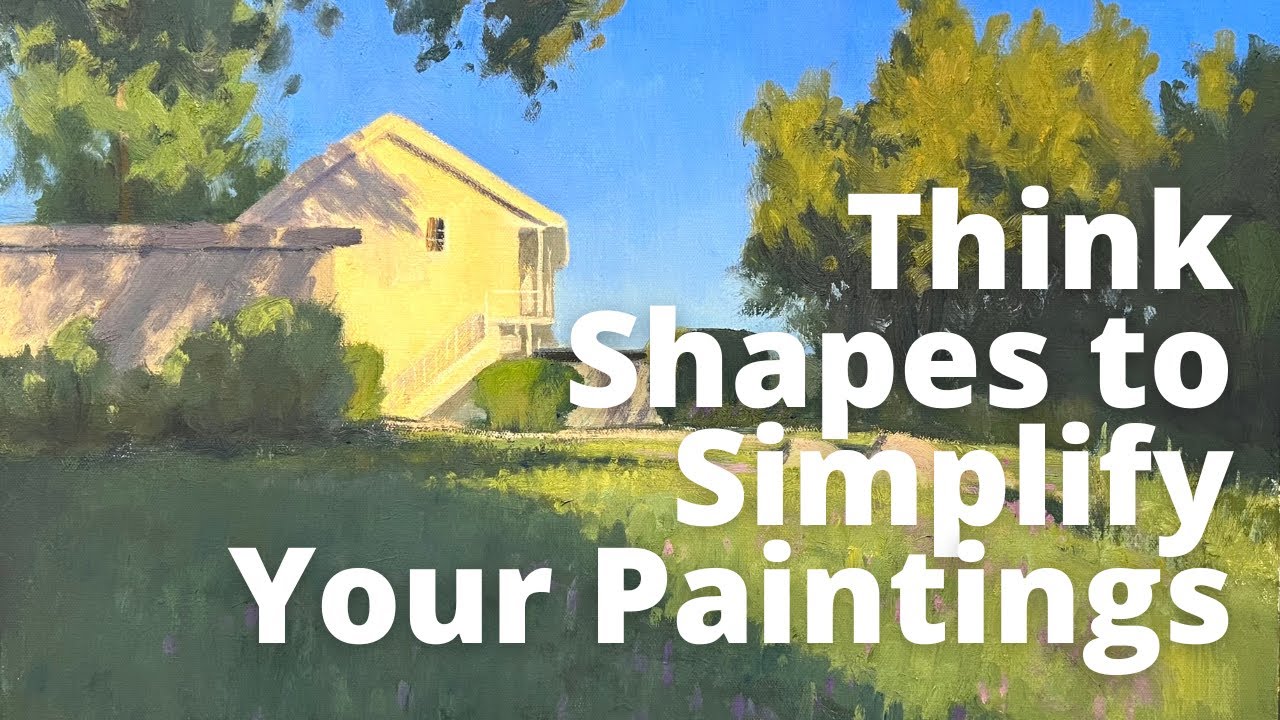
Fresh paint has energy that disappears when you keep fiddling with it. Stop before you think you should.
Monet knew when to put his brush down. He’d rather have a painting that felt alive but unfinished than one that was dead but complete.
Set a timer for each painting session. When it goes off, step back and evaluate whether more work will help or hurt.
Maintaining Spontaneity
Your first mark often captures the most energy. Don’t cover it up unless absolutely necessary.
Alla prima technique forces you to make confident decisions quickly. This prevents the overthinking that kills spontaneous brushwork.
If you find yourself going back to “fix” the same area repeatedly, leave it alone. The problem might be elsewhere in the painting.
Preserving Paint Quality
Wet paint stays workable longer than you think. Don’t rush to “save” areas that look wrong initially.
Thick paint (impasto) maintains its freshness better than thin applications. Build up paint in key areas for maximum impact.
Resist the urge to blend everything smooth. Those visible brushstrokes are what make impressionist paintings so engaging.
Color Mixing Problems

Muddy colors plague every beginning impressionist. The solution lies in understanding what causes them.
Avoiding Muddy Mixtures
Complementary colors create gray when mixed equally. Use this deliberately for neutral tones, avoid it for bright colors.
Too many colors in one mixture always creates mud. Limit yourself to three colors maximum for any single mix.
Clean your brush between different color families. A tiny bit of orange will dull any blue you try to mix.
Maintaining Color Intensity
Pure colors straight from the tube stay brightest. Mix on the canvas rather than on the palette when possible.
Add white carefully to lighten colors. Too much white creates chalky, dull mixtures.
Analogous color schemes (colors next to each other on the color wheel) create harmony without muddiness.
Temperature Consistency Issues
Warm and cool versions exist for every color. Cadmium red is warm, alizarin crimson is cool.
Choose either warm or cool dominance for each painting. Don’t flip-flop between them randomly.
Use temperature shifts to create depth and interest, but maintain an overall temperature bias.
Working with Changing Light
Light never stays the same. Natural light changes color and direction constantly throughout the day.
Documenting Light Conditions
Take photos of your setup every fifteen minutes while painting outdoors. This helps you remember the original lighting when you return to the studio.
Write color notes directly on your palette with a pencil. Note the dominant temperature and any unusual color relationships you observe.
Start multiple small paintings rather than one large one. This lets you capture different lighting conditions accurately.
Multiple Session Strategies
Work on paintings at the same time each day if you plan multiple sessions. The light will be similar and your color relationships will stay consistent.
Accept that some paintings can only be completed in one session. En plein air painting often works best as single-session studies.
Indoor studio work lets you control lighting, but you lose the spontaneity of changing outdoor conditions.
Paint Application Problems
Getting paint to behave the way you want takes practice and the right approach.
Brush Loading Techniques

Load your brush fully but not so much that paint drips. A well-loaded brush gives you several good strokes before reloading.
Wipe excess paint on the edge of your palette, not back into the color pile. This keeps your colors clean.
Different painting mediums require different loading techniques. Oil painting allows heavier loading than watercolor painting.
Paint Consistency Control
Thick paint for foreground areas, thin paint for distant areas. This creates natural atmospheric perspective.
Add medium sparingly to oil paint. Too much makes paint slippery and hard to control.
Room temperature affects paint consistency dramatically. Cold paint is stiff, warm paint flows more freely.
Composition Difficulties
Creating Strong Focal Points
One main focal point per painting works better than multiple competing areas of interest. Emphasis comes through contrast and placement.
Place your focal point off-center using the rule of thirds. Dead center feels static and uninteresting.
Use directional lines to guide the viewer’s eye toward your main subject.
Save your strongest contrast and brightest colors for the focal point area.
Balancing Elements
Visual weight doesn’t always equal physical size. A small bright area can balance a large dull area.
Asymmetrical balance feels more natural and dynamic than perfect symmetry.
Group similar elements together, then balance them with a single contrasting element.
Edge Quality Control
Hard edges bring attention, soft edges let areas recede quietly. Control this throughout your painting.
Lost and found edges create mystery and keep the viewer engaged. Don’t outline everything.
Squint frequently to check your edge relationships. Edges that disappear when squinting need to be softened.
Speed and Confidence Issues
Building Painting Confidence
Practice gesture drawing regularly. Quick sketches build hand-eye coordination and confidence with materials.
Paint small studies before attempting larger works. Success with small paintings builds confidence for bigger challenges.
Accept imperfection as part of the impressionist aesthetic. Monet’s paintings aren’t photographically accurate, they’re emotionally true.
Working Faster Without Sacrificing Quality
Limit your palette to force quick color decisions. Too many choices slow you down.
Mix larger amounts of your main colors at the start. Running out of a mixed color in the middle of painting creates problems.
Use bigger brushes than feel comfortable initially. This prevents you from getting caught up in unnecessary details.
Decision Making Under Pressure
Trust your instincts about color and value relationships. Your first impression is often more accurate than prolonged analysis.
When in doubt, err on the side of being too bold rather than too timid. You can always tone things down later.
Make one confident stroke instead of several hesitant ones. Confidence shows in brushwork quality.
FAQ on How To Paint Like Monet
What colors did Monet use in his palette?
Monet avoided black entirely, using cadmium yellow, ultramarine blue, cadmium red, viridian green, and lots of titanium white. He preferred pure colors straight from the tube rather than pre-mixed tones.
His limited palette forced him to mix colors optically on the canvas, creating the vibrant broken color effects impressionism is known for.
How do you paint loose brushstrokes like Monet?
Load your brush fully with paint and make confident, single strokes. Don’t go back to fix or blend immediately.
Follow the form you’re painting with your stroke direction. Horizontal strokes for water, vertical for trees, curved for clouds creates natural movement.
What is the broken color technique?
Broken color means placing pure colors side by side instead of mixing them on your palette. Your eye blends the colors when viewing from a distance.
This keeps colors bright and creates the shimmering light effects Monet was famous for capturing in his paintings.
Should I paint outdoors like Monet?
En plein air painting teaches you to observe changing light conditions directly. Monet painted most of his famous works outdoors.
Start with small canvases and simple subjects. Bring multiple panels to capture different lighting throughout the day.
How do you capture light in paintings?
Paint the color of light, not just the color of objects. Shadows contain reflected light and complementary colors, never just darker versions of local color.
Study how light changes throughout the day. Morning light leans cool, afternoon light turns warm and golden.
What brushes did Monet use?
Monet preferred flat and filbert brushes in various sizes. He used palette knives for mixing and scraping back paint.
Avoid detail brushes initially. Larger brushes prevent you from getting caught up in unnecessary details that kill spontaneity.
How long did Monet take to finish paintings?
Many of Monet’s works were completed alla prima (in one session) while paint stayed wet. This preserved the fresh, immediate quality.
His series paintings involved multiple sessions, but each captured specific lighting conditions rather than generic appearances.
Can beginners learn Monet’s techniques?
Start with simple subjects like single flowers or small landscape studies. Focus on major light and shadow patterns before attempting complex scenes.
Practice color mixing and brush loading techniques daily. Speed and confidence develop through repetition, not theory.
What canvas should I use for impressionist painting?
Monet used medium-textured canvases that grabbed paint well. Avoid smooth surfaces that don’t hold broken color applications effectively.
Prime your canvas with a neutral gray or warm tone instead of stark white for more accurate color judgment.
How do you avoid muddy colors when painting like Monet?
Keep complementary colors separate on your canvas. Clean your brush between different color families to prevent unwanted mixing.
Use analogous color schemes (neighboring colors on the color wheel) for harmony without muddiness. Add white carefully to avoid chalky mixtures.
Conclusion
Mastering how to paint like Monet requires patience, practice, and a willingness to see light differently. Broken color techniques and confident brushwork don’t develop overnight.
Start with simple outdoor subjects and work on small canvases. Build your skills gradually rather than attempting complex water lily compositions immediately.
The most important lesson from Monet’s approach is learning to paint what you actually see, not what you think you see. Study how color temperature shifts throughout the day.
Remember that spontaneity matters more than perfection. Monet himself discarded paintings that felt overworked or lost their initial energy.
Your impressionist journey begins with understanding that you’re painting light itself, not just objects in light. Every brushstroke should capture a moment that will never happen exactly the same way again.
Practice these techniques consistently, and you’ll develop the observational skills and painterly confidence that made the French impressionist movement revolutionary.