Your next masterpiece depends on one critical decision you make before picking up a brush. The best surface for painting determines whether your artwork survives decades or cracks within months.
I’ve watched countless paintings deteriorate because artists chose convenience over compatibility.
Canvas preparation, surface texture, and paint adhesion directly affect your artistic outcome and archival quality.
Professional artists understand that surface selection impacts everything from color theory application to composition execution.
The wrong substrate wastes expensive pigments and compromises technique development.
This guide examines ten essential painting surfaces, comparing their technical specifications, cost effectiveness, and suitability for different painting mediums. You’ll discover which surfaces work best for your preferred techniques, budget constraints, and artistic goals.
By the end, you’ll confidently select surfaces that support your creative vision rather than limit it.
Best Surface For Painting
| Surface Material | Optimal Paint Medium | Durability & Archival Quality | Preparation Requirements |
|---|---|---|---|
| Canvas (Cotton/Linen) | Acrylic, Oil, Tempera | Excellent (100+ years with proper care) | Gesso priming essential |
| Wood Panels (Hardboard/Plywood) | Oil, Acrylic, Tempera | Superior (200+ years archival) | Sanding, sealing, multiple gesso coats |
| Paper (Watercolor/Mixed Media) | Watercolor, Acrylic, Gouache | Good (50-100 years, pH dependent) | Stretching, sizing for certain mediums |
| Metal (Aluminum/Copper) | Oil, Acrylic with primer | Excellent (corrosion-resistant coating) | Degreasing, etching primer, specialized ground |
| Glass (Tempered/Plate) | Glass paint, Enamel, Acrylic | Variable (depends on firing/curing) | Thorough cleaning, frosting spray optional |
| Fabric (Silk/Canvas) | Fabric paint, Textile medium + Acrylic | Moderate (washability varies) | Pre-washing, stretching, fabric medium |
| Plastic (Acrylic Sheet/Polypropylene) | Acrylic, Specialty plastic paint | Good (UV-stable formulations) | Surface abrasion, adhesion promoter |
| Stone (Marble/Granite) | Mineral paint, Lime-based | Excellent (centuries, weathering) | Surface preparation, porosity sealing |
| Ceramic (Bisque-fired) | Ceramic glaze, Underglaze | Superior (permanent after firing) | Cleaning, proper firing temperatures |
| Cardboard (Illustration Board) | Acrylic, Watercolor, Tempera | Poor (acid content, warping) | Sealing both sides, archival options only |
Canvas
Traditional cotton or linen surface offering superior paint adhesion and longevity for oil painting and acrylic painting applications.
Core Properties
Canvas provides excellent paint absorption through its woven fiber structure. The material maintains dimensional stability under varying humidity conditions while offering natural texture that improves paint adhesion.
Professional canvases resist sagging better than cheaper alternatives. Quality canvas accepts multiple paint layers without compromising structural integrity.
Technical Specifications
Available in weights from 7oz to 15oz per square yard. Cotton canvas offers affordability while linen canvas provides superior durability and archival quality.
Pre-primed surfaces feature acrylic gesso with pH levels between 7-9. Duck weave construction delivers consistent surface tooth compared to plain weave alternatives.
Applications & Use Cases
Optimal for oil, acrylic, and mixed media artwork. Professional artists prefer stretched canvas for large-scale works while canvas boards suit practice and smaller compositions.
Museums favor linen canvas for restoration projects. Portrait painters often choose smooth-weave canvas for detailed facial work.
Comparative Context
Canvas offers better paint adhesion than wood panels but requires more preparation than pre-treated surfaces. More portable than rigid surfaces while providing better stability than paper-based alternatives.
Stretched canvas moves slightly with environmental changes unlike rigid panels. This flexibility prevents paint cracking in most conditions.
Expert Considerations
Artists should consider canvas tooth for their painting style. Smooth canvas suits detailed work while rough canvas accommodates impasto techniques.
Priming a canvas prevents paint from degrading fibers over time. Quality stretcher bars prevent corner sagging during extended painting sessions.
Wood Panels

Rigid substrate manufactured from hardwood, plywood, or MDF providing stable painting surface for detailed artwork and archival applications.
Core Properties
Wood panels eliminate surface movement that causes paint cracking on flexible supports. The rigid structure accommodates aggressive brushwork and palette knife techniques without deformation.
Hardwood panels like birch and maple offer natural grain patterns that can contribute to artistic effects. Sealed wood prevents moisture absorption that leads to warping.
Technical Specifications
Available in thicknesses from 1/8 inch to 2 inches. Baltic birch plywood provides optimal stability-to-weight ratio for most applications.
MDF panels offer ultra-smooth surfaces but require proper ventilation during cutting due to formaldehyde content. Hardboard (masonite) comes in tempered and untempered varieties.
Applications & Use Cases
Preferred for photorealistic paintings requiring precise detail work. Icon painters traditionally use wood panels for religious artwork.
Renaissance masters painted on oak and poplar panels that survive centuries later. Modern painters use panels for studies and finished works requiring archival permanence.
Comparative Context
Wood panels provide superior dimensional stability compared to canvas but weigh significantly more. Less portable than stretched canvas but eliminate stretching and keying requirements.
Cost varies dramatically from inexpensive MDF to premium hardwood options. Preparation time exceeds pre-stretched canvas but less than raw canvas stretching.
Expert Considerations
Proper sealing prevents support-induced discoloration that yellows paint over time. Sand panel surfaces lightly before priming to improve gesso adhesion.
Cradled panels add structural support for larger works. Consider wood movement in different humidity levels when selecting panel thickness.
Paper
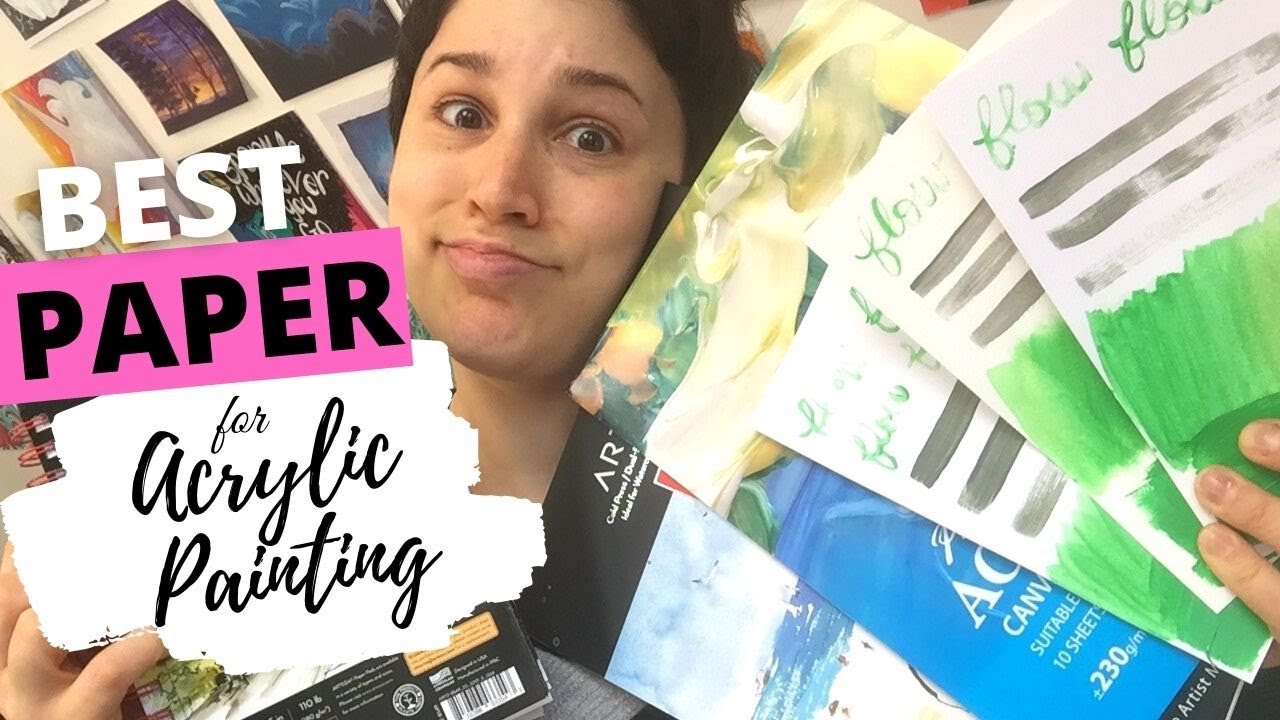
Absorbent fiber-based surface manufactured from cotton, wood pulp, or synthetic materials designed for specific painting mediums.
Core Properties
Paper fibers create mechanical paint adhesion through absorption rather than chemical bonding. Surface texture varies from smooth hot-pressed to rough cold-pressed finishes.
Cotton paper offers superior archival quality compared to wood pulp alternatives. Acid-free manufacturing prevents degradation over time.
Technical Specifications
Paper weight measured in pounds (140lb, 300lb) or grams per square meter (300gsm, 640gsm). Heavier weights resist warping when wet media applied.
Cold-pressed paper provides moderate texture suitable for most techniques. Hot-pressed delivers smooth surface for detailed work. Rough paper accommodates aggressive wet techniques.
Applications & Use Cases
Watercolor painting paper specifically engineered to handle moisture without buckling. Mixed media papers accept multiple paint types on single surface.
Oil and acrylic papers feature special sizing that prevents medium absorption. Yupo synthetic paper allows paint manipulation on non-absorbent surface.
Comparative Context
Paper costs significantly less than canvas or panels making it ideal for studies and practice work. Lighter weight than other surfaces but less durable long-term.
Requires different handling techniques compared to rigid supports. More susceptible to physical damage than canvas or panels.
Expert Considerations
Stretch watercolor paper before painting to prevent buckling. Tape edges to drawing board using gummed tape for best results.
Quality paper accepts multiple layers and corrections better than inexpensive alternatives. Store finished paper artwork in acid-free materials.
Metal
Non-corrosive metallic surface including aluminum, copper, and steel offering unique paint interaction properties and contemporary aesthetic appeal.
Core Properties
Metal surfaces provide zero absorption creating unique paint manipulation possibilities. Smooth metal allows paint to remain workable longer than absorbent surfaces.
Aluminum panels resist corrosion while maintaining lightweight portability. Copper develops natural patina that can enhance artwork appearance over time.
Technical Specifications
Available in gauges from 0.02 inches to 0.125 inches depending on rigidity requirements. Aluminum composite panels combine metal face with polymer core for reduced weight.
Surface treatments include brushed, polished, and textured finishes. Anodized aluminum provides colored base that shows through translucent paint layers.
Applications & Use Cases
Contemporary artists use metal for modern industrial aesthetic. Decorative painters work on aluminum signs and architectural elements.
Copper traditionally used for plein air painting due to warm tone that complements landscape colors. Steel requires rust prevention treatment before painting.
Comparative Context
Metal costs more than canvas or paper but less than premium wood panels. Heavier than canvas but lighter than wood panels of equivalent size.
Requires different painting techniques compared to absorbent surfaces. Paint takes longer to set on non-porous metal compared to traditional surfaces.
Expert Considerations
Clean metal thoroughly with degreasing agents before painting. Light sanding improves mechanical paint adhesion on smooth surfaces.
Use paints formulated for metal application to ensure proper adhesion. Consider thermal expansion in temperature-varying environments.
Glass

Transparent or translucent silicate surface offering unique light transmission properties and challenging non-absorbent painting conditions.
Core Properties
Glass provides completely non-porous surface that keeps paint workable indefinitely until evaporation occurs. Transparency allows backlighting effects and layered visual techniques.
Tempered glass offers increased break resistance for large panel applications. Textured glass surfaces provide mechanical paint adhesion through surface irregularities.
Technical Specifications
Available in thicknesses from 2mm to 12mm with varying transparency levels. Low-iron glass eliminates green tint for color-critical applications.
Surface treatments include sandblasted, etched, and patterned options that improve paint adhesion. Heat-resistant glass withstands kiln firing for enamel applications.
Applications & Use Cases
Stained glass artists use transparent paints that complement transmitted light. Contemporary painters exploit glass transparency for layering effects.
Reverse glass painting creates protected paint surface through glass backing. Window painting for commercial and decorative applications.
Comparative Context
Glass requires specialized paints and techniques unlike traditional surfaces. More expensive than paper or canvas but offers unique visual possibilities.
Extremely fragile compared to other surfaces requiring careful handling and storage. Heavy weight limits practical size for most applications.
Expert Considerations
Clean glass surfaces with alcohol to remove oils and residues before painting. Use paints specifically formulated for glass adhesion.
Consider thermal stress from temperature changes that can crack painted glass. Kiln-fired enamels provide permanent paint adhesion.
Fabric

Textile substrate including natural and synthetic fibers offering flexible painting surface for decorative and artistic applications.
Core Properties
Fabric fibers provide mechanical paint adhesion through fiber structure while maintaining flexibility after drying. Weave density affects paint penetration and surface texture.
Natural fibers like cotton and linen accept water-based paints readily. Synthetic fabrics require surface preparation for adequate paint adhesion.
Technical Specifications
Thread count ranges from 80 to 400 threads per inch affecting surface smoothness. Fabric weight measured in ounces per square yard determines stability during painting.
Pre-treated fabrics include sizing that prevents excessive paint absorption. Canvas fabrics specifically manufactured for painting applications offer consistent surface properties.
Applications & Use Cases
Textile artists paint on silk, cotton, and synthetic fabrics for wearable art. Banner painters use heavyweight canvas for outdoor display applications.
Stage scenery painted on lightweight fabrics for portability. Decorative painting on home furnishing fabrics requires washable paint formulations.
Comparative Context
Fabric costs vary widely from inexpensive cotton to premium silk options. More flexible than paper but less stable than rigid surfaces.
Requires mounting or stretching for painting unlike self-supporting rigid panels. Accepts specialized fabric paints better than traditional artist paints.
Expert Considerations
Pre-wash fabrics to remove sizing that prevents paint adhesion. Stretch fabric taut during painting to prevent distortion.
Heat-setting improves paint permanence on most fabric types. Consider fabric care requirements when selecting paint formulations.
Plastic

Synthetic polymer surface including polystyrene, acrylic, and polypropylene offering lightweight, waterproof painting substrate.
Core Properties
Plastic surfaces resist paint adhesion due to low surface energy requiring special preparation techniques. Non-absorbent properties keep paint workable similar to glass or metal.
Acrylic plastic sheets provide smooth, lightweight alternative to glass. Polypropylene surfaces like Yupo paper allow unique paint manipulation effects.
Technical Specifications
Available in sheets from 0.02 inches to 1 inch thickness with various surface textures. Surface treatments include corona discharge that improves paint adhesion.
Heat deflection temperatures range from 160°F to 250°F affecting paint application methods. Some plastics require solvent-based paints for proper adhesion.
Applications & Use Cases
Sign painters use plastic substrates for outdoor durability. Contemporary artists exploit plastic properties for experimental techniques.
Model makers paint plastic components requiring specialized plastic-compatible paints. Decorative applications on household plastic items.
Comparative Context
Plastic costs less than glass with similar transparency but scratches more easily. Lighter than wood or metal panels but requires surface preparation.
More durable than paper in wet conditions but less archival than traditional surfaces. Limited paint compatibility compared to conventional surfaces.
Expert Considerations
Sand plastic surfaces lightly to improve mechanical paint adhesion. Clean with tack cloth to remove static-attracted debris.
Test paint compatibility on scrap plastic before beginning artwork. Consider plastic expansion in temperature variations.
Stone

Natural or synthetic mineral surface including marble, slate, and sandstone offering permanent, weather-resistant painting substrate.
Core Properties
Stone surfaces provide extremely durable substrate that withstands environmental exposure for centuries. Natural texture varies from smooth marble to rough granite.
Limestone offers moderate absorbency suitable for fresco techniques. Slate provides smooth, dark surface that enhances light paint colors.
Technical Specifications
Porosity ranges from dense granite (0.4%) to porous sandstone (25%) affecting paint absorption rates. Surface hardness varies from soft soapstone to hard granite.
Natural stones contain varying mineral content that can affect paint adhesion and color stability. Synthetic stones offer consistent properties.
Applications & Use Cases
Fresco painting traditionally applied to limestone and plaster surfaces. Contemporary muralists paint on prepared stone walls.
Landscape integration allows painted stone to blend with natural surroundings. Memorial and architectural applications require weather-resistant techniques.
Comparative Context
Stone provides ultimate durability exceeding all other painting surfaces. Heaviest surface option limiting portability and handling.
Requires specialized preparation and paint selection. More expensive than conventional surfaces but offers permanent installation capability.
Expert Considerations
Test stone absorbency before paint application to determine primer requirements. Consider mineral content effects on paint chemistry.
Seal porous stones to prevent uncontrolled paint absorption. Weather protection improves paint longevity on outdoor stone surfaces.
Ceramic
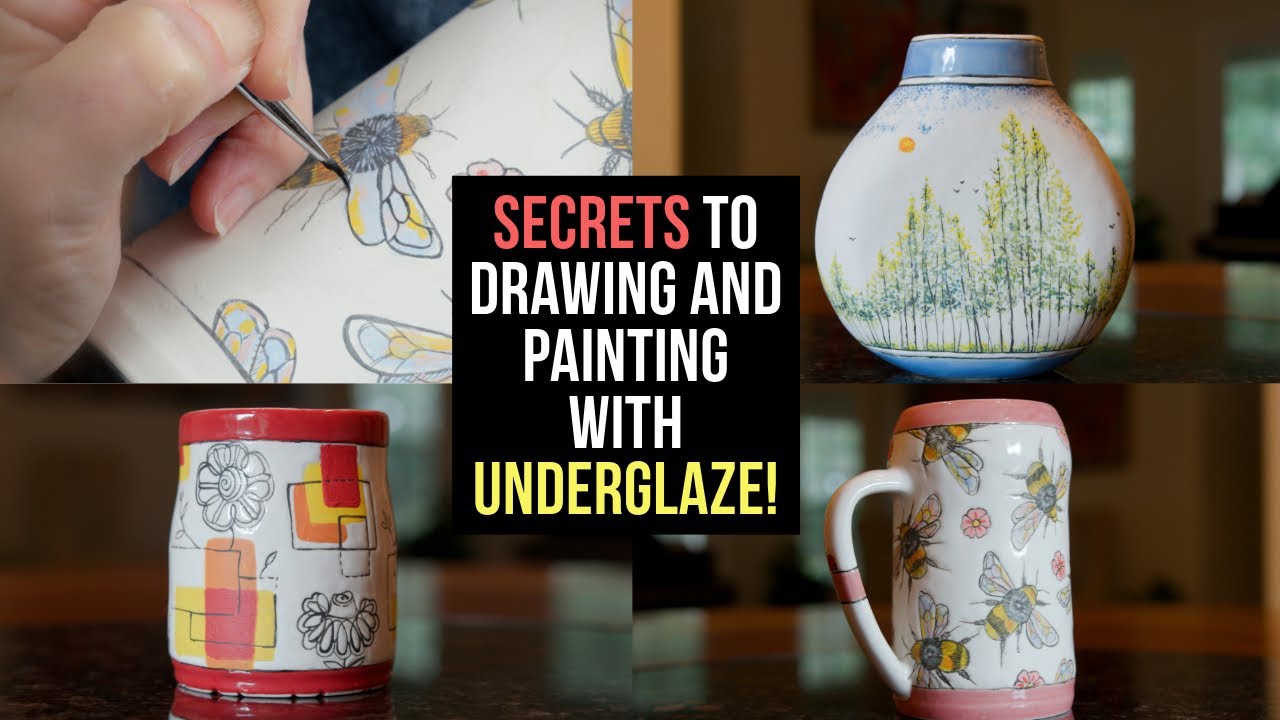
Fired clay substrate including earthenware, stoneware, and porcelain offering smooth, non-absorbent painting surface for decorative applications.
Core Properties
Ceramic surfaces provide chemically inert substrate that doesn’t interact with paint chemistry. Glazed ceramics offer completely smooth surface similar to glass.
Bisque ceramic accepts paint readily while maintaining fired clay stability. Glazed surfaces require special paints for adequate adhesion.
Technical Specifications
Firing temperatures range from 1800°F for earthenware to 2400°F for porcelain affecting surface density. Glazed surfaces feature glass-like finish requiring mechanical adhesion.
Porosity varies from dense porcelain to absorbent earthenware. Surface textures range from smooth glazed to rough unglazed finishes.
Applications & Use Cases
Decorative ceramic painting for functional pottery and artistic vessels. China painting uses specialized high-fired enamels for permanent decoration.
Tile painting for architectural and decorative installations. Ceramic artists combine painting with traditional pottery techniques.
Comparative Context
Ceramic provides excellent surface stability without flexibility concerns. More expensive than paper or canvas but offers unique aesthetic qualities.
Requires kiln firing for permanent paint adhesion in some applications. Heavier than most surfaces but lighter than stone.
Expert Considerations
Clean ceramic surfaces thoroughly to remove residual firing materials. Use paints compatible with ceramic thermal expansion.
Test paint adhesion on ceramic scraps before final application. Consider re-firing requirements for permanent decoration.
Cardboard

Corrugated or solid paperboard substrate offering inexpensive, temporary painting surface for studies and experimental work.
Core Properties
Cardboard provides absorbent surface similar to paper but with increased structural rigidity. Corrugated construction offers lightweight strength for larger formats.
Illustration board combines paper surface with cardboard backing for improved stability. Corrugated cardboard provides temporary rigidity at minimal cost.
Technical Specifications
Available in weights from 125gsm to 400gsm with single or double corrugated construction. Acid-free options provide better archival properties.
Surface textures range from smooth illustration board to textured presentation boards. Some cardboard includes clay coating for improved paint acceptance.
Applications & Use Cases
Student artwork and practice paintings benefit from low cost and availability. Temporary displays and presentations use cardboard for lightweight portability.
Children’s art activities utilize cardboard for safe, inexpensive creativity. Prototype and mockup work before committing to premium surfaces.
Comparative Context
Cardboard costs significantly less than all other painting surfaces. Less durable than paper with shorter archival life expectancy.
Lighter than wood panels but heavier than single paper sheets. Accepts most paint types but may buckle with excessive moisture.
Expert Considerations
Seal cardboard edges to prevent moisture absorption and warping. Consider archival limitations for permanent artwork.
Prime absorbent cardboard surfaces to prevent excessive paint absorption. Handle carefully to avoid crushing corrugated structure.
FAQ on Best Surface For Painting
What surface should beginners start with for painting?
Canvas boards offer the best entry point for new painters. They’re affordable, stable, and work well with acrylic painting techniques.
Unlike stretched canvas, boards don’t require special storage or framing considerations. Most art stores stock various sizes, making them accessible for practice work and skill development.
How do I choose between canvas and wood panels?
Canvas flexibility suits loose, expressive painting styles while wood panels provide rigid stability for detailed work. Consider your technique and artistic goals.
Panels cost more initially but eliminate stretching and keying maintenance. Canvas offers traditional feel but requires proper storage to prevent damage or sagging over time.
Which surface works best for oil painting?
Linen canvas remains the gold standard for oil painting due to its archival quality and paint adhesion properties. Professional artists prefer its durability and surface texture.
Wood panels also work excellently, especially for detailed techniques requiring stable support. Both surfaces accept multiple paint layers without compromising structural integrity or color quality.
Can I use regular paper for acrylic paints?
Regular paper lacks proper sizing for acrylic applications and will buckle or deteriorate quickly. Acrylic paper or canvas paper provides necessary durability and paint adhesion.
These specialized papers feature treatments that prevent excessive moisture absorption while maintaining dimensional stability. They cost slightly more but deliver significantly better results than standard paper options.
What’s the difference between primed and unprimed canvas?
Primed canvas includes gesso coating that seals fibers and creates optimal paint adhesion surface. Unprimed canvas absorbs paint directly into fibers, causing staining and degradation.
Most artists prefer primed surfaces for consistent results. Unprimed canvas requires manual preparation with multiple gesso coats, adding time and cost to your painting process.
How important is canvas weight for painting quality?
Canvas weight directly affects surface stability and paint handling characteristics. Heavy canvas (12-15oz) provides better stability for aggressive brushwork and multiple paint layers.
Light canvas (7-10oz) suits smaller works and gentle techniques but may sag over time. Medium weights (10-12oz) offer balanced performance for most painting applications and skill levels.
Should I stretch my own canvas or buy pre-stretched?
Pre-stretched canvas saves time and ensures proper tension for immediate painting. Stretching your own canvas allows size customization and quality control but requires experience and tools.
Professional artists often prefer custom stretching for specific dimensions or premium materials. Beginners benefit from pre-stretched options until developing stretching skills and workshop capabilities.
What surface works best for watercolor techniques?
Watercolor paper specifically designed for wet media prevents buckling and provides proper paint absorption. Cold-pressed paper offers moderate texture suitable for most techniques.
Paper weight matters significantly – 140lb minimum prevents warping, while 300lb paper eliminates buckling entirely. Hot-pressed paper suits detailed work while rough paper accommodates bold, expressive applications.
Can I paint on metal or glass surfaces?
Metal and glass require specialized paints and surface preparation for proper adhesion. Enamel paints work best on these non-porous surfaces.
Clean surfaces thoroughly with degreasing agents before painting. Light sanding improves mechanical adhesion on smooth surfaces. Consider thermal expansion effects in varying temperature environments for best results.
How do I prepare different surfaces for painting?
Each surface requires specific preparation methods. Canvas needs proper stretching and priming, wood panels require sealing and gesso application, paper may need stretching to prevent warping.
Metal surfaces need degreasing and light sanding. Clean all surfaces thoroughly before priming a canvas or applying base coats. Proper preparation prevents paint adhesion failures and extends artwork longevity.
Conclusion
Selecting the best surface for painting transforms your artistic practice from frustrating experiments to confident creation. Each substrate offers unique advantages that directly impact your painting’s longevity and visual appeal.
Canvas remains the versatile foundation for most artists, combining portability with proven archival quality. Wood panels provide unmatched stability for detailed work requiring precise brushstrokes and layering techniques.
Paper surfaces excel for studies and watercolor painting applications while keeping costs manageable. Alternative surfaces like metal, glass, and fabric expand creative possibilities for contemporary artistic expression.
Surface preparation determines success regardless of your chosen substrate. Proper priming, sizing, and cleaning prevent adhesion failures that compromise artistic vision and material investment.
Consider your preferred painting mediums, working style, and long-term goals when making surface decisions. Quality substrates cost more initially but deliver superior results that justify the investment.
Start with proven surfaces like primed canvas or wood panels, then experiment with alternatives as your skills develop.