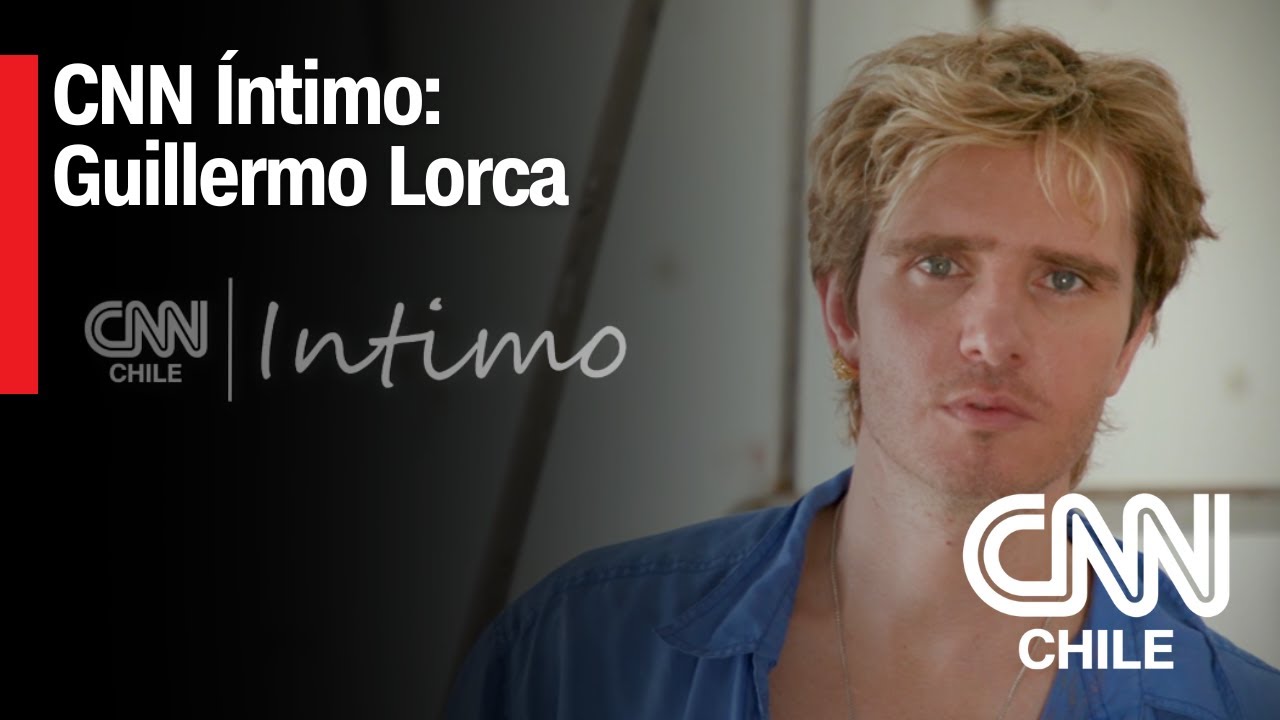
Guillermo Lorca Garcia Huidobro is a Chilean contemporary painter born in Santiago in 1984. He works primarily in large-scale oil painting, creating hyperrealistic canvases that merge classical techniques with dreamlike narratives.
His work sits at the intersection of Neo-Baroque grandeur and pop surrealism. Lorca became the youngest artist to exhibit at Chile’s National Museum of Fine Arts in 2014.
He trained under Norwegian master Odd Nerdrum and Chilean painter Sergio Montero. His active period spans from the early 2000s to present, with major works including permanent murals at Santiago’s Baquedano Metro Station and featured exhibitions at MOCO Museum Barcelona.
Identity Snapshot
Full Name: Guillermo Lorca Garcia Huidobro
Born: March 14, 1984, Santiago, Chile
Primary Roles: Painter, Muralist
Nationality: Chilean
Movements: Neo-Baroque, Pop Surrealism, Magical Realism, Contemporary Figurative Art
Mediums: Oil on canvas, acrylic on canvas, mixed media
Signature Traits: Chiaroscuro mastery, horror vacui composition, theatrical staging, muted palettes with vivid accents
Iconography: Children with colored hair, large cats, wolves, birds of prey, raw meat, fairy tale motifs
Geographic Anchors: Santiago (birthplace and studio), Norway (training), Barcelona (exhibitions)
Mentors: Odd Nerdrum, Sergio Montero, Matias Movillo
Key Patrons: Simon de Pury (curator and collaborator)
Collections and Museums: MOCO Museum Barcelona, National Museum of Fine Arts Chile, MEAM Barcelona, National Art Gallery of Bulgaria, Tang Contemporary Art
Gallery Representation: Montero Art Gallery, Tang Contemporary Art, Unit London
What Sets Guillermo Lorca Apart
Lorca paints like an Old Master who grew up on Grimm fairy tales and psychoanalytic theory. His brushwork recalls Rembrandt and Velazquez, yet his subjects belong to nightmares you half-remember from childhood.
The juxtaposition is deliberate. Innocence and menace share the same canvas.
Where most contemporary figurative painters shy from narrative, Lorca plunges into it. His canvases function as painted operas. Characters interact. Stories unfold. Danger lurks at the edges.
He employs tenebrism and sfumato alongside razor-sharp details.
This mix of soft atmospheric passages and knife-edge precision creates tension. You look at a Lorca painting and something feels wrong in the most compelling way possible.
Origins and Formation
Early Training
At 16, Lorca began studying under Chilean painter Sergio Montero. This wasn’t art school. It was private instruction focused on technique.
He entered Pontifical Catholic University of Chile in 2003. Left after a year. The academic approach didn’t match his vision.
Self-Directed Learning
Lorca taught himself by studying a book of Velazquez reproductions. Close-ups of brushwork. Paint handling. He copied what he saw.
Matias Movillo later introduced him to Baroque masters in greater depth.
Norway Apprenticeship
In 2007, at age 22, Lorca traveled to Norway. He apprenticed with Odd Nerdrum for a semester.
Nerdrum taught him what he calls “catching soul and spirit in a painting.” Technical refinement came too, but the spiritual dimension mattered more.
During this period, Lorca studied Rembrandt’s original works in the Netherlands. He wanted to see the brushstrokes in person.
First Exhibitions
2002: Group show at Chilean National Fine Arts Salon (Salon Nacional de Bellas Artes).
2007: First solo exhibition at Gallery Matthei, Santiago.
2009: Six monumental murals (340 x 300 cm each) permanently installed at Baquedano Metro Station, Santiago. He was the youngest artist to exhibit there.
The reception was immediate. Critics noted his technical command and psychological depth.
Movement and Context
Where He Sits

Lorca operates in the territory between hyperrealism, Neo-Baroque revivalism, and Pop Surrealism.
He rejects the term “realistic painter.” He’s after narrative and emotional truth, not photographic accuracy.
Comparative Analysis
Versus Odd Nerdrum: Both share Old Master techniques and psychological intensity. Nerdrum’s palette runs warmer, earthier. Lorca introduces cooler grays and more theatrical staging. Nerdrum’s figures often appear timeless. Lorca’s belong to dark fairy tales.
Versus Mark Ryden: Both work in Pop Surrealism with children as subjects. Ryden’s surfaces are porcelain-smooth, hypercontrolled. Lorca’s brushwork shows more variety, looser passages alongside tight details. Ryden’s palette skews candy-colored. Lorca’s tends muted with vivid punctuation.
Versus Michael Borremans: Both create psychologically charged figurative work. Borremans keeps compositions minimal, figures isolated. Lorca fills the canvas (horror vacui). Borremans works smaller. Lorca goes monumental.
Materials, Techniques, and Process
Supports
Large-format canvas, typically stretched. Some works exceed 300 cm in width.
He prefers working at scales where figures approach life-size or larger.
Mediums
Primarily oil paint. Sometimes combines oil and acrylic on the same canvas.
Traditional painting mediums including linseed oil for glazing passages.
Brushwork Taxonomy
Lorca employs multiple techniques across a single painting:
Tight, controlled rendering for faces and focal areas. Looser, more gestural handling in backgrounds and peripheral zones. Glazing for atmospheric depth. Scumbling for textural variety. Wet-in-wet passages for soft edges.
Palette Archetype
Dominant muted tones: grays, umbers, ochres. Temperature bias toward cool shadows, warm midtones. Vivid accents: blood reds, saturated blues (often in hair), golden yellows in light sources.
He uses color contrast strategically to direct the eye.
Studio Practice
Extensive planning before painting begins. He gathers reference images, takes photographs of models, and builds compositions digitally before touching canvas.
Sometimes combines features from multiple models. Sometimes invents characters entirely.
Works on multiple paintings simultaneously. Productivity varies with emotional state.
Themes, Subjects, and Iconography
Recurring Motifs
Children: Young girls with colored hair (blue, pink, white) appear throughout. They represent innocence, vulnerability, and the inner soul. Often positioned amid danger yet remain powerful.
Animals: Large cats with yellow eyes. Wolves. Bears. Birds of prey. Swans. They embody primal instincts and hidden fears.
Meat and Blood: Raw flesh, carcasses, blood stains. Symbols of mortality and the violence inherent in nature.
Fire and Smoke: Destruction, transformation, danger.
Compositional Schemes
Horror vacui (fear of empty space): Lorca fills canvases densely with detail.
Theatrical staging: Scenes read like moments from opera or drama. Figures interact. Tension builds.
Asymmetrical balance with strong focal points, usually centered on a child figure.
Symbol Sets
Eros and Thanatos: Freudian drives of desire and death intertwine in his work.
The Uncanny: Familiar made strange. Childhood rendered unsettling.
Beauty and Danger: Seduction and threat coexist in every scene.
Socio-Historical Triggers
Childhood fairytale illustrations by Gustave Dore shaped his visual imagination. Stories like Little Red Riding Hood and Sleeping Beauty inform the power dynamics in his paintings.
COVID-19 pandemic influenced recent work. “The Healer” and related paintings emerged from processing fears about mortality.
Notable Works
The Little Gardeners (2021)

Medium: Oil on canvas
Size: 200 x 400 cm
Location: Featured at MOCO Museum Barcelona
Visual Signature: Dense composition exemplifying horror vacui. Two young girls at center, one with blue hair stained with blood, another floating with butterfly wings. Feral animals surround them.
Why It Matters: Demonstrates Lorca’s ability to create narrative tension through juxtaposition of innocence and violence. Central work in his Barcelona exhibition.
Bird of Paradise (2019-2020)

Medium: Oil on canvas
Size: 180 x 300 cm
Location: MOCO Museum Barcelona
Visual Signature: Giant yellow-eyed cat prowling down staircase, dripping with molten lava. Two young girls lounging nearby, expressions calm despite the threat.
Why It Matters: Iconic image representing the coexistence of menace and serenity in Lorca’s universe.
Laura and the Dogs (2012)

Medium: Oil on canvas
Size: 78 3/4 x 59 inches
Location: Private collection
Visual Signature: Composite figure created by mixing multiple models. Girl character doesn’t exist in reality.
Why It Matters: Early example of Lorca’s method of constructing imaginary beings from real references.
The Black Dragon (2018)

Medium: Oil and acrylic on canvas
Size: 150 x 300 cm
Location: Private collection, Rotterdam
Visual Signature: Dramatic large-format work showcasing the interaction between mythical creatures and human figures.
The Birth of Venus (2021)

Medium: Oil on canvas
Size: 200 x 360 cm
Visual Signature: Reinterpretation of classical mythology through Lorca’s dark fairy tale lens.
Baquedano Metro Station Murals (2009)
Medium: Six mural paintings
Size: 340 x 300 cm each
Location: Permanent installation, Baquedano Metro Station, Santiago, Chile
Why It Matters: Breakthrough commission. Made Lorca the youngest artist to exhibit at the station. Works depict Chilean culture and remain on public display.
Exhibitions, Collections, and Provenance
Solo Exhibitions

“Esplendor de la Noche” (Splendor of the Night): MOCO Museum, Barcelona, 2022-2025. Curated by Simon de Pury. First European solo exhibition.
“Eternal Life”: National Museum of Fine Arts, Chile, 2014. Made him youngest artist to solo exhibit there.
“Nocturnal Animals”: GAM Cultural Center, Santiago.
“The Encounter”: El Tranque Cultural Center, Santiago.
“The Shine In The Other Room”: Tang Contemporary Art, Seoul, 2024.
Asprey Exhibition: London, 2019.
Hilario Galguera Gallery: Mexico City, 2012.
Museums with Depth
MOCO Museum Barcelona (multiple works on extended display).
National Museum of Fine Arts, Chile.
MEAM (European Museum of Modern Art), Barcelona.
National Art Gallery of Bulgaria, Sofia.
Gallery Representation
Tang Contemporary Art (Seoul, Hong Kong, Singapore, Beijing).
Montero Art Gallery (Germany).
Unit London.
Critical Turning Points
Simon de Pury discovering Lorca’s work on Instagram accelerated international exposure. The MOCO Museum exhibition followed.
2010 inclusion in list of 100 young leading persons of Chile marked early recognition.
Market and Reception
Auction and Sales
Lorca’s works sell primarily through gallery representation rather than auction.
Tang Contemporary Art and Montero Art Gallery handle current sales. Prices available on enquiry.
Works regularly sell out. “Animal God” (2021) and “The Gardeners” both marked as sold through Montero Art Gallery.
Format Patterns
Large-scale works (200+ cm) command premium interest.
Limited edition giclees with artist intervention also available.
Critical Reception
Featured in Art Market Magazine (Gold List Award Artist), Fine Art Connoisseur, The Straits Times, Korea Herald.
Described as “terribly beautiful” by critics. Praised for technical command and psychological depth.
Authentication
Works signed by artist. Gallery provenance documentation standard.
Influence and Legacy
Upstream Influences
Rembrandt van Rijn: Chiaroscuro, psychological depth, brushwork.
Diego Velazquez: Technical mastery, value structure, paint handling.
Gustave Dore: Fairy tale illustrations, narrative drama, dark romanticism.
Peter Paul Rubens: Theatrical composition, flesh rendering, dynamic figures.
Caravaggio: Tenebrism, dramatic lighting.
Odd Nerdrum: Spiritual approach to figurative painting, Old Master revival.
Hieronymus Bosch: Fantastical creatures, symbolic density, moral allegory.
Downstream Influence
Lorca represents a new wave of Latin American figurative painters gaining international recognition.
His Instagram presence (497K+ followers) introduces classical technique to younger audiences.
He demonstrates that narrative figurative painting remains viable in contemporary art markets dominated by abstraction and conceptualism.
Cross-Domain Echoes
Film: Appeared as himself in “Summer of the Flying Fish” (2013) by Marcela Said.
His aesthetic influences fantasy illustration, film concept art, and dark fantasy visual culture.
How to Recognize a Guillermo Lorca at a Glance

Scale: Look for large format. Most significant works exceed 150 cm in at least one dimension.
Subject Matter: Young girls with unnatural hair colors (blue, pink, white). Large cats with intense yellow eyes. Wolves, bears, birds of prey. Raw meat or blood present in many compositions.
Lighting: Strong chiaroscuro. Dramatic contrast between light and shadow. Light sources often theatrical, suggesting spotlights or flames.
Composition: Dense, filled canvases (horror vacui). Theatrical staging with multiple figures interacting. Narrative tension between innocence and danger.
Brushwork: Mix of tight rendering (faces, focal areas) and looser passages (backgrounds). Classical technique visible in flesh tones and fabric.
Palette: Muted overall with vivid accents. Cool shadows. Punctuations of saturated red, blue, or gold.
Mood: Uncanny. Beautiful but unsettling. Fairy tale darkness. Something feels wrong.
Technical Markers: Sfumato transitions in atmospheric passages. Hard edges where figures meet backgrounds. Glazed darks creating depth.
Signature Placement: Typically signed “Guillermo Lorca” in lower corners.
Canvas Proportions: Often horizontal panoramic formats for major narrative works. Square or vertical formats for portraits and smaller studies.
FAQ on Guillermo Lorca
Who is Guillermo Lorca?
Guillermo Lorca Garcia Huidobro is a Chilean contemporary painter born in Santiago in 1984. He creates large-scale oil paintings that blend Neo-Baroque techniques with pop surrealism and magical realism.
His work features children, wild animals, and dreamlike narratives.
What style does Guillermo Lorca paint in?
Lorca works in a style combining Renaissance and Baroque influences with fantasy elements. Critics categorize his work as magical realism and contemporary figurative art.
He rejects being called a realistic painter, prioritizing narrative over photographic accuracy.
Where did Guillermo Lorca study art?
Lorca trained privately under Chilean painter Sergio Montero starting at age 16. He briefly attended Pontifical Catholic University of Chile but left, feeling constrained.
In 2007, he apprenticed with Norwegian master Odd Nerdrum in Norway.
What are Guillermo Lorca’s most famous paintings?
“The Little Gardeners” (2021) and “Bird of Paradise” (2019) are among his most recognized works. Both feature at MOCO Museum Barcelona.
His Baquedano Metro Station murals in Santiago remain iconic public art pieces.
Where can I see Guillermo Lorca’s art?
MOCO Museum Barcelona hosts his exhibition “Esplendor de la Noche.” His work also appears at Tang Contemporary Art galleries in Seoul and Hong Kong.
Permanent murals exist at Santiago’s Baquedano Metro Station.
What subjects does Guillermo Lorca paint?
Lorca paints young girls with colored hair, large cats, wolves, bears, and birds of prey. Raw meat and blood appear frequently.
His dreamlike imagery explores tensions between innocence and danger, beauty and violence.
What techniques does Guillermo Lorca use?
Lorca employs classical techniques including gradation and layered glazing. He mixes tight rendering with looser brushwork across single canvases.
His tonal control creates dramatic light and shadow effects.
Who influenced Guillermo Lorca’s artistic style?
Francisco Goya, Velazquez, and Rembrandt shaped his technical approach. Gustave Dore’s fairy tale illustrations influenced his narrative sensibility.
Odd Nerdrum taught him the spiritual dimension of figurative painting.
How much do Guillermo Lorca paintings cost?
Lorca’s works sell through galleries including Tang Contemporary Art and Montero Art Gallery. Prices are available on enquiry.
Large-scale original paintings command premium prices. Limited edition giclees offer more accessible entry points.
Why are children featured in Guillermo Lorca’s paintings?
Children represent innocence, vulnerability, and the inner soul in Lorca’s symbolic vocabulary. They often appear amid danger yet remain powerful figures.
Childhood emotions and fairy tale narratives drive his visual storytelling approach.
Conclusion
Guillermo Lorca stands as a singular voice in contemporary figurative art. His large-scale canvases merge classical technique with dark fantasy narratives that feel both timeless and unsettling.
Few painters today command such technical mastery while maintaining genuine emotional depth.
His work proves that symbolism and visual storytelling remain powerful tools. The Santiago art scene produced him, but international galleries and museums now claim him.
For collectors and art enthusiasts drawn to imaginative realism and psychological complexity, Lorca’s painted operas offer something rare: beauty that haunts you long after viewing.