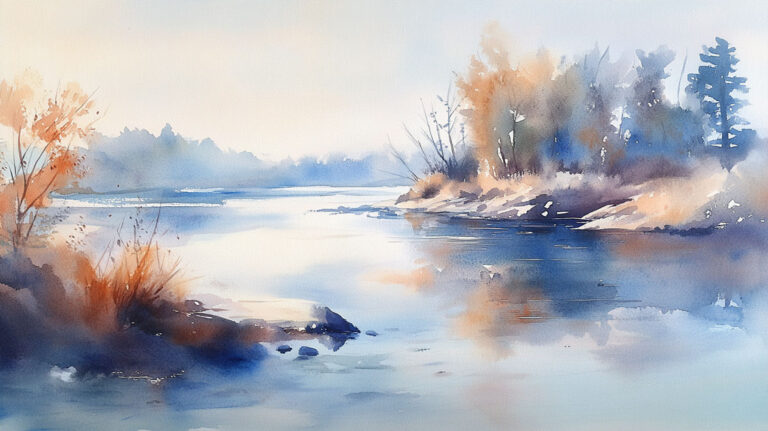
That first pristine white highlight can make or break your watercolor painting. Learning how to use masking fluid properly transforms amateur watercolors into professional-looking artwork with crisp, clean whites that pop off the paper.
Most artists struggle with preserving white spaces while building complex washes and layers. Liquid frisket solves this problem completely when applied correctly.
This guide covers everything from selecting the right masking solution to advanced removal techniques.
You’ll discover application methods, timing strategies, and professional cleanup procedures that prevent common disasters.
By the end, you’ll confidently preserve highlights, create sharp edges, and build complex compositions without losing those crucial white areas that bring paintings to life.
Tools and Materials You’ll Need

Selecting the Right Masking Fluid
Winsor & Newton Art Masking Fluid remains the gold standard for most artists. The tinted formula helps you see exactly where you’ve applied it.
Schmincke Masking Fluid offers excellent removability on different paper types. Daniel Smith Masking Fluid works particularly well for detailed line work.
Tinted vs Clear Formulas
Tinted masking solutions make application tracking much easier. You can see missed spots immediately.
Clear formulas work better when you’re layering transparent watercolor painting washes. They won’t affect your color theory planning.
Paper Compatibility Considerations
Arches watercolor paper handles masking fluid removal beautifully. The cotton fibers resist tearing during the rubbing process.
Hot press papers need gentler removal techniques. Cold press surfaces grip masking fluid more firmly.
Application Tools and Brushes
Dedicated masking brushes save your good watercolor brushes from damage. Never use your expensive sable brushes for this job.
Cheap synthetic brushes work perfectly for masking fluid application. Replace them frequently since the dried fluid ruins bristles quickly.
Alternative Application Methods
Old credit cards create perfect straight edges for geometric designs. Toothpicks excel at tiny detail work and line creation.
Sponges produce interesting texture effects when dabbed into wet masking solution. Cotton swabs handle delicate highlight preservation.
Tools to Avoid Using
Princeton watercolor brushes and other quality brushes should never touch masking fluid. The dried medium permanently damages natural bristles.
Metal tools can scratch watercolor paper surfaces. Avoid palette knives for masking fluid application.
Application Techniques Step by Step

Preparing Your Workspace
Ventilation requirements matter more than most artists realize. Open windows or use a fan when working with liquid frisket.
Cover your palette and nearby surfaces with plastic wrap. Dried masking fluid becomes nearly impossible to remove from porous surfaces.
Basic Application Methods
Brush Application Technique
Load your disposable brush with masking solution, but don’t overload it. Think of painting with honey rather than water.
Work quickly before the fluid starts thickening on your brush. Clean the brush tip frequently in soapy water.
Apply thin, even coats rather than thick globs. Thick applications take forever to dry and may peel off in chunks.
Pen and Fine Detail Work
Technical pens filled with masking fluid create incredibly precise lines. This technique works brilliantly for architectural details or botanical illustration.
Rapidograph pens handle masking solutions well if you clean them immediately after use. Never let the fluid dry inside the pen mechanism.
Creating Different Effects
Straight Lines and Geometric Shapes
Masking tape creates perfect edges for geometric abstract work. Press the edges down firmly to prevent bleeding.
Rulers and straight edges help guide brush strokes for architectural elements. Keep the tool steady and move the brush smoothly.
Organic Shapes and Natural Forms
Natural sea sponges create realistic cloud textures when dabbed into masking fluid. Vary the pressure for different densities.
Crumpled plastic wrap produces interesting organic patterns. Press it into wet masking fluid for unique form variations.
Splattering and Texture Effects
Load an old toothbrush with masking fluid for realistic water droplet effects. Run your thumb across the bristles while pointing away from your work.
Spray bottles create fine misting effects perfect for fog or atmospheric conditions. Adjust the nozzle for different droplet sizes.
Working Around Masked Areas

Planning Your Painting Sequence
Which areas to mask first depends entirely on your composition goals. Start with the smallest details that need the whitest whites.
Consider your light source when planning mask placement. Areas receiving direct light need the strongest protection.
Layering Multiple Masking Stages
Remove early masks to paint mid-tones, then apply new masks over dried paint. This builds complex layered effects impossible with single masking.
Timing considerations become critical with multiple layers. Each paint layer must dry completely before applying new masking fluid.
Painting Techniques with Masks in Place
Applying Washes Over Masked Areas
Wet-on-dry techniques work best over masked surfaces. The raised texture of dried masking fluid can disturb wet-on-wet applications.
Use confident brush strokes rather than scrubbing motions. Scrubbing can lift edges of the masking material.
Building Color Intensity Gradually
Start with light washes and build value gradually. Each layer should dry completely before adding the next.
Holbein Masking Fluid handles multiple paint layers particularly well without becoming difficult to remove.
Working Wet-on-Wet Around Masks
Plan your wet areas carefully to avoid the masked zones. The raised texture disrupts smooth color flow.
Pre-wet only the areas you want to blend. Keep a damp brush ready to soften harsh edges where needed.
Avoiding Mask Damage During Painting
Gentle brush pressure prevents mask lifting. Heavy scrubbing can pull up edges and create unwanted paint bleeds.
Use natural sea sponges for lifting techniques rather than brushes near masked areas. Sponges won’t catch mask edges like bristles do.
Problem-Solving Common Issues
Masking Fluid Bleeding Under Edges
Paper towels help blot excess fluid before it spreads under mask edges. Work quickly while the fluid remains workable.
Press mask edges down firmly after application. Use a bone folder or credit card edge for perfect contact.
Paint Seeping Through Thin Areas
Thin masking applications often fail completely. Apply second coats to questionable areas while the first coat remains slightly tacky.
Check your application in raking light to spot thin coverage before painting. Prevention works better than attempted fixes.
Uneven Application Problems
Spray bottle misting can help even out thick applications while they’re still wet. Light misting dissolves slight thickness variations.
Work in smaller sections to maintain wet edges. Large areas often dry unevenly, creating application problems.
Removal Techniques and Timing

When to Remove Masking Fluid
Optimal drying time varies significantly with humidity and temperature. Touch the masked area lightly with your fingertip to test readiness.
The surface should feel completely dry but still slightly flexible. Overly brittle masking fluid often tears paper during removal.
Paint Layer Considerations
Wait until your final paint layer reaches complete dryness before removal. Wet paint can smear disastrously when you rub off the masking material.
Pebeo Drawing Gum works exceptionally well with multiple paint layers. It maintains flexibility longer than most alternatives.
Weather and Humidity Factors
High humidity extends drying times dramatically. Plan extra waiting time on damp days.
Forced air heating can make masking fluid too brittle. Avoid removal on extremely dry winter days when possible.
Safe Removal Methods
Finger Rubbing Technique
Start from one corner and roll the dried fluid gently with your fingertip. Work slowly to avoid paper tears.
Clean hands prevent oil transfer to your watercolor paper. Wash thoroughly before starting removal.
Eraser Removal Approach
Kneaded erasers work brilliantly for stubborn masking fluid removal. They lift material without abrading paper surfaces.
White vinyl erasers provide more aggressive removal power for thick applications. Use light pressure initially.
Specialized Removal Tools
Rubber cement pickup tools excel at masking fluid removal. They grab dried material without damaging paper fibers.
Masking film peels off cleanly when applied correctly. This technique works best on hot press papers.
What Not to Use for Removal
Never use metal tools or sharp implements for removal. Paper damage occurs instantly with wrong tools.
Avoid solvent-based removers that can dissolve paint layers underneath. Stick to mechanical removal methods only.
Dealing with Stubborn or Damaged Masks
Partial Removal Situations
Heat from a hair dryer can soften overly brittle masking fluid. Use low heat and keep moving to prevent paper damage.
Spray bottle misting sometimes helps with partial removal problems. Light moisture can restore flexibility.
Repairing Torn Paper
Small tears respond well to careful paper fiber realignment. Work the torn edges together gently with clean fingers.
Severe tears may require localized paper patching. This advanced technique needs practice on test sheets first.
Fixing Over-Dried Masking Fluid
Steam from boiling water can help revive over-dried applications. Hold paper safely above steam briefly.
Sennelier Masking Fluid tends to remain workable longer than other brands in dry conditions.
Advanced Masking Strategies
Multiple Layer Masking
Building Complex Compositions
Plan your masking sequence like a composition roadmap. Each stage should build toward your final vision systematically.
Royal Talens Masking Fluid handles complex layering particularly well without becoming permanently bonded to paper.
Timing Multiple Mask Applications
Remove first-stage masks after initial washes dry completely. Apply second-stage masks over painted areas for complex effects.
This technique creates depth impossible with single masking sessions. Plan at least three distinct masking phases for best results.
Creating Depth and Dimension
Use masks to preserve different value levels throughout your painting process. Lightest areas get masked first and longest.
Golden Artist Colors Masking Fluid maintains excellent adhesion through multiple paint applications.
Combining Masking with Other Techniques
Salt and Alcohol Effects
Apply salt or alcohol to wet paint areas adjacent to masked zones. The contrast creates dramatic textural differences.
Masked areas remain pristine while surrounding zones develop complex surface treatments. This combination works brilliantly for natural subjects.
Lifting and Scraping Methods
Natural sea sponges lift paint effectively around masked areas without disturbing mask edges. Time the lifting while paint remains workable.
Plastic wrap pressed into wet paint creates organic textures that complement sharp mask edges beautifully.
Mixed Media Applications
Combine masking fluid with wax resist for complex surface effects. Each material resists water differently, creating varied results.
Liquitex Masking Fluid integrates well with other resist materials in mixed media approaches.
Creative and Experimental Uses
Negative Space Design
Plan your negative shape areas as carefully as positive forms. Masking fluid makes negative space preservation effortless.
Consider how white areas will interact with your overall color harmony scheme.
Abstract Pattern Creation
Daler Rowney Masking Fluid flows beautifully through technical pens for precise abstract pattern work. Clean pens immediately after use.
Combine geometric and organic masking patterns for dynamic abstract compositions.
Photo-Realistic Detail Work
Use masking fluid to preserve individual hair strands in portrait work. This technique demands patience but produces stunning results.
Schmincke Masking Fluid offers excellent precision for hyperrealistic detail preservation.
Common Mistakes and How to Avoid Them

Application Errors
Too Thick or Thin Application
Thick applications take forever to dry and often peel off in unwanted chunks. Aim for honey-like consistency in your brush loading.
Thin applications fail completely, allowing paint to seep through. Apply two thin coats rather than one questionable layer.
Brush Stroke Visibility Issues
Visible brush strokes in dried masking fluid create unwanted texture in your finished whites. Use stippling motions for smooth coverage.
Holbein Masking Fluid levels beautifully when applied with dabbing motions rather than brush strokes.
Incomplete Coverage Problems
Check your masking application in raking light before painting. Thin spots become obvious disasters after paint application.
Overlap your brush strokes slightly to ensure complete coverage. Better to overapply than underapply in critical areas.
Timing Mistakes
Removing Too Early or Late
Premature removal while paint remains wet causes immediate smearing disasters. Test paint dryness in inconspicuous areas first.
Late removal after weeks can bond masking fluid permanently to paper. Remove within 24-48 hours when possible.
Painting Before Masks Cure
Wet masking fluid dissolves instantly when paint touches it. Wait for complete drying before applying any watercolor painting techniques.
Winsor & Newton Art Masking Fluid indicates readiness with a matte surface appearance when fully cured.
Storage and Shelf Life Issues
Old masking fluid becomes stringy and difficult to apply smoothly. Replace bottles after 6-12 months of regular use.
Refrigeration extends shelf life significantly for opened bottles. Bring to room temperature before use.
Paper and Surface Damage
Preventing Paper Tears
Gentle removal pressure prevents most paper damage during mask removal. Rush removal causes most tear problems.
Work removal in small sections rather than attempting large area removal at once.
Avoiding Residue Problems
Some masking fluids leave slight residue that affects paint adhesion. Test removal on paper scraps before important work.
Daniel Smith Masking Fluid typically removes cleanly without residue when used properly.
Surface Texture Preservation
Aggressive removal can flatten paper texture permanently. Maintain the original paper texture through gentle technique.
Hot press papers require extra care during removal to prevent surface damage.
Cleanup and Brush Maintenance
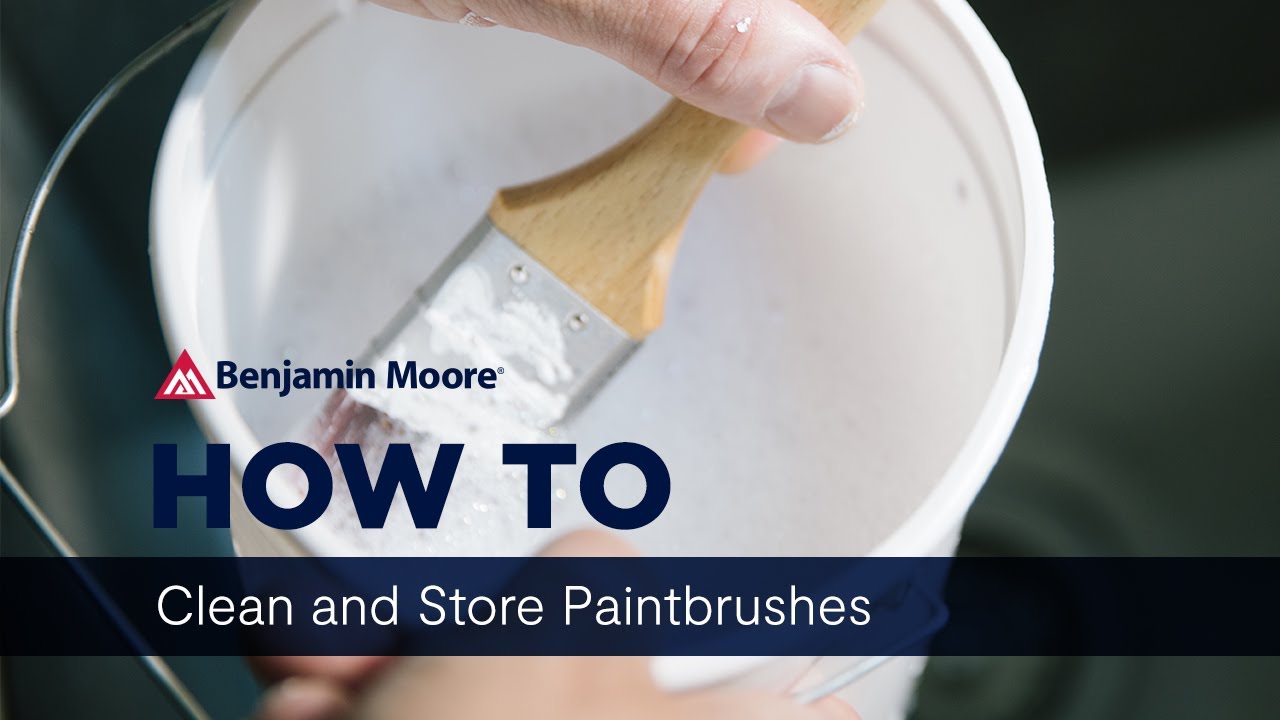
Immediate Cleanup Procedures
Cleaning Brushes During Use
Soapy water saves brushes from permanent damage during masking fluid sessions. Keep a jar ready beside your palette.
Rinse brush tips every few minutes to prevent buildup. Dried masking solution ruins bristles instantly.
Workspace Maintenance
Cover your palette with plastic wrap before starting any masking work. Paper towels won’t remove dried fluid from porous surfaces.
Clean spills immediately with damp cloth and mild soap. Once dry, masking fluid becomes nearly impossible to remove from most surfaces.
Preventing Fluid from Hardening
Royal Talens Masking Fluid stays workable longer when you add a drop of water to the bottle occasionally.
Replace bottle caps tightly after each use. Air exposure thickens the fluid rapidly.
Long-term Brush Care
Deep Cleaning Methods
Murphy’s Oil Soap dissolves stubborn masking fluid residue better than regular dish soap. Soak damaged brushes overnight for best results.
Escoda watercolor brushes respond well to gentle soap treatment when masking residue hardens accidentally in bristles.
Warm water works better than cold for deep cleaning. Never use hot water as it can loosen ferrule bonds.
Brush Conditioning and Storage
Restoring Brush Tips
Gentle reshaping while damp restores brush points damaged by masking fluid exposure. Work bristles between clean fingers carefully.
Da Vinci watercolor brushes maintain their shape well after proper cleaning and conditioning treatment.
Storage Best Practices
Store clean brushes tip-up in containers to maintain proper shape. Horizontal storage can bend tips permanently.
Moth protection becomes necessary for natural hair brushes in storage. Cedar blocks work better than chemical mothballs.
When to Replace Damaged Brushes
Kolinsky sable brushes cost too much to risk with masking fluid application. Replace cheap synthetic brushes regularly instead.
Split or frayed tips indicate permanent brush damage from dried masking material. Replace these brushes immediately.
Proper Storage of Materials
Masking Fluid Storage Tips
Refrigeration extends masking fluid shelf life significantly for opened bottles. Bring to room temperature before use.
Store bottles upright to prevent cap sealing problems. Dried fluid in bottle threads makes opening impossible.
Preventing Contamination
Keep water containers separate from masking fluid workspace. Cross-contamination ruins both materials quickly.
Use dedicated tools only for masking applications. Never mix masking and regular painting implements.
Extending Product Shelf Life
Winsor & Newton Art Masking Fluid maintains quality longer when stored in cool, dark locations away from direct sunlight.
Add distilled water drops to thickening masking fluid to restore proper consistency. Regular tap water can introduce impurities.
Emergency Cleanup Solutions
Removing Dried Spills
Rubber cement pickup tools work excellently for dried masking fluid removal from non-porous surfaces like palettes.
Steam treatment sometimes softens stubborn dried spills enough for mechanical removal. Use minimal moisture to prevent spreading.
Salvaging Contaminated Materials
Brushes with minor masking residue often recover with extended soap soaking treatment. Don’t discard expensive brushes too quickly.
Schmincke Masking Fluid typically cleans up more easily than budget alternatives when accidents occur.
Tool Replacement Guidelines
Replace masking brushes monthly with regular use. Synthetic watercolor brushes cost little enough to treat as disposable for masking work.
Technical pens require immediate cleaning or permanent replacement after masking fluid exposure. Never delay pen maintenance.
Professional Cleanup Tips
Studio Organization
Dedicated masking stations prevent contamination of regular watercolor painting supplies. Keep these areas completely separate.
Label all masking tools clearly to prevent accidental use with good brushes. Color coding helps distinguish tool purposes.
Waste Disposal Methods
Dried masking fluid peels scrape into regular trash disposal. Liquid waste requires proper ventilation during cleanup.
Never pour liquid masking materials down drains. The material can harden in plumbing systems.
Health and Safety Considerations
Ventilation becomes critical during extended cleanup sessions. Open windows or use exhaust fans consistently.
Avoid skin contact with liquid masking solutions during cleanup. Some formulations can cause sensitivity reactions with prolonged exposure.
FAQ on How To Use Masking Fluid
What is masking fluid and how does it work?
Masking fluid is a liquid latex resist that dries to form a protective barrier over watercolor paper. It prevents paint from reaching the paper surface, preserving white areas and highlights during watercolor painting sessions.
Which brushes should I use for masking fluid application?
Use cheap synthetic brushes exclusively for masking fluid work. Never use expensive brushes for watercolor painting like sable or squirrel hair brushes, as dried masking solution permanently ruins natural bristles.
How long should masking fluid dry before painting?
Complete drying typically takes 30-60 minutes depending on humidity and temperature. Test by lightly touching the surface – it should feel dry and slightly flexible before applying any paint washes.
What’s the best technique for removing dried masking fluid?
Gentle finger rubbing works best for most situations. Start from one corner and roll the dried material slowly. Rubber cement pickup tools or clean erasers provide alternatives for stubborn areas.
Can I leave masking fluid on paper for weeks?
Remove masking fluid within 24-48 hours when possible. Extended exposure can bond permanently to paper fibers, especially on textured surfaces, making clean removal difficult or impossible.
Which masking fluid brand works best for beginners?
Winsor & Newton Art Masking Fluid offers excellent beginner-friendly properties with good removability and visible tinted color for easy application tracking. Schmincke and Daniel Smith provide quality alternatives.
How do I prevent masking fluid from damaging my paper?
Apply thin, even coats rather than thick applications. Work on quality watercolor paper like Arches or Fabriano, which handle removal better than student-grade papers with weaker fiber construction.
What should I do if masking fluid won’t come off?
Try gentle steam treatment from boiling water held safely above the stuck areas. Light moisture can restore flexibility to over-dried masking material for easier removal.
How do I clean brushes after using masking fluid?
Immediate cleaning with warm soapy water prevents permanent brush damage. Keep brushes wet during work sessions and clean thoroughly with Murphy’s Oil Soap for deep cleaning.
Can I apply masking fluid over dried paint layers?
Yes, masking fluid works over completely dry paint for complex layering effects. This technique allows building sophisticated compositions with multiple preserved value levels throughout the painting process.
Conclusion
Mastering how to use masking fluid opens up creative possibilities that transform ordinary watercolors into stunning works with crisp highlights and complex layered effects. The techniques covered here provide the foundation for professional-quality results.
Remember that proper brush maintenance and timing prevent most common problems. Liquid frisket demands respect but rewards careful application with pristine white preservation.
Start with simple projects using brands like Pebeo Drawing Gum or Holbein Masking Fluid before attempting complex multi-stage masking. Practice removal techniques on test sheets first.
The key lies in planning your resist medium applications like you’d plan your painting mediums strategy. Each masked area should serve your overall emphasis and focal point goals.
With these watercolor resist techniques mastered, you’ll confidently preserve highlights while building rich, complex washes that make your paintings shine.