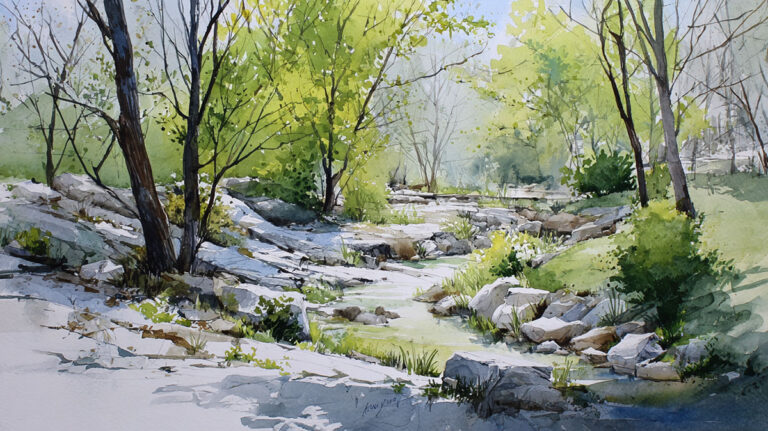
Ocean waves crash against rocky shores, their foam patterns creating endless inspiration for marine artists worldwide.
Learning how to paint a seascape requires understanding water movement, color theory, and specialized brushwork techniques that capture the sea’s dynamic energy.
Many artists struggle with creating convincing wave motion and realistic water depth. The ocean’s constant movement presents unique challenges that differ from still life or portrait work.
This guide covers everything from gathering ocean photography references to mastering atmospheric perspective effects.
You’ll discover specific brushstroke patterns for different wave types, color mixing techniques for realistic seawater, and methods for painting convincing foam and spray.
Whether you prefer oil painting, watercolor, or acrylic techniques, these methods will help you create marine landscapes with genuine depth and movement.
Gathering Reference Materials and Planning

Building Your Visual Library
Ocean photography forms the backbone of any successful marine painting. Capture wave patterns during different weather conditions and times of day.
Study how light reflects off moving water surfaces. Notice how foam patterns change as waves break against rocks or shorelines.
Learning from the Masters
Study works by J.M.W. Turner for dramatic seascapes with powerful atmospheric effects. His maritime paintings show how to capture both calm and stormy seas.
Claude Monet painted numerous coastal scenes that demonstrate impressionism techniques for water movement. His loose brushwork captures the essence of ocean motion.
Ivan Aivazovsky mastered the art of painting translucent waves and spray effects. His seascapes show incredible depth and water transparency.
Planning Your Seascape Subject
Choose between calm morning waters or dramatic storm conditions. Each presents different challenges for capturing wave motion and sea foam.
Tidal movements affect your composition significantly. Low tide reveals more shoreline details and rock formations.
Consider the time of day carefully. Golden hour light creates warm reflections on water surfaces, while overcast conditions produce softer, more muted tones.
Compositional Studies
Create thumbnail sketches to plan your wave flow and energy patterns. Map out where foam will appear brightest against darker water.
Plan your focal point placement using composition principles. Often, breaking waves or spray patterns work well as primary focal areas.
Study atmospheric perspective effects in your reference photos. Distant water appears lighter and less detailed than foreground waves.
Paint Selection and Color Theory for Seascapes

Essential Seascape Colors
Build your palette around ultramarine blue and Prussian blue for deep water tones. These primary colors form the foundation of realistic ocean painting.
Add titanium white for foam and spray effects. Mix it with blues to create various water transparency levels.
Include warm colors like cadmium orange and yellow ochre for reflected sunlight on waves.
Understanding Water Color Mixing
Ocean water contains multiple hue variations. Mix blues with slight amounts of green for shallow coastal areas.
Deep water colors require darker blue mixtures. Add tiny amounts of burnt umber to create natural ocean depth.
For realistic foam patterns, mix titanium white with touches of yellow ochre or Naples yellow. Pure white foam looks artificial against natural seawater colors.
Color Temperature in Marine Environments
Warm and cool color relationships create depth in seascapes. Foreground waves often appear warmer due to reflected light.
Background water should lean toward cooler temperatures. This helps establish atmospheric perspective in your marine landscape.
Study how complementary colors work in ocean scenes. Orange sunlight creates beautiful contrast against blue water.
Working with Different Painting Mediums
Oil painting allows extended blending time for smooth water transitions. The slow drying time helps achieve soft wave edges.
Watercolor painting excels at capturing transparent water effects. Wet-on-wet techniques create natural-looking wave flows.
Acrylic painting dries quickly, making it ideal for layering foam details over base water colors.
Brushwork Techniques for Water Movement

Choosing the Right Brushes
Flat brushes work best for broad water surface areas. Use horizontal strokes to establish calm water movement patterns.
Round brushes excel at painting wave details and curved water forms. They’re perfect for capturing spray patterns and foam textures.
Fan brushes create excellent spray effects and water texture. Light touches produce realistic ocean spray patterns.
Directional Brushstrokes for Motion
Horizontal strokes suggest calm water surfaces and gentle tidal movements. Follow the natural flow direction of your waves.
Use curved brushstrokes to follow wave formations. Start at the wave base and curve upward toward the crest.
Vertical strokes work well for waterfalls, spray patterns, and foam cascading down wave faces.
Creating Water Depth Through Layering
Start with underpainting in darker water base tones. This establishes your deepest ocean colors and overall value structure.
Build transparent layers gradually to create water depth illusion. Each layer should be slightly lighter than the previous one.
Add surface details and highlights last. These include foam patterns, spray effects, and light reflections on water.
Advanced Brushwork Methods
Scumbling techniques create realistic water surface texture. Use dry brush methods to suggest sparkling water effects.
Try palette knife techniques for creating foam texture. The knife edge produces sharp, clean foam lines.
Gestural brushwork captures wave energy better than tight, controlled strokes. Let your brush follow the natural wave motion.
Blending and Edge Control
Soft edges between wave and sky create atmospheric perspective effects. Blend distant waves into the horizon line.
Sharp edges work best for foreground foam patterns and breaking wave crests. These create strong contrast and visual interest.
Vary your edge quality throughout the painting. Mix soft and hard edges to create natural-looking water movement.
Creating Depth Through Atmospheric Perspective

Foreground Water Techniques
Sharp detail and strong contrast characterize foreground water elements. Paint individual foam bubbles and water droplets with precision.
Use warm colors in near water areas. Reflected sunlight creates golden tones on wave faces closest to the viewer.
Texture emphasis becomes critical in foreground sections. Show every ripple and surface variation to establish proximity.
Middle Ground Water Rendering
Gradually reduce detail as waves move toward the horizon line. Simplify foam patterns and wave structures progressively.
Soften edges between wave forms in middle distance areas. Hard edges should only appear in immediate foreground elements.
Balance warm and cool color temperatures throughout middle ground water sections.
Distance and Horizon Effects
Atmospheric haze affects distant water appearance significantly. Lighten and gray colors as they approach the horizon.
Use aerial perspective principles to push background water into proper depth relationships.
Minimal detail works best for far water surfaces. Suggest rather than define distant wave patterns.
Value Relationships for Depth
Establish clear value scales from foreground to background. Darkest values appear closest to the viewer.
Lighter values recede naturally due to atmospheric effects. This creates convincing depth illusion in marine landscapes.
Study how masters like Winslow Homer used tonal values to separate distance planes in their seascapes.
Painting Wave Structure and Form

Understanding Wave Anatomy
Wave faces catch and reflect light differently than wave backs. The illuminated side appears lighter and more colorful.
Breaking points create the most dramatic visual interest in ocean scenes. Plan these areas as potential focal points.
Trough shadows provide essential dark values that make foam appear brighter by comparison.
Capturing Forward Movement
Paint wave energy moving toward the shore or viewer. Directional brushstrokes should follow this natural flow pattern.
Spray direction indicates wind conditions and wave power. Study reference photos to understand these relationships.
Energy transfer visualization requires understanding how water moves through different wave stages.
Different Wave Conditions
Rolling swells in calm conditions create gentle, rhythmic patterns across your marine painting surface.
Breaking waves and whitecaps demand more dramatic contrast and active brushwork techniques.
Storm waves require bold, gestural approaches that capture their raw power and chaotic movement.
Wave Form Fundamentals
Study basic wave structure before attempting complex ocean scenes. Understanding wave physics improves painting accuracy.
Each wave contains multiple form elements that require different painting approaches and color temperatures.
Practice painting individual waves before tackling complete seascapes with multiple wave systems.
Creating Convincing Water Mass
Water has weight and volume that must translate into your painting. Avoid flat, surface-only representations.
Transparent qualities of seawater allow deeper colors to show through surface patterns and foam layers.
Build water mass gradually through careful layering of transparent and opaque paint applications.
Light Effects and Reflections

Direct Sunlight on Water
Sun path reflections create brilliant streaks across calm water surfaces. These follow perspective rules toward the viewer.
Backlighting through waves creates stunning translucent effects. Paint these areas with warm, glowing colors.
Golden hour techniques require careful color mixing to capture warm light on cool water.
Overcast and Diffused Lighting
Soft light conditions eliminate harsh shadows and create subtle gradation across water surfaces.
Muted reflections work better than bright highlights under cloudy skies. Keep reflected light subtle and gray.
Gray day color harmony relies on limited palettes and careful value control.
Dramatic Lighting Conditions
Storm light breaking through clouds creates powerful contrast opportunities in marine art.
Sunset colors intensify water reflections dramatically. Use saturated oranges and purples for evening seascapes.
Moonlight effects require different approaches than daylight painting. Cool, silvery tones dominate nighttime marine scenes.
Reflection Techniques
Water reflections follow specific rules that differ from mirror reflections. Moving water breaks and distorts reflected images.
Choppy water creates fragmented reflections that appear as broken color patches rather than clear images.
Study how impressionism painters like Pierre-Auguste Renoir handled water reflections in their work.
Light Source Consistency
Maintain consistent light source direction throughout your seascape. All shadows and highlights must support your chosen lighting.
Multiple light sources create confusing and unrealistic ocean scenes. Choose one primary light direction and stick with it.
Time of day affects both light quality and water color temperature. Morning light differs significantly from afternoon illumination.
Advanced Techniques for Motion and Energy

Implied Movement Through Composition
Leading lines guide the viewer’s eye through wave patterns and water flow. Use foam trails and wave crests to create visual pathways.
Rhythm patterns in wave placement suggest ongoing motion beyond the painted moment.
Directional emphasis techniques pull attention toward breaking waves or spray patterns.
Gestural Painting Approaches
Loose brushwork captures wave energy better than tight control. Let your brush follow natural water movement.
Confident strokes create more convincing motion than hesitant marks. Trust your initial gestures for best results.
Balance control with spontaneity throughout your painting process. Over-working destroys the natural flow feeling.
Texture Creation Methods
Palette knife techniques produce sharp foam edges and spray patterns effectively.
Sponge effects work well for creating realistic spray textures and foam bubbles.
Scumbling techniques suggest sparkling water surfaces and light effects.
Creating Dynamic Energy
Study how Vincent van Gogh used energetic brushstrokes in his seascapes and water paintings.
Directional brushwork should follow wave energy rather than fighting against natural water flow.
Build energy through layered brushstrokes that suggest multiple water movements happening simultaneously.
Advanced Brush Techniques
Vary brush pressure to create different water surface effects. Light touches suggest foam, heavy strokes show deep water.
Cross-hatching with brushes creates complex water textures that catch light in interesting ways.
Use multiple brush sizes within single wave forms to show scale and movement variety.
Common Mistakes and Problem-Solving
Avoiding Flat, Static Water
Add subtle movement indicators even to calm water areas. No natural water surface remains perfectly still.
Vary brushstroke directions throughout your seascape. Parallel strokes create boring, artificial-looking water.
Include reflected light variations to break up monotonous water surfaces and add visual interest.
Fixing Depth Perception Problems
Muddy distant water results from using colors that are too saturated or dark for background areas.
Correct size relationships between foreground and background waves using atmospheric perspective principles.
Adjust contrast levels between different depth planes to establish proper spatial relationships.
Color and Light Issues
Maintain consistent light source direction throughout your entire marine painting composition.
Fix unrealistic water colors by studying actual ocean photography under similar lighting conditions.
Balance warm and cool color relationships to avoid jarring temperature conflicts.
Common Technical Problems
Overworked foam loses its fresh, spontaneous appearance. Know when to stop adding detail.
Harsh edges between water and sky destroy atmospheric perspective illusions.
Too many focal points create visual confusion. Choose one primary area of interest.
Problem-Solving Strategies
Step back from your work regularly to assess overall balance and composition.
Reference checking against photographs helps identify unrealistic color or form relationships.
Use a mirror to view your painting reversed. This reveals composition and proportion problems.
Finishing Touches and Refinement

Final Detail Work
Add convincing foam patterns using small, precise brushstrokes over broader base applications.
Refine wave edges where they meet sky or distant water. Soft transitions work better than hard lines.
Adjust highlights and accents to create proper focal point emphasis.
Unity and Harmony Adjustments
Connect foreground elements to background through repeated colors and pattern elements.
Balance activity across your composition. Busy areas need quiet spaces for visual rest.
Ensure consistent atmospheric conditions throughout your entire seascape painting.
Color Temperature Refinement
Warm colors should advance while cool colors recede in your final color adjustments.
Temperature shifts between different water areas help establish depth and spatial relationships.
Study works by Paul Cézanne to understand sophisticated color temperature handling.
Final Evaluation Process
Step back for overall assessment from multiple viewing distances. Details matter less than total impact.
Make subtle value adjustments to strengthen your composition’s underlying structure.
Add final sparkles and light reflections only where they support your main lighting scheme.
Professional Finishing Tips
Less is often more when adding final details. Over-finishing destroys spontaneous energy.
Maintain consistent painting medium characteristics throughout your work.
Sign your work confidently but unobtrusively, usually in a lower corner area.
Achieving Natural Effects
Study how different painting styles approach seascape finishing techniques.
Atmospheric effects should feel natural rather than forced or overly dramatic.
Final adjustments should support your original vision while refining technical execution.
FAQ on How To Paint A Seascape
What paint medium works best for seascapes?
Oil painting excels for blending water transitions smoothly. Watercolor captures transparent ocean effects naturally.
Acrylic painting layers foam details effectively over dried base colors. Choose based on your preferred working speed and blending needs.
How do I paint realistic ocean waves?
Study wave anatomy through photography references first. Paint the illuminated wave face lighter than the shadowed back area.
Use curved brushstrokes following natural wave motion. Build transparent layers for water depth, then add foam details last.
What colors should I use for realistic seawater?
Mix ultramarine blue with Prussian blue for deep ocean tones. Add tiny amounts of burnt umber for natural depth.
Include warm colors like cadmium orange for reflected sunlight. Avoid pure white foam – mix with yellow ochre for realistic sea foam effects.
How do I create depth in my seascape?
Use atmospheric perspective – distant water appears lighter and grayer. Paint foreground waves with sharp detail and strong contrast.
Reduce detail gradually toward the horizon line. Background waves should have softer edges and muted colors than foreground elements.
What brushes work best for painting water?
Flat brushes paint broad water surfaces effectively. Round brushes handle wave details and curved forms.
Fan brushes create excellent spray effects. Use palette knives for sharp foam edges and texture.
How do I paint convincing foam and spray?
Never use pure white for foam patterns. Mix titanium white with touches of warm colors for realistic effects.
Paint foam over dried base water colors. Use confident brushstrokes that follow natural spray directions and wave energy patterns.
What’s the biggest mistake beginners make?
Creating static, lifeless water without movement indicators. Even calm seas have subtle surface variations and gentle motion.
Avoid perfectly parallel brushstrokes. Vary stroke directions to suggest natural tidal movements and wave patterns throughout your marine landscape.
How do I plan my seascape composition?
Create thumbnail sketches to plan wave flow patterns first. Position breaking waves or spray as potential focal points.
Study composition principles for focal point placement. Use the rule of thirds for horizon line positioning.
Should I paint from photos or live observation?
Combine both approaches for best results. Ocean photography captures specific wave moments you can’t paint fast enough outdoors.
Live observation teaches you about water movement patterns and color changes. Study masters like J.M.W. Turner for inspiration.
How do I fix muddy or flat-looking water?
Check your color temperature relationships – warm colors advance, cool colors recede. Increase contrast between light and dark areas.
Add reflected light variations to break up monotonous surfaces. Soften distant water edges while sharpening foreground wave details.
Conclusion
Mastering how to paint a seascape requires patience and consistent practice with ocean wave techniques. Understanding water transparency, foam texture, and spray effects transforms static paintings into dynamic marine art.
Each painting medium offers unique advantages for capturing seawater movement. Watercolor techniques excel at transparent effects, while oil paints allow extended blending time.
Study works by master marine artists like Ivan Aivazovsky and Winslow Homer. Their understanding of tidal movements and atmospheric conditions provides endless inspiration for your own coastal scenes.
Remember that successful seascapes balance technical skill with emotional expression. The ocean’s power and beauty deserve artwork that captures both its physical properties and spiritual impact.
Start with simple wave studies before attempting complex storm scenes. Practice brushstroke patterns regularly, and don’t fear making mistakes during your learning process.
Your seascape paintings will improve dramatically through dedicated observation and consistent application of these marine painting fundamentals.