Pablo Picasso transformed how we see art by breaking every rule that came before him. Learning how to paint like Picasso means understanding geometric deconstruction and multiple perspectives within single compositions.
Most people think cubist painting requires years of traditional training first. Actually, you can start with basic geometric shapes and build complexity gradually.
This guide breaks down Picasso’s revolutionary techniques into manageable steps. You’ll master analytical cubism fundamentals, synthetic cubism methods, and the specific brushwork that defined modernist art.
Key areas we’ll cover:
- Essential materials and canvas preparation techniques
- Step-by-step geometric form construction
- Color theory principles from his Blue Period and Rose Period
- Common mistakes that derail cubist compositions
- Daily practice routines for developing your artistic voice
By the end, you’ll understand why Georges Braque called their collaboration “roped together like mountaineers.” The techniques that shocked gallery exhibitions in early 20th century Paris become accessible through focused practice and proper instruction.
Mastering Cubist Fundamentals
Analytical Cubism Techniques
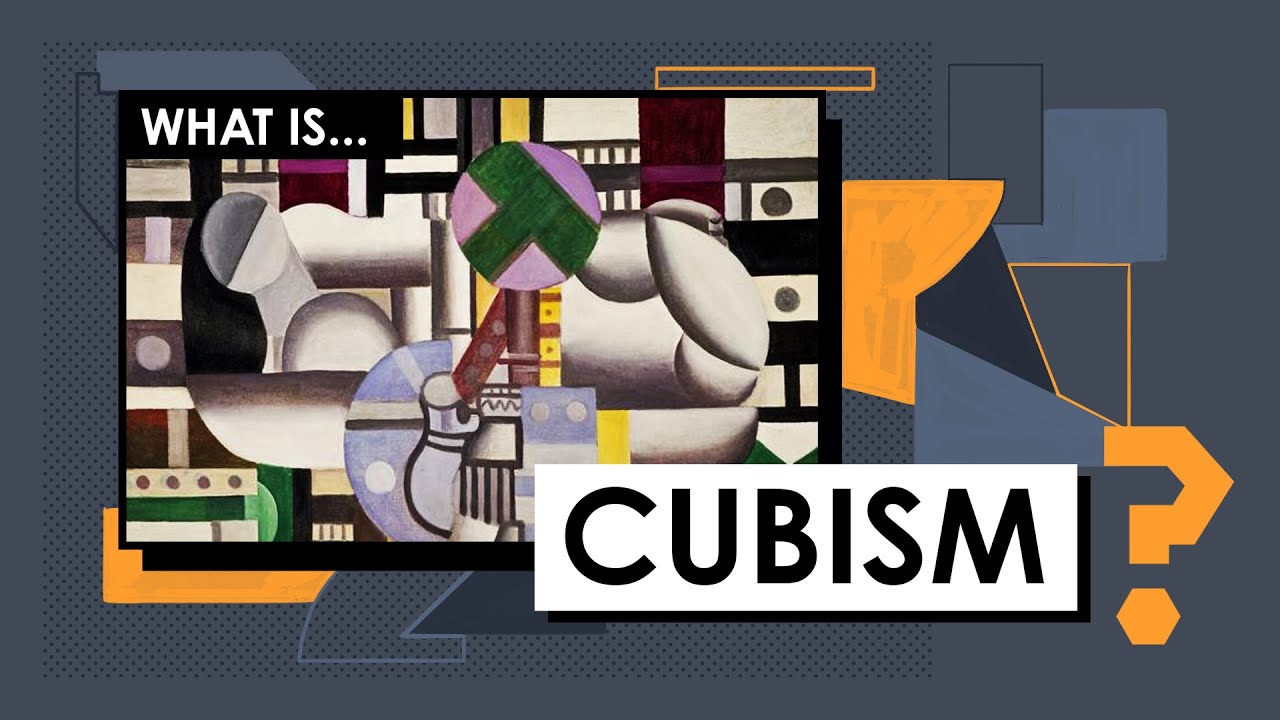
Breaking objects into geometric shapes forms the foundation of cubism. Start by looking at your subject and identifying basic triangles, rectangles, and circles within its structure.
Overlapping planes create the fragmented appearance that defines this revolutionary art movement. Each plane should intersect with others at unexpected angles, challenging traditional perspective.
Limited color palettes work best for analytical cubism. Focus on browns, grays, and ochres to maintain the geometric emphasis without color distractions.
Synthetic Cubism Methods
This later phase introduces collage integration and mixed media elements. Real materials like newspaper clippings or fabric pieces become part of the composition.
Bold color reintroduction marks the shift from analytical to synthetic approaches. Bright blues, reds, and yellows replace the muted analytical palette.
Simplified geometric patterns take precedence over complex fragmentation. The shapes become more readable while maintaining the cubist aesthetic.
Perspective Revolution Basics
Multiple viewpoints within a single composition challenge traditional artistic conventions. Show a face from front and profile simultaneously.
Flattened dimensional space eliminates the illusion of depth that dominated renaissance painting. Everything exists on the picture plane.
Abstract representation of three-dimensional objects requires mental reconstruction by the viewer. This intellectual engagement distinguishes cubism from purely visual art forms.
Essential Materials and Tools

Paint Selection and Preparation
Oil painting remains the traditional choice for cubist works. The slow drying time allows for extended manipulation and blending.
Limited palette approaches mirror Pablo Picasso’s actual methods during his Blue Period and Rose Period phases. Choose four to six colors maximum for cohesive results.
Mixing techniques for muted tones require understanding color theory basics. Add small amounts of complementary colors to gray down bright hues.
Brush Types and Application Methods
Flat brushes excel at creating the hard-edged geometric shapes characteristic of synthetic cubism. Their straight edges produce clean lines and defined planes.
Palette knife work adds texture and spontaneity to cubist compositions. The tool creates bold marks that traditional brushes cannot achieve.
Finger painting techniques appear in several of Picasso’s works, particularly during his experimental phases. Direct contact with paint creates unique textures.
Canvas and Surface Preparation
Primed canvas selection affects the final artwork’s longevity and appearance. Choose medium-texture surfaces that hold paint well without being too rough.
Paper and cardboard alternatives offer economical practice surfaces. Many famous cubist works exist on these humble materials.
Collage material integration requires adhering elements directly to the canvas. Use strong adhesives that won’t yellow or fail over time.
Step-by-Step Painting Process

Initial Composition Planning
Sketching basic geometric breakdown starts every successful cubist painting. Use gesture drawing techniques to capture essential forms quickly.
Identifying key focal points prevents compositions from becoming chaotic jumbles of shapes. Establish visual hierarchy through size and placement.
Planning color distribution ensures balanced compositions that guide the viewer’s eye effectively throughout the work.
Layering and Building Forms
Start with large geometric shapes that establish the painting’s basic structure. These foundational elements anchor smaller details added later.
Adding overlapping planes creates the characteristic cubist depth and movement. Each new layer should interact meaningfully with existing elements.
Building depth through transparency requires careful value control. Lighter planes appear closer while darker ones recede.
Detail Work and Final Touches
Adding facial features in cubist style demands simplification and geometric interpretation. Eyes become triangles, noses turn into angular planes.
Texture creation through varied brushwork adds visual interest without overwhelming the geometric framework. Mix smooth and rough passages strategically.
Balance adjustment and composition refinement complete the painting process. Step back frequently to assess overall harmony and make final adjustments.
Specific Techniques by Subject Matter

Portrait Painting Methods
Facial fragmentation requires breaking down features into distinct geometric planes. Study how Georges Braque approached similar techniques during the analytical period.
Eye placement follows multiple perspective rules rather than traditional anatomy. Position one eye frontally while showing the other in profile view.
Nose and mouth geometric interpretation transforms recognizable features into angular constructions. Think triangular noses and rectangular lips.
Advanced Portrait Considerations
Ears often appear as simple curved lines or geometric shapes rather than detailed anatomical studies. Simplification trumps accuracy in cubist portraits.
Hair becomes textural patterns created through repetitive brushstrokes or geometric segments. Avoid realistic hair rendering completely.
Still Life Composition
Object deconstruction techniques work particularly well with familiar items like bottles, fruits, and musical instruments. Start with simple shapes before attempting complex forms.
Table and background integration eliminates the traditional foreground-background relationship. All elements exist on the same visual plane.
Guitar rendering appears frequently in Picasso’s work because its geometric structure suits cubist interpretation perfectly. The sound hole becomes a focal circle, while the neck transforms into linear elements.
Advanced Still Life Methods
Multiple viewing angles within single objects create the characteristic cubist fragmentation. Show the top, side, and front of a bottle simultaneously.
Transparent overlapping allows viewers to see through objects to elements behind them. This technique adds visual complexity without cluttering the composition.
Figure Drawing and Human Forms
Body proportion distortion methods abandon classical figure drawing rules. Elongate limbs, compress torsos, and exaggerate hands according to emotional expression needs.
Movement capture through angular positioning suggests motion without traditional gesture drawing techniques. Sharp angles convey energy and dynamism.
Clothing and drapery simplification reduces fabric folds to geometric patterns. Think triangular pleats and rectangular panels rather than flowing cloth.
Advanced Figure Techniques
Limb positioning can ignore anatomical logic in favor of compositional needs. Arms might appear in impossible positions that serve the overall design.
Multiple figure integration allows several people to share body parts or occupy the same space simultaneously.
Color Theory and Palette Choices
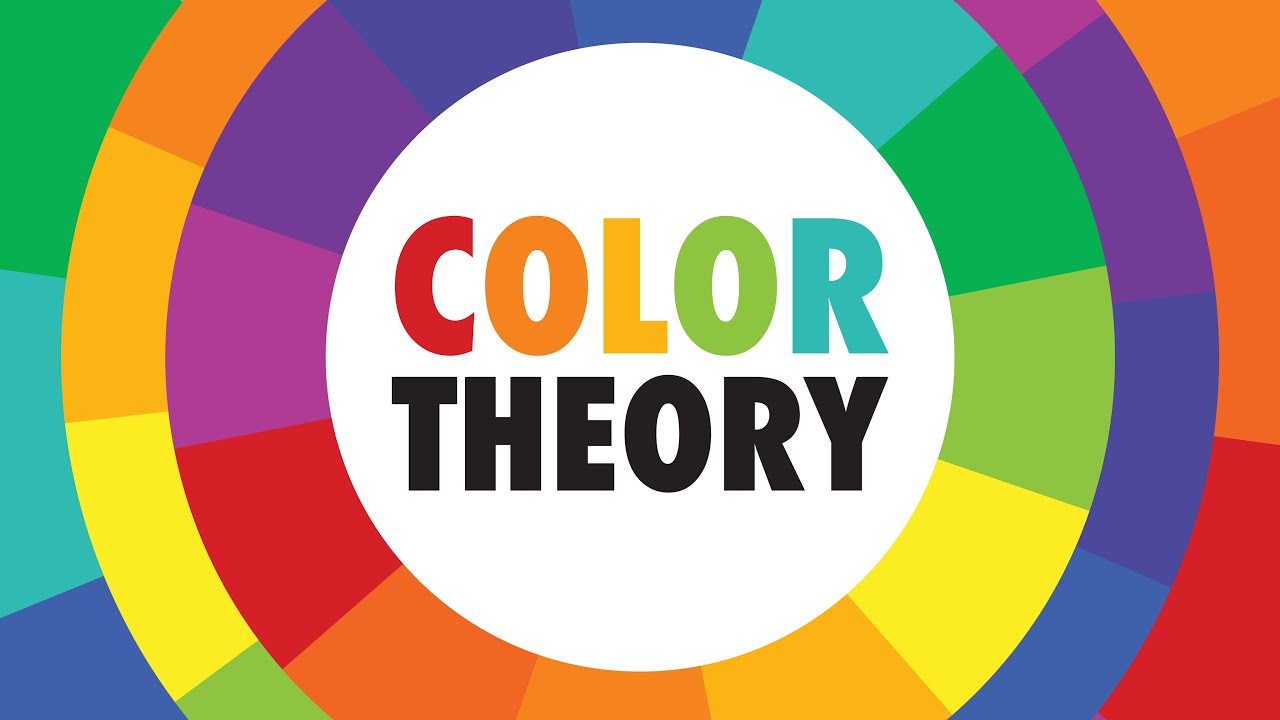
Period-Specific Color Schemes
Blue Period monochromatic approaches create emotional unity through restricted color choices. Various tints and shades of blue dominate these compositions.
Rose Period warm tones transition from the melancholy blues to optimistic pinks and oranges. This shift reflects both personal and artistic evolution.
Cubist neutral palette selection emphasizes form over color. Earth tones, grays, and muted browns allow geometric structures to take precedence.
Emotional Color Application
Color psychology in brushwork connects directly to the painting’s emotional content. Cool colors suggest distance while warm colors advance toward the viewer.
Contrast creation through limited palettes requires strategic color placement. Position opposing values next to each other for maximum impact.
Symbolic color meaning integration adds layers of interpretation to cubist works. Red might represent passion while blue suggests contemplation.
Advanced Color Strategies
Color saturation control differentiates focal areas from supporting elements. Highly saturated colors draw attention while muted tones recede.
Temperature variation within single hues adds subtle complexity. Warm blues differ significantly from cool blues in their emotional impact.
Mixing and Application Techniques
Muddy color avoidance requires understanding complementary colors and their neutralizing effects. Never mix direct opposites in equal proportions.
Clean color separation maintains the integrity of each geometric plane. Avoid blending edges where distinct shapes meet.
Gradation and blending approaches work within individual planes rather than between them. Each shape maintains its own internal color logic.
Advanced Mixing Methods
Primary colors form the basis for all cubist palettes. Master mixing these three colors before exploring more complex combinations.
Optical mixing occurs when small touches of different colors appear to blend when viewed from distance. This technique adds vibrancy without physical paint mixing.
Common Mistakes and How to Avoid Them
Overcomplicating Geometric Forms
Keeping shapes simple and bold prevents visual chaos in cubist compositions. Complex details fight against the style’s fundamental principles.
Avoiding excessive detail addition maintains the geometric clarity that defines successful cubist works. Each shape should read clearly from across the room.
Maintaining clear visual hierarchy ensures that important elements dominate while supporting shapes remain subordinate.
Critical Simplification Guidelines
Too many small shapes create visual noise rather than artistic statement. Consolidate multiple small elements into fewer, larger geometric forms.
Edge quality determines whether shapes feel solid or tentative. Confident, decisive brushstrokes create more convincing geometric forms.
Perspective and Proportion Errors
Understanding intentional distortion versus accidental mistakes requires studying Picasso’s actual works extensively. His distortions serve specific compositional purposes.
Maintaining structural integrity means that even distorted forms should feel stable and purposeful rather than chaotic or random.
Balancing abstract and recognizable elements keeps viewers engaged without completely losing the subject matter. Pure abstraction differs from cubist representation.
Advanced Perspective Solutions
Linear perspective rules don’t apply in cubist works, but compositional logic still matters. Establish your own internal consistency rules.
Multiple vanishing points can coexist within single compositions without following traditional perspective mathematics.
Color and Composition Problems
Muddy color mixing solutions require understanding which combinations create neutral grays versus unwanted browns. Test mixtures on separate paper first.
Composition balance techniques help distribute visual weight evenly across the picture plane. Heavy colors need counterbalancing elements.
Focal point clarity maintenance prevents compositions from becoming equally weighted throughout. Establish clear areas of emphasis and rest.
Advanced Problem-Solving
Unity versus variety balance requires careful attention to repetition and variation. Too much similarity creates monotony while excessive variety causes chaos.
Color temperature consistency helps unify disparate geometric elements into cohesive compositions.
Practice Exercises and Skill Development

Daily Drawing Routines
Geometric shape practice sessions build the foundation for all cubist work. Spend fifteen minutes daily drawing circles, triangles, and rectangles without rulers.
Object deconstruction exercises train your eye to see complex forms as simple geometric components. Choose household items like bottles, books, or shoes for these studies.
Multiple perspective sketching challenges traditional drawing habits. Draw the same object from three different angles on one page.
Essential Daily Habits
Contour drawing without looking at the paper develops hand-eye coordination. This exercise improves your ability to capture essential forms quickly.
Timed sketches force quick decision-making about which details matter most. Set a timer for two minutes per drawing.
Copy Work and Study Methods
Famous Picasso painting recreations provide direct insight into his technical methods. Choose works from different periods to understand his artistic evolution.
Color study exercises isolate tone and value relationships from complex compositions. Create simplified versions using only three colors.
Brushwork technique practice requires close examination of paint application in museum-quality reproductions. Notice how Henri Matisse and Georges Braque approached similar challenges.
Advanced Study Techniques
Analyzing form construction in Les Demoiselles d’Avignon reveals how Picasso balanced abstraction with recognition. Study each figure’s geometric breakdown.
Fragment isolation exercises involve copying single sections of complex paintings. Focus on understanding how individual parts contribute to the whole.
Personal Style Development
Incorporating personal elements prevents mere copying of existing cubist works. Add subjects from your own experience to traditional cubist techniques.
Finding individual geometric language requires experimentation with different shape vocabularies. Some artists prefer curved forms while others favor angular constructions.
Building consistent artistic voice takes time and requires honest self-assessment. Document your progress through regular sketchbook reviews.
Creative Development Strategies
Combining influences from African art and Iberian sculpture with personal observations creates unique artistic statements. Study primitive art forms that influenced Picasso’s development.
Cross-medium exploration expands technical possibilities. Try applying cubist principles to watercolor painting or acrylic painting for different effects.
Weekly Practice Schedule
Monday through Wednesday: Focus on geometric shape studies and object deconstruction exercises using simple household items.
Thursday and Friday: Work on color mixing and harmony exercises using limited palettes inspired by specific Picasso periods.
Weekend sessions: Dedicate longer periods to complete painting studies and personal style experimentation.
Monthly Skill Assessments
Compare current work to pieces created one month prior. Look specifically for improvements in geometric construction and color relationships.
Portfolio reviews help identify recurring weaknesses and successful techniques. Keep digital records of all practice work for easy comparison.
Advanced Development Goals
Master the relationship between positive and negative space in cubist compositions. This understanding separates amateur work from professional results.
Develop sensitivity to texture variation within geometric forms. Even abstract shapes benefit from surface interest.
Color temperature control becomes intuitive through consistent practice with warm and cool color relationships.
Building Technical Confidence
Start each practice session with familiar exercises before attempting new challenges. Confidence builds through consistent small successes.
Document breakthrough moments when technical concepts suddenly click into place. These insights often transfer to other artistic challenges.
Long-Term Skill Development
Study other cubist artists like Marc Chagall and Wassily Kandinsky to understand different approaches to geometric abstraction. Each artist solved similar problems differently.
Cross-reference techniques with other painting styles to understand what makes cubism unique among modernist movements.
Building expertise requires patience with the learning process. Even Picasso spent years developing his signature style after mastering traditional techniques.
FAQ on How To Paint Like Picasso
What makes Picasso’s painting style unique?
Picasso revolutionized art through geometric deconstruction and multiple perspectives within single compositions. His cubist approach breaks objects into angular planes while showing various viewpoints simultaneously.
Unlike traditional realism, his work prioritizes emotional expression over accurate representation.
Do I need formal art training to paint like Picasso?
No formal training is required to start with cubist techniques. Basic geometric shapes form the foundation of all Picasso-style painting.
Understanding composition and color relationships helps, but you can learn these through practice and observation.
What painting materials did Picasso use most?
Picasso primarily worked with oil painting on canvas during his cubist period. He also experimented with mixed media, collage elements, and various painting mediums.
Palette knives and flat brushes created his characteristic sharp edges and geometric forms.
Which Picasso period is easiest to learn first?
Start with his Blue Period techniques for simplest color schemes. The monochromatic palette eliminates complex color mixing while focusing on form and emotion.
Rose Period works offer slightly more color complexity once you master basic geometric construction principles.
How do you create cubist facial features?
Break faces into geometric planes using triangular noses and rectangular mouth shapes. Position eyes at different angles to show multiple perspectives simultaneously.
Study African art influences that inspired Picasso’s facial deconstruction methods during his primitivist phase.
What’s the difference between analytical and synthetic cubism?
Analytical cubism fragments objects into overlapping geometric planes using neutral colors. Synthetic cubism reintroduces bold colors and incorporates collage elements.
Synthetic approaches simplify forms while analytical methods create complex fragmented compositions.
How important is color theory for Picasso-style painting?
Understanding color harmony and complementary colors improves cubist compositions significantly. Limited palettes work better than complex color schemes.
Temperature relationships between warm and cool colors create depth without traditional perspective techniques.
Can beginners skip traditional drawing skills?
Basic drawing fundamentals help but aren’t strictly necessary. Geometric thinking matters more than realistic rendering abilities for cubist work.
Practice gesture drawing to capture essential forms quickly before adding cubist fragmentation.
What subjects work best for Picasso-style paintings?
Still life objects like guitars, bottles, and fruits provide ideal geometric starting points. Human portraits and figures offer more complex challenges.
Musical instruments appear frequently because their angular construction suits cubist deconstruction naturally.
How long does it take to master Picasso’s techniques?
Basic cubist principles can be learned within weeks of focused practice. Developing personal style requires months or years of consistent experimentation.
Daily sketching and regular painting sessions accelerate skill development more than sporadic intense practice periods.
Conclusion
Mastering how to paint like Picasso requires patience and consistent practice with geometric deconstruction techniques. The revolutionary approach that shocked early 20th century audiences becomes accessible through systematic skill development.
Analytical cubism forms your foundation, but don’t rush toward synthetic approaches until geometric construction feels natural. Each brushstroke should serve the overall compositional structure.
Remember that Picasso studied traditional methods before breaking artistic conventions. His Blue Period and Rose Period works demonstrate deep understanding of color psychology and emotional expression.
Daily sketching sessions build the visual vocabulary needed for authentic cubist work. Focus on geometric shapes, multiple perspectives, and fragmented compositions rather than realistic details.
Your artistic voice will emerge through experimentation with different subjects and painting techniques. Study the masters like Paul Cézanne and Henri Matisse who influenced cubist development.
Start today with simple still life objects and basic geometric shapes. The journey from traditional representation to modernist abstraction transforms how you see the world around you.