Your choice between palette knife vs brush shapes every mark you make on canvas. These fundamental painting tools create entirely different visual effects and require distinct techniques.
Most artists stick to brushes out of habit. Yet palette knives offer unique advantages for texture creation and bold color mixing that brushes simply cannot match.
Understanding when to use each tool transforms your artistic expression. Professional painters strategically combine both instruments to achieve specific visual goals and enhance their painting style.
This guide reveals the key differences between palette knives and brushes.
You’ll discover their distinct characteristics, learn proper techniques for each tool, and understand how to choose the right instrument for your artistic vision.
Whether you’re exploring oil painting techniques or experimenting with texture effects, mastering both tools expands your creative possibilities significantly.
Physical Characteristics and Design Differences

Material Construction
Palette Knife Materials
Metal blades form the core of palette knives. Stainless steel offers flexibility without rusting. Carbon steel provides more spring but requires careful maintenance.
Wood handles dominate traditional designs. Plastic alternatives reduce weight and cost. Some artists prefer the grip texture of wooden handles for extended painting sessions.
Brush Materials
Natural bristles come from hogs, sables, and other animals. Synthetic fibers match natural performance while offering consistency. The ferrule connects bristles to the handle using metal crimping.
Natural or synthetic paintbrushes each offer distinct advantages. Natural bristles hold more paint. Synthetic options maintain their shape longer.
Shape and Size Variations
Blade Configurations
Palette knife shapes vary dramatically. Straight blades work for mixing. Curved designs help with paint application. Flexible blades bend under pressure for subtle effects.
Length ranges from 2 inches to 6 inches. Width affects paint pickup capacity. Pointed tips enable detail work.
Brush Profiles
Round brushes create flowing lines and details. Flat brushes produce bold strokes and sharp edges. Filbert brushes combine round and flat characteristics.
Size numbers indicate diameter or width. Larger brushes cover more area quickly. Smaller sizes enable precision work.
Texture and Surface Properties
Smooth Knife Surfaces
Metal blades create smooth paint application. No texture interrupts the paint flow. Clean edges result from firm pressure.
Paint slides across the surface easily. Color mixing happens directly on the canvas. Scraping removes unwanted areas efficiently.
Bristle Textures
Bristle arrangements affect paint handling. Tight bundles hold paint well. Loose configurations release paint gradually.
Texture varies between natural and synthetic materials. Coarse bristles grab paint aggressively. Fine bristles enable smooth blending.
Painting Techniques and Applications
Palette Knife Techniques
Impasto Application
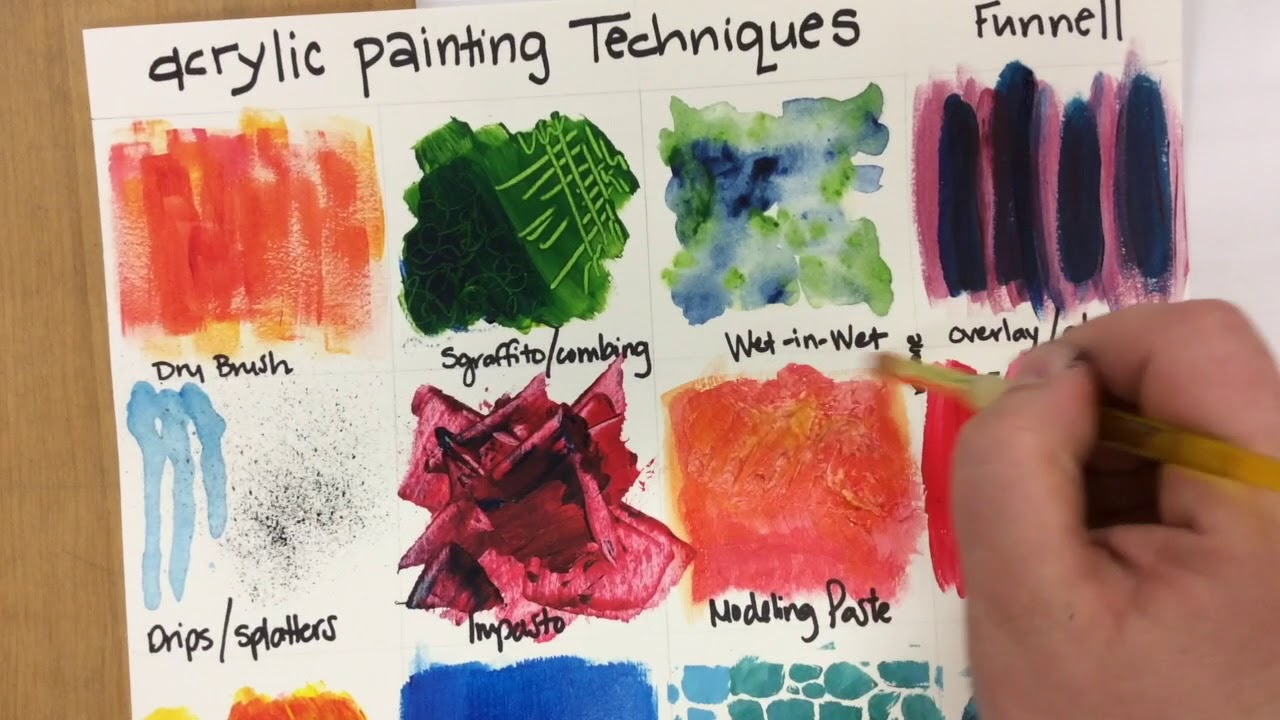
Thick paint layers define impasto work. Palette knives excel at building texture. Paint retains knife marks and directional patterns.
Vincent van Gogh mastered this approach. His sunflowers show knife-applied paint ridges. The technique adds physical dimension to flat surfaces.
Color Mixing Methods
Direct canvas mixing creates spontaneous effects. Load the knife with two colors. Drag them together for gradient transitions.
Paint consistency matters here. Too thin and colors blend completely. Proper thickness maintains color separation while allowing interaction.
Scraping and Removal
Knife edges remove unwanted paint sections. Work while paint stays wet for best results. Clean the blade between scraping motions.
This technique corrects mistakes quickly. It also creates negative space effects. Some artists scrape deliberately for textural contrast.
Brush Techniques
Detail and Precision Work
Fine brushwork requires steady hands and proper paint consistency. Liner brushes create thin lines and signatures. Small rounds enable detailed facial features.
Load the brush tip only for maximum control. Maintain consistent pressure throughout the stroke. Practice creates muscle memory for precise movements.
Blending and Transitions
Soft transitions require specific brush handling. Work wet-into-wet for smooth gradations. Feather the edges where colors meet.
Fan brushes excel at texture work and soft blending. Their spread bristles create natural-looking effects in clouds and foliage.
Traditional Brushwork
Classical painting methods rely on controlled brush techniques. Build up layers gradually. Allow each layer to dry before adding the next.
Oil painting traditions use specific brush sequences. Start with large brushes for broad areas. Finish with small brushes for details.
Combining Both Tools
Strategic Tool Switching
Smart artists use both tools within single paintings. Start with brushes for underpainting. Add knife work for textural interest.
Consider the painting’s focal areas. Smooth brush work draws attention to important elements. Rough knife textures create supporting background interest.
Texture Contrast Creation
Combining smooth and textured areas adds visual interest. Brush-painted sky contrasts with knife-painted foreground rocks. This approach guides viewer attention naturally.
Abstract painters often mix techniques freely. Expressionism embraces bold tool combinations for emotional impact.
Paint Handling Coordination
Different tools require different paint consistencies. Brushes work with thinner paint. Knives need thicker applications.
Prepare paint mixtures accordingly. Keep separate palette areas for each tool type. This prevents workflow interruptions during painting sessions.
Paint Handling and Control
How Palette Knives Handle Paint

Paint Pickup and Loading
Metal blades scoop paint directly from the palette. Press the knife edge into thick paint piles. Angle determines how much paint loads onto the blade.
Proper loading requires practice. Too little paint creates streaky application. Excess paint drops off during transport to canvas.
Pressure Application Techniques
Light pressure creates thin paint layers. Heavy pressure spreads paint thick and wide. Variable pressure within single strokes adds interest.
Blade flexibility affects pressure response. Stiff knives maintain consistent pressure. Flexible blades bend and create varied thickness.
Paint Distribution Patterns
Knife edges create distinct mark patterns. Straight pulls make clean lines. Twisting motions blend colors while applying.
Paint builds up along stroke edges. This creates natural highlights and shadows. The effect mimics natural brush texture without bristle marks.
How Brushes Handle Paint

Paint Absorption and Release
Natural bristles absorb paint into their structure. Synthetic fibers hold paint on their surface. This affects how paint releases onto canvas.
Brushes for oil painting need different loading than brushes for acrylic painting. Oil paint flows more slowly from bristles.
Brush Loading Methods
Proper Loading Technique
- Dip brush halfway into paint
- Gently press against palette edge
- Rotate brush to distribute paint evenly
- Test consistency on palette first
Stroke Control and Precision
Wrist movement controls fine details. Arm movement creates broad strokes. Finger pressure adjusts paint flow during application.
Brush angle affects stroke character. Perpendicular angles create sharp edges. Shallow angles produce soft, feathered effects.
Paint Consistency Requirements
Optimal Thickness for Knives
Heavy-bodied paint works best with palette knives. Thick consistency maintains texture and knife marks. Thin paint slides off blades too easily.
Acrylic painting mediums adjust consistency. Gel mediums thicken paint for knife work. Retarders slow drying time.
Paint Consistency for Brushes
Different Brush Types Need Different Paint
- Flat brushes: Medium consistency for coverage
- Round brushes: Slightly thinned for flow
- Detail brushes: Well-thinned for precision
Medium Additions and Effects
Painting mediums alter paint behavior dramatically. Glazing mediums create transparency. Texture gels add physical dimension to brush strokes.
Watercolor painting uses water as the primary medium. Paint flows and bleeds naturally on wet surfaces.
Artistic Effects and Visual Outcomes
Palette Knife Effects

Bold Gestural Marks
Knife strokes carry emotional energy. Quick movements create spontaneous effects. Deliberate strokes show controlled intention.
Jackson Pollock used knives alongside dripping techniques. His action paintings demonstrate knife versatility in abstract work.
Sharp Edges and Defined Shapes
Metal blades cut clean paint edges. Architectural elements benefit from knife precision. Hard edges separate color areas distinctly.
This technique suits geometric composition work. Cubism artists used similar edge definition approaches.
Textural Interest and Dimensionality
Physical Texture Creation
- Ridge patterns from blade edges
- Scraped areas showing underlayers
- Built-up paint creating shadows
- Directional marks suggesting movement
Color Mixing on Canvas
Direct canvas mixing creates optical vibration. Colors blend partially while maintaining separate identity. This technique adds energy to color relationships.
Impressionism painters like Claude Monet used similar broken color approaches with brushes.
Brush Effects

Smooth Gradations and Transitions
Soft bristles blend colors seamlessly. Gradual transitions require patient brush work. Multiple passes smooth out visible brush marks.
Leonardo da Vinci perfected sfumato using careful brush blending. His technique eliminates visible transitions between colors.
Fine Detail and Precision Work
Small brushes enable intricate work. Portrait features require precise brush control. Hair, eyes, and skin textures need different brush approaches.
Johannes Vermeer demonstrated ultimate precision. His pearl earring shows masterful brush control and value gradation.
Traditional Painting Aesthetics
Classical painting relies on controlled brush techniques. Layer building creates depth and richness. Traditional methods take time but produce refined results.
Renaissance masters established these approaches. Their methods remain relevant for realistic painting goals.
Style Considerations
Abstract vs Representational Approaches
Abstract painting embraces tool marks as visual elements. Brush strokes and knife marks become compositional features rather than hidden techniques.
Representational work often conceals tool marks. The goal becomes creating believable illusions rather than celebrating the painting process.
Contemporary vs Classical Methods
Modern painters mix techniques freely. Traditional boundaries between tools have dissolved. Contemporary work values experimentation over rigid rules.
Classical training emphasized specific tool uses. Each tool had designated purposes and proper techniques. Modern education encourages broader exploration.
Expression Through Tool Choice
Tool selection affects emotional communication. Rough knife work suggests energy and movement. Smooth brush work implies calm and control.
Expressionism celebrates visible tool marks. Fauvism used bold brush strokes for emotional impact rather than realistic representation.
Practical Considerations for Artists

Learning Curve and Skill Development
Beginner-Friendliness Comparison
Brushes offer more forgiving learning experiences. Mistakes blend easily with additional brush work. Paint application feels intuitive for most beginners.
Palette knives require different motor skills. The scraping motion feels unnatural initially. However, bold results appear quickly with basic techniques.
Time Investment to Master
Brush Mastery Timeline
- Basic control: 2-3 months of regular practice
- Intermediate blending: 6-12 months
- Advanced techniques: 2-3 years minimum
Knife Proficiency Development
Knife techniques develop faster than brush skills. Bold effects emerge within weeks. Subtle control takes longer to develop.
Different types of paintbrushes each require separate learning curves. Round brushes behave differently than flats or filberts.
Common Mistakes and Solutions
Overloading brushes causes dripping and poor control. Load paint moderately and test on palette first. Clean brushes frequently during color changes.
Knife users often apply too much pressure initially. Let the paint do the work. Gentle pressure creates better texture than forcing the blade.
Cost and Accessibility
Price Ranges for Quality Tools
Professional Brush Costs
- Student brushes: $2-8 each
- Professional natural: $15-50 each
- High-end sables: $50-200+ each
Palette Knife Investment
Quality knives cost $8-25 each. Professional knives last decades with proper care. Initial investment covers long-term needs.
How to clean paintbrushes properly extends their lifespan significantly. Poor cleaning destroys expensive brushes quickly.
Maintenance and Replacement Needs
Brushes require regular cleaning and reshaping. Storing paintbrushes correctly prevents damage. Replace brushes when bristles splay permanently.
Palette knives need minimal maintenance. Wipe clean after use. Avoid bending the blade excessively.
Storage and Care Requirements
Brush Storage Essentials
- Clean thoroughly after each session
- Reshape bristles while damp
- Store bristles up or flat
- Protect tips from damage
Knives store easily in drawers or containers. No special positioning required. Metal blades resist most damage types.
Workspace and Setup Requirements

Palette Space Allocation
Knife work requires larger palette areas. Paint mixing happens directly on the palette surface. Allow extra space for color preparation.
Brush painting uses smaller palette sections. Colors stay separate longer. Traditional palette layouts work well for brush techniques.
Cleaning During Painting
Real-Time Cleaning Needs
- Brushes: Clean between every color change
- Knives: Quick wipe usually sufficient
- Solvents: More needed for brush cleaning
Paint Waste and Efficiency
Knives waste less paint overall. Thick applications use paint efficiently. No paint gets trapped in bristles.
Brushes absorb paint that never reaches the canvas. Factor this waste into paint quantity planning.
Choosing the Right Tool for Your Project

Subject Matter Considerations
Landscape Painting Applications
Sky areas benefit from smooth brush gradations. Clouds need soft blending techniques. Atmospheric perspective requires subtle value transitions.
Foreground rocks and trees work well with knife techniques. Textural variety adds visual interest. Combine both tools for complete landscape effects.
Portrait Work Requirements
Facial features demand precise brush control. Skin gradation needs smooth blending. Eye details require small brush precision.
Some portrait painters use knives for hair texture. Background areas can feature bold knife work. Keep facial areas smooth and controlled.
Still Life and Abstract Applications
Still Life Tool Selection
- Smooth objects: Brushes for gradual tone changes
- Textured surfaces: Knives for fabric and rough materials
- Reflective items: Brushes for precise highlights
Abstract work embraces both tools freely. Emotional expression guides tool choice over realistic representation.
Painting Style Matching

Loose vs Tight Approaches
Loose painting styles favor palette knives and large brushes. Quick gestural marks capture energy. Details remain minimal and suggestive.
Tight painting requires precise brush control. Photorealism demands smooth brush techniques. Every mark serves specific representational purposes.
Quick Studies vs Detailed Works
Plein Air Considerations
En plein air painting often uses both tools strategically. Time constraints favor efficient techniques. Knives cover large areas quickly.
Studio work allows more tool experimentation. Extended sessions permit technique refinement. Complex tool combinations become possible.
Style Period Influences
Impressionism painters like Pierre-Auguste Renoir used varied brush techniques. Broken color required specific brush handling.
Expressionism embraced bold tool marks. Willem de Kooning combined brushes and knives for emotional impact.
Personal Preference Factors
Comfort and Ergonomics
Hand size affects tool comfort. Larger hands may prefer bigger brush handles. Knife grip varies between manufacturers.
Arthritis or joint issues influence tool choice. Lightweight tools reduce strain. Consider ergonomic handles for extended sessions.
Artistic Goals and Expression
Matching Tools to Vision
- Emotional work: Bold knife strokes and large brushes
- Precise studies: Small brushes and careful control
- Experimental pieces: Mix tools freely
Individual Workflow Preferences
Some artists prefer single-tool sessions. Others switch tools frequently within paintings. Develop personal working methods through experimentation.
Color theory knowledge helps with tool selection. Understanding complementary colors improves mixing decisions regardless of tool choice.
Paint medium affects tool performance significantly. Oil painting allows extended blending time. Acrylic painting requires faster technique execution.
FAQ on Palette Knife Vs Brush
Which tool is better for beginners?
Brushes offer more control for beginners learning paint application. They feel familiar and create predictable strokes.
Palette knives produce dramatic results quickly but require different motor skills that take practice to develop properly.
Can you use palette knives with all painting mediums?
Palette knives work best with thick paint consistency. Oil painting and heavy-body acrylics suit knives perfectly.
Watercolor painting requires brushes due to fluid paint properties and blending needs.
Do palette knives waste more paint than brushes?
Actually, knives waste less paint overall. Paint stays on the blade surface rather than absorbing into bristles.
Brushes trap paint within their structure, and some never reaches the canvas during application.
Which tool creates better texture effects?
Palette knives excel at creating physical texture through thick paint application. Brush texture comes from bristle marks and varied stroke techniques.
Knives build dimensional effects that catch light and create shadows naturally.
Can you achieve smooth blending with palette knives?
Yes, but different techniques apply. Knives blend colors directly on canvas through overlapping strokes.
Brushes blend more gradually through multiple passes and feathering techniques. Both achieve smooth results with proper methods.
What paint consistency works best for each tool?
Brushes handle various consistencies from thin washes to medium thickness. Palette knives need thick, buttery paint that maintains its shape.
Thin paint slides off knife blades and creates streaky, uncontrollable application.
Are expensive brushes worth the investment?
Quality brushes hold more paint, maintain their shape longer, and provide better control. Professional brushes last years with proper care.
Cheap brushes lose bristles and shape quickly, making precise work difficult.
Which tool is faster for covering large areas?
Large brushes cover area fastest for smooth applications. Palette knives cover area quickly while building texture simultaneously.
Choice depends whether you want smooth coverage or textural interest in background areas.
Can you use both tools in the same painting?
Absolutely. Strategic combination creates visual variety and guides viewer attention. Use brushes for detailed areas and smooth gradations.
Add knife work for textural contrast and bold emphasis areas.
How do you clean palette knives compared to brushes?
Knives require simple wiping with cloth or palette paper. Brush cleaning involves solvents, soap, and careful reshaping.
How to clean paintbrushes properly extends their lifespan significantly compared to quick rinses.
Conclusion
The palette knife vs brush debate isn’t about choosing one over the other. Both tools serve distinct purposes in painting and create unique artistic effects that enhance your creative expression.
Brushes excel at detailed work, smooth blending, and traditional painting techniques. They offer precise control for realistic work and delicate gradation effects.
Professional artists rely on quality brushes for portraiture and fine detail requirements.
Palette knives bring bold energy and textural dimension to paintings. They create impasto effects and facilitate direct color mixing that adds visual excitement. Abstract painters particularly value knife techniques for gestural mark making.
The most successful approach combines both tools strategically. Use brushes where precision matters and knives where texture enhances the composition.
Understanding each tool’s strengths allows you to make informed decisions for every painting project.
Experiment with both instruments to discover your personal preferences and expand your artistic vocabulary significantly.