

Put two colors opposite each other on the color wheel and something clicks. They intensify each other. Neither looks the

Color changes how a room feels, how much you trust a brand, and whether you look healthy or washed out

Most people can name the primary and secondary colors without thinking. Tertiary colors are where things get interesting. Understanding what

Most people learn what secondary colors are in grade school and never think about them again. That’s a mistake. Secondary

Most watercolor painters hit a wall trying to build depth without muddying their colors. The answer is usually glazing. Watercolor
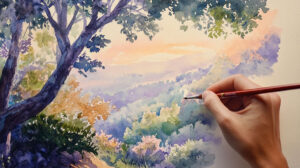
Preserving white paper in watercolor is harder than it looks. Once paint touches those areas, there is no painting white
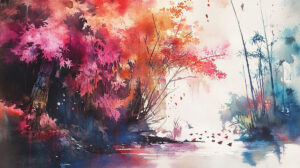
Watercolor is one of the few painting mediums that rewards letting go of control. Whether you’re picking up a brush
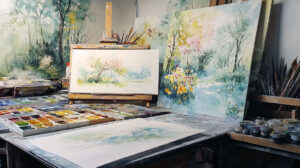
Watercolor paintings are among the most fragile works an artist or collector can own. Knowing how to store watercolor paintings
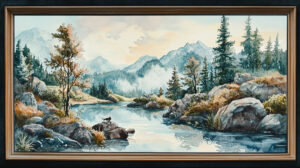
A finished watercolor deserves more than any available frame. Framing watercolor paintings is a process with real stakes. Get it

You finish a painting, step back, and the paper looks like a relief map. That buckled, cockled surface is one
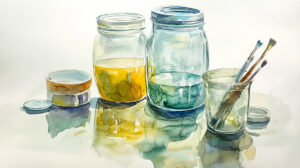
The right watercolor painting tools do not guarantee a great painting. But the wrong ones will actively get in the
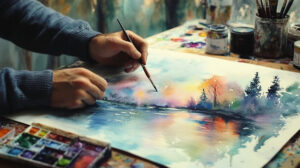
Most watercolor painters don’t struggle because they lack talent. They struggle because nobody explained how mixing watercolors actually works at
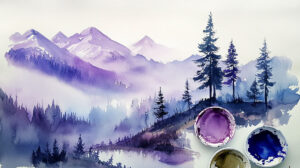
Watercolor is one of the most rewarding painting mediums you can pick up, and also one of the most misunderstood.

The brush you pick up matters more than the paint you squeeze out. Understanding watercolour brush types is the first
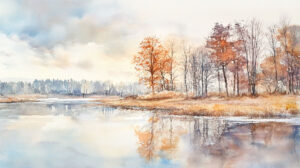
Watercolor painting has a way of surprising you, especially when it comes to techniques like backwash or bloom effects. These
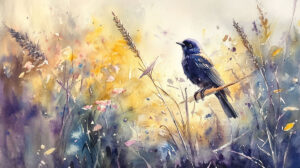
Most watercolor artists spend years learning to add paint. Fewer learn how removing it can be just as powerful. The
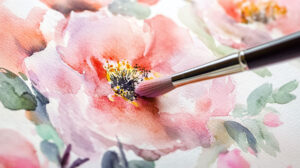
Water does something strange in watercolor. Drop a wet brush into a drying wash and watch the pigment push outward,

Most watercolor painters lose their highlights the moment a wash touches the paper. That one mistake flattens an entire painting.
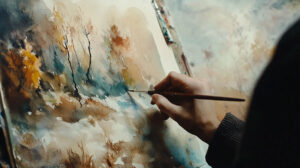
Most watercolor problems start here, before a single detail gets painted. The flat wash technique is one of the first
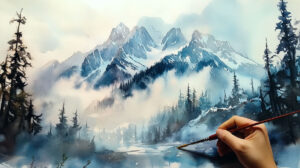
Every convincing watercolor sky starts the same way: a single wash that shifts smoothly from deep blue at the top

No brush produces a foliage mass, a rocky surface, or a cloud edge quite like a sponge does. The sponge
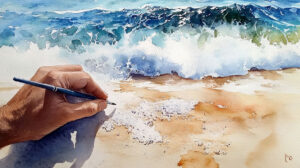
A pinch of table salt can do something no brush can replicate. The salt texture technique in watercolor painting is
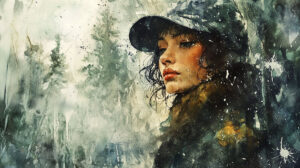
Some of the best texture in watercolor painting comes from the least controlled moments. The splattering technique is one of

Most watercolor mistakes are not permanent. That is where the lifting technique comes in. Lifting is the process of removing
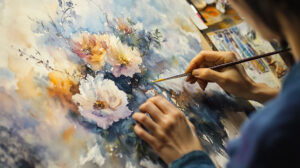
Glazing is the reason some watercolor paintings glow from the inside out, while others just look flat. The glazing technique
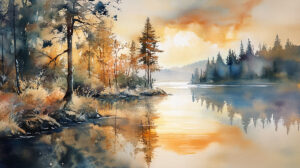
Most watercolor problems come from too much water. The dry brush technique flips that entirely. It is one of the
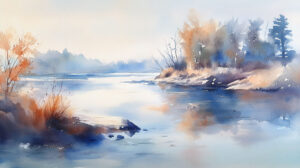
Paint a sky without a single hard edge. No brushwork, no blending, just pigment moving through water on its own
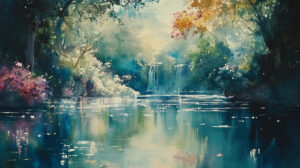
Some painting mediums reward patience. Watercolor rewards decisiveness, and the artists who mastered it changed what the medium could do
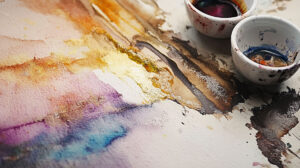
Granulation Medium Granulation is the effect where pigment particles settle unevenly into the paper surface as paint dries, creating a
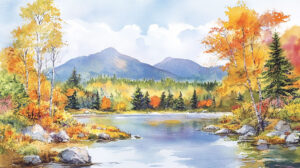
The paper you choose matters more than most beginners expect. Wrong surface, and even good paint and solid technique fall