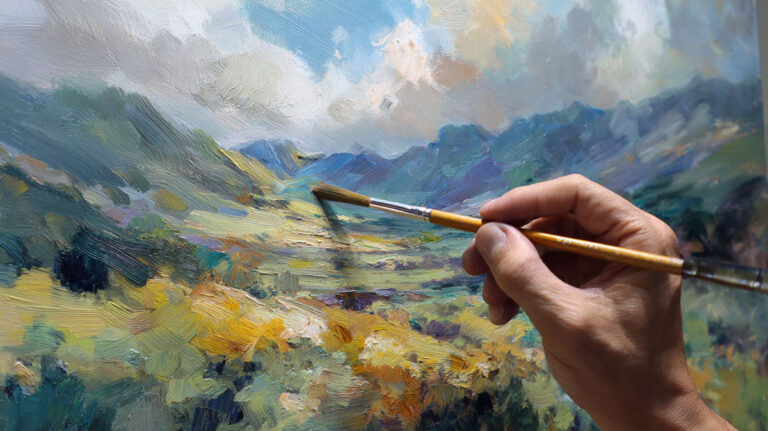
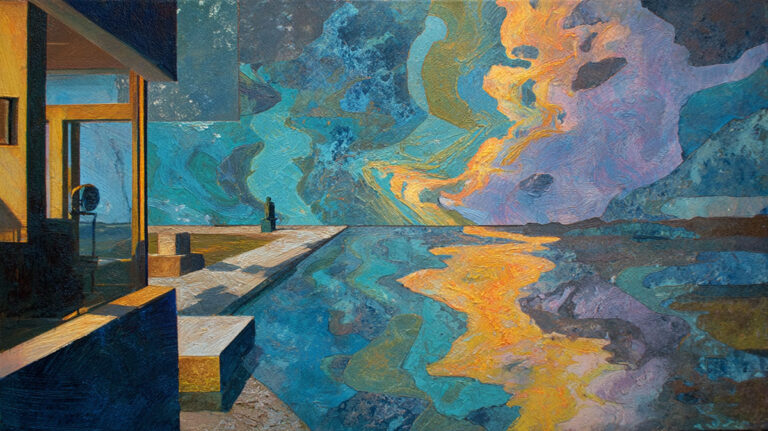
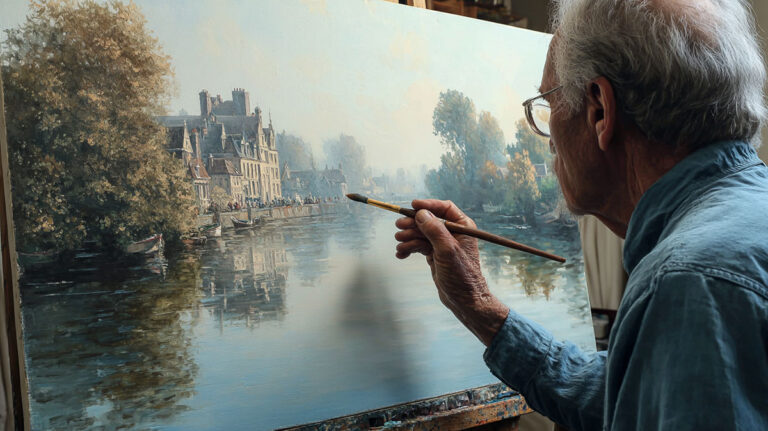
A blank canvas stares back at you, full of infinite possibilities and paralyzing choices. Learning how to compose a painting separates memorable artwork from forgettable attempts.
Great composition isn’t accidental. It follows principles that guide the viewer’s eye exactly where you want it to go.
Professional painters understand these visual rules before breaking them creatively. They know how color theory affects emotion and how strategic placement creates powerful focal points.
This guide reveals the compositional techniques that make paintings impossible to ignore. You’ll master visual hierarchy, strategic color placement, and lighting methods that create depth and drama.
Whether you work in oil painting, acrylic painting, or watercolor painting, these principles apply across all painting mediums and artistic styles.
Color Theory for Maximum Impact

Strategic Color Choices That Command Attention
Understanding color theory transforms mediocre paintings into magnetic ones. The psychology behind warm versus cool colors isn’t just academic theory.
Warm colors push forward aggressively. Red oranges and golden yellows grab viewers by the collar and demand attention.
Cool blues and purples recede naturally. They create breathing room around your focal areas.
Complementary colors create visual tension that hooks the eye. Think Van Gogh’s yellow sunflowers against purple backgrounds. The contrast makes both colors sing louder than they could alone.
Building Color Harmony Without Boring Viewers
Analogous color schemes feel harmonious but risk being predictable. Blues flowing into blue-greens and greens work beautifully for ocean scenes.
But here’s where most painters get stuck. They play it too safe.
Push one color slightly warmer or cooler than expected. That slight discord creates interest without destroying color harmony.
Monochromatic color schemes force you to master value relationships. When you can’t rely on color contrast, you learn to see light properly.
Value Relationships That Create Depth
Value trumps color every single time. A painting with perfect color but weak values falls flat.
The value scale runs from pure white to absolute black. Most amateur paintings live in the middle gray zone.
Push your darks darker. Make your lights sing. The magic happens at the extremes.
Check your values by squinting at your work. If everything becomes a similar gray blob, you need more contrast.
Color Temperature Control for Atmospheric Effects
Color temperature shifts create depth better than perspective tricks. Objects in the distance appear cooler and less saturated.
Foreground elements stay warm and intense. This mimics how our eyes actually process distance.
Reflected light often carries the opposite temperature of the main light source. Warm sunlight creates cool shadows filled with blue sky reflections.
Composition Techniques That Hook Viewers

Breaking Rules That Actually Work
The rule of thirds works. But everyone uses it.
Place your subject slightly off those intersection points. The slight tension created draws more attention than perfect placement.
Odd numbers feel natural in groupings. Three boats, five trees, seven birds. Even numbers create visual tension that can work if used deliberately.
Creating Visual Movement Through Strategic Placement
Asymmetrical balance creates more dynamic compositions than symmetrical arrangements. Weight one side with a large object, balance with several smaller elements on the opposite side.
Leading lines don’t always need to be obvious. Subtle directional elements work better than arrows pointing at your subject.
The viewer’s eye enters your painting from the bottom left (in Western cultures). Plan a path that leads through your composition and circles back to keep them engaged.
Edge Management for Professional Results
Hard edges advance, soft edges recede. This isn’t just about depth.
Lost and found edges create mystery. Don’t outline everything like a coloring book.
Where edges disappear, the viewer’s imagination fills the gaps. This psychological participation hooks them deeper than explicit details.
Dynamic Arrangements That Break Expectations
Center compositions can work brilliantly if everything else supports that choice. Make it intentional, not accidental.
Diagonal arrangements inject energy into static subjects. Tilt that horizon line slightly. Angle your still life setup.
Negative shapes matter as much as positive ones. The spaces between objects create their own patterns and rhythms.
Light and Shadow for Drama

Single Light Source Mastery
One strong light source creates more drama than multiple competing lights. Think Rembrandt’s candlelit portraits or Caravaggio’s dramatic spotlights.
The direction of light changes everything. Side lighting reveals form and texture. Backlighting creates silhouettes and mood.
Front lighting flattens subjects but can work for specific effects. Top lighting feels natural but often lacks drama.
Understanding Chiaroscuro Techniques
Chiaroscuro isn’t just a fancy art term. It’s the dramatic contrast between light and dark that makes paintings unforgettable.
Tenebrism pushes chiaroscuro to extremes. Large areas disappear into shadow while selective areas explode with light.
This technique forces viewers to focus exactly where you want them. No scattered attention across a dozen competing elements.
Cast Shadows as Design Elements
Cast shadows aren’t afterthoughts. They’re compositional tools that can make or break your painting.
Shadow shapes often prove more interesting than the objects casting them. A simple fence creates complex shadow patterns.
Time of day dramatically affects shadow length and color. Early morning shadows stretch across the entire canvas. Midday shadows hide directly beneath objects.
Atmospheric Perspective for Depth
Atmospheric perspective makes distant objects appear lighter, cooler, and less detailed. Air itself affects how we see.
Mountains fade to purple-gray silhouettes. Trees lose their individual leaves and become simple shapes.
Fog and mist amplify these effects. They’re not just weather phenomena but powerful compositional tools.
Working with Reflected Light
Reflected light fills shadow areas with subtle color and prevents them from becoming black holes. Light bounces off nearby surfaces and illuminates the shadow side of objects.
A white wall reflects warm light into shadows. Grass reflects green light upward onto tree trunks.
Understanding reflection transforms flat paintings into dimensional experiences. It’s the difference between amateur and professional work.
Light Quality and Emotional Impact
Soft, diffused light feels gentle and romantic. Think overcast skies or north-facing windows.
Hard, direct light creates sharp shadows and dramatic contrast. Desert sun at noon. Single bulb in a dark room.
Golden hour light makes everything magical. The low sun angle creates long shadows and warm color temperatures that few can resist.
Artificial light sources add narrative elements. Candles suggest intimacy. Streetlights imply urban environments. Firelight tells stories of gathering and warmth.
Subject Selection and Placement

Choosing Subjects That Connect Emotionally
Emotional connection beats technical perfection every time. A wonky drawing of your grandmother’s hands will outperform a flawless copy of someone else’s masterpiece.
Look for subjects that tell stories without explanation. A weathered door suggests decades of entries and exits.
Universal themes work across cultures. Love, loss, hope, struggle. These connect with viewers regardless of their background.
Finding the Extraordinary in Ordinary Scenes
The best subjects often hide in plain sight. That morning coffee setup on your kitchen counter might be your next breakthrough painting. Many artists draw inspiration from everyday spaces, and even something as simple as kitchen wall art can influence composition, color, and mood.
Change your viewpoint drastically. Get low. Climb high. Look at familiar objects from angles nobody expects.
Seasonal timing transforms the same subject completely. That oak tree becomes four different paintings throughout the year.
Portrait and Figure Placement Strategies
Eye placement controls the entire painting’s energy. Eyes looking directly at the viewer create confrontation. Eyes gazing off-canvas suggest mystery.
Gesture drawing captures life better than careful contour work. The quick energy of movement matters more than perfect proportions.
Body language tells stories before faces do. Hunched shoulders communicate defeat. Open arms suggest welcome.
Background Simplification Techniques
Busy backgrounds kill good subjects. The environment should support, not compete with your main focus.
Blur distant elements through atmospheric perspective. Details disappear naturally with distance.
Use negative space to give your subject breathing room. Empty areas create visual rest stops.
Scale Relationships for Impact
Size matters more than subject matter. A giant apple becomes more interesting than a tiny mountain.
Unexpected scale creates memorable paintings. Think Georgia O’Keeffe’s massive flowers or Edward Hopper’s towering gas stations.
Fill the canvas boldly. Cramped subjects in oversized spaces feel timid and forgettable.
Brushwork and Technique for Visual Interest
Varied Mark Making Approaches
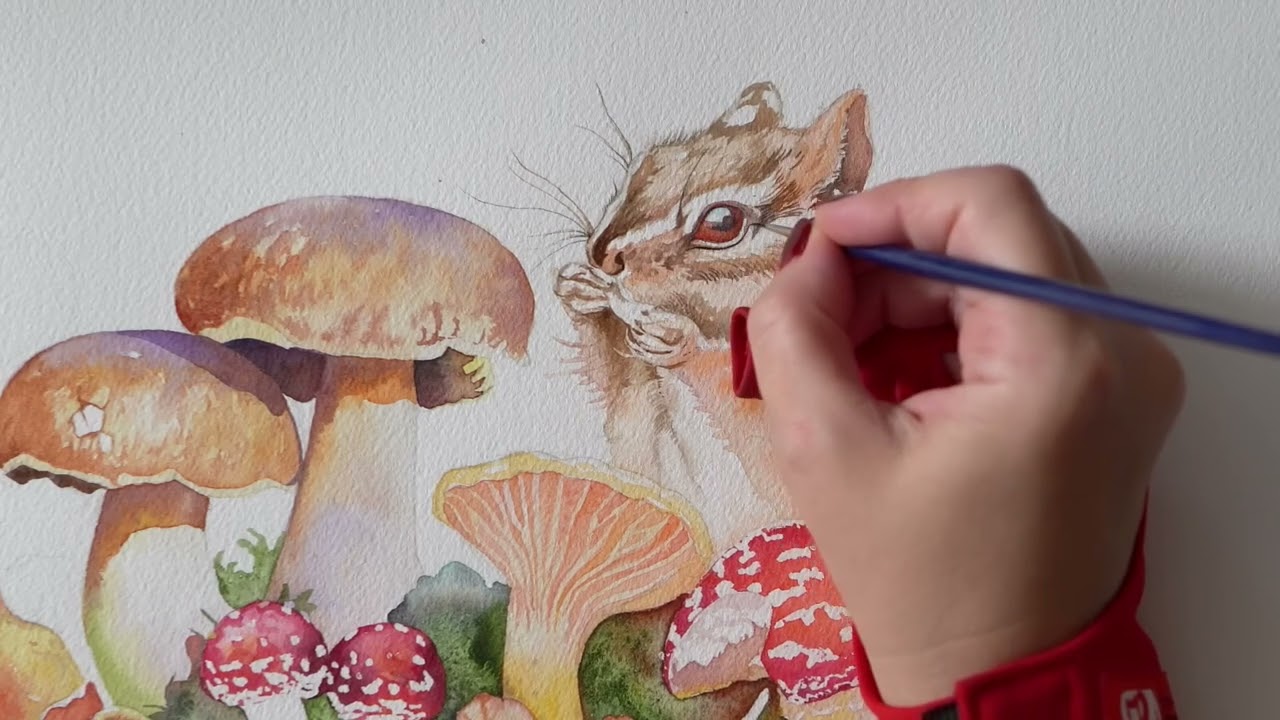
Mix loose and tight rendering styles within the same painting. Detailed focal areas surrounded by suggested forms create visual hierarchy naturally.
Brushstroke direction should follow and describe form. Vertical strokes for tree trunks, horizontal strokes for water surfaces.
Don’t paint everything the same way. Backgrounds need different treatment than foreground subjects.
Paint Application Methods That Add Character
Impasto catches light and creates physical texture you can actually feel. Load that brush and let the paint build up in key areas.
Palette knife work creates bold, confident marks impossible with brushes. The rigid edge produces clean color breaks.
Scumbling adds atmospheric qualities through broken color application. Drag dry paint over existing layers to suggest distance or texture.
Texture Creation Through Technique
Different painting mediums offer unique textural possibilities. Oil painting allows extended blending time.
Acrylic painting dries quickly, perfect for layered texture effects. Watercolor painting creates transparent luminosity.
Surface preparation affects every subsequent mark. Smooth surfaces support detailed work. Rough canvas adds automatic texture.
Brush Selection for Different Effects
Round brushes handle detail work and line creation. Flat brushes cover area quickly and create clean edges.
Filbert brushes bridge the gap between rounds and flats. The oval shape blends smoothly while maintaining some precision.
Brush size should match your canvas size and viewing distance. Tiny brushes on large canvases create muddy, overworked surfaces.
Lost and Found Edge Control
Hard edges bring elements forward and create focus. Soft edges suggest atmosphere and distance.
Vary edge quality throughout your painting. Everything outlined the same way looks flat and amateurish.
Where forms disappear into shadow or atmosphere, let them actually disappear. Trust the viewer’s eye to complete missing information.
Psychological Elements That Draw Viewers

Universal Emotional Triggers
Nostalgia works across generations. Childhood memories, family gatherings, simple pleasures. These themes resonate universally.
Mystery trumps explanation every time. Suggest stories without revealing endings. Let viewers fill gaps with their own experiences.
Beauty standards shift with culture and time, but certain proportions and relationships feel inherently pleasing to human perception.
Storytelling Through Visual Hints
Narrative elements should whisper, not shout. A jacket draped over a chair suggests recent departure without showing the person.
Before and after moments create psychological tension. The split second before action or the quiet aftermath of events.
Environmental storytelling uses props and settings to communicate character and situation without exposition.
Cultural and Symbolic References
Color psychology varies dramatically across cultures. Red means luck in Chinese culture but danger in Western contexts.
Religious and mythological symbols carry powerful emotional weight. Use them thoughtfully, understanding their cultural significance.
Personal symbolism development creates unique artistic voice. What objects, colors, or forms carry special meaning in your work?
Creating Mystery and Engagement
Unanswered questions keep viewers engaged longer than complete narratives. Where is this person going? What happened here?
Partial views force imagination to activate. Show a hand reaching for something just outside the frame.
Contradictory elements create cognitive dissonance that demands attention. Peaceful scenes with subtle unsettling details.
Memory and Association Triggers
Certain visual combinations tap into collective unconscious. Storm clouds and lone figures. Warm window light against cold streets.
Seasonal associations run deep. Spring colors suggest renewal and hope. Autumn palettes evoke change and melancholy.
Texture memory engages viewers physically. Rough bark, smooth stones, soft fabric. These trigger tactile responses even in purely visual art.
Building Emotional Resonance
Vulnerability in subjects creates empathy. Sleeping figures, children at play, elderly hands. These moments touch something universal.
Scale relationships affect emotional response. Tiny figures in vast landscapes suggest isolation or freedom, depending on context.
Time-specific details date your work but can add authenticity. Current fashion, technology, or cultural references ground abstract emotions in specific moments.
Scale and Format Decisions

Canvas Size Psychology
Intimate paintings create personal connections. Viewers lean in close, entering a private conversation with your work.
Monumental scales command respect and awe. They can’t be ignored or dismissed casually.
Most painters stick to safe middle sizes. Go smaller or larger than expected to stand out.
Viewing Distance Considerations
Large paintings need bold gestures that read from across the room. Details get lost at distance.
Small works allow intricate detail that rewards close examination. Think Persian miniatures or botanical illustrations.
Plan your scale based on where the painting will hang. Gallery walls versus home environments require different approaches.
Aspect Ratio Impact on Composition
Horizontal formats feel calm and stable. They work naturally for landscapes and panoramic views.
Vertical formats create drama and movement. Portraits and architectural subjects benefit from upward emphasis.
Square formats challenge traditional composition rules. Every edge carries equal weight.
Format Selection for Different Subjects
Panoramic formats suit expansive subjects but can feel cinematic rather than painterly. Use them deliberately.
Traditional proportions like 3:4 or 2:3 feel natural to viewers trained on photography and classical art.
Unusual ratios like 1:3 or 1:5 create memorable shapes that stick in memory.
Series Consistency Versus Variety
Series work benefits from consistent sizing. Viewers can compare content without distraction from format changes.
Varying sizes within a series can work if the size supports each painting’s specific needs.
Gallery walls display better with some size variation. All identical rectangles create monotonous grid patterns.
Detail Level Appropriate to Size
Miniature paintings can support incredible detail density. Every square inch becomes precious real estate.
Large canvases need bold, simple statements. Tiny details disappear from normal viewing distances.
Match your brushwork to your canvas size. Liner brushes on 6-foot canvases look ridiculous.
Finishing Touches and Refinement

Step-Back Assessment Techniques
Fresh eyes reveal problems invisible during painting. Walk away for hours or days before final evaluation.
Mirror checks expose composition flaws instantly. Reversed images highlight imbalances your brain automatically corrected.
Photograph your work in progress. The camera sees differently than your eyes, revealing weak areas.
Value Studies for Final Checks
Convert photos of your painting to black and white. This strips away color distractions and reveals value structure problems.
Value studies should have clear light, medium, and dark patterns. Muddy middle grays destroy visual impact.
Squint at your work regularly. Important elements should remain visible even with limited detail perception.
Getting Useful Feedback
Other artists see technical issues you miss. Non-artists identify emotional responses you might not expect.
Ask specific questions rather than seeking general opinions. “Does the focal point work?” gets better feedback than “What do you think?”
Listen to feedback without defending your choices immediately. Sometimes the criticism reveals truths you weren’t ready to hear.
Final Adjustment Strategies
Accent colors add punch in small doses. A tiny spot of bright orange can energize an entire earth-tone painting.
Final detail additions should strengthen existing focal points, not create new ones. More detail isn’t always better detail.
Edge cleanup happens last. Soften some hard edges, sharpen others. Vary edge quality for visual interest.
Signature Placement Considerations
Signatures shouldn’t compete with the painting. Lower right corners work traditionally but aren’t mandatory.
Color your signature to blend with surrounding values. Bright signatures draw attention away from the actual art.
Sometimes signatures work better incorporated into the painting’s elements. Hidden in shadow areas or disguised as environmental details.
When to Stop Working
Overworking kills spontaneity and freshness. Every brushstroke after the painting’s completion weakens it.
Learn to recognize the moment when adding more will subtract from the whole. This takes experience and many ruined paintings.
Preserve accidents that work better than your original plan. Sometimes the best effects happen without intention.
Learning from Successes and Failures
Document your process through photos. Understanding how you achieved successful effects helps repeat them intentionally.
Failed paintings teach more than successful ones. Study what went wrong without immediate emotional attachment.
Keep a painting journal noting color mixtures, brush choices, and compositional decisions. Memory fades, but notes remain.
Final Quality Control
Check your painting under different lighting conditions. Gallery lighting differs dramatically from studio lighting.
Step back to the intended viewing distance. Details visible up close might disappear from normal viewing positions.
Color temperature can shift under different light sources. Test your painting under warm and cool lighting before considering it finished.
Professional Presentation Preparation
Varnishing protects the surface and unifies the final appearance. Matte, satin, or gloss finishes change the painting’s character.
Edge treatment affects perception. Raw canvas edges versus painted edges create different viewing experiences.
Frame selection will influence how viewers perceive your work. Plan for this during the painting process, not after completion.
FAQ on How To Compose A Painting
What is the rule of thirds in painting composition?
The rule of thirds divides your canvas into nine equal sections using two horizontal and two vertical lines.
Place important elements along these lines or at their intersections rather than centering everything. This creates more dynamic and visually interesting compositions than symmetric arrangements.
How do I create a strong focal point?
Use contrast to make your main subject stand out. This includes value contrast (light against dark), color contrast, and detail contrast.
Position your focal point off-center and support it with leading lines that guide the viewer’s eye naturally.
What colors work best together in paintings?
Complementary colors create vibrant contrast and visual tension. Analogous color schemes feel harmonious and peaceful. Use warm colors to advance elements and cool colors to push them back. Study the color wheel to understand these relationships.
How important is lighting in composition?
Lighting direction determines mood and dimensionality. Side lighting reveals form and texture. Backlighting creates silhouettes and drama.
Chiaroscuro uses strong light-dark contrasts for emotional impact. Plan your light source before starting to paint.
Should I sketch before painting?
Preliminary sketches help solve compositional problems before committing paint to canvas. Work out placement, proportions, and value relationships in small thumbnails first. This saves time and prevents overworking. However, some painters prefer direct approaches for spontaneous effects.
How do I create depth in my paintings?
Use atmospheric perspective to make distant objects cooler, lighter, and less detailed. Overlapping shapes creates depth layers. Linear perspective with vanishing points establishes spatial relationships. Warm colors advance while cool colors recede naturally.
What canvas size should I choose?
Canvas size affects viewing experience and detail level. Small paintings invite intimate viewing and support fine detail. Large canvases need bold gestures readable from distance. Consider where the painting will hang and match scale accordingly.
How do I balance elements in my composition?
Asymmetrical balance feels more dynamic than symmetrical arrangements. Balance a large element on one side with several smaller ones opposite.
Consider visual weight of colors, values, and textures. Dark areas feel heavier than light areas of equal size.
What brushwork techniques improve composition?
Vary your mark making throughout the painting. Use detailed brushwork for focal areas and looser strokes for supporting elements. Directional lines created by brushstrokes should support form and guide eye movement. Mix hard and soft edges for visual interest.
When should I stop working on a painting?
Stop when adding more would weaken the overall impact. Overworking destroys spontaneity and freshness.
Step back regularly and assess from viewing distance. Trust your instincts when the painting feels complete, even if every area isn’t equally finished. Fresh energy matters more than perfect detail.
Conclusion
Mastering how to compose a painting transforms your artistic vision into compelling visual experiences. These compositional principles work across all painting styles and artistic approaches.
Balance your elements thoughtfully. Create visual hierarchy that guides viewers exactly where you want them to look.
Color relationships make or break compositions. Complementary colors create tension while analogous color schemes provide harmony.
Light and shadow add dramatic depth. Chiaroscuro techniques create emotional impact that flat lighting cannot achieve.
Your brushwork should support compositional goals. Vary texture and mark making to create visual interest without overwhelming your focal points.
Subject placement and scale decisions affect emotional response. Plan these relationships before applying paint to canvas.
Practice these fundamentals until they become intuitive. Strong composition separates amateur work from professional results.