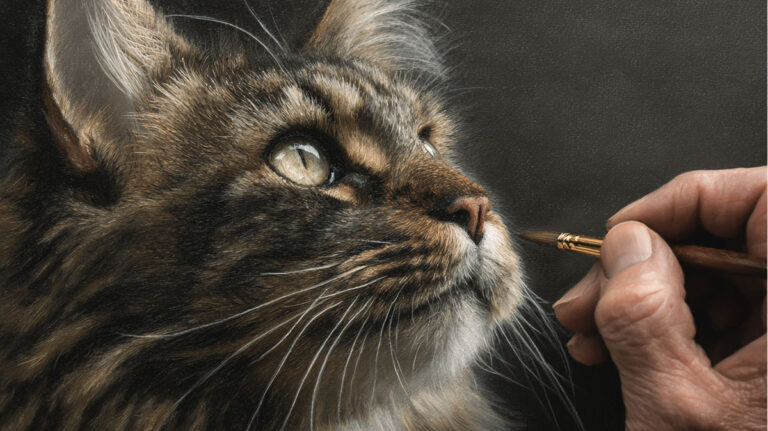
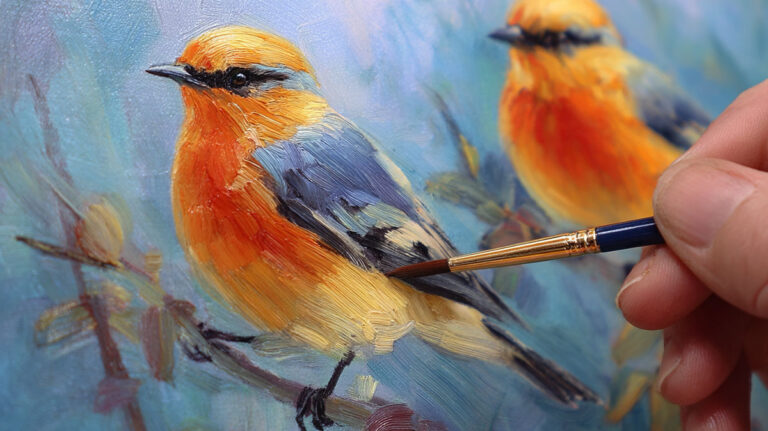
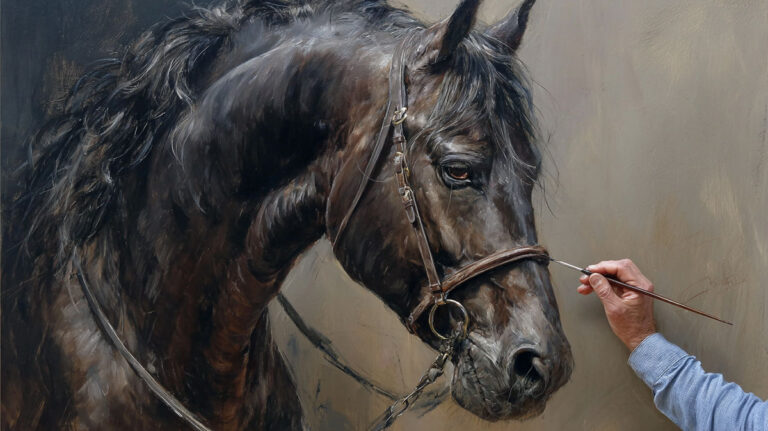
That moment when you capture a pet’s personality on canvas makes every struggle with fur texture worth it. Learning how to paint animals that truly show character goes beyond basic animal anatomy and brush techniques.
Most wildlife art tutorials focus on getting proportions right. But real animal painting success comes from understanding what makes each creature unique.
Your reference photos might be perfect, but without knowing how to translate animal behavior into paint, you’ll end up with lifeless portraits that look more like taxidermy than living beings.
This guide covers everything from initial sketching and color mixing to species-specific approaches for domestic pets, farm animals, and wild creatures.
You’ll learn gesture drawing techniques that capture personality, brushwork methods for different fur types, and composition strategies that showcase each animal’s individual character.
By the end, you’ll know how to paint animals that viewers instantly recognize as having souls, not just accurate anatomy.
Pre-Painting Foundation Work

Character Development Through Sketching
Quick gesture drawings capture the essence of animal movement before you even touch paint. Start with 30-second sketches to grab the basic energy.
These rapid studies reveal personality quirks that longer drawings might miss. A cat’s arched back says everything about attitude.
Building Your Reference Library
Wildlife photography becomes your best teacher. Shoot at eye level with animals whenever possible.
Video references show natural behaviors that still photos can’t capture. Watch how a dog tilts its head when curious.
Document different emotional states in pets. Happy, sleepy, alert, playful – each mood changes facial features and body language.
Detailed Studies and Expressions
Focus on eyes first in your animal studies. They carry 80% of character expression.
Study how ear positions change with emotions. Forward ears show alertness. Flattened ears suggest fear or aggression.
Map out facial structure differences between species. Cat skulls are rounder than dog skulls.
Planning Your Composition
Choose viewpoints that showcase personality best. A proud horse needs a low angle. A shy kitten works better from above.
Negative space around your animal can support their mood. Tight cropping creates intimacy.
Consider the rule of thirds, but break it when character demands center stage.
Color Psychology for Animal Character
Temperature and Mood

Warm colors suggest friendly, approachable animals. Cool tones work for mysterious or wild creatures.
A golden retriever practically begs for warm ochres and burnt siennas. A wolf needs cooler grays and blues.
Understanding Animal Palettes
Real animal colors are more complex than they first appear. Black cats have purple and blue undertones.
White animals reflect their environment. A white horse in sunlight shows yellows and pinks in shadows.
Study color harmony principles but don’t let them override natural color relationships.
Building Emotional Connection
Color psychology works the same way with animals as humans. Red suggests energy and excitement.
Muted colors can make animals appear calm or sad. Bright colors show vitality and health.
Technical Painting Approaches for Character
Brushwork That Shows Personality

Directional Strokes for Energy
Follow fur patterns with your brush direction. This creates believable texture and shows muscle structure underneath.
Quick, energetic strokes work for playful animals. Slower, deliberate marks suit calm or dignified subjects.
Vary brush pressure to show different energy levels. Heavy pressure for power, light touches for gentleness.
Brush Selection Strategy
Flat brushes work great for broad fur areas and initial shape blocking.
Round brushes handle detail work around eyes and noses. Switch sizes frequently.
Filbert brushes blend beautifully for soft transitions in fur.
Layering for Life and Depth
Building Texture Gradually
Start with basic forms and add fur texture in layers. Don’t try to paint individual hairs immediately.
Each layer should serve a purpose. Base colors, shadows, highlights, then fine details.
Work light to dark with watercolor painting. Dark to light with oils and acrylic painting.
Creating Luminous Effects
Animal eyes need multiple layers to look alive. Start with the darkest pupil, then build reflections.
Use glazing techniques for rich, deep fur colors. This beats mixing everything on the palette.
Surface Considerations
Different painting mediums require different approaches. Oil painting allows more blending time.
Canvas texture affects the final result. Smooth surfaces work better for detailed work.
Handling Distinctive Animal Features
Eyes That Communicate

Paint the iris first, then add the pupil. This prevents muddy colors.
Catchlights bring eyes to life instantly. Position them consistently with your light source.
Animal eyes reflect their environment more than human eyes do. Include subtle color variations.
Fur Texture Mastery
Short fur needs different techniques than long fur. Use stippling for very short coats.
Long fur requires confident, flowing strokes that follow natural growth patterns.
Fan brushes create convincing grass-like textures for certain fur types.
Specialty Features
Beaks, claws, and horns have different surface qualities than fur. They’re usually shinier and harder-edged.
Wet noses need careful handling of reflective surfaces. They’re not as shiny as eyes but more reflective than fur.
Species-Specific Character Painting

Domestic Animals and Pets
Cats: Independence and Mystery
Cat pupils change dramatically with light and mood. Wide pupils suggest excitement or fear.
Their facial expressions are subtle. Look for slight eye squints that show contentment.
Whiskers are crucial for cat character. They point forward when hunting, back when scared.
Dogs: Loyalty and Expression
Dog breeds have vastly different personalities reflected in their faces. Golden retrievers naturally look friendly.
Mouth position tells the whole story with dogs. Relaxed mouths show calm, open mouths suggest happiness.
Tail positions matter too, but focus on what you can see in a portrait composition.
Birds: Intelligence and Alertness
Bird eyes are proportionally huge and incredibly expressive. They dominate the character.
Feather direction shows mood just like fur does in mammals. Smooth feathers mean calm.
Beak shapes reveal personality – curved beaks suggest gentleness, sharp beaks show precision.
Farm and Livestock Animals
Horses: Nobility and Strength
Horse portraits need careful attention to the large, expressive eyes.
Their nostrils flare with emotion. Wide nostrils show excitement or exertion.
Neck position and muscle definition communicate power and grace simultaneously.
Cattle: Gentle Giants
Cow eyes are remarkably gentle and intelligent. They’re larger than most people expect.
Their ears are mobile and expressive. Forward ears show interest.
Paint the texture difference between their smooth faces and coarser body hair.
Wild Animals and Natural Character
Big Cats: Power and Focus
Wild cat eyes have an intensity that domestic cats rarely match. The pupils stay more consistently round.
Their muscle definition shows even under thick fur. Study big cat anatomy.
Chiaroscuro lighting works beautifully with big cats, creating dramatic shadows.
Bears: Strength with Gentleness
Bear faces combine power with surprising gentleness, especially around the eyes.
Their small ears contrast with their massive heads. Don’t make the ears too prominent.
Bear fur has multiple layers and colors. Build these up gradually for realism.
Wolves: Pack Intelligence

Wolf eyes show more intelligence than dog eyes. They’re calculating and aware.
Their facial proportions are different from domestic dogs – longer snouts, smaller ears.
Pack animals like wolves often look slightly alert even when resting.
Deer: Grace and Alertness
Deer have large, dark eyes that dominate their faces. These eyes need to look soft but alert.
Their ears are constantly moving. Choose a position that shows their listening nature.
Female deer have gentler expressions than males, especially around breeding season.
Pre-Painting Foundation Work

Character Development Through Sketching
Gesture drawing captures essence in seconds. Start with 30-second sketches to grab basic energy before details distract you.
These quick studies reveal personality quirks longer drawings miss. A cat’s arched back tells you everything about attitude.
Building Your Visual Library
Wildlife photography becomes your teacher. Shoot at eye level when possible.
Video references show behaviors still photos can’t. Watch how dogs tilt heads when curious.
Document pets in different moods:
- Happy and relaxed
- Alert and focused
- Sleepy and content
- Playful and energetic
Detailed Feature Studies
Eyes carry 80% of character expression. Study them first.
Ear positions change with emotions. Forward ears show alertness, flattened ears suggest fear.
Map facial structure differences between species. Cat skulls are rounder than dog skulls.
Composition Planning
Choose viewpoints that showcase personality. A proud horse needs a low angle.
Negative space around your animal supports their mood. Tight cropping creates intimacy.
Use rule of thirds, but break it when character demands center stage.
Color Psychology for Animal Character

Temperature and Emotional Impact
Warm hues suggest friendly animals. Cool tones work for mysterious creatures.
Golden retrievers beg for warm ochres and burnt siennas. Wolves need cooler grays and blues.
Natural Color Complexity
Real animal colors are more complex than they appear. Black cats have purple and blue undertones.
White animals reflect environment. A white horse in sunlight shows yellows and pinks in shadows.
Study complementary colors but don’t override natural relationships.
Emotional Connection Through Color
Color saturation affects perceived vitality. Muted colors make animals appear calm or sad.
Bright colors show health and energy. Use this knowledge deliberately.
Emotional Expression in Animal Paintings

Reading and Painting Animal Emotions
Contentment shows in relaxed facial muscles and half-closed eyes. Look for soft ear positions.
Alertness makes eyes wider and ears forward. The whole body appears ready to move.
Playfulness comes through body language more than facial expression. Bouncy poses and open mouths suggest fun.
Recognizing Different Emotional States
Fear flattens ears against the head. Eyes become wider, showing more white.
Excitement raises ears and opens nostrils. Muscles appear tense, ready for action.
Maternal instincts soften every feature. Eyes become gentler, posture more protective.
Body Language Translation
Tail positions speak volumes but focus on visible elements. Neck position shows confidence or submission.
Muscle tension appears even under fur. Relaxed animals have softer contours.
Weight distribution reveals mood. Confident animals stand square, nervous ones shift weight.
Using Artistic License for Enhancement
Slightly exaggerate key features for stronger impact. Make alert ears a bit more forward.
Adjust proportions while maintaining believability. Bigger eyes can increase emotional connection.
Environmental elements support personality. A curious cat needs something to investigate.
Environmental Storytelling
Background Support
Choose backgrounds that complement animal character. Busy backgrounds distract from shy subjects.
Use atmospheric perspective to keep focus on your animal. Softer backgrounds push the subject forward.
Lighting for Mood
Dramatic lighting creates powerful emotions. Side lighting adds mystery to wild animals.
Soft, even lighting works better for gentle subjects. Pets often look best in natural window light.
Chiaroscuro techniques work beautifully with predators. Strong shadows suggest power.
Props and Context
Add elements that tell stories. A worn toy suggests a beloved pet.
Seasonal elements affect mood. Snow makes animals appear more alert and energetic.
Time of day matters. Dawn light suggests new beginnings, dusk creates contemplative moods.
Technical Painting Approaches for Character
Brushwork That Shows Personality
Directional strokes follow fur patterns. This creates believable texture and shows muscle structure underneath.
Quick, energetic marks work for playful animals. Slow, deliberate strokes suit calm subjects.
Vary brush pressure for different energy levels. Heavy pressure shows power, light touches suggest gentleness.
Strategic Brush Selection
Liner brushes handle whiskers and fine details perfectly.
Switch between brush sizes frequently. Don’t get stuck using one brush for everything.
Natural or synthetic brushes each have advantages depending on your medium.
Layering for Depth and Life

Start with basic shapes, add fur texture in layers. Don’t paint individual hairs immediately.
Each layer serves a purpose: base colors, shadows, highlights, then fine details.
Work light to dark with watercolors. Dark to light with oils and acrylics.
Creating Luminous Effects
Animal eyes need multiple layers to look alive. Start with darkest pupil, build reflections.
Use glazing for rich, deep fur colors. This beats mixing everything on your palette.
Medium-Specific Considerations
Different mediums require different approaches. Oils allow more blending time.
Canvas texture affects final results. Smooth surfaces work better for detailed work.
Yupo paper creates unique effects with watercolors that traditional paper can’t.
Handling Distinctive Features
Eyes That Communicate

Paint iris first, then add pupil. This prevents muddy colors.
Catchlights bring eyes to life instantly. Position them consistently with your light source.
Animal eyes reflect environment more than human eyes. Include subtle color variations.
Fur Texture Mastery
Short fur needs different techniques than long fur. Use stippling for very short coats.
Long fur requires confident, flowing strokes following natural growth patterns.
Specialty Features
Beaks, claws, horns have different surface qualities than fur. They’re shinier and harder-edged.
Wet noses need careful handling of reflective surfaces. More reflective than fur, less than eyes.
Common Mistakes and Solutions
Avoiding Generic Animal Portraits
Anatomical accuracy isn’t enough for character. Study individual quirks and features.
Cookie-cutter expressions kill personality. Every animal has unique characteristics.
Don’t paint “a dog” – paint “this specific dog” with their individual traits.
Finding Unique Aspects
Look beyond breed standards. Mixed breeds often have more interesting features.
Study your subject’s habits. Does this cat always sit with one paw tucked?
Personality quirks make paintings memorable. One crooked ear tells a story.
Technical Problems That Kill Character
Overworking details flattens paintings. Know when to stop adding texture.
Harsh lines make animals look stiff. Real fur has soft transitions.
Poor color contrast reduces impact. Animals need dimensional color relationships.
Edge Quality Issues
Everything shouldn’t be sharp. Soft edges suggest fur, hard edges show structure.
Lost and found edges create visual interest. Not every whisker needs crisp definition.
Background edges should be softer than foreground elements. This creates natural depth.
Fixing Lifeless Animal Paintings
Bringing Eyes to Life
Add multiple catchlights if needed. Real eyes often have several light sources.
Eyes reflect environment. Include subtle colors from surroundings.
Pupil size affects perceived emotion. Larger pupils suggest excitement or fear.
Color Temperature Adjustments
Warm colors advance, cool colors recede. Use this for dimensional effects.
Secondary colors add richness to fur. Don’t rely only on browns and blacks.
Movement and Energy
Suggest movement even in still poses. A slight head tilt implies action.
Asymmetrical balance feels more natural than perfect symmetry.
Paint the moment just before or after action, not during static poses.
Advanced Character Development Techniques

Painting Animal Personalities in Groups
Establish hierarchy through positioning. Dominant animals occupy center positions.
Show relationships through body language. Animals that like each other face similar directions.
Social dynamics reveal character. The shy one stands behind the confident leader.
Managing Multiple Focal Points
Use visual hierarchy to guide the viewer’s eye. Primary subject gets strongest contrast.
Connect subjects through shared lighting. This unifies group compositions.
Balancing Individual Character
Each animal needs distinct personality while maintaining group harmony.
Color relationships link individuals. Use related colors to show connections.
Vary scale slightly to show relationships without losing realism.
Seasonal and Contextual Changes
Weather Effects on Behavior
Cold weather makes animals appear more alert and compact. Fur looks thicker.
Heat creates relaxed poses. Animals seek shade and appear less energetic.
Seasonal coats change both color and texture. Summer coats are sleeker and lighter.
Life Stage Considerations
Young animals have larger eyes relative to head size. This creates natural appeal.
Mature animals show more character in facial features. Age adds personality lines.
Elderly pets often have cloudy eyes and grayer muzzles. These details add authenticity.
Contextual Adaptation
Wild animals in natural habitats look different than captive ones. Freedom shows in posture.
Domestic settings relax animals. Home environments create different expressions than outdoor ones.
Mixed Media Approaches for Enhanced Character
Combining Traditional Techniques
Layer watercolor painting with colored pencils for fine detail work.
Use pastels over acrylic underpainting. This creates rich, textural effects.
Oil painting glazes over acrylic bases combine quick drying with rich color depth.
Texture Enhancement Methods
Add texture with unconventional tools. Sponges create interesting fur patterns.
Palette knife techniques work well for coarse fur and thick paint application.
Digital Integration
Photograph your work in progress. Digital adjustments can guide traditional corrections.
Reference apps help with anatomy and proportions during painting sessions.
Use digital tools for composition planning, then execute traditionally.
FAQ on How To Paint Animals
What painting medium works best for beginners painting animals?
Acrylic painting offers the easiest start for animal art. It dries quickly, allows corrections, and handles both detailed work and broader brush techniques well for fur texture and animal anatomy studies.
How do I paint realistic animal fur?
Start with base colors, then build texture layers following natural fur growth patterns. Use directional brushwork and vary your brush pressure to create believable fur without painting individual hairs.
What’s the secret to painting expressive animal eyes?
Paint the iris first, add the pupil, then place catchlights strategically. Animal eyes reflect their environment more than human eyes, so include subtle color variations from surrounding elements.
How do I choose the right reference photos for animal painting?
Select photos with clear lighting, sharp focus on eyes, and natural poses that show the animal’s personality. Multiple angles help you understand the animal’s three-dimensional form.
Should I sketch animals before painting?
Yes. Gesture drawings capture personality and movement before you commit to paint. Quick sketches help you understand proportions and identify the most characteristic features of your subject.
How do I mix natural animal colors?
Real animal colors are more complex than they appear. Black cats have purple undertones, white animals reflect surroundings. Study color theory and observe how light affects natural fur colors.
What brush types work best for animal painting?
Round brushes handle details, flats cover broad areas, and filberts blend beautifully. Switch sizes frequently and use fan brushes for specific texture effects like grass-like fur.
How do I paint different animal species accurately?
Study species-specific anatomy and behavior. Cat pupils change with mood, dog breeds have distinct facial structures, and bird eyes dominate their character. Research before painting.
What’s the biggest mistake beginners make painting animals?
Overworking details kills character. Know when to stop adding texture. Also, using only hard edges makes animals look stiff rather than alive and breathing.
How do I create depth in animal portraits?
Use atmospheric perspective to soften backgrounds. Vary edge quality throughout your painting. Sharp focus on eyes, softer treatment of less important areas creates natural depth.
Conclusion
Mastering how to paint animals transforms your art from basic wildlife sketches into compelling creature portraits that capture authentic personality. The techniques covered here move beyond simple pet painting tutorials.
Character starts with understanding each species’ unique traits. Dogs show loyalty differently than cats express independence.
Your brush selection matters as much as color mixing. Round brushes handle delicate whiskers, while palette knives create bold fur textures that suggest energy and movement.
Don’t get trapped painting perfect anatomy without soul. Real animal art comes from observing behavior, studying reference photography, and translating those observations into confident brushstrokes.
Practice these methods with domestic animals first. Cats and dogs are patient subjects compared to wild creatures.
Remember that every animal has individual quirks beyond breed characteristics. That crooked ear or distinctive marking becomes the detail that makes your painting memorable rather than generic.
Keep experimenting with different painting styles until you find your artistic voice in animal portraiture.